
Are you ready to welcome more colorful birds to your backyard? Choosing the right food for your bird feeder can make all the difference in attracting a variety of feathered friends.
But with so many options out there, it’s easy to feel overwhelmed. What food will bring the most birds? Which treats are safe and healthy? You’ll discover the best foods to fill your bird feeder, helping you create a lively, natural haven right outside your window.
Keep reading to find out how simple choices can turn your outdoor space into a bird paradise.
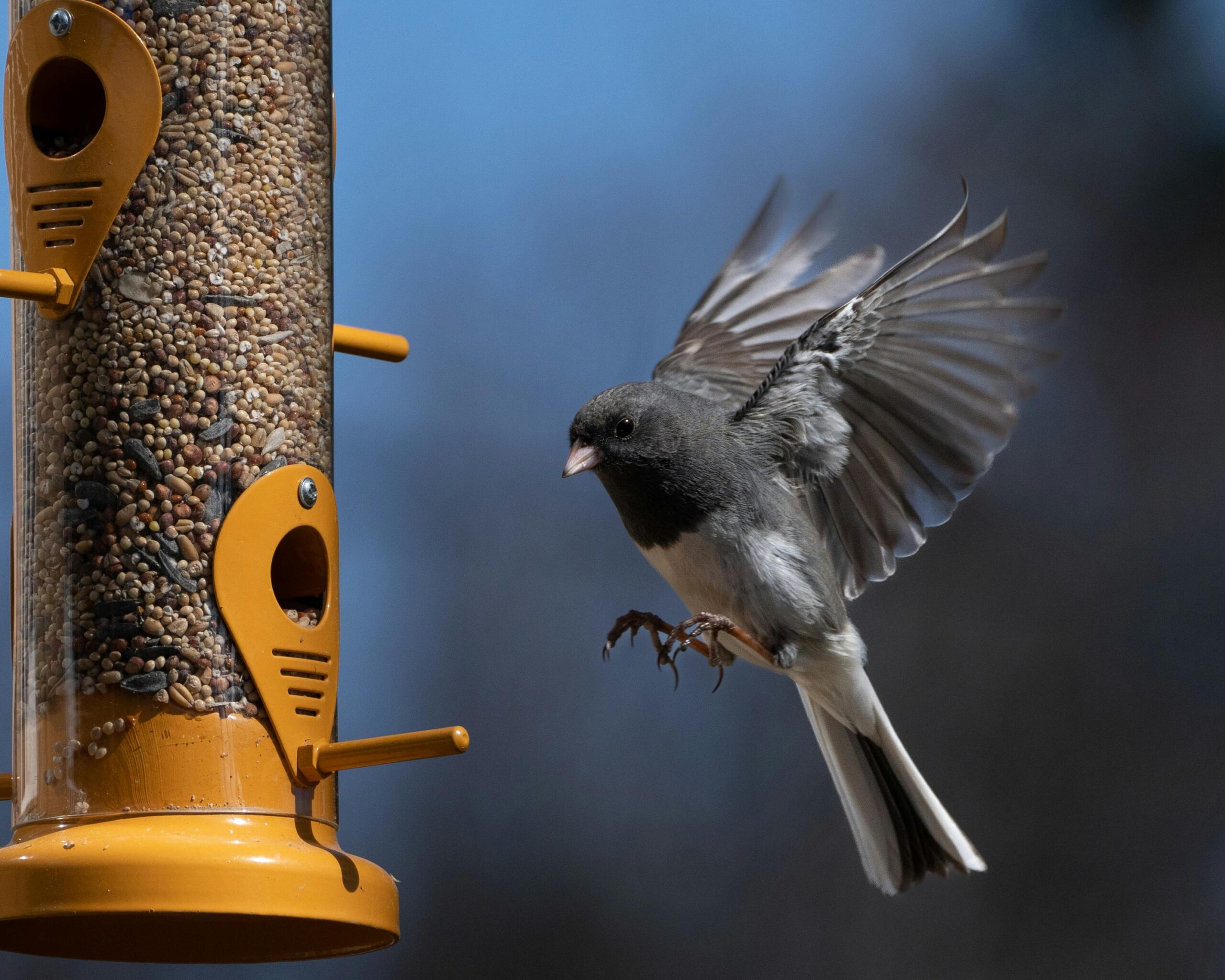
Credit: chirpforbirds.com
Popular Seeds For Bird Feeders
Choosing the right seeds for your bird feeder can make a big difference in attracting a variety of birds to your yard. Different seeds appeal to different species, and knowing which seeds are popular can help you create a lively and diverse birdwatching experience. Here’s a closer look at some of the most loved seeds you can add to your feeder.
Sunflower Seeds
Sunflower seeds are a top favorite among many bird species. Their high oil content provides birds with the energy they need, especially during colder months. You might notice cardinals, chickadees, and finches flocking to your feeder whenever you offer these.
Black oil sunflower seeds are particularly popular because their thin shells are easy for small birds to crack open. If you want to attract larger birds like woodpeckers or jays, consider offering striped sunflower seeds, which have a thicker shell.
Millet And Sorghum
Millet and sorghum are great choices if you want to attract ground-feeding birds like doves and sparrows. These small, round seeds are easy to scatter on the ground or in platform feeders. Your yard can become a hotspot for these birds if you regularly provide millet or sorghum.
White proso millet is especially attractive to smaller birds and is often included in mixed seed blends. Sorghum, sometimes called milo, appeals to larger ground feeders and adds variety to your bird feeder mix.
Nyjer Seeds
Nyjer seeds are tiny but mighty when it comes to attracting finches. These small, black seeds are a favorite of goldfinches, siskins, and redpolls. Their high oil content gives birds the energy they need during migration and winter.
Because nyjer seeds are so small, you’ll need a special feeder designed to hold them without spilling. Have you noticed how quickly finches gather around nyjer feeders? It’s a clear sign of how popular these seeds are among certain birds.
Fruits Birds Enjoy
Many birds love fruits. Fruits offer natural sugars, vitamins, and moisture. They attract colorful birds and brighten your feeder. Adding fruits to your bird feeder makes it a tasty spot. Birds enjoy a variety of fruits, each with unique benefits.
Berries
Berries are a top choice for many birds. Blueberries, raspberries, and blackberries are favorites. They are small, easy to eat, and full of nutrients. Birds like robins, thrushes, and waxwings often eat berries. Fresh or dried berries both work well in feeders.
Apple Slices
Apple slices are another great fruit option. Cut apples into thin slices or small chunks. Avoid seeds because they can be harmful to birds. Apples provide fiber and natural sugars. Orioles, woodpeckers, and grosbeaks enjoy eating apple pieces.
Grapes
Grapes attract many types of birds. Red and green grapes both work well. Cut grapes in half for easier eating. Grapes provide hydration and energy. Birds like tanagers, hummingbirds, and sparrows are drawn to grapes.
Nuts And Suet
Nuts and suet are excellent choices to attract a variety of birds to your feeder. They provide essential fats and proteins that help birds stay energized, especially during cold weather. Including these foods can turn your feeder into a hotspot for lively bird activity.
Peanuts
Peanuts are a favorite for many birds, including woodpeckers, jays, and chickadees. You can offer them shelled or unshelled, but make sure they are unsalted and free from any additives. A personal tip: I once noticed a family of blue jays visiting daily after I started offering peanuts, which quickly became their go-to snack.
Suet Cakes
Suet cakes are blocks of animal fat mixed with seeds, nuts, and grains. They provide high energy, perfect for birds during winter when natural food is scarce. Try hanging suet cakes in a feeder designed to keep them secure; this attracts woodpeckers, nuthatches, and even some species of titmice.
Almonds
Almonds offer a nutritious, crunchy treat loved by many bird species. Break them into smaller pieces to make it easier for smaller birds to eat. If you want to attract a wider range of birds, consider adding almonds to your nut mix—they add variety and keep birds coming back for more.
Grains And Other Options
Feeding birds goes beyond just the usual seeds. Grains and other food options can attract a wider variety of feathered friends to your yard. Adding these options can also provide extra energy and nutrition that many birds need, especially during colder months.
Cracked Corn
Cracked corn is a favorite for many bird species like doves, quail, and sparrows. It’s inexpensive and easy to find at most garden stores or feed shops.
Be cautious about feeding cracked corn in wet weather because it can mold quickly. If you’ve ever noticed how quickly squirrels go after corn, you know it’s a hit. Would you like more visitors at your feeder? Try adding cracked corn in moderation.
Oats
Oats offer a soft and easy-to-digest option for birds such as juncos and chickadees. Rolled oats or quick oats work well and are gentle on birds’ digestive systems.
You might be surprised how quickly small birds flock to oats when you scatter them on the ground. Have you tried mixing oats with other grains to see which your backyard birds prefer?
Mealworms
Mealworms provide a rich source of protein that many insect-eating birds crave. Bluebirds, robins, and wrens especially enjoy these wriggly treats.
Offering live or dried mealworms can encourage birds to stay longer and visit more frequently. If you want to support birds during breeding season or cold spells, mealworms are a smart addition to your feeder.
Foods To Avoid
Feeding birds can be a rewarding experience, but not all foods are safe or healthy for them. Offering the wrong types of food can harm birds or even drive them away from your feeder. Knowing which foods to avoid helps protect your feathered visitors and keeps your backyard buzzing with life.
Salted Or Spiced Foods
Salted snacks like chips or pretzels and spiced nuts are harmful to birds. Their bodies cannot handle the high salt content, which can lead to dehydration and kidney problems.
Even a small amount of seasoning can upset a bird’s digestive system. So, always stick to plain, unsalted seeds or nuts if you want to offer something extra.
Bread And Junk Food
Many people think bread is a harmless treat, but it offers little nutrition and can fill birds up without giving them the energy they need. Bread also molds quickly, which can be dangerous if eaten.
Junk foods like candy, chips, or processed snacks contain additives and sugars that are unhealthy for birds. Instead, choose natural foods that support their diet and well-being.
Toxic Foods For Birds
Some common foods that are safe for humans are outright toxic for birds. Avoid feeding them chocolate, caffeine, avocado, and alcohol—these can be fatal.
Also, raw beans and onions can cause serious health issues. If you want to feed birds, stick to bird-safe options and do a quick check if you’re unsure about a particular food.
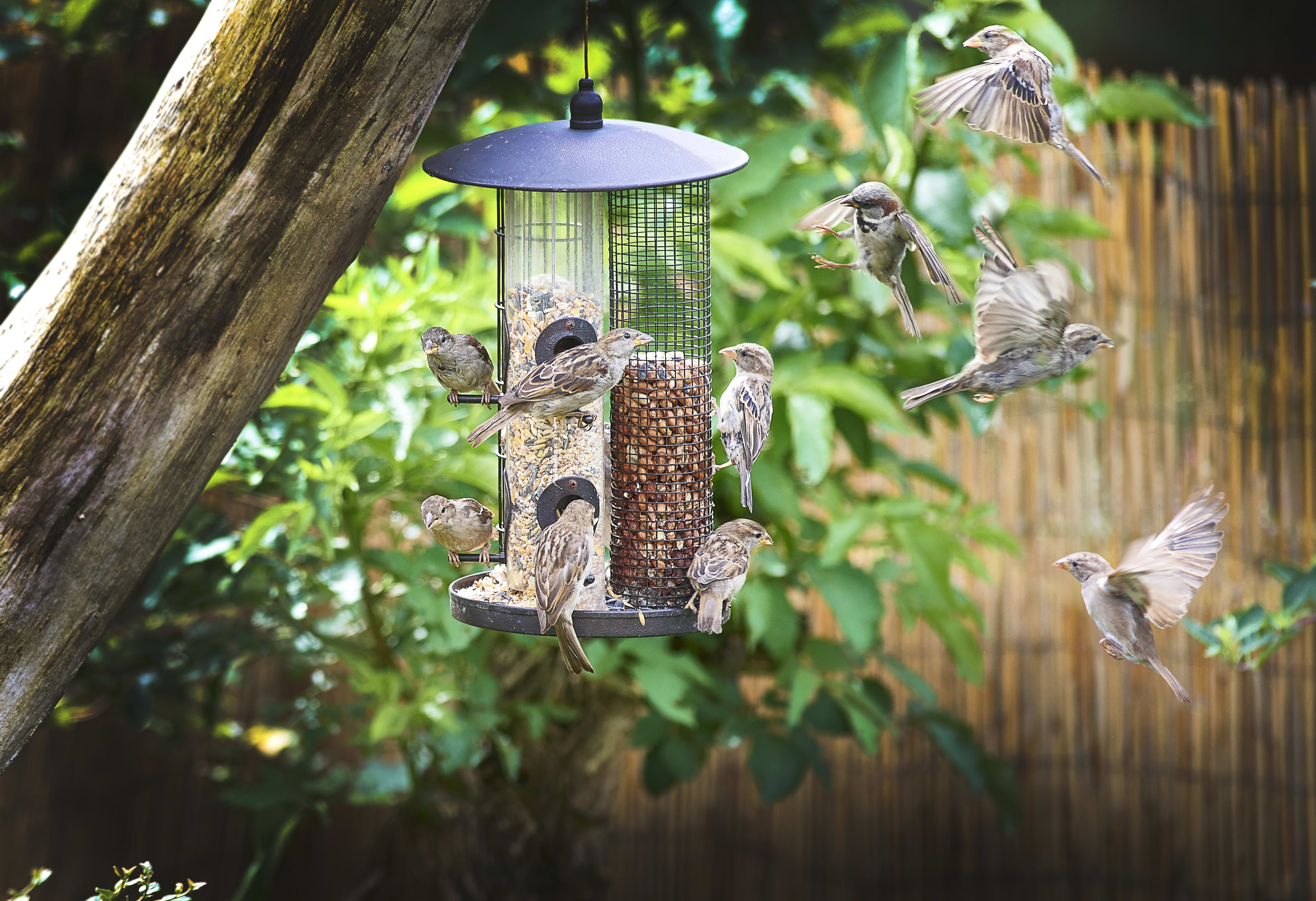
Credit: dengarden.com
Tips For Choosing Feeder Foods
Choosing the right food for your bird feeder helps attract more birds and keeps them healthy. Different birds prefer different foods. Picking the right type of food also depends on the season and how fresh the food stays. Here are some helpful tips for selecting feeder foods that suit your garden and the birds visiting it.
Seasonal Preferences
Birds eat different foods in different seasons. In winter, high-energy foods like sunflower seeds and suet help birds stay warm. During spring and summer, offer foods rich in protein, such as mealworms, to support breeding birds. Fruit and nectar attract hummingbirds and orioles in warmer months. Changing feeder foods with the seasons keeps birds interested and nourished.
Attracting Specific Bird Species
Different birds prefer specific foods. Black-capped chickadees love sunflower seeds. Cardinals prefer safflower seeds. Finches enjoy nyjer seeds. Woodpeckers and nuthatches eat suet. To attract a variety of birds, offer a mix of seeds, nuts, and fruits. Knowing local birds helps you choose the best food to bring them to your feeder.
Maintaining Freshness
Fresh food keeps birds healthy and coming back. Avoid old or moldy seeds that can harm birds. Use feeder trays or containers that protect food from moisture. Clean feeders regularly to prevent bacteria and mold growth. Store bird food in a cool, dry place. Replace food often to keep it fresh and appealing.
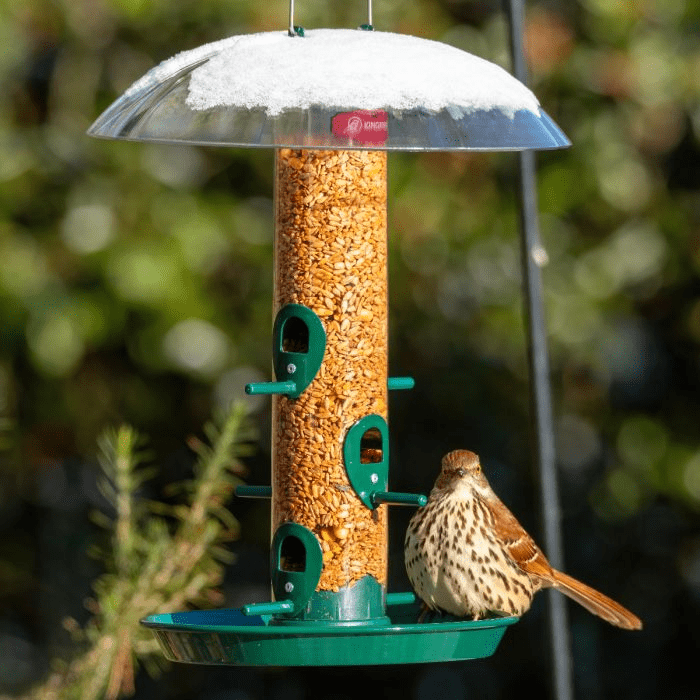
Credit: www.kingsyard.com
Frequently Asked Questions
What Types Of Seeds Attract The Most Birds?
Sunflower seeds, millet, and nyjer seeds attract many bird species. They are nutritious and easy for birds to eat. These seeds suit various feeders and environments, making them popular choices for backyard bird feeding.
Can You Put Fruit In A Bird Feeder?
Yes, many birds enjoy fruit like apples, berries, and oranges. Offer fresh or dried fruit pieces to attract species like orioles and tanagers. Avoid spoiled or moldy fruit to keep birds healthy.
Is It Safe To Feed Bread To Birds?
Feeding bread to birds is not recommended. It lacks nutrients and can cause health problems. Instead, offer natural foods like seeds, nuts, and fruits for a balanced diet.
What Foods Should Be Avoided In Bird Feeders?
Avoid salty, sugary, or processed foods, including bread, chips, and candy. These can harm birds and disrupt their natural diet. Stick to natural seeds, nuts, and fruits for safe feeding.
Conclusion
Feeding birds can bring joy and life to your garden. Choose seeds and foods that attract your favorite birds safely. Keep the feeder clean and filled with fresh food. Watching birds eat is peaceful and fun. A well-fed bird can brighten your day.
Try different foods to see which birds visit most. Enjoy nature right outside your window. Simple care helps birds stay healthy and happy. Your feeder can become a small haven for wildlife.