
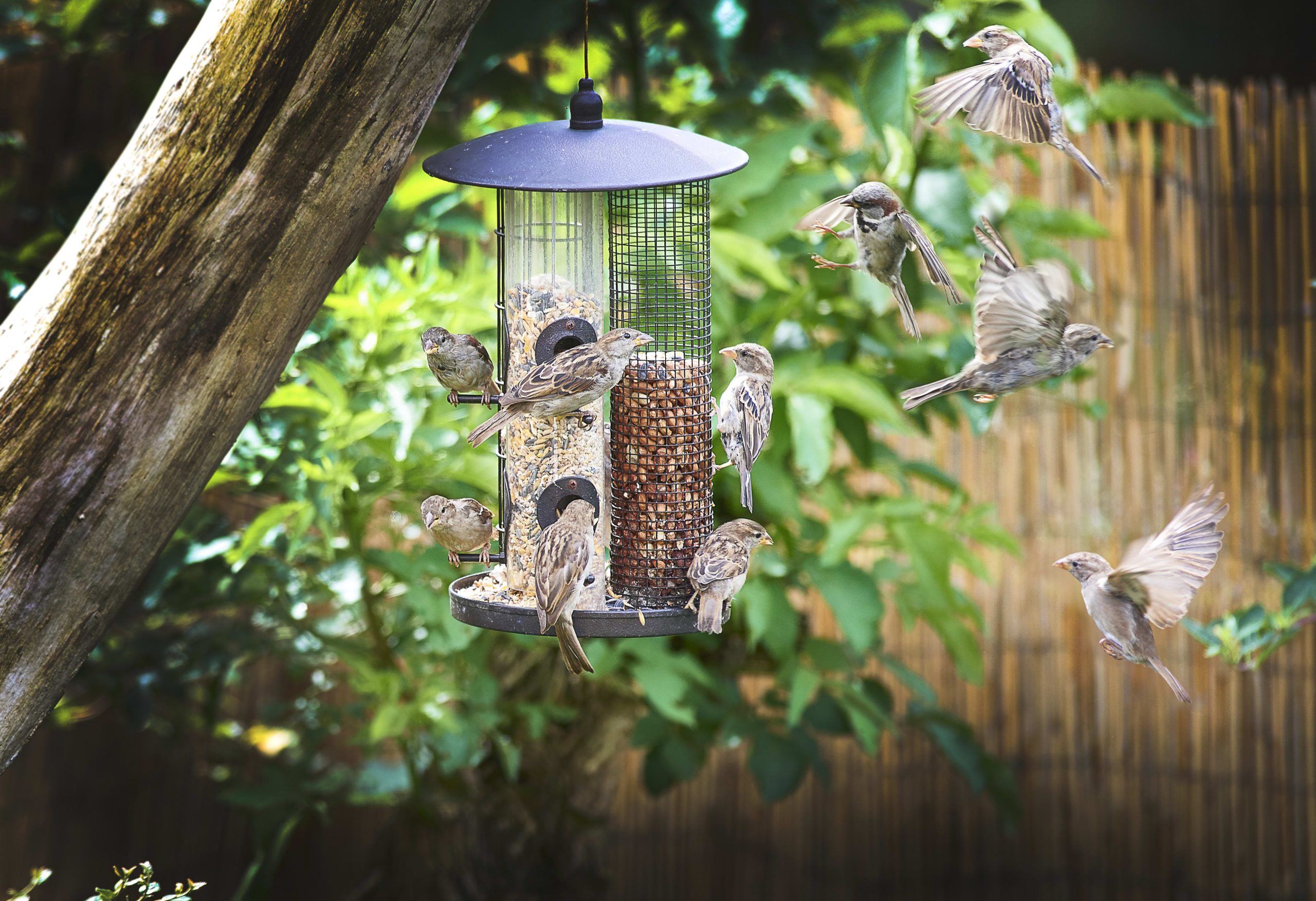
Have you ever wondered what it feels like to bring more life and color right to your doorstep? Feeding birds in your backyard is a simple way to do just that.
It’s not just about tossing some seeds outside – it’s about creating a peaceful space where you can connect with nature every day. Imagine the joy of watching vibrant birds visit, chirp, and dance just feet away from you. You’ll discover how feeding birds can brighten your mood, help local wildlife, and even improve your garden.
Keep reading to find out why this small act can make a big difference for you and the world around you.
Credit: dengarden.com
Attracting Wildlife To Your Garden
Attracting wildlife to your garden brings nature closer to home. Birds add color, sound, and life to outdoor spaces. Watching them can be a relaxing and joyful experience. A lively garden supports local ecosystems and helps plant pollination. Feeding birds invites a variety of species to visit regularly. This simple act encourages biodiversity and creates a natural balance.
Bird Species You Might See
Your backyard can host many bird species. Common visitors include:
- Robins
- Blue Jays
- Cardinals
- Chickadees
- Sparrows
- Finches
- Woodpeckers
Each bird species has unique colors and songs. Some prefer seeds, others enjoy fruits or insects. Noticing these differences makes birdwatching more fun.
Creating A Bird-friendly Habitat
Offer food, water, and shelter to attract birds. Use feeders with mixed seeds or suet cakes. Fresh water sources like birdbaths help birds stay hydrated. Plant native shrubs and trees for cover and nesting spots. Avoid pesticides that harm birds and insects. Clean feeders and baths regularly to keep birds healthy. A welcoming habitat encourages birds to return often.
Supporting Local Bird Populations
Supporting local bird populations is more than just a kind gesture—it’s a vital action that helps maintain the balance of your neighborhood’s ecosystem. Birds play key roles such as controlling insects, pollinating plants, and spreading seeds. When you feed birds in your backyard, you directly contribute to their survival and health, especially during times when natural resources are scarce.
Providing Food During Scarce Seasons
Birds often struggle to find enough food during late fall and winter. Natural food sources like berries and insects become rare or disappear entirely. By offering seeds, nuts, or suet, you create a reliable food supply that fills this gap.
Think about the last time you saw a bird searching desperately for food in your yard. That moment shows how much your feeding station can help. You don’t need to provide a full diet—just enough to keep their energy up during tough times.
Helping Birds Survive Harsh Weather
Cold snaps, heavy rains, and storms can make it hard for birds to find shelter and sustenance. Your backyard feeder acts like a lifeline in these moments, offering them a safe place to refuel. This support increases their chances of surviving until the weather improves.
Have you ever noticed birds flocking to a feeder right after a storm? That behavior tells you how crucial your efforts are. Feeding birds during bad weather isn’t just about kindness—it’s about giving them a fighting chance.
Enhancing Your Outdoor Experience
Creating a welcoming space for birds in your backyard does more than just support local wildlife—it transforms your outdoor area into a lively, engaging environment. Watching birds can turn ordinary moments into captivating experiences. This simple act invites you to slow down and appreciate the natural world right outside your door.
Enjoying Birdwatching Benefits
Birdwatching brings a unique sense of joy and curiosity. Noticing the different colors, sizes, and behaviors of birds keeps your mind sharp and engaged. It’s a gentle way to practice mindfulness without needing to leave your home.
You might find yourself eagerly anticipating visits from a rare species or enjoying the cheerful songs of common backyard birds. Each sighting can feel like a small discovery, adding excitement to your day.
Boosting Mental Wellbeing
Spending time observing birds can significantly lower stress levels. It offers a peaceful break from screens and daily worries, helping you reset mentally. Studies show that even short periods of nature watching can improve mood and reduce anxiety.
Have you noticed how a few minutes of quiet birdwatching can brighten your outlook? Feeding birds turns your yard into a natural sanctuary, giving you regular moments of calm and connection to the outdoors.

Credit: www.allaboutbirds.org
Educational Opportunities For All Ages
Feeding birds in your backyard opens up a world of educational opportunities that anyone can enjoy. It’s not just about watching pretty feathers flutter; it’s about learning and connecting with nature in a hands-on way. Whether you’re an adult or a child, feeding birds invites curiosity and discovery right outside your window.
Learning About Bird Behavior
Observing birds at your feeder teaches you how they act and interact. You’ll notice some birds arrive in groups while others prefer to feed alone. Over time, you might spot unique habits like how certain birds peck at seeds or even how they communicate with each other through calls.
Paying attention to these behaviors helps you understand their survival strategies and social life. Have you ever wondered why some birds wait patiently while others dash straight to the food? Watching closely gives you answers and sparks questions that make learning exciting.
Engaging Children With Nature
Children often find birds fascinating, and feeding them creates a simple way to connect kids with the outdoors. It encourages them to slow down, observe, and ask questions about the world around them. This interaction can nurture a lifelong interest in wildlife and science.
Try involving children in setting up feeders and choosing the right bird food. This hands-on experience makes learning fun and memorable. How might watching birds change the way your children see the environment and their role in protecting it?
Promoting Garden Health
Feeding birds in your backyard helps keep your garden healthy and balanced. Birds act as natural helpers that support your plants and flowers. Their presence encourages a thriving environment for growth and beauty.
Natural Pest Control
Birds eat many insects that harm plants. They control pests like caterpillars, beetles, and aphids. This reduces the need for chemical pesticides. Healthy birds mean fewer bugs eating your leaves and fruits. They keep the garden clean and protect your plants naturally.
Pollination Support
Some birds help move pollen between flowers. This supports fruit and seed production. Birds like hummingbirds visit flowers and spread pollen as they feed. More pollination means more blooms and better harvests. Feeding birds attracts these important pollinators to your garden.
Choosing The Right Bird Feeders And Food
Choosing the right bird feeders and food makes a big difference in attracting birds. The feeder type affects which birds visit your backyard. The food you provide also impacts bird health and behavior. Selecting feeders and seeds that suit local birds ensures a lively garden full of chirping visitors.
Types Of Feeders
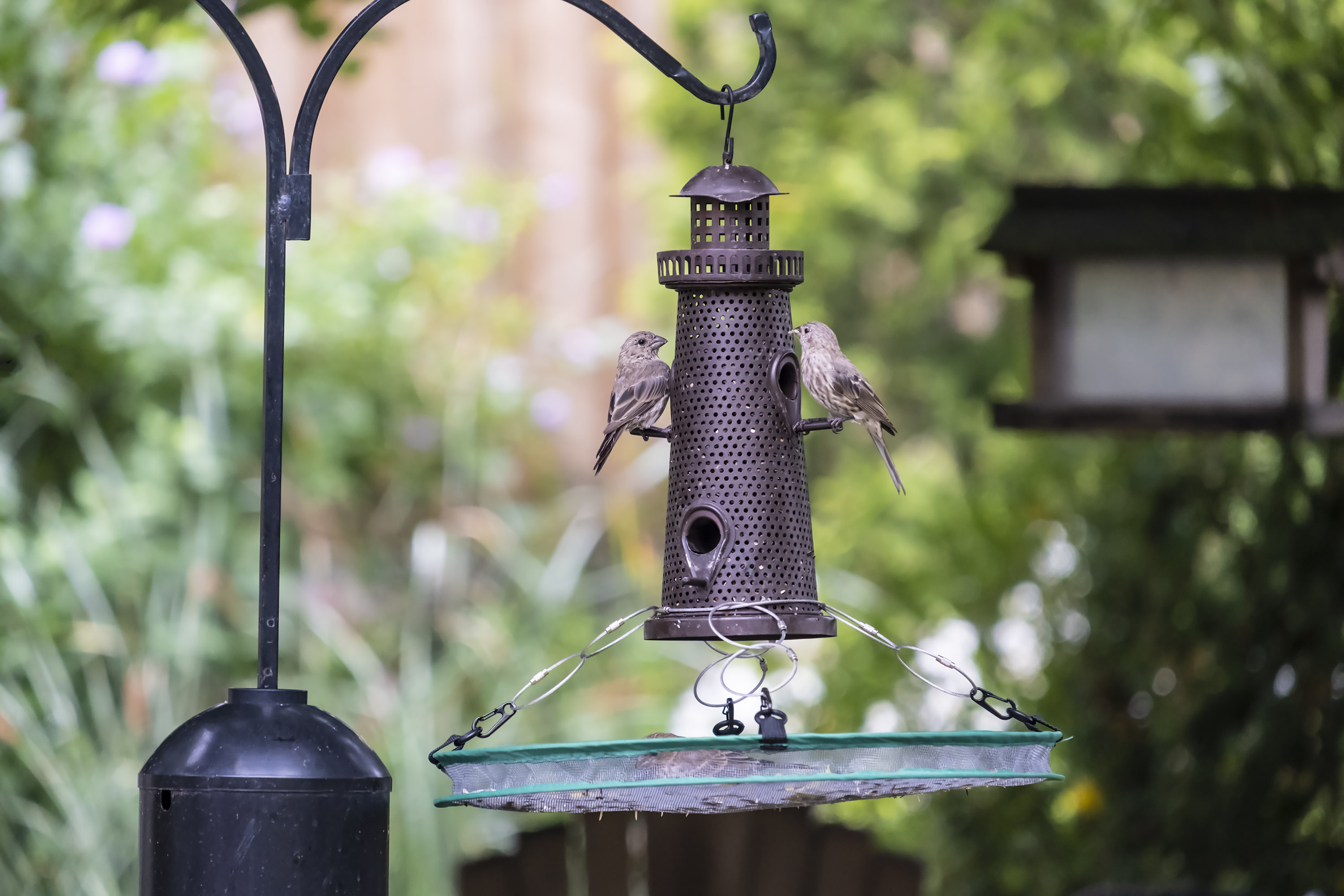
Feeders come in many styles. Tube feeders hold small seeds like sunflower or millet. Platform feeders are flat and attract larger birds. Hopper feeders store food inside and release it as birds eat. Suet feeders offer high-energy cakes for woodpeckers and nuthatches. Choose feeders that match the birds you want to attract and your yard space.
Selecting Appropriate Seeds
Different birds prefer different seeds. Black oil sunflower seeds attract many small and medium birds. Nyjer seed is good for finches. Millet suits ground-feeding birds like sparrows. Avoid mixes with fillers like red millet or oats that birds often ignore. Fresh, clean seeds keep birds healthy and coming back for more.
Common Mistakes To Avoid
Feeding birds in your backyard can be a joyful experience, but certain mistakes can turn it into a problem for both you and the birds. Avoiding these common errors helps keep the birds safe and ensures your feeding spot remains a pleasant place. Let’s look at some key pitfalls and how to steer clear of them.
Preventing Disease Spread
One of the biggest risks when feeding birds is the spread of disease. Birds gather closely at feeders, which can easily transmit illnesses if you’re not careful.
To reduce this risk, avoid overcrowding feeders by using multiple feeding stations. Rotate the feeding spots regularly to prevent contamination buildup. Also, choose feeders that minimize contact, like tube feeders with separate perches.
Have you ever noticed sick birds around your feeder? That’s a sign to pause feeding and clean everything thoroughly before resuming. Watching out for these signs protects your feathered visitors.
Maintaining Clean Feeding Areas
Dirty feeders and ground areas invite pests and harm birds. Old seed, droppings, and debris can quickly accumulate and create unhealthy conditions.
Clean your feeders at least once every two weeks using warm water and mild soap. Rinse well and dry completely before refilling. Don’t forget to clear the ground beneath regularly to remove leftover seeds and waste.
Think about how often you clean your own eating space. Birds deserve the same care. Keeping the feeding area tidy encourages more birds to visit and stay healthy.

Credit: www.birdfeederco.com
Frequently Asked Questions
Why Should I Feed Birds In My Backyard?
Feeding birds supports local wildlife and boosts biodiversity. It provides birds with vital nutrition, especially in harsh seasons. Backyard feeding also encourages birdwatching, enriching your connection with nature and promoting environmental awareness.
What Types Of Food Attract Backyard Birds Best?
Seeds like sunflower, millet, and safflower attract diverse birds. Suet and mealworms offer protein for insect-eating species. Fresh fruits and nuts also draw various birds, enhancing backyard diversity and bird health.
How Does Feeding Birds Benefit The Environment?
Feeding birds helps maintain healthy bird populations, aiding pollination and pest control. It supports natural ecosystems by encouraging bird presence, which balances insect populations and spreads plant seeds.
Can Feeding Birds Improve Mental Health?
Yes, watching and feeding birds reduces stress and anxiety. It provides a calming outdoor activity that connects you with nature. This simple hobby promotes relaxation and boosts mood through peaceful engagement.
Conclusion
Feeding birds in your backyard brings nature close. It creates a peaceful environment. Birds add life with their songs and colors. Watching them reduces stress and promotes relaxation. It’s a great way to support local wildlife. Bird feeding connects you with nature’s wonders.
Simple acts can have big impacts. Enjoy the chirps and flutters. Your backyard becomes a lively haven. A small seed feeder can create joy. Embrace this simple pleasure every day. Nature offers beauty and harmony. Feeding birds enriches your outdoor space.
A true gift from nature to your home.