
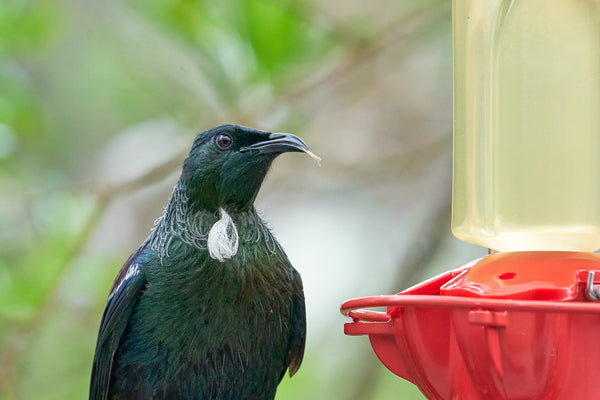
Winter in New Zealand can be tough on our feathered friends. If you’ve ever wondered what to feed birds in winter NZ, you’re not alone.
You want to help, but it’s not always clear what’s best for them when natural food is scarce. Imagine seeing more birds visit your garden, feeling good that you’re giving them the right nourishment, and making a real difference in their survival.
Keep reading, and you’ll discover simple, effective ways to support your local birds through the cold months. Your garden can become a winter haven for birds—and it’s easier than you think.

Credit: www.allaboutbirds.org
Best Foods For Winter Birds
Choosing the right food helps birds stay strong during cold months. Birds need extra energy to keep warm. Feeding them nutrient-rich food supports their health and survival. Here are some of the best foods to offer winter birds in New Zealand.
High-energy Seeds
Seeds provide essential fats and calories for energy. Sunflower seeds are popular and attract many bird species. Nyjer seeds are small but packed with nutrients. Mixed seed blends offer variety and appeal to different birds.
- Black oil sunflower seeds
- Nyjer (thistle) seeds
- Safflower seeds
Fruits And Berries
Fresh fruits and berries add vitamins and moisture. Birds enjoy apples, pears, and grapes. Native berries like mānuka and kawakawa are excellent choices. Avoid fruits treated with pesticides or chemicals.
- Chopped apples and pears
- Seedless grapes
- Native berries such as mānuka
Nuts And Suet
Nuts offer protein and healthy fats for winter energy. Peanuts and walnuts are favorites among many birds. Suet cakes provide concentrated energy and are easy to hang outdoors. Use suet mixed with seeds for best results.
- Unsalted peanuts and walnuts
- Suet cakes with seeds
- Rendered fat mixed with grains
Foods To Avoid
Feeding birds in winter can be rewarding, but it’s just as important to know what NOT to feed them. Some common foods might seem harmless but can be dangerous or cause health problems for your feathered visitors. Avoiding these foods keeps birds safe and helps them thrive through the cold months.
Toxic Foods For Birds
Some everyday foods are actually toxic to birds and should never be offered. Chocolate contains theobromine, which can be deadly even in small amounts. Similarly, avocado has persin, a substance harmful to many bird species.
Onions and garlic can cause digestive upset and damage birds’ red blood cells, leading to serious health issues. Avoid feeding birds anything containing caffeine or alcohol, as these substances can be poisonous. Even small scraps of salty or sugary human junk food can harm their delicate systems.
Foods That Cause Digestive Issues
Birds have sensitive digestive systems, so some natural foods might still cause problems. Bread is a common mistake—it fills them up without proper nutrients and can lead to malnutrition if overfed. Moldy or stale food is another risk; it can cause illness or digestive distress.
Feeding large amounts of citrus or acidic fruits can upset some birds’ stomachs. Also, raw beans contain toxins that need to be destroyed by cooking; never feed raw beans to birds. What have you noticed your local birds avoiding? Sometimes they know better than we do.
Feeding Tips For Cold Months
Feeding birds during New Zealand’s cold months helps them survive harsh conditions. Birds need extra energy to stay warm and active. Providing the right food and care supports their health through winter.
Keeping Feeders Clean
Clean feeders stop disease and keep birds safe. Wash feeders with hot water and mild soap every week. Rinse well to remove soap. Dry feeders completely before refilling. Remove old or moldy food daily to prevent illness.
Best Feeding Times
Feed birds early in the morning. They need energy after cold nights. Refill feeders often to keep food fresh. Late afternoon feeding helps birds prepare for cold nights. Avoid feeding at night to reduce pests.
Safe Feeding Locations
Place feeders where birds can easily find cover. Trees or shrubs nearby offer protection from predators. Avoid busy or noisy areas to reduce bird stress. Keep feeders away from windows to prevent collisions.

Credit: www.yahoo.com
Types Of Bird Feeders
Choosing the right bird feeder helps attract different bird species in winter. Each feeder type suits various seeds and feeding habits. Proper feeders keep food dry and safe from weather.
Tray Feeders
Tray feeders are open and flat. They hold seeds like sunflower or millet. Birds can perch and eat easily. These feeders work well for ground-feeding birds too. Place them in a safe spot to avoid predators.
Hopper Feeders
Hopper feeders have a covered seed storage area. They release seeds slowly onto a tray below. This design protects seeds from rain and snow. Many birds can feed at once on hopper feeders. It’s a good choice for busy gardens.
Suet Feeders
Suet feeders hold blocks of suet or fat mixed with seeds. These provide high energy for birds in cold weather. Woodpeckers and insect-eaters love suet feeders. Hang them in a shaded place to prevent melting.
Attracting Native Nz Birds
Attracting native New Zealand birds during winter requires understanding their needs. Cold months make food scarce. Providing the right food helps birds survive and thrive. It also brings beautiful wildlife close to your home. Native birds have unique diets. Feeding them suitable food encourages visits throughout winter.
Preferred Foods By Species
Different native birds prefer different foods. Offering variety increases your chances of attracting many species.
- Tūī: Enjoy nectar from pohutukawa and flax. Supplement with sugar water or nectar feeders.
- Fantail (Pīwakawaka): Eat insects. Offer mealworms or fruit scraps.
- Silvereye (Tauhou): Like fruit and nectar. Provide sliced apples and sugar water.
- Kererū (New Zealand pigeon): Eat berries and fruit. Plant native fruiting trees or supply fresh fruit pieces.
- Bellbird (Korimako): Feed on nectar and insects. Sugar water and mealworms work well.
Creating A Bird-friendly Habitat
Food alone does not attract birds. A safe and welcoming habitat matters too. Plants provide shelter and natural food sources.
Plant native shrubs and trees. They offer food and protection from weather and predators. Examples include mānuka, kanuka, and cabbage trees.
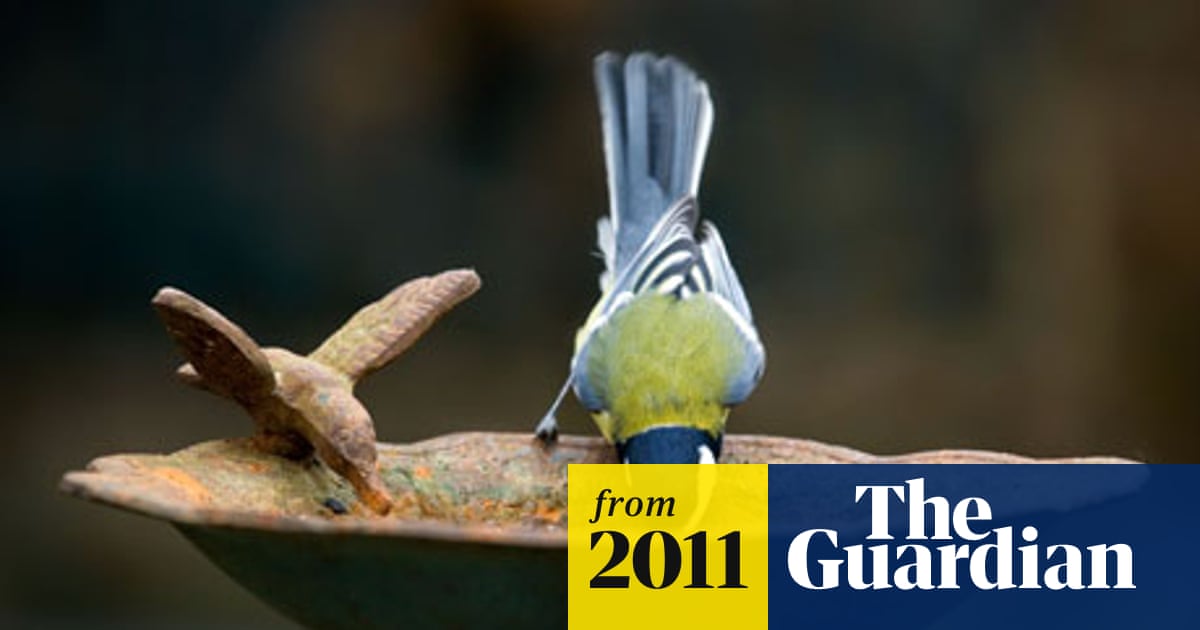
Keep water nearby. A shallow birdbath or small pond helps birds drink and bathe.
Place feeders in quiet spots. Avoid areas with heavy foot traffic or pets. Clean feeders regularly to prevent disease.
Seasonal Feeding Challenges
Feeding birds during New Zealand’s winter poses unique challenges. Cold temperatures and damp conditions affect food quality and bird health. Careful attention helps keep feeders safe and attractive to wild birds.
Weather Considerations
Winter weather in New Zealand can be cold and wet. Freezing temperatures may cause food to harden or freeze. Rain and snow can spoil seeds and suet. Position feeders in sheltered spots to protect food. Avoid placing feeders where strong winds blow directly. Choose feeders with covers to shield food from rain. Regular checks ensure food stays dry and fresh.
Preventing Mold And Spoilage
Moisture causes mold to grow quickly on bird food. Moldy food can harm birds’ health. Use dry, fresh seeds and nuts. Clean feeders often to remove old food and dirt. Replace wet or clumped food immediately. Store extra bird food in airtight containers. Keep feeding areas tidy to avoid attracting pests. These steps help birds get safe and nutritious food all winter.
Credit: www.theguardian.com
Frequently Asked Questions
What Food Is Best For New Zealand Birds In Winter?
High-energy foods like sunflower seeds, suet, and peanuts are ideal. These provide essential fats and nutrients for cold months. Avoid salted or processed foods that can harm birds.
Can I Feed Native Birds Fruits In Winter?
Yes, native birds enjoy fruits like apples, berries, and grapes. Offer chopped or sliced fresh fruit to help them stay nourished during colder months.
How Often Should I Refill Bird Feeders In Winter?
Refill feeders daily or when empty to ensure consistent food supply. Birds rely on frequent feeding during winter to maintain energy and warmth.
Are Bread And Leftovers Safe For Winter Bird Feeding?
Avoid bread and leftovers as they lack nutrition and may cause harm. Stick to natural seeds, nuts, and fruits that support bird health.
Conclusion
Feeding birds in winter is simple and rewarding. Offer seeds, fruits, and nuts. Birds need high-energy foods to stay warm. Keep feeders clean and full. Fresh water is essential, even in winter. Provide it daily. Enjoy watching birds visit your garden.
They bring life and joy during colder months. Remember, every small effort helps these feathered friends. Make your backyard a safe haven for them. You’ll see more bird activity and help them survive. Start today. Make a difference. Happy bird watching!