
Have you ever wondered which birds and insects are attracted to lupin plants in your garden? Knowing what wildlife feeds off lupin can help you create a thriving, lively outdoor space.
Whether you want to encourage beneficial pollinators or simply understand the natural balance around your lupin, this guide is for you. Keep reading to discover the surprising visitors that rely on lupin and how they can bring life and color to your garden.

Credit: fullcirclefarm.blog
Lupin Plants And Their Role
Lupin plants play a vital role in many ecosystems. They are more than just colorful flowers. These plants support various birds and insects by providing food and shelter. Understanding lupins helps us see their importance in nature.
Characteristics Of Lupin
Lupins are tall, leafy plants with bright flower spikes. Their flowers come in colors like blue, purple, white, and pink. The leaves are usually green and shaped like fingers. They grow well in poor soil and fix nitrogen, which helps other plants grow.
Lupins bloom in spring and summer. Their seeds are hard and can stay in the soil for years. These plants attract many insects with their nectar and pollen. Birds visit lupins to eat seeds and insects found nearby.
Lupin’s Ecological Importance
Lupins improve soil by adding nitrogen, a key nutrient. This helps plants around them grow stronger. Their flowers feed bees, butterflies, and other pollinators. These insects, in turn, support birds by being a food source.
Many bird species rely on insects found near lupins. The plants create a habitat for these insects. This relationship supports a balanced food chain. Lupins also prevent soil erosion with their deep roots.

Credit: www.squamishenvironment.ca
Insects Attracted To Lupin
Lupin plants attract a variety of insects, making them a lively spot in any garden or wild area. These insects play different roles, from helping pollinate the flowers to feeding on the leaves. Understanding which insects visit lupin can help you manage your garden better and appreciate the small ecosystem thriving around these plants.
Common Insect Visitors
You will often see several types of insects around lupin plants. Bees, butterflies, and beetles are frequent visitors looking for nectar. Ants and spiders might also be nearby, hunting or scavenging.
- Honeybees and bumblebees – attracted by the bright flowers
- Ladybugs – searching for aphids
- Butterflies – feeding on nectar and resting on leaves
Pollinators And Their Impact
Pollinators like bees and butterflies are crucial for lupin reproduction. Their visits transfer pollen from flower to flower, helping lupins produce seeds. Without these insects, lupin plants would struggle to reproduce efficiently.
Have you noticed how some lupin flowers seem fuller and healthier when more bees visit? That’s the direct impact of pollinators at work. Supporting pollinator-friendly plants can boost your lupin’s growth and flower production.
Herbivorous Insects Feeding On Lupin
Not all insects around lupin are beneficial. Some feed on the leaves, stems, or pods, potentially damaging the plant. Common herbivores include aphids, caterpillars, and weevils.
- Aphids – small sap-sucking insects that can weaken the plant
- Caterpillars – munch on leaves causing visible holes
- Weevils – chew on lupin seeds and pods
Spotting these herbivores early can help you take action before they cause serious harm. What signs do you look for to catch insect damage on your lupin plants?
Birds Feeding On Lupin-associated Insects
Birds feeding on insects found around lupin plants play a key role in natural pest control. These birds help keep insect populations balanced, protecting lupin crops and nearby plants. Their presence also supports a healthy ecosystem by maintaining food chains and biodiversity.
Many bird species rely on lupin-associated insects for food. These insects include aphids, caterpillars, beetles, and other small bugs attracted to lupin foliage and flowers. Birds catch these insects by various methods, often adapting their feeding styles to the insect type and availability.
Insectivorous Bird Species
Several bird species feed on insects around lupin plants. Common insectivores include:
- Warblers
- Flycatchers
- Swallows
- Wrens
- Chickadees
- Woodpeckers
These birds actively search lupin leaves, stems, and flowers for insects. Some even glean insects from the plant surfaces or catch them mid-air near the lupin.
Feeding Behaviors And Patterns
Birds use different feeding behaviors to capture lupin insects. Some hop from branch to branch, picking insects off leaves. Others watch for flying insects and catch them on the wing. Pecking and probing into flower clusters help find hidden larvae and eggs.
Many birds feed in groups, increasing their success rate. Some species prefer early morning or late afternoon feeding. This timing matches insect activity peaks around lupin plants.
Seasonal Variations In Bird Activity
Bird activity near lupin plants changes with seasons. Spring and summer bring more insects as lupin grows and flowers. Bird feeding increases to meet higher energy needs during breeding and raising young.
In fall, insect numbers drop, so fewer birds feed on lupin insects. Some insectivorous birds migrate away during this time. Winter sees the lowest bird activity on lupin, except for species that stay year-round and switch to other food sources.
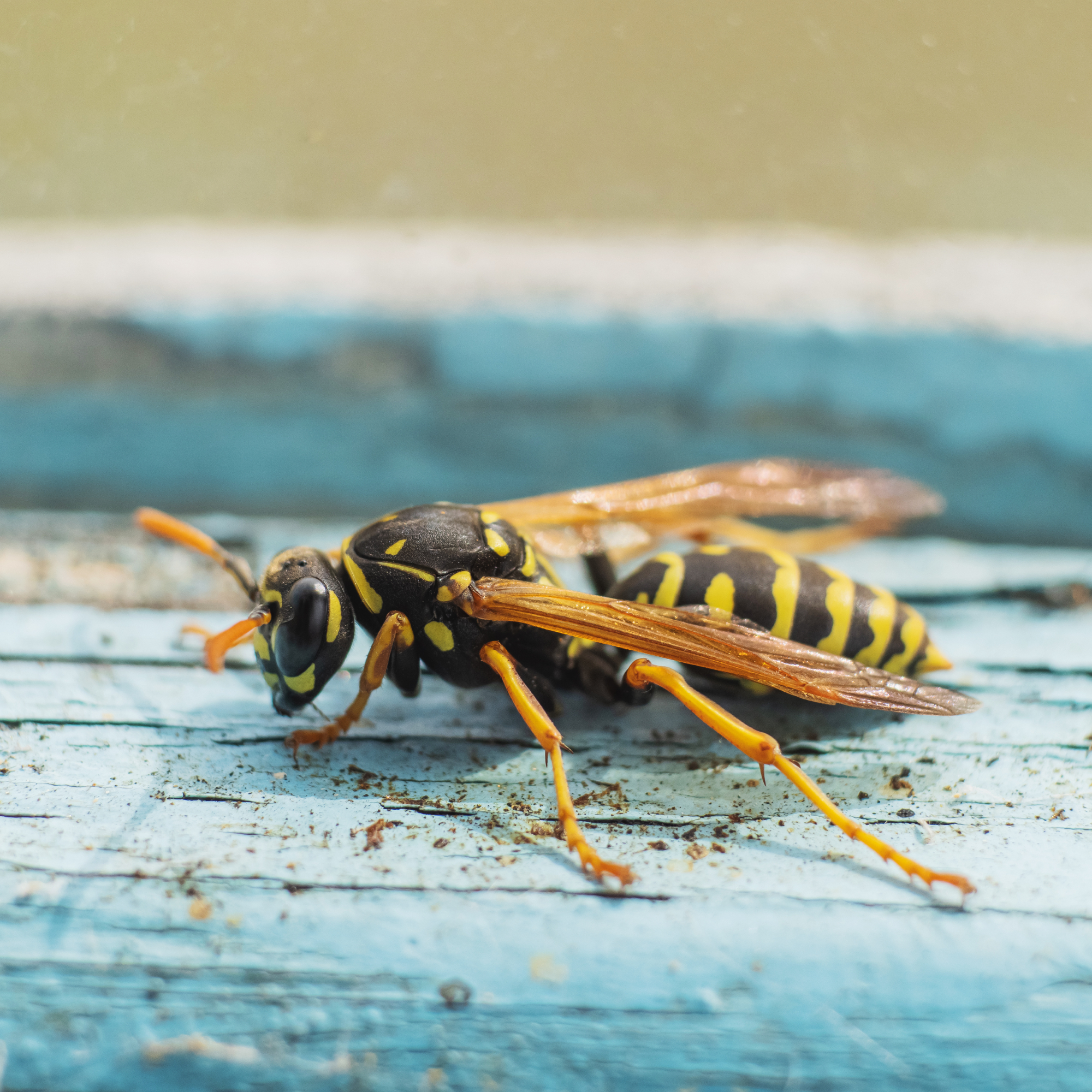
Credit: www.gardeningknowhow.com
Symbiotic Relationships In Lupin Ecosystems
Lupin plants create a web of life around them. Birds and insects form close ties with lupins. These ties help all parties survive and thrive. They show nature’s balance and teamwork.
Mutual Benefits Between Birds And Lupin
Birds feed on insects that live on lupin plants. This keeps insect numbers in check. Birds also spread lupin seeds. This helps lupins grow in new areas. Both birds and lupins gain food and shelter. The relationship supports each other’s survival.
Insect Roles In Plant Health
Insects pollinate lupin flowers. Pollination helps lupins produce seeds and fruit. Some insects protect lupins by eating harmful pests. Others improve soil by breaking down organic matter. These insects keep lupins healthy and strong. Their work supports the plant’s growth cycle.
Impact On Biodiversity
Lupin ecosystems support many species of birds and insects. This variety creates a balanced environment. Diverse life forms improve soil and air quality. They offer food and homes for many creatures. High biodiversity makes ecosystems more stable and resilient.
Observing Lupin, Insects, And Birds
Watching how birds and insects interact with lupin plants opens a fascinating window into nature’s food web. Lupins attract a variety of insects, which in turn draw birds looking for an easy meal. Observing these interactions can deepen your appreciation for local ecosystems and even inspire you to create a wildlife-friendly garden.
Best Habitats For Observation
Lupins thrive in well-drained soils with plenty of sunlight, often found in meadows, roadside verges, and open woodland edges. These spots usually host a vibrant insect population, including bees, butterflies, and beetles feeding on lupin flowers.
Birds like finches, sparrows, and warblers frequently visit these areas to catch insects or nibble on lupin seeds. Look for places where lupins grow in clusters, as they attract more wildlife and increase your chances of seeing feeding interactions.
Tips For Spotting Feeding Interactions
- Go early or late:Birds and insects are most active during morning and late afternoon. Visiting during these times boosts your chances of witnessing feeding behavior.
- Stay still and quiet:Sudden movements or noise can scare wildlife away. Find a comfortable spot and observe patiently.
- Use binoculars or a camera:These tools help you see details without disturbing the animals.
- Note the details:Observe which insects visit the lupins and which birds prey on them. This can help you identify species and understand their relationships.
Conservation Efforts And Citizen Science
Many local groups encourage people to record sightings of birds and insects around lupins to track biodiversity changes. By sharing your observations on platforms like iNaturalist, you contribute valuable data that supports conservation.
Planting native lupins in your garden can also help sustain local insect and bird populations. Have you considered how your outdoor space might become a tiny refuge for these creatures?
Frequently Asked Questions
What Bird Species Feed On Insects Around Lupin Plants?
Several birds like warblers, sparrows, and chickadees feed on insects near lupin plants. They help control pest populations and maintain garden health.
How Do Insects On Lupin Affect Bird Feeding Habits?
Insects on lupin attract insectivorous birds, providing them with a vital food source. This interaction supports bird survival and promotes natural pest control.
Can Lupin Plants Increase Bird Activity In Gardens?
Yes, lupin plants attract insects, which in turn attract insect-eating birds. This boosts bird presence and biodiversity in garden ecosystems.
Which Insects Do Birds Commonly Feed On In Lupin Fields?
Birds often feed on aphids, caterpillars, and beetles found on lupin plants. These insects provide essential protein for birds during breeding seasons.
Conclusion
Birds and insects thrive around lupins. They find food and shelter there. Lupins attract various species, enriching the ecosystem. Their vibrant colors lure pollinators, ensuring plant reproduction. This mutual relationship benefits both plants and wildlife. Observing this natural harmony can be fascinating.
By growing lupins, you support biodiversity. Your garden becomes a haven for birds and insects. It’s a small step with a big impact. Nature thrives on these connections. Encourage life by planting lupins. Enjoy the beauty and life they bring.
Your garden will buzz with activity, making it lively and vibrant. A simple yet rewarding choice.