
Finding a baby bird and wanting to help can feel overwhelming. You want to make sure your tiny feathered friend gets the right food to grow strong and healthy.
But what exactly should you feed a baby bird? Giving the wrong food could do more harm than good. You’ll discover simple, clear answers that will guide you step-by-step. By the end, you’ll feel confident about caring for that little bird in your hands.
Keep reading to learn the best foods and tips to give your baby bird the care it truly needs.
Choosing The Right Food
Choosing the right food for a baby bird is crucial for its growth and survival. Not all birds eat the same things, so you need to pay close attention to their specific dietary needs. Feeding the wrong food can cause health problems or stunt their development.
Diet Needs By Bird Species
Different bird species require different types of food. For example, insect-eating birds like robins need a diet rich in protein, mainly live insects or soft worms. Seed-eating birds such as finches thrive on a variety of seeds, but baby finches may also need a softer, more digestible option.
Waterfowl babies, like ducklings, benefit from a mix of grains and greens, while parrots need fruit, vegetables, and specially formulated pellets. Understanding your baby bird’s natural diet is essential before you start feeding.
Ask yourself: what would this bird eat in the wild? Matching that diet as closely as possible gives the baby bird the best chance to grow strong and healthy.
Commercial Vs. Homemade Options
You can choose between commercial bird formulas or homemade mixtures to feed your baby bird. Commercial options are designed to provide balanced nutrition and are convenient for new bird caregivers.
However, some people prefer homemade food because it allows control over ingredients and freshness. A simple homemade recipe might include soaked dog kibble, hard-boiled egg yolk, and baby cereal.
Keep in mind, homemade diets require careful preparation to avoid nutritional gaps. Have you tried both options? Notice how the baby bird reacts and grows with each feeding method.

Credit: swibirds.org
Feeding Techniques
Feeding a baby bird requires gentle care and careful technique. Proper feeding helps the bird grow strong and healthy. It also prevents injuries and stress during feeding times. Using the right methods makes the process easier for both the feeder and the bird.
Hand-feeding Tips
Always wash your hands before feeding the baby bird. This keeps germs away. Hold the bird gently but firmly to avoid harm. Offer small amounts of food at a time. Watch the bird’s reaction to avoid choking. Feed the baby bird slowly and patiently. Make sure the food is at the right temperature—neither too hot nor cold. Keep the feeding area clean to prevent infections.
Using Feeding Tools Safely
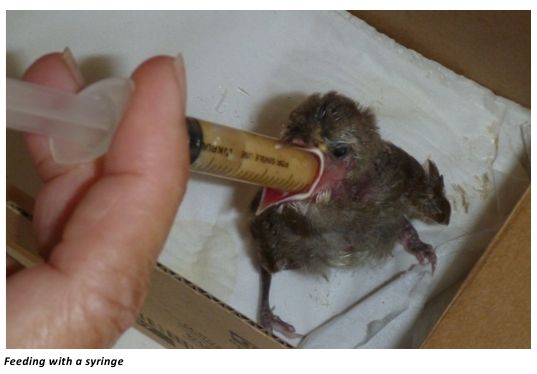
Use small spoons, droppers, or syringes designed for birds. Avoid using sharp or rough tools that can hurt the baby. Clean tools before and after each feeding session. Check that the tool’s tip is soft and smooth. Never force food into the bird’s mouth. Let the bird open its mouth naturally. Always keep tools sterile to stop bacteria growth. Replace damaged or worn tools right away.
Feeding Schedule
Setting a proper feeding schedule is vital for a baby bird’s growth and health. Baby birds need food often because they burn energy quickly. Their feeding needs change as they grow, so adjusting the schedule is important. A well-planned routine helps prevent hunger and overfeeding. Watch the bird’s behavior to know when to feed and when to stop. Consistency gives the baby bird comfort and security during this delicate stage.
Frequency By Age
Newborn baby birds need feeding every 15 to 20 minutes. This means about 20 to 30 times a day during daylight. As they grow, feeding frequency decreases. At one week old, feed every 30 minutes to an hour. By two weeks, feeding can be every 1 to 2 hours. After three weeks, feed every 3 to 4 hours. Near fledging, baby birds eat less often but need more food each time. Adjust feeding times with the bird’s age and size.
Signs Of Fullness And Hunger
Baby birds open their mouths wide and chirp loudly when hungry. They might also stretch their necks upward eagerly. When full, they close their beaks or turn away from food. Full birds become calm and stop begging. Overfeeding can cause swollen crops or discomfort. Look for a soft, rounded crop after feeding. A hard or empty crop signals hunger. Learn these signs to feed the right amount at the right time.

Credit: www.wmra.org
Common Mistakes To Avoid
Feeding a baby bird is a delicate task, and avoiding common mistakes can make all the difference in its survival and growth. Many well-meaning caregivers unknowingly harm the chick by offering the wrong foods or feeding incorrectly. Understanding what to avoid helps you provide the best care and ensures your little bird thrives.
Foods To Never Feed
Not all foods are safe for baby birds. Some can cause choking, poisoning, or malnutrition. Avoid giving:
- Milk and dairy products:Birds lack the enzymes to digest lactose, leading to stomach upset.
- Bread and processed foods:These offer little nutrition and can cause digestive problems.
- Avocado:Contains persin, which is toxic to many bird species.
- Chocolate and caffeine:Both are poisonous and should never be given.
- Salt and sugary snacks:Can cause dehydration and organ damage.
Have you ever thought that feeding a baby bird something as simple as bread could actually be harmful? It’s a common mistake that can stunt their growth.
Overfeeding Risks
Giving too much food might seem like you’re helping, but it can be dangerous. Overfeeding can cause choking or lead to a swollen, unhealthy crop.
Watch for signs like lethargy, vomiting, or difficulty breathing. These can indicate you’ve fed too much or too quickly.
Feeding on a strict schedule and offering the right amount based on the baby bird’s size and age is crucial. Have you noticed how tiny changes in feeding volume can impact their health? Paying close attention to these details protects your bird’s wellbeing.
Monitoring Growth And Health
Keeping a close eye on your baby bird’s growth and health is essential for its survival and well-being. Monitoring helps you spot potential problems early and adjust feeding routines to meet its needs. Your attention can make all the difference in nurturing a strong, healthy bird.
Weight Tracking
Regularly weighing your baby bird gives you clear insights into its growth progress. Use a small digital scale to measure weight daily or every other day at the same time. Tracking these numbers helps you know if your feeding amounts are enough or need adjustment.
Keep a simple chart or notebook to record weights. Look for steady gains—small increases each day are a good sign. If the weight stays the same or drops, it’s a red flag that something might be wrong.
Recognizing Illness Symptoms
Early signs of illness in baby birds can be subtle but critical to catch. Watch for changes like:
- Fluffed-up feathers when the bird should be sleek
- Lethargy or lack of movement
- Loss of appetite or refusal to eat
- Unusual droppings in color or consistency
- Labored breathing or constant chirping
Trust your instincts—if something feels off, don’t wait. Contact a vet or bird expert right away. Your quick action can prevent minor issues from becoming life-threatening.
Transitioning To Solid Food
Transitioning your baby bird to solid food is a crucial stage in its growth. It helps build strength, independence, and sets the foundation for a healthy diet. This process requires patience and close attention to your bird’s cues.
When To Start
Watch for signs your baby bird is ready for solid food. These include less frequent begging, increased curiosity, and attempts to peck at objects. Usually, this happens around 3 to 4 weeks of age, but timing can vary depending on the species.
Start by offering soft, easily digestible foods. You might notice your bird trying to nibble on soft fruits or soaked pellets. Don’t rush; introducing solids too early can cause digestive problems.
Introducing New Textures
Begin with smooth, mashed foods before moving to chunkier textures. You could offer mashed bananas, cooked sweet potatoes, or finely chopped greens. Changing textures gradually helps your bird adapt without stress.
Pay attention to your bird’s reactions. If it struggles or refuses, slow down the transition. Mixing old food with new textures can ease the change and encourage acceptance.
Have you noticed how your baby bird’s preferences evolve as you introduce new textures? This phase is a great opportunity to learn what foods your bird enjoys and tolerate best, shaping lifelong eating habits.

Credit: www.youtube.com
Frequently Asked Questions
What Do Baby Birds Eat In The Wild?
Baby birds primarily eat insects, worms, and regurgitated food from parents. These provide essential protein and nutrients for growth and development.
Can I Feed Baby Birds Bread Or Milk?
No, avoid bread and milk. These can cause malnutrition and digestive issues. Use specialized bird formula or natural insect-based foods.
How Often Should Baby Birds Be Fed?
Feed baby birds every 15 to 20 minutes during daylight hours. Frequent feeding ensures they get enough energy to grow strong.
What Is The Best Homemade Food For Baby Birds?
Mix soaked dog kibble with hard-boiled eggs and baby bird formula. This provides protein, fats, and hydration crucial for their survival.
Conclusion
Feeding a baby bird requires care and attention. Choose the right food. Freshness matters. Avoid seasoned or processed foods. Hydration is crucial. Clean, fresh water should always be available. Observe the bird’s response to the diet. Adjust as necessary. Consult a vet for specific needs.
Patience and consistency are key. Your efforts ensure the bird grows healthy and strong. Keep learning and stay informed. Your knowledge makes a difference.