
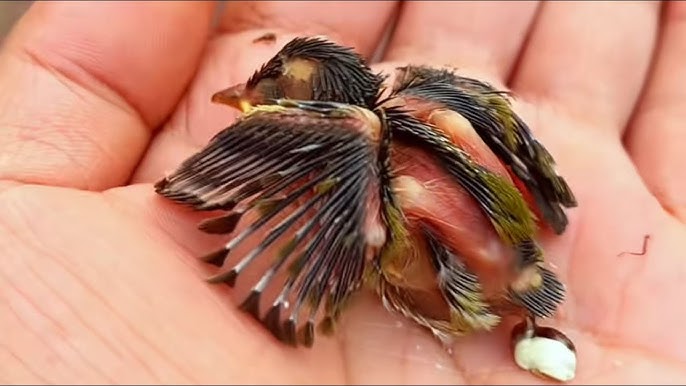
Have you ever found a tiny baby bird and wondered what to feed it? Knowing the right food can make all the difference in helping these fragile little creatures grow strong and healthy.
But feeding baby birds isn’t as simple as just giving them any food you have at home. You need to be careful, because the wrong food can harm them. You’ll discover easy, safe, and effective ways to feed baby birds right at home.
By the end, you’ll feel confident and ready to give your feathered friend the best care possible. Keep reading to learn exactly what you should—and shouldn’t—feed your baby birds.
Credit: besgroup.org
Identifying Baby Bird Needs
Understanding the needs of baby birds is crucial before deciding what to feed them at home. Each baby bird has unique requirements based on its age and species, which affect its diet and feeding schedule. Taking the time to identify these needs ensures the baby bird receives proper nutrition and grows healthy.
Age And Species Considerations
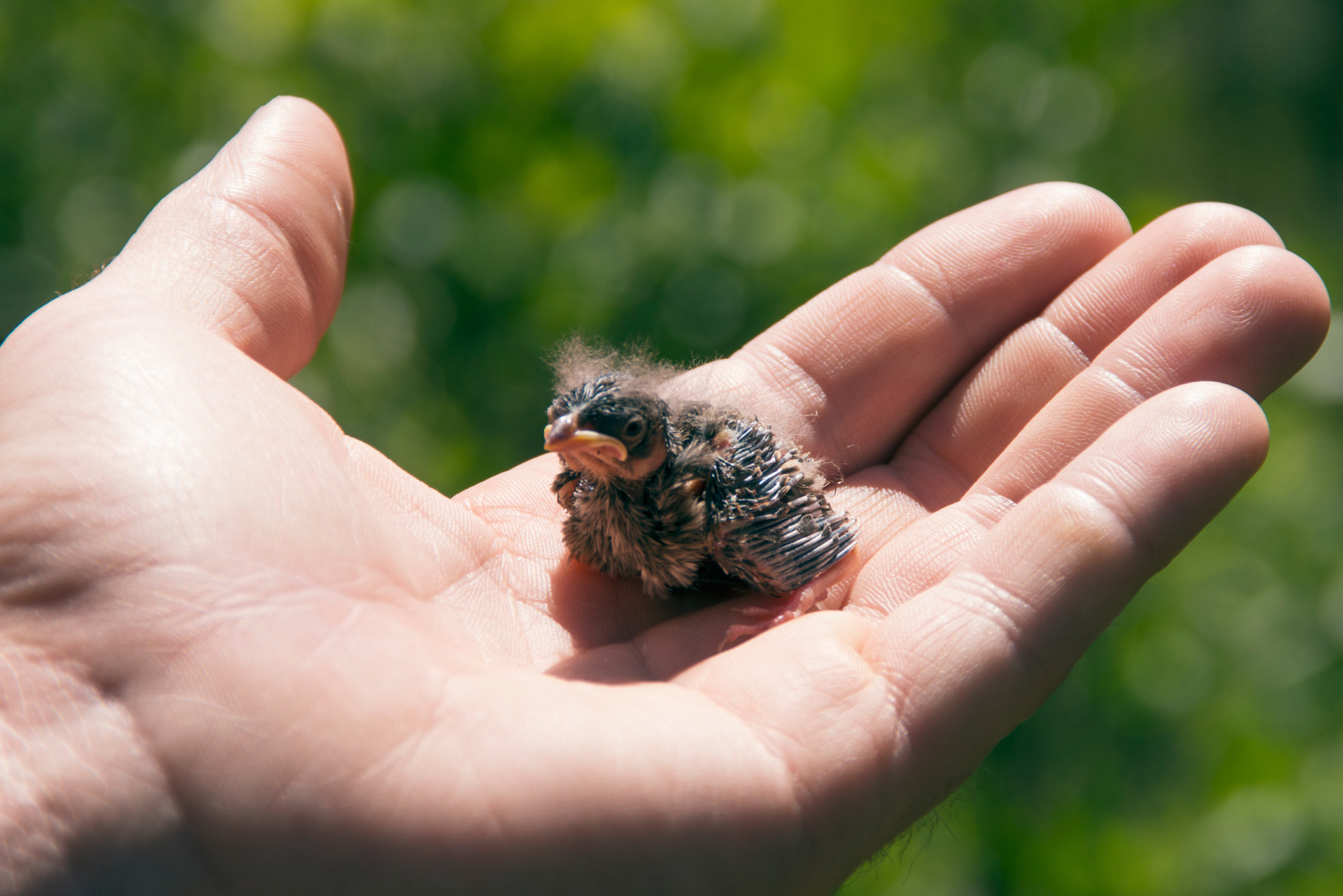
Baby birds’ diets change as they grow. Newly hatched birds need soft, easily digestible food like insects or regurgitated meals from their parents. Older nestlings can handle more solid food, including small seeds or fruits, depending on their species.
Different bird species have specific dietary habits. For example, hummingbird chicks require a sugar-water mix, while songbird babies thrive on protein-rich insects. Knowing the species helps you tailor feeding to what the baby bird naturally eats in the wild.
Common Nutritional Requirements
Regardless of species, baby birds need a balance of protein, fats, and carbohydrates for energy and growth. Protein is especially important as it supports feather development and muscle growth. Healthy fats provide energy, while carbohydrates help maintain stamina.
Calcium and vitamins also play a vital role. Calcium supports strong bones and beak formation, so adding crushed eggshells or supplements can be beneficial. Vitamins from fresh fruits and vegetables help boost the immune system and overall health.
Safe Foods For Baby Birds
Feeding baby birds at home needs care and safe food choices. Their small bodies need nutrients to grow strong. Providing the right food supports their health and development. Avoid anything harsh or toxic for these delicate creatures. Here are some safe food options to offer baby birds.
Protein Sources
Protein helps baby birds build muscles and tissues. Offer soft, easy-to-digest proteins like:
- Boiled egg yolk, mashed finely
- Cooked insects such as mealworms or crickets
- Plain, cooked chicken without seasoning
- Small amounts of cottage cheese or plain yogurt
These foods provide essential amino acids vital for growth. Avoid raw meats or anything with spices.
Fruits And Vegetables
Fruits and vegetables supply vitamins and hydration. Choose soft, mild options like:
- Mashed bananas or apples
- Cooked carrots or peas, finely chopped
- Grated zucchini or cucumber
- Small pieces of berries
Fresh and washed produce is best. Avoid citrus fruits or anything acidic. Always cut into tiny pieces to prevent choking.
Grains And Seeds
Grains and seeds add energy and fiber to baby birds’ diets. Suitable choices include:
- Soft-cooked rice or oatmeal
- Crushed millet or small birdseed blends
- Quinoa, cooked and cooled
Make sure grains are soft and easy to swallow. Do not feed large, hard seeds as they pose a choking risk.
Foods To Avoid
Feeding baby birds at home requires careful attention to what you offer them. Not all foods are safe, and some can cause serious harm or even be fatal. Knowing which foods to avoid is just as important as knowing what to feed them.
Toxic Ingredients
Certain ingredients are toxic to baby birds and should never be given. Avoid anything containing caffeine, chocolate, or alcohol. These substances can cause heart problems, seizures, or death.
Raw beans, especially kidney beans, contain toxins that interfere with digestion. Also, do not feed them avocado, as it contains persin, which is harmful to birds.
Have you ever wondered why wild birds avoid certain plants or berries? Many of those are toxic, and offering them to a baby bird could be dangerous.
Harmful Human Foods
Many human foods seem harmless but can upset a baby bird’s delicate digestive system. Stay away from salty, sugary, or fried foods. These can cause dehydration or digestive distress.
Milk and dairy products are also a bad choice. Baby birds cannot digest lactose, leading to stomach upset or worse.
It might be tempting to feed bread or processed snacks, but these provide little nutrition and can fill the bird up without giving energy. Instead, focus on natural, bird-safe options.
Credit: pethelpful.com
Preparing Homemade Bird Food
Preparing homemade bird food helps ensure baby birds get the nutrients they need. It allows control over ingredients and freshness. Homemade food supports growth and health better than many store options. Simple recipes and proper serving techniques make feeding easier and safer.
Simple Recipes
- Mix plain cooked oatmeal with mashed banana for a soft texture.
- Combine soaked dog kibble with warm water to create a mushy blend.
- Blend hard-boiled eggs with a little baby cereal for protein-packed meals.
- Use finely crushed dry cat food mixed with water for added nutrients.
- Add small amounts of plain yogurt to soften dry foods and aid digestion.
Mixing And Serving Tips
- Serve food at room temperature to avoid harming the birds.
- Use a small spoon or dropper to feed gently and slowly.
- Feed small portions often to match baby birds’ fast metabolisms.
- Keep feeding tools clean to prevent infections or illness.
- Discard any leftover food after two hours to avoid spoilage.
Feeding Techniques
Feeding baby birds at home requires careful attention to technique to ensure they get the nutrition they need without stress or harm. How you feed them can influence their growth and chances of survival. It’s not just about what you feed, but how often, with what tools, and how safely you handle the process.
Feeding Frequency
Baby birds need frequent feeding because they grow fast and have high energy needs. Depending on the species and age, you might feed them every 15 to 30 minutes during daylight hours. Younger chicks need more frequent meals, sometimes up to every 20 minutes, while older fledglings can be fed less often.
Pay close attention to the bird’s behavior. If it opens its mouth eagerly, it’s ready for food. If it seems full or disinterested, don’t force-feed. How often you feed directly impacts their health, so observe and adjust carefully.
Proper Feeding Tools
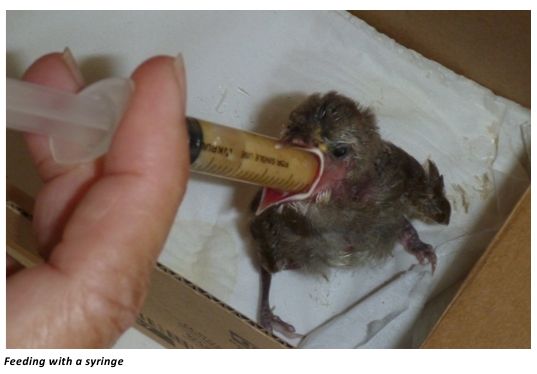
Using the right tools makes feeding safer and easier. Small syringes, eyedroppers, or specialized bird feeding tubes work well for delivering food gently. Avoid using large spoons or fingers, which can injure delicate mouths.
Choose tools that allow you to control the amount of food given. For example, a 1ml syringe helps you deliver small, precise amounts. Clean your tools thoroughly after each feeding to prevent infections.
Safety Measures
Safety during feeding is crucial to prevent choking or aspiration. Hold the baby bird upright or slightly tilted forward to help food go down the throat, not the windpipe. Never force the bird’s beak open or pour food quickly.
Always check the temperature of the food—it should be warm, not hot or cold. Cold food can cause digestive issues, while hot food can burn. Watch for signs of distress like coughing or struggling, and stop feeding immediately if they occur.
Monitoring Baby Bird Health
Monitoring the health of baby birds you care for at home is crucial to their survival and growth. Paying close attention to their physical condition and behavior can help you spot potential problems early. This way, you can adjust their feeding and care routine to meet their needs effectively.
Signs Of Good Nutrition
Healthy baby birds are usually active and responsive. Their feathers should look smooth and shiny, not ruffled or dull. Bright eyes and steady breathing are also good indicators of proper nutrition.
Another sign is a well-rounded body without visible bones, especially around the chest area. You might notice consistent weight gain over days, which shows they are getting enough food. If they beg eagerly at feeding time, it often means they are hungry and ready to eat.
When To Seek Expert Help
If you see any signs of weakness, such as lethargy, fluffed-up feathers, or difficulty breathing, it’s time to reach out to a wildlife rehabilitator or veterinarian. Sudden weight loss or refusal to eat are serious red flags you shouldn’t ignore.
Sometimes, baby birds may have injuries or infections that need professional care. Don’t hesitate to ask for advice if you’re unsure about their condition. Early intervention can make a big difference in their chances of survival.
Supporting Wild Baby Birds
Supporting wild baby birds requires careful attention and respect for nature. Many baby birds do not need human help and thrive best with their parents. Understanding when to step in and how to create a safe space encourages their growth without harm. This section guides you on how to support these fragile creatures thoughtfully.
When To Intervene
Not all baby birds need rescue. Most fledglings leave the nest before they can fly well. They stay on the ground while learning to fly and their parents watch closely. Only intervene if a baby bird is injured, cold, or in immediate danger from predators.
Signs to watch for include:
- Visible wounds or bleeding
- Extreme weakness or inability to move
- Exposure to harsh weather without shelter
- Being trapped in a dangerous place like a busy road
Contact a wildlife rehabilitator for advice before taking the bird. Avoid keeping wild birds at home unless advised by experts.
Creating A Bird-friendly Environment
Helping baby birds starts with making your yard safe and welcoming. Provide natural food sources and shelter to support their families. Plant native shrubs and trees that offer insects, berries, and hiding spots.
Simple steps include:
- Setting up shallow water dishes for drinking and bathing
- Keeping pets away from nesting areas
- Using bird feeders with seeds and suet for older birds
- Avoiding pesticides that harm insects baby birds eat
These actions help birds grow strong and independent in their natural home.
Credit: www.petsradar.com
Frequently Asked Questions
What Foods Are Safe For Feeding Baby Birds At Home?
Safe foods for baby birds include soaked dog or cat food, hard-boiled eggs, and finely chopped fruits. Avoid bread or milk, as they can harm birds. Always provide fresh water and feed small amounts frequently to mimic natural feeding.
How Often Should Baby Birds Be Fed Daily?
Baby birds need feeding every 15 to 20 minutes from sunrise to sunset. This frequent feeding supports their rapid growth. As they grow, feeding intervals can gradually increase. Consistency is crucial for their health and development.
Can I Feed Baby Birds With Store-bought Bird Food?
Store-bought bird food is often not suitable for baby birds. They require soft, protein-rich diets. Specialized hand-feeding formulas are better. Always check labels and consult wildlife experts before using commercial bird food.
Why Should I Avoid Giving Bread To Baby Birds?
Bread lacks essential nutrients and can cause malnutrition in baby birds. It also expands in their stomachs, leading to digestive issues. Instead, offer nutrient-dense foods that support healthy growth and development.
Conclusion
Feeding baby birds at home requires care and knowledge. Choose safe, nutritious foods like soft fruits or moistened dog food. Avoid feeding milk or bread. These can harm them. Always ensure food is bite-sized. Water is crucial, but offer it carefully.
Observe the birds’ reactions to different foods. Adjust as needed. Consult experts if unsure. Supporting young birds is rewarding. Your efforts make a difference. Remember, every little action helps them grow healthy. Keep learning and caring. Your love and attention matter.
Thank you for nurturing these little creatures. They thrive with your help.