
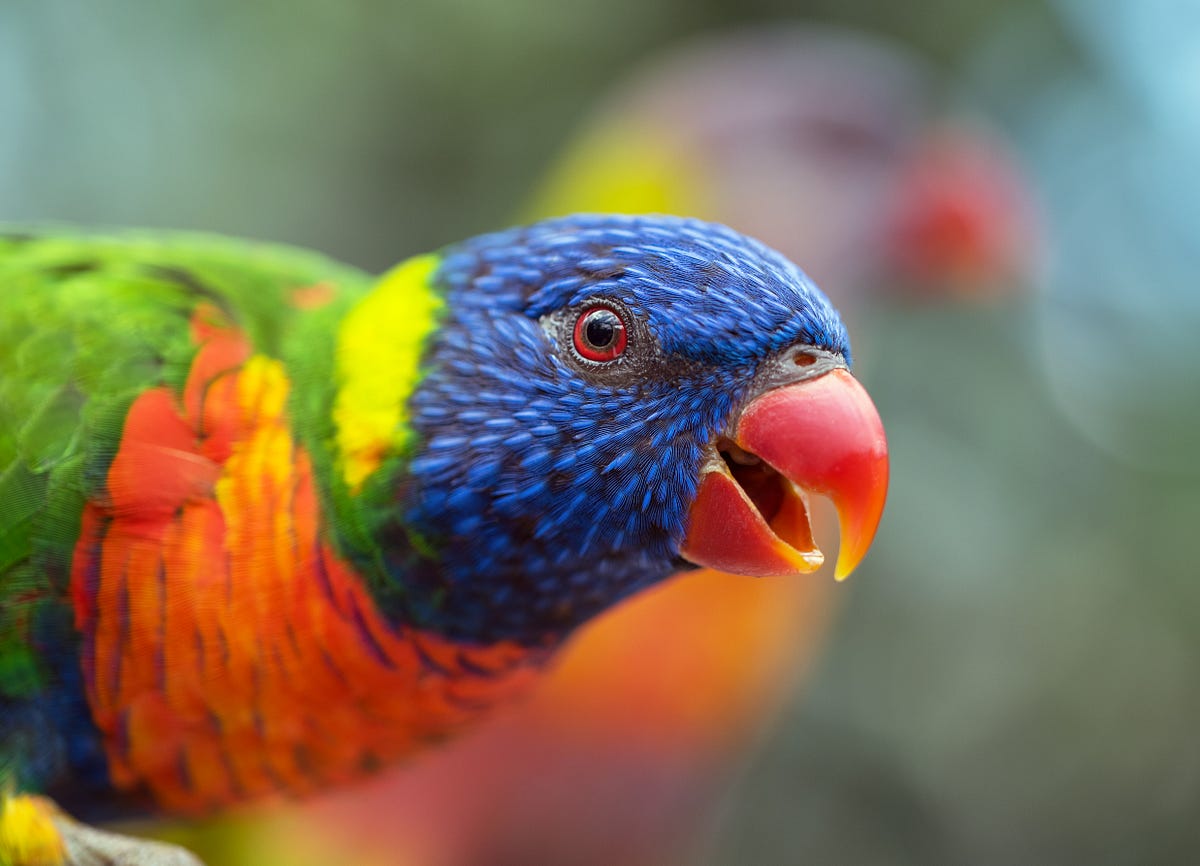
Have you ever wondered if feeding birds rice could harm them? You might have heard different opinions, and it can be confusing to know what’s true.
When you offer food to birds, you want to help, not hurt them. But is rice safe for birds to eat, or could it be deadly? Keep reading to discover the surprising facts that every bird lover should know before tossing that handful of rice.
Your birds’ health depends on what you feed them, so understanding the truth is more important than you think.

Credit: www.reddit.com
Rice And Bird Safety
Rice is a common food people often share with birds. Many wonder if feeding rice to birds is safe or harmful. Understanding how different types of rice affect birds and how birds digest food helps answer this question clearly.
Types Of Rice Birds Encounter
Birds may find various types of rice in gardens or parks. Common types include:
- White rice
- Brown rice
- Uncooked rice
- Cooked rice
White rice is polished and has fewer nutrients. Brown rice keeps its bran layer and contains more nutrients. Uncooked rice is hard and dry, while cooked rice is soft and moist.
Birds usually eat cooked or uncooked rice. Many people worry uncooked rice can expand inside birds and harm them. This idea is a myth. Birds’ stomach acids and muscles break down rice well, preventing damage.
Bird Digestion Basics
Birds have strong digestive systems designed to handle different foods. Their stomach has two parts:
- The proventriculus, which adds digestive juices
- The gizzard, which grinds food with small stones
This system helps birds digest hard foods like seeds and grains easily. Rice, either cooked or uncooked, breaks down in the bird’s stomach. The gizzard grinds rice into small pieces so birds can absorb nutrients.
Feeding birds small amounts of rice will not harm them. It is safe and can provide energy, especially during cold months. Large quantities of any food are not good for birds, so feed in moderation.

Credit: www.ctpost.com
Common Myths About Rice And Birds
Many people worry about feeding rice to birds. Rumors say rice can harm or even kill them. These stories cause confusion and fear. Understanding the truth helps keep birds safe.
Several myths about rice and birds have spread widely. These myths are not based on science. Knowing the facts stops unnecessary fear and helps people enjoy feeding birds without worry.
Rice Causes Birds To Explode
This myth is false. Some believe birds swallow rice and then burst. Birds do not explode from eating rice. No scientific evidence supports this claim. Birds eat many types of seeds that swell more than rice. Their digestive systems handle this safely.
Rice Expands In Bird Stomachs
People think rice grows bigger inside birds. This is not true. Cooked rice swells with water, but uncooked rice does not expand much. Birds eat dry rice or seeds that do not swell inside them. Their stomachs digest rice like other grains without harm.
Scientific Research On Birds And Rice
Scientific research has played a key role in clearing up the confusion about feeding birds rice. Many people worry that rice might harm birds, but studies and expert opinions tell a different story. Understanding what science says can help you make safe choices when feeding your feathered friends.
Studies On Bird Feeding Habits
Researchers have closely observed how birds interact with different types of food, including rice. These studies show that birds regularly eat grains similar to rice in the wild without any issues.
One study monitored wild birds that were given both cooked and uncooked rice. The results indicated no harm or digestive problems, even when birds consumed large amounts. This challenges the myth that rice causes birds to choke or their stomachs to explode.
Another interesting insight comes from observing how birds naturally handle seeds and grains. Birds have strong digestive systems designed to break down tough grains, which includes rice. So, when you feed rice, you’re actually offering a familiar type of food.
Evidence From Wildlife Experts
Wildlife experts have weighed in based on years of experience working with birds. Many have stated that rice is safe, debunking long-held fears passed down through generations.
Experts highlight that the idea of rice being dangerous likely started from misunderstandings or old myths. Bird rehabilitators often recommend rice as a nutritious option, especially during feeding or rescue scenarios.
Here are a few key points from wildlife professionals:
- Birds can safely eat both white and brown rice, cooked or uncooked.
- Rice offers carbohydrates and some nutrients beneficial to birds.
- Feeding rice in moderation is fine and does not pose a risk to bird health.
Have you ever noticed how birds quickly peck away at spilled rice at picnics or farms? That’s a real-world sign that rice fits naturally into their diet. Next time you want to feed birds, you can feel confident that rice won’t harm them and might even be a welcome treat.
Safe Feeding Practices
Feeding birds can be a joyful experience, but it’s important to do it safely. Not all foods are good for birds, and some can even harm them. Knowing which foods to offer and how to present them helps protect their health and keeps your feathered visitors coming back.
Alternative Bird Foods
Instead of rice, try offering these safe and nutritious options:
- Sunflower seeds:High in fat and protein, they attract many bird species.
- Millet:Small seeds perfect for ground-feeding birds like sparrows.
- Cracked corn:Great for larger birds such as pigeons and doves.
- Suet cakes:Provide energy, especially in colder months.
- Fresh fruits:Slices of apple, berries, or grapes can be a tasty treat.
Choosing these alternatives supports birds’ natural diets and avoids risks linked to uncooked rice or other unsafe foods.
Tips For Feeding Birds Responsibly
Think about the environment you create for the birds with your feeding habits. Keep feeders clean to prevent disease, washing them regularly with hot water and mild soap.
Offer food in moderation. Overfeeding can make birds dependent and disrupt their natural foraging behavior.
Place feeders where birds are safe from predators and away from busy human areas. Watching birds thrive in a safe space is more rewarding than a crowded feeder.
Have you noticed how birds prefer certain foods over others? Observing their choices helps you adjust what you provide, making feeding both safe and enjoyable for you and them.
Cultural Perspectives On Feeding Birds Rice
Feeding birds rice has deep roots in many cultures around the world. It’s not just about offering food; it often carries symbolic meanings and traditions that have been passed down for generations. Understanding these cultural perspectives can help you appreciate why rice is chosen and whether it’s safe for the birds.
Weddings And Traditions
Throwing rice at weddings is a long-standing custom in several cultures. The act is meant to symbolize prosperity, fertility, and good luck for the newlyweds. Many believe that birds eating the rice represent nature’s blessing on the union.
However, the type of rice matters. Traditionally, uncooked rice was used, but some worry it might harm birds. Yet, many cultural practices continue because they trust the rice won’t cause harm, especially in small quantities. Have you ever wondered if these traditions consider the health of local wildlife?
Global Views On Rice Feeding
Across the globe, attitudes towards feeding birds rice vary widely. In some Asian countries, rice is a staple food, and birds are often seen eating leftover grains without issue. This daily interaction shapes a different understanding compared to Western views.
In contrast, many Western wildlife experts advise against feeding birds uncooked rice, fearing it could expand in their stomachs and cause harm. Yet, studies have shown that common birds like pigeons and sparrows safely eat uncooked rice without problems.
What if your local bird species reacts differently? It’s worth researching specific birds in your area before tossing rice. Feeding birds is a personal experience, but knowing the cultural and scientific sides helps you make a better choice for your feathered friends.
What To Do If You Want To Feed Birds
If you want to feed birds, it’s important to do so in a way that supports their health and safety. Birds rely on natural diets, and not every food you might think is harmless truly is. Understanding what to offer and what to avoid can make your feeding efforts rewarding for both you and the birds visiting your yard.
Choosing The Right Food
Choose foods that closely match what birds naturally eat. Seeds like sunflower, millet, and nyjer are popular because many bird species enjoy them. Fresh fruits such as apples and berries can also be a good addition, but always remove any seeds that might be toxic.
Offering mealworms or suet can attract insect-eating birds, especially in colder months when natural food is scarce. You might notice more variety in bird species when you provide a mix of options. Have you ever watched birds pick their favorites? It’s fascinating how selective they can be.
Avoiding Harmful Substances
Never feed birds uncooked or raw rice. Contrary to old myths, dry or cooked rice won’t harm birds in small amounts, but large quantities can cause digestive problems. More importantly, avoid salty, sugary, or processed foods—they can be toxic or disrupt birds’ natural diets.
Stay away from bread, especially white bread. It lacks nutrition and can fill birds up without giving them energy or nutrients. Also, avoid foods with mold or additives. Always keep feeders clean to prevent disease spread. Have you checked your bird feeder’s cleanliness lately?

Credit: www.wildbirdscoop.com
Frequently Asked Questions
Will Feeding Birds Rice Cause Them To Die?
No, feeding birds rice will not kill them. Birds can safely eat uncooked and cooked rice without harm. The myth that rice expands and kills birds is false and unsupported by scientific evidence.
Is Cooked Rice Safe For Wild Birds?
Yes, cooked rice is safe for wild birds to eat. It is easy for birds to digest and provides a good source of energy. Avoid adding salt or spices, as these can be harmful to birds.
Can Birds Eat Uncooked Rice Without Problems?
Birds can eat uncooked rice without issues. Contrary to popular belief, uncooked rice does not expand dangerously inside birds. It is a suitable food option for feeding wild birds.
Why Do People Believe Rice Harms Birds?
The belief comes from the myth that rice expands in birds’ stomachs. This myth lacks scientific support and is not based on bird biology. Feeding birds rice is generally safe and does not cause harm.
Conclusion
Feeding birds rice is a common concern. Rest assured, birds can digest cooked rice safely. Uncooked rice expands in water, but birds can still eat it. Many birds enjoy rice as a treat. Always offer rice in moderation. Variety in bird diets is key.
Include seeds, grains, and fruits too. Observe your local birds’ preferences. Ensure clean, fresh water is available. Keep feeding areas clean to prevent disease. Learning about bird diets enhances their well-being. Enjoy watching birds thrive in your garden.