
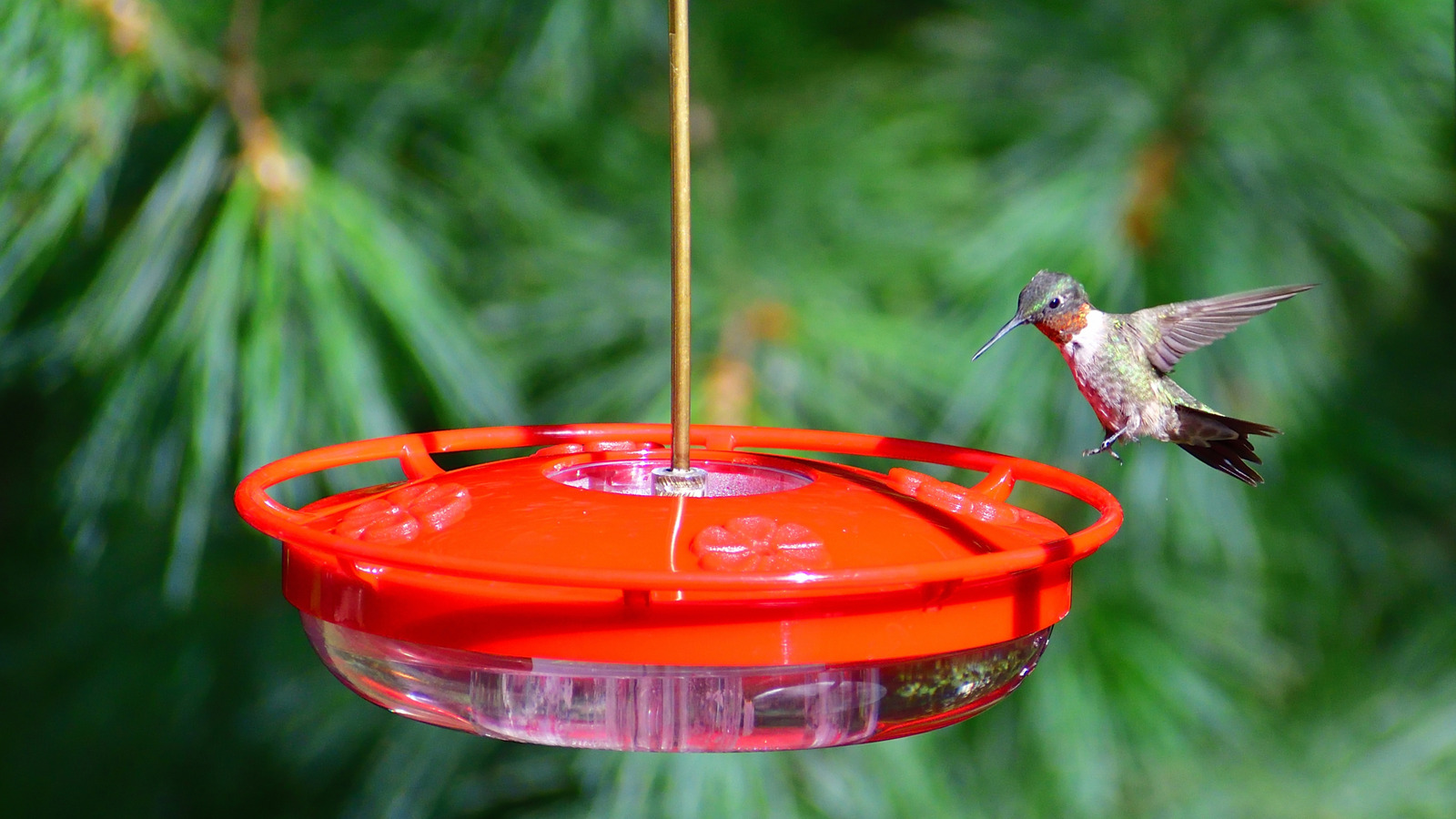
You love watching hummingbirds visit your feeder, bringing a burst of color and life to your garden. But what happens when you notice mold growing inside that feeder?
You might wonder, “Will mold in my hummingbird feeder kill the birds? ” This is a serious concern because what you put out for these tiny creatures can affect their health. You’ll discover the risks mold poses to hummingbirds and simple steps you can take to keep your feeder safe and inviting.
Keep reading to protect your feathered friends and enjoy their visits worry-free.

Credit: www.familyhandyman.com
Mold Growth In Hummingbird Feeders
Mold growth in hummingbird feeders is a common issue that can quickly turn a sweet treat into a health hazard for your feathered visitors. If you’ve ever noticed a cloudy film or dark spots inside your feeder, mold is likely the culprit. Understanding how mold develops and what types commonly appear can help you protect the hummingbirds you care about.
Common Causes Of Mold
Mold thrives in warm, moist environments, which makes hummingbird feeders a perfect breeding ground. Stagnant nectar left for too long encourages mold spores to multiply rapidly.
Here are some everyday factors that cause mold in your feeder:
- Leaving nectar in the feeder for more than 3-4 days, especially in hot weather.
- Exposure to direct sunlight, which warms the nectar and speeds up spoilage.
- Using homemade nectar with impurities or not cleaning the feeder regularly.
- Humidity and poor ventilation around the feeder area.
Have you checked how often you refill and clean your feeder lately? A small change in your routine can make a big difference.
Types Of Mold Found
Not all mold looks the same. Some molds appear as fuzzy white patches, while others may be green, black, or even pink. The most common molds found in hummingbird feeders include:
| Mold Type | Appearance | Impact on Hummingbirds |
|---|---|---|
| Aspergillus | Greenish to black, powdery texture | Can cause respiratory issues and infections in birds |
| Penicillium | Blue-green, fuzzy growth | May lead to weakened immune systems |
| Cladosporium | Olive-green to black, powdery spots | Potential allergen and irritant for birds |
Recognizing these molds early allows you to act before your hummingbirds are at risk. Are you inspecting your feeder closely enough to spot these signs?
Credit: www.highlandernews.com
Health Risks To Hummingbirds
Health risks from mold in hummingbird feeders are real and should not be ignored. Mold grows quickly in sugary nectar, creating harmful toxins that can affect your feathered visitors. Understanding these risks helps you protect your birds and keep your feeder safe.
Effects Of Mold Ingestion
When hummingbirds consume moldy nectar, they may ingest dangerous mycotoxins. These toxins can weaken their immune systems, making them vulnerable to infections. In some cases, mold ingestion leads to digestive issues and can even be fatal.
I once noticed a sudden drop in hummingbird visits after leaving a feeder uncleaned for a week. A closer look revealed black mold inside the feeder. It was clear that the birds avoided the contaminated source, likely due to the health threat it posed.
Signs Of Illness In Birds
Spotting sick hummingbirds early can save their lives. Watch for signs like lethargy, fluffed feathers, and difficulty flying. Birds may also show weight loss or stop visiting feeders altogether.
If you see these symptoms, clean your feeder immediately and replace the nectar. Providing fresh, mold-free food is the best way to help your hummingbirds stay healthy and strong.
Feeder Maintenance Tips
Keeping your hummingbird feeder clean is vital for the health of the birds. Mold can grow quickly in sugary nectar, causing harm to these tiny creatures. Regular maintenance stops mold buildup and keeps the feeder safe.
Cleaning Frequency
Clean the feeder at least once a week. In hot weather, increase cleaning to every two or three days. Mold grows faster in warm, moist conditions. Empty old nectar before refilling with fresh sugar water. Frequent cleaning prevents mold and protects birds from illness.
Safe Cleaning Methods
Use warm water and mild soap to wash the feeder parts. Avoid harsh chemicals that can harm birds. A small brush helps reach tight spots. Rinse thoroughly to remove all soap. Soaking the feeder in a vinegar solution for 10 minutes kills mold spores. Rinse well before refilling to ensure safety.

Credit: www.reddit.com
Sugar Water Preparation
Preparing sugar water correctly is key to keeping hummingbirds healthy. The right mix feeds them well and stops mold growth. Bad sugar water can cause mold, which harms the birds. Simple steps make safe nectar for your feeders.
Proper Sugar Ratios
The ideal sugar to water ratio is one part sugar to four parts water. Use white granulated sugar only. Avoid honey or brown sugar; they spoil quickly. Boil water before mixing to kill any germs. Let the solution cool before filling the feeder.
Too much sugar causes fermentation and mold growth. Too little sugar won’t provide enough energy for the birds. This balance keeps the nectar fresh and safe.
Avoiding Additives
Do not add food coloring or preservatives. These chemicals can harm hummingbirds. Plain sugar water is the safest choice. Some believe red dye attracts birds, but feeders already have red parts. Additives encourage mold and bacteria growth.
Clean feeders often and change nectar every few days. This practice prevents mold and protects your hummingbirds from illness.
Alternatives To Store-bought Feeders
Store-bought hummingbird feeders can be convenient, but they often come with problems like mold growth, which can harm the birds you want to attract. Luckily, there are alternatives that help you keep your hummingbird friends safe and happy. These options let you control the materials and design to reduce mold and make cleaning easier.
Diy Feeder Ideas
Creating your own hummingbird feeder can be a fun and rewarding project. You can use simple household items like glass jars, small bowls, or even old wine bottles. These containers are easy to clean thoroughly, which helps prevent mold from developing.
One favorite DIY design is using a small glass jar with a shallow dish glued on top as a feeding port. This setup allows you to replace nectar regularly and clean each part easily. Have you tried using bright red paint or tape on your homemade feeder? It attracts hummingbirds without relying on plastic parts that can trap mold.
Materials Resistant To Mold
Choosing the right materials can make a big difference in preventing mold growth. Glass and stainless steel are great options because they don’t absorb moisture and can be cleaned with hot water without damage. Plastic feeders, especially those with many crevices, tend to trap moisture and sugar residue, creating perfect mold conditions.
Consider feeders made from borosilicate glass or food-grade stainless steel—they last longer and stay cleaner. Silicone parts can also be helpful since they resist mold better than some plastics and are easy to detach for cleaning. What materials have you found easiest to maintain mold-free in your bird feeding routine?
Monitoring And Preventing Mold
Monitoring and preventing mold in your hummingbird feeder keeps birds safe and healthy. Mold grows quickly in warm, damp environments. It can harm hummingbirds by causing illness or deterring them from feeding. Regular care helps stop mold before it becomes a problem. Simple habits protect your feeders and the birds that visit.
Environmental Factors
Warm temperatures and sunlight encourage mold growth. High humidity also supports mold spores. Place feeders in shaded areas to reduce heat exposure. Avoid spots near dense plants that trap moisture. Use fresh nectar made with clean water to limit mold nutrients. Change the nectar frequently, especially in hot weather.
Routine Inspections
Check feeders every day for signs of mold or spoilage. Look inside the feeder and around feeding ports. Clean feeders thoroughly at least once a week. Use hot water and a soft brush to remove residue. Avoid harsh chemicals that may harm birds. Dry feeders completely before refilling with fresh nectar.
Frequently Asked Questions
Can Mold In Feeders Harm Hummingbirds?
Yes, mold in feeders can harm hummingbirds. Mold produces toxins that may cause illness or death if ingested by birds.
How Often Should I Clean Hummingbird Feeders?
Clean feeders every 3 to 5 days during warm weather. Frequent cleaning prevents mold growth and keeps birds healthy.
What Are Safe Cleaning Methods For Feeders?
Use hot water and mild soap or a vinegar solution. Avoid harsh chemicals that could harm the birds.
Can Moldy Nectar Kill Hummingbirds Instantly?
Moldy nectar rarely kills instantly but can cause serious health problems. Prolonged exposure weakens birds and increases mortality risk.
Conclusion
Mold in hummingbird feeders can harm the birds visiting them. Keep feeders clean to protect these vibrant creatures. Regular cleaning prevents mold growth. Use hot water and a mild soap. Rinse thoroughly. Dry completely before refilling. Fresh nectar is essential for bird health.
Change it every few days, especially in warm weather. Healthy hummingbirds need clean, mold-free feeders. Your careful attention helps them thrive. A simple routine can make a big difference. Keep feeders safe and enjoyable for your feathered visitors. Protecting hummingbirds ensures their presence in your garden.
Enjoy their beauty and energy every day.