
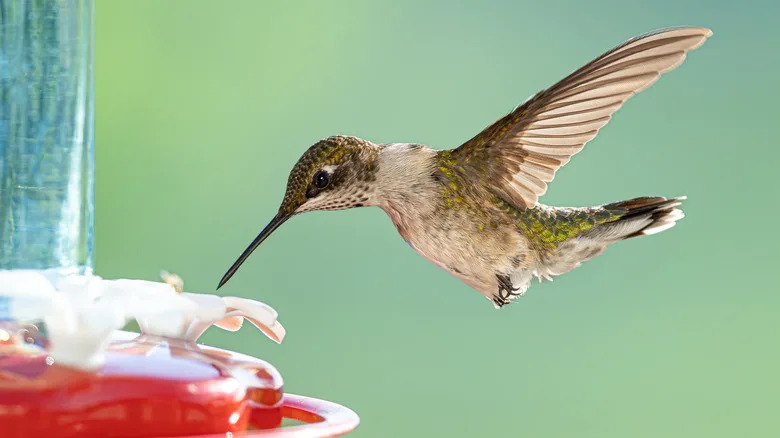
Have you ever set up a hummingbird feeder, only to find it empty and no tiny visitors in sight? It can be frustrating when those vibrant, buzzing birds don’t come back to your feeder.
You might wonder what went wrong or if there’s something you can do to invite them back. The truth is, several surprising factors could be keeping hummingbirds away from your feeder. Keep reading, and you’ll discover the simple fixes that can bring these delightful creatures fluttering back to your yard.
Common Feeder Issues
Many hummingbirds stop visiting feeders due to common problems. These issues affect their comfort and safety. Understanding these problems helps keep feeders attractive to hummingbirds. Simple fixes can bring them back quickly.
Dirty Feeders
Dirty feeders can scare hummingbirds away. Mold and bacteria grow fast on leftover nectar. These can harm the birds or make the food taste bad. Clean feeders every few days. Use hot water and a brush to remove all dirt.
Old Nectar
Old nectar ferments and loses sweetness. Hummingbirds avoid sour or spoiled nectar. Replace nectar every two to three days, especially in warm weather. Fresh nectar always attracts more birds. Use a simple sugar-water mix with no additives.
Incorrect Feeder Placement
Placement affects hummingbird visits. Too much sun heats nectar quickly and spoils it. Too much shade may hide the feeder from birds. Place feeders near flowers and safe spots. Avoid windy or busy areas that frighten hummingbirds.

Credit: www.yahoo.com
Environmental Factors
Environmental factors play a huge role in whether hummingbirds return to your feeder. These tiny birds are sensitive to changes in their surroundings, and even small shifts can make them avoid your feeder altogether. Understanding these factors helps you create a safer and more inviting space for them.
Predators Nearby
Hummingbirds are always on alert for predators like cats, larger birds, and even spiders. If your feeder is close to a spot where predators lurk, hummingbirds will avoid it to stay safe.
Have you noticed less activity near your feeder when neighborhood cats roam around? That’s a clear sign. Try moving the feeder to a more open area where predators have less cover. Adding some distance between feeders and nearby shrubs or tall plants can reduce predator threats.
Harsh Weather Conditions
Strong winds, heavy rain, or extreme heat can discourage hummingbirds from visiting. These weather conditions make it harder for them to feed and conserve energy.
During a particularly windy spring, I saw my feeder go unused for days. Placing your feeder in a sheltered spot can help protect it from harsh weather. You might also want to check the feeder more often during bad weather to ensure it’s clean and full.
Seasonal Migration
Hummingbirds migrate depending on the season and availability of food. If your feeder suddenly goes empty, it could mean the birds have moved on to their next destination.
Tracking migration patterns in your area can give you clues about when to expect hummingbirds. You can find local birdwatching groups or online resources to stay updated. Providing feeders during peak migration times increases your chances of regular visits.
Feeder Design Problems
Hummingbirds are picky guests. If your feeder design has flaws, it can quickly drive these tiny visitors away. Even a small issue can make a big difference in whether a hummingbird decides to return or flies off in search of better options.
Poor Feeding Ports
Feeding ports that are too small or hard to access frustrate hummingbirds. If the holes don’t allow easy access to nectar, the birds won’t stick around. I once had a feeder with tiny, narrow ports that seemed perfect, but I rarely saw any hummingbirds near it.
Check if your feeding ports are smooth and wide enough for a hummingbird’s beak. Also, avoid designs where ports get clogged easily. Regular cleaning helps, but a poorly designed port means constant problems.
Inadequate Perches
Many hummingbirds like to rest while feeding. If your feeder lacks sturdy, comfortable perches, the birds might skip it. I noticed that after adding simple perches, the same feeder that once went ignored became a hummingbird hotspot.
Perches give hummingbirds a place to pause and feed without using too much energy. Make sure they are placed near the feeding ports but don’t block access. Tiny, unstable perches won’t do the trick.
Unattractive Colors
Color matters more than you might think. Hummingbirds are drawn to bright shades, especially red. Feeders that are dull or too plain often fail to catch their attention.
If your feeder is mostly clear or in colors like blue or green, try adding red accents or switching to a red feeder. You might be surprised how quickly hummingbirds notice a splash of color and start visiting.
Competition And Territory
Hummingbirds are small but fierce when it comes to protecting their food sources. Competition and territory play a big role in whether they visit a feeder again. When too many birds want the same feeder, some may stop coming altogether. The way hummingbirds act toward each other affects feeder visits.
Aggressive Birds
Some hummingbirds act very aggressively near feeders. They chase others away to keep the nectar all for themselves. This behavior can scare away shy or smaller hummingbirds. Aggressive birds often dominate feeders, pushing others to find food elsewhere.
Overcrowding
Too many hummingbirds at one feeder causes overcrowding. When space is tight, birds feel stressed and unsafe. Overcrowding can lead to fights and less feeding time. Birds may avoid feeders that have too many visitors at once.
Territorial Behavior
Hummingbirds mark and defend their feeding areas strongly. They use quick flights and loud calls to warn others. If a bird feels its territory is threatened, it may stop visiting the feeder. Territorial disputes can reduce feeder visits and cause some birds to leave.
Nectar Preferences
Hummingbirds are incredibly particular about the nectar they consume, and their preferences can greatly impact whether they return to your feeder. Understanding what they like—and dislike—about the nectar you provide is key to keeping these tiny visitors coming back. Let’s look closely at their nectar preferences and how you can adjust your feeder to suit their tastes.
Sugar Concentration
The right sugar concentration in nectar is crucial. Most hummingbirds prefer a solution that mimics the natural nectar found in flowers, usually around 20-25% sugar by volume. If the mixture is too strong or too weak, hummingbirds might ignore the feeder.
Try mixing 1 part white granulated sugar with 4 parts water. Avoid using honey or brown sugar, as they can ferment quickly or cause mold. Have you tested different sugar ratios to see what attracts hummingbirds in your area?
Use Of Artificial Sweeteners
Artificial sweeteners don’t work for hummingbirds. Despite being sweet to humans, these substitutes lack the necessary energy content that hummingbirds need. Using them can cause the birds to avoid your feeder altogether.
Many people switch to artificial sweeteners thinking it’s healthier or safer, but this often backfires. Stick to plain sugar water, which provides the quick energy hummingbirds rely on during their high metabolism flights.
Preference For Natural Flowers
Hummingbirds often prefer nectar from real flowers over feeders. Natural flowers offer more than just sugar—they provide subtle chemical cues and nutrients that feeders can’t replicate. If your feeder is too far from flowering plants, they might skip it.
Consider planting native, nectar-rich flowers near your feeder. This creates a more inviting environment and encourages hummingbirds to visit more frequently. What types of flowers are common in your area that could complement your feeder?

Credit: www.birdwatchingdaily.com
Maintenance Tips To Attract Hummingbirds
Keeping hummingbirds coming back to your feeder depends a lot on how well you maintain it. Neglecting simple upkeep can drive these tiny visitors away without you realizing why. Let’s look at some easy maintenance tips that can help you keep your feeder inviting and safe for hummingbirds.
Regular Cleaning
Cleaning your feeder often is essential. Hummingbirds are sensitive to mold and bacteria, which can grow quickly in sugary nectar. Wash the feeder with hot water and a mild soap every 2-3 days to prevent any build-up.
Rinse thoroughly to remove any soap residue. Avoid using harsh chemicals since they can harm the birds. Have you noticed that once you start cleaning regularly, your hummingbirds return more eagerly?
Fresh Nectar Preparation
Fresh nectar is the key to attracting hummingbirds. Mix four parts water with one part white granulated sugar—never use honey or artificial sweeteners. Boil the water first to dissolve the sugar and kill any impurities.
Let the nectar cool before filling the feeder. Change the nectar every two to three days, especially in warm weather, to avoid fermentation. You might find it surprising how quickly nectar spoils in summer heat!
Optimal Feeder Placement
Where you place your feeder makes a big difference. Choose a spot that offers some shade during the hottest part of the day to keep the nectar fresh longer. Also, place the feeder where you can see it easily but it’s protected from strong winds.
Consider putting it near flowers that attract hummingbirds to create a natural feeding zone. Do you think you might be missing out by placing feeders in the wrong spot?

Credit: www.birdwatchingdaily.com
Frequently Asked Questions
Why Do Hummingbirds Stop Visiting Feeders Suddenly?
Hummingbirds may leave feeders due to spoiled nectar, predator presence, or feeder placement issues. Regular cleaning and fresh nectar attract them back.
How Often Should I Clean My Hummingbird Feeder?
Clean feeders every 2-3 days to prevent mold and bacteria growth. Fresh nectar encourages hummingbirds to return consistently and stay healthy.
Can Weather Affect Hummingbirds Visiting Feeders?
Yes, extreme heat, cold, or storms reduce hummingbird visits. They prefer calm, mild weather for feeding and may avoid feeders during harsh conditions.
Does Feeder Location Impact Hummingbird Visits?
Yes, placing feeders in visible, shaded, and quiet spots increases visits. Avoid areas near predators or heavy foot traffic to keep hummingbirds comfortable.
Conclusion
Hummingbirds may avoid feeders for several reasons. Cleanliness matters. A dirty feeder turns them away. Fresh sugar water is crucial. Old nectar doesn’t attract. Location plays a role too. Place feeders in a quiet spot. Avoid areas with predators. Consider feeder design.
Some types are more inviting. Planting flowers nearby helps too. They love natural nectar sources. Watch and adjust as needed. Small changes can bring them back. Patience is key. Keep observing and learning. Your efforts will pay off. Hummingbirds will soon return to your feeder.
Enjoy their presence in your garden.