
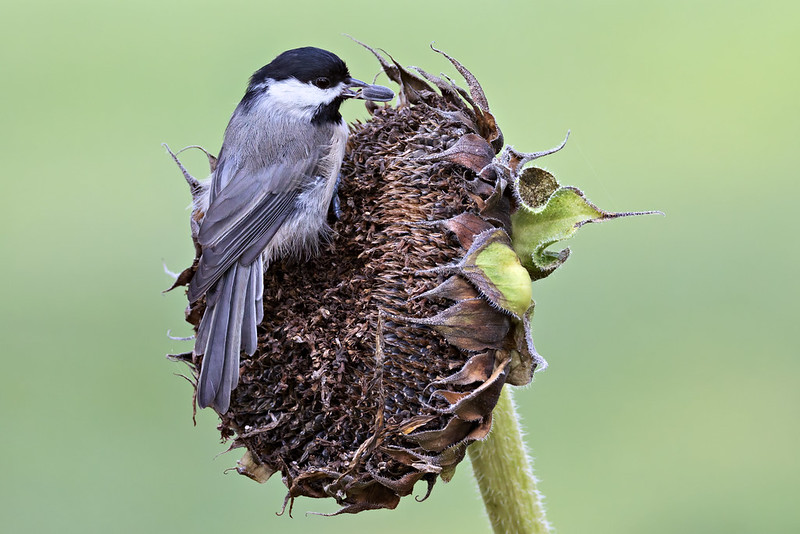
Have you ever found a tiny chickadee that needs your help? Feeding a fledgling bird can feel tricky and a bit overwhelming.
You want to make sure you’re giving the right food at the right time to help it grow strong. In this guide, you’ll discover simple, clear steps to feed a chickadee chick carefully and confidently. Keep reading—you’ll learn how to give your feathered friend the best start possible.
Identifying A Fledgling Chickadee
Spotting a fledgling chickadee can be tricky, especially if you’re new to birdwatching or wildlife care. These young birds look quite different from adults, and their behavior can signal if they truly need help or if nature is just doing its thing. Learning to identify a fledgling chickadee correctly is crucial before deciding to feed or intervene.
Physical Characteristics
Fledgling chickadees have a softer, fluffier appearance compared to adults. Their feathers are not fully developed, often looking patchy or downy, especially around the head and wings.
They tend to be smaller and may have a slightly larger head in proportion to their body. Look closely at their beak, which is shorter and may still show signs of being a baby bird’s beak, such as a slight yellowish tint at the edges.
Have you noticed their eyes? Fledglings often have eyes that appear larger in relation to their face, giving them a wide-eyed look. This is a clear sign you’re looking at a young chickadee.
Behavioral Signs
Fledgling chickadees are active but clumsy. They hop awkwardly and may flutter their wings without fully flying yet. You might see them exploring nearby branches or the ground but staying close to protective cover.
Unlike nestlings, fledglings are usually alert and responsive to sounds around them. They often call out with soft, begging chirps to their parents but lack the strong, clear calls of adults.
If you observe a chickadee sitting still for a long time or showing signs of distress, it might be in trouble. But if it moves around and responds to its environment, it’s likely learning to survive on its own.
When To Intervene
It’s tempting to step in when you see a tiny bird alone, but not all fledglings need rescuing. If the chickadee is feathered and hopping around, it’s usually best to let nature take its course.
Intervene only if you see obvious signs of injury or if the bird is in immediate danger, like being trapped somewhere or exposed to predators. Also, if the fledgling is cold, lethargic, or silent for long periods, it might need your help.
Ask yourself: Is the bird truly abandoned, or are the parents nearby and watching? Often, adult chickadees stay hidden close by, ready to feed their young when the coast is clear.
Preparing The Feeding Environment
Preparing the feeding environment is key to helping a fledgling chickadee grow strong and healthy. The space where you feed the bird should feel safe and calm. Proper nesting materials and temperature control play important roles. These factors reduce stress and mimic natural conditions for the chickadee.
Safe And Quiet Space
Choose a spot away from noise and sudden movements. Loud sounds scare young birds easily. A quiet corner inside your home works well. Avoid places with pets or children nearby. Keep the area clean to prevent germs. Safety helps the chickadee feel secure and relaxed.
Suitable Nesting Materials
Use soft, natural materials to line the feeding area. Shredded paper, dry grass, or cotton fibers are good choices. Avoid materials that can tangle or harm the bird. Provide enough cushioning to support the chickadee’s small body. Replace materials regularly to keep the nest fresh and dry.
Temperature Control
Maintain a warm environment around 85°F (29°C) for very young chicks. Use a heat lamp or heating pad set on low. Place the heat source near the nest, not directly on it. Monitor the temperature often to avoid overheating. Warmth helps the fledgling stay comfortable and healthy.
Choosing The Right Food
Feeding a fledgling chickadee requires careful food choices. Their young bodies need proper nutrients for growth and energy. Providing the right food supports their health and development. Understanding what chickadees naturally eat helps in selecting suitable options.
Natural Diet Components
Chickadees mainly eat insects and seeds. Insects provide protein vital for muscle and feather growth. Seeds offer fats and carbohydrates for energy. Small berries also add vitamins and minerals. Young chickadees need soft, easy-to-digest food. Natural diet includes:
- Small caterpillars and larvae
- Aphids and spiders
- Soft seeds like sunflower kernels
- Berries such as elderberries and blueberries
Recommended Commercial Foods
Commercial foods can help when natural options are unavailable. Choose high-quality bird food with no additives. Look for:
- Insect-based bird formulas
- Pellets made for insectivorous birds
- Seed mixes with sunflower and nyjer seeds
- Soft, moistened foods like soaked mealworms
Ensure food is fresh and clean. Avoid foods with artificial colors or preservatives.
Foods To Avoid
Certain foods harm fledgling chickadees. Avoid feeding:
- Bread or processed human foods
- Milk or dairy products
- Large hard seeds like peanuts
- Foods with salt, sugar, or spices
- Anything moldy or spoiled
These can cause illness or digestive problems. Stick to natural or bird-specific foods for safety.
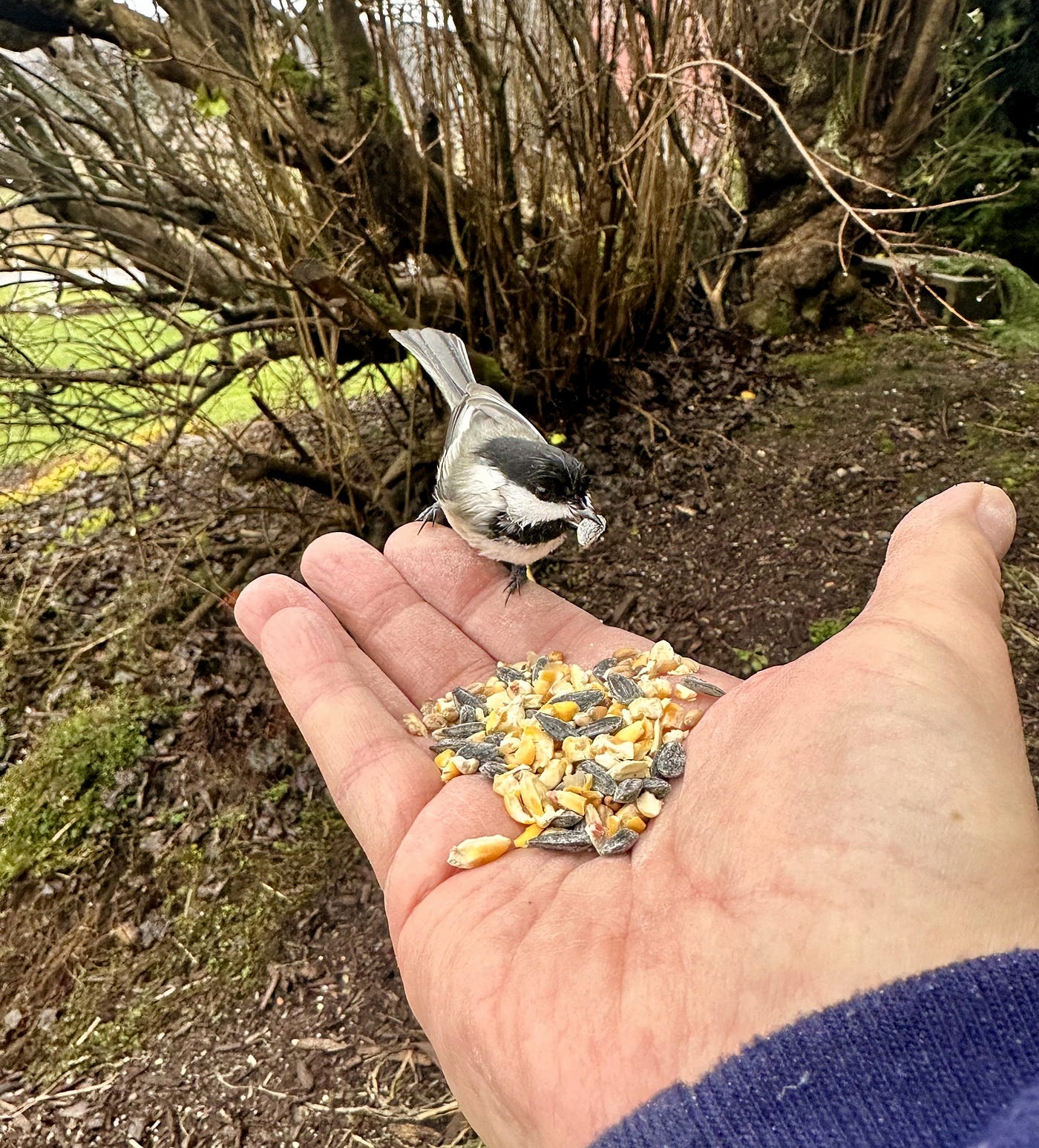
Credit: medium.com
Feeding Techniques
Feeding a fledgling chickadee requires gentle care and attention to detail. Knowing how to approach feeding can make a big difference in the chickadee’s chances of survival and growth. Let’s look at some feeding techniques that will help you provide the right nutrition with confidence and ease.
Feeding Frequency And Amount
Young chickadees need frequent meals to keep their energy up. Plan to feed them every 15 to 20 minutes during daylight hours. This frequency mimics how often their parents would feed them in the wild.
The amount you feed should be small but sufficient. Offer just enough to fill their crop without overfeeding, which can cause discomfort or health issues. Watch the crop area to see when it’s full but not swollen.
Using Feeding Tools
Using the right tools can make feeding easier and safer. A small syringe or dropper works well for delivering tiny amounts of food. Avoid anything too large that might injure the bird’s delicate beak.
Soft-tipped tweezers are useful for offering insects or small food bits gently. Always clean your tools before and after feeding to prevent bacterial growth. Do you have a favorite tool that has worked well in your experience?
Hand-feeding Tips
Hand-feeding requires patience and a calm approach. Hold the chickadee gently but securely to avoid stress or injury. Offering food slowly encourages the bird to open its beak naturally.
Observe how the chickadee reacts and adjust your speed accordingly. Use a quiet voice to soothe the bird; your calmness can make a big difference. Have you noticed how birds respond differently to your tone and touch?
Monitoring Health And Growth
Monitoring the health and growth of a fledgling chickadee is vital for its survival. Regular observation helps spot problems early. Healthy growth ensures the chickadee will thrive once released back into nature.
Track changes in size and behavior daily. Small signs can tell a lot about the chickadee’s condition. Careful attention supports proper feeding and care routines.
Weight And Development Tracking
Weigh the chickadee every day with a small scale. Record the weight to notice steady growth. Healthy chickadees gain weight gradually but consistently.
Observe feather growth and alertness. Compare these signs to typical chickadee development stages. Use a notebook or app to track progress clearly.
Signs Of Illness
- Fluffed-up feathers and lethargy
- Weak or irregular breathing
- Loss of appetite or refusal to eat
- Discharge from eyes or nostrils
- Unusual droppings or diarrhea
Spot these signs early to prevent worsening. Sick fledglings need gentle care and warmth.
When To Seek Veterinary Help
Consult a vet if the chickadee shows any illness signs. Sudden weight loss or trouble breathing needs urgent attention. A wildlife vet can provide proper treatment and advice.
Do not delay if you notice severe symptoms. Professional care increases the chickadee’s chance of recovery.

Credit: www.youtube.com
Preparing For Release
Preparing a fledgling chickadee for release takes care and attention. The goal is to help the bird become strong and confident. This stage is crucial for its survival outside your care. Proper preparation increases its chances of thriving in the wild.
Encouraging Independence
Offer food less often to promote self-feeding skills. Place food near the bird but not directly in its beak. Let the chickadee explore and try to eat alone. Avoid too much handling to build confidence. Encourage natural behaviors like hopping and wing stretching.
Outdoor Conditioning
Introduce the chickadee to the outdoors gradually. Start with short periods in a protected area. Let it experience fresh air, sunlight, and natural sounds. Use a soft cage or aviary with branches for perching. This helps build muscles and get used to the environment.
Timing The Release
Choose a warm, calm day for release. Release near trees or shrubs for immediate shelter. Ensure the bird can find food and water nearby. Watch for signs of strength and alertness before release. Early morning or late afternoon works best for safety.

Credit: www.youtube.com
Frequently Asked Questions
How Often Should I Feed A Fledgling Chickadee?
Feed a fledgling chickadee every 15 to 20 minutes during daylight. Frequent feeding supports their rapid growth and energy needs.
What Is The Best Food For A Chickadee Chick?
Offer soft insects like mealworms or finely chopped fruits. Avoid processed foods; natural diet mimics what parents provide.
Can I Feed A Chickadee With A Syringe?
Yes, use a small syringe without a needle to gently feed. Be careful not to force food to prevent choking.
When Can A Fledgling Chickadee Eat On Its Own?
Fledglings start self-feeding around 2 weeks old. Monitor progress and reduce hand-feeding as they grow independent.
Conclusion
Feeding a fledgling chickadee requires care and patience. Start with proper food. Make sure it’s soft and small. Offer a quiet, safe place for feeding. Regular feeding helps the bird grow strong. Observe the chickadee’s behavior closely. Adjust your approach based on its needs.
Consistency is key. The chickadee will soon be ready for the wild. Your efforts can make a big difference. With dedication, you’ll help it thrive. Remember, every small action counts. Keep learning and caring. You’re doing a great job nurturing nature’s wonders.