
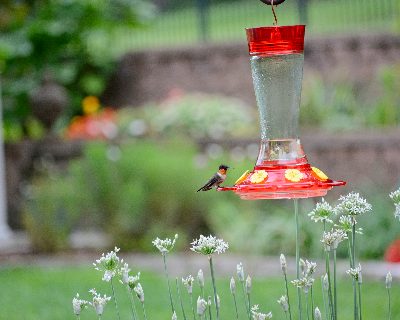
If you’ve ever watched a hummingbird dart through your garden, you know how magical these tiny creatures can be. But have you ever wondered how to feed hummingbirds and keep them coming back to your yard?
Feeding hummingbirds isn’t just about putting out a feeder—it’s about understanding what they need and creating the perfect little haven for them. You’ll discover simple tips and tricks that make feeding hummingbirds easy and rewarding. Get ready to attract these dazzling birds and enjoy their lively visits right outside your window!

Credit: www.yahoo.com
Attracting Hummingbirds
Attracting hummingbirds to your garden or balcony can turn any space into a lively, colorful haven. These tiny birds are drawn by specific colors, scents, and feeding options. Understanding their preferences helps you create an inviting environment that keeps them coming back.
Choosing The Right Flowers
Hummingbirds favor flowers with bright colors, especially red, orange, and pink. Tubular shapes make it easier for their long beaks to reach nectar. You can plant trumpet vine, bee balm, salvia, or columbine to catch their attention.
Consider mixing native plants with a variety of blooming times. This keeps fresh nectar available throughout the season. Have you noticed how a single red flower can attract a hummingbird from far away?
Setting Up Feeders
Feeders need to mimic the natural food sources of hummingbirds. Use clear feeders with red accents to grab their interest. Avoid feeders with yellow parts, as they might attract bees and wasps instead.
- Fill feeders with a simple sugar water solution: 1 part sugar to 4 parts water.
- Boil the mixture to dissolve sugar and prevent fermentation, then cool before filling.
- Clean feeders thoroughly every few days to prevent mold and harmful bacteria.
Have you ever watched a hummingbird hover while feeding from your hand? Setting up feeders properly can bring this magical moment closer to reality.
Ideal Feeding Locations
Place feeders in shaded, quiet areas near trees or shrubs where hummingbirds can rest. Avoid windy spots that make it hard for them to hover. Position feeders about 3 to 5 feet above the ground for easy access.
Try placing feeders near your favorite outdoor seating area. This allows you to observe these tiny acrobats up close without disturbing them. How close can you get without scaring them away?
Preparing Nectar Safely
Preparing nectar safely is key to keeping hummingbirds healthy. The right nectar mimics natural flower nectar. This provides energy without causing harm. Avoid harmful ingredients to protect these tiny birds. Clean feeders often to stop mold and bacteria growth. Proper nectar preparation helps hummingbirds thrive in your garden.
Simple Nectar Recipe
Make nectar with just two ingredients: water and white sugar. Use four parts water to one part sugar. Boil the water first to kill germs. Stir sugar until it fully dissolves. Let the nectar cool before filling feeders. Avoid honey, artificial sweeteners, or red dye. These can hurt hummingbirds.
Avoiding Harmful Additives
Never add food coloring to nectar. It can be toxic to birds. Red feeders attract hummingbirds naturally. Avoid using honey or brown sugar. They can promote harmful bacteria and mold. Use only pure white granulated sugar. Keep nectar fresh by changing it every few days.
Cleaning Feeders Regularly
Clean feeders at least once a week. Use hot water and a mild soap. Scrub all parts with a bottle brush. Rinse feeders thoroughly to remove soap residue. Avoid harsh chemicals or bleach. Dry feeders completely before refilling. Clean feeders prevent disease and keep birds safe.
Feeding Schedule Tips
Feeding hummingbirds at the right times helps keep them healthy and happy. A good feeding schedule mimics their natural habits. It also ensures fresh nectar and prevents waste. Knowing when and how often to feed can make a big difference in attracting these tiny birds.
Best Feeding Times
Hummingbirds are most active during early morning and late afternoon. These times are ideal for refilling feeders. Early morning feeding helps them fuel up after the night. Late afternoon feeding prepares them for the cooler evening hours. Avoid feeding at night since hummingbirds rest then.
Adjusting For Seasons
Feeding schedules change with the seasons. In spring and summer, hummingbirds eat more often. Increase nectar refills to match their higher energy needs. In fall, reduce feeding gradually as birds prepare to migrate. Stop feeding in winter unless hummingbirds stay in your area year-round.
Monitoring Nectar Levels
Check nectar levels daily. Nectar spoils quickly in warm weather. Replace old nectar every two to three days in summer. In cooler months, replace it weekly. Keep feeders clean to prevent mold and bacteria. Clean feeders thoroughly each time you refill nectar.
Supporting Hummingbird Health
Supporting hummingbird health is key to keeping these tiny birds active and vibrant. Healthy hummingbirds visit feeders often and enjoy their surroundings. Small actions create a safer and more welcoming space for them. Focus on water, shelter, and safety to support their well-being.
Providing Fresh Water
Hummingbirds need clean water to drink and bathe. Change water daily to prevent bacteria and mold growth. Use shallow dishes or birdbaths with gentle water flow. Avoid strong sprays that may scare them. Fresh water keeps hummingbirds hydrated and healthy.
Creating Shelter Spots
Hummingbirds seek shelter from weather and predators. Plant native shrubs and small trees for natural cover. Provide leafy branches or dense bushes near feeders. This creates safe resting and hiding spots. Shelter lowers stress and helps hummingbirds conserve energy.
Avoiding Predators
Predators like cats and larger birds threaten hummingbirds. Keep feeders away from places where predators hide. Use feeders with built-in guards or hang them in open areas. Watch feeders regularly to spot dangers. Protecting hummingbirds reduces risk and helps them thrive.
Common Feeding Mistakes
Feeding hummingbirds might seem simple, but certain common mistakes can harm these tiny birds or discourage them from visiting your feeder. Avoiding these errors helps keep your hummingbird visitors healthy and happy. Let’s look at some pitfalls you should watch out for.
Using Artificial Dyes
You might think bright colors attract more hummingbirds, but artificial dyes can be harmful. These chemicals are unnecessary because hummingbirds are naturally drawn to the red parts of feeders. Instead of adding dye, choose feeders with built-in red accents.
Some dyes may cause digestive issues or even poison birds. Have you noticed a change in hummingbird behavior after adding colored nectar? If yes, consider switching to plain sugar water to keep them safe.
Neglecting Feeder Hygiene
Cleaning your feeder often is crucial. Mold and bacteria grow quickly in warm weather, which can make hummingbirds sick. Wash your feeder with hot water and a mild soap at least once a week.
Don’t forget to rinse thoroughly to remove soap residue. Have you ever found cloudy nectar or black spots inside your feeder? That’s a sign it’s time for a deep clean.
Overfeeding Concerns
It might be tempting to fill your feeder with lots of nectar, but overfeeding can cause problems. Excess nectar can ferment or attract unwanted insects like ants and bees. Try to refill only what hummingbirds can consume in three to four days.
Observe how often your feeder empties and adjust accordingly. Are you seeing fewer visits or more pests? These could be signs to reduce the amount you offer.

Credit: www.youtube.com
Enhancing Garden Habitat
Creating a welcoming space for hummingbirds helps them thrive and visit often. Enhancing the garden habitat supports their feeding and resting needs. Small changes in your garden can make a big difference in attracting these tiny birds.
Planting Native Species
Native plants are best for hummingbirds. They provide the right nectar and attract native insects. Choose flowers that bloom in your area to ensure food all season. Plants like bee balm, columbine, and trumpet vine are excellent choices. Native plants also need less water and care, making your garden eco-friendly.
Maintaining Bloom Variety
Hummingbirds like different flower shapes and colors. Plant flowers that bloom at various times. This gives a steady nectar supply from spring to fall. Mix reds, pinks, oranges, and purples to catch their attention. Include tubular flowers that fit their long bills well. Variety keeps hummingbirds coming back.
Incorporating Perches
Hummingbirds need places to rest between flights. Add thin branches or small twigs near feeding spots. These perches give them a safe place to watch for predators. Position perches near flowers but away from wind. Perches help hummingbirds conserve energy while feeding.

Credit: www.birdsandblooms.com
Frequently Asked Questions
What Is The Best Nectar Recipe For Hummingbirds?
A simple nectar recipe uses four parts water to one part white granulated sugar. Boil the water first, then add sugar until dissolved. Avoid honey, artificial sweeteners, or red dye as these can harm hummingbirds.
How Often Should I Clean A Hummingbird Feeder?
Clean your hummingbird feeder every 3 to 5 days. Use hot water and a mild soap to prevent mold and bacteria. Regular cleaning keeps the nectar fresh and safe for the birds.
When Is The Best Time To Feed Hummingbirds?
Feed hummingbirds during early morning and late afternoon. These are their peak feeding times. Providing fresh nectar during these hours helps them stay energized for migration and daily activities.
Can I Feed Hummingbirds Year-round?
Feeding hummingbirds year-round depends on your location. In warmer climates, they may stay active all year. In colder areas, feeding is best during spring, summer, and fall migration periods.
Conclusion
Feeding hummingbirds can be a delightful experience. Keep your feeders clean. Use fresh sugar water. This ensures their health and safety. Plant flowers that attract these tiny birds. Your garden will buzz with life. Enjoy watching their vibrant colors and swift movements.
Remember, consistency is key. Regularly refill feeders to keep them coming back. These little creatures rely on your care. Create a welcoming space for them. A simple yet rewarding way to connect with nature. Happy bird watching!