
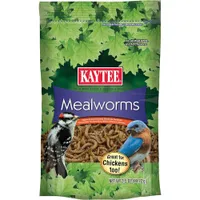
Have you ever found a baby bird in need of food and wondered what to feed it? Mealworms are a natural and nutritious choice that can help your feathered friend grow strong and healthy.
But feeding baby birds mealworms isn’t as simple as just offering them – there are important tips and tricks you need to know to do it right. If you want to give your little bird the best start in life, keep reading.
This guide will show you exactly how to feed baby birds mealworms safely and effectively, so you can feel confident every step of the way.
Choosing Mealworms
Choosing the right mealworms is key to feeding baby birds properly. The type you select affects their health and growth. Mealworms provide essential nutrients and energy. Picking fresh, safe mealworms ensures baby birds get the best start.
Live Vs. Dried Mealworms
Live mealworms move and attract baby birds easily. They mimic natural prey and encourage feeding. Dried mealworms last longer and are easy to store. They do not move, so some birds may find them less appealing. Both types offer good nutrition, but live mealworms often stimulate feeding better.
Where To Buy Mealworms
Buy mealworms from pet stores or garden centers. Online shops offer wide selections and delivery options. Choose sellers who provide fresh and healthy mealworms. Avoid sources that keep mealworms in poor conditions. Check reviews to ensure quality and reliability.
Nutritional Benefits For Birds
- High in protein to support growth and muscle development
- Rich in fat for energy and warmth
- Contains essential vitamins and minerals
- Easily digestible for young birds
- Supports healthy feathers and overall health
Mealworms offer a balanced diet that matches baby birds’ needs well.
Credit: besgroup.org
Preparing Mealworms
Preparing mealworms properly helps baby birds eat safely and digest food well. Clean mealworms remove dirt and bacteria. Warming them makes mealworms easier to swallow. Cutting mealworms into smaller pieces suits tiny hatchlings’ small mouths.
Cleaning And Rinsing
Place mealworms in a fine mesh strainer. Rinse gently with cool water to remove debris. Avoid soaking them too long to keep mealworms fresh. Shake off excess water before feeding.
Warming Mealworms
Warm mealworms slightly to improve their texture. Use a warm cloth or place them in a bowl of warm water for a minute. Avoid overheating, as it can harm the mealworms and baby birds.
Cutting For Small Hatchlings
Cut mealworms into tiny pieces for hatchlings. Use clean scissors to avoid infection. Small bites help baby birds swallow easily and reduce choking risks.
Feeding Techniques
Feeding baby birds mealworms requires careful technique to ensure they receive enough nutrition without stress. The way you offer the mealworms can influence how well the birds accept and digest their food. Adapting your approach based on the birds’ behavior and needs will make feeding time smoother and more effective.
Hand-feeding Tips
Start by gently holding a mealworm between your thumb and forefinger. Move it slowly toward the baby bird’s open beak to encourage them to snap it up.
Be patient—some birds may hesitate at first. Try tapping the mealworm lightly near their mouth to get their attention.
Always keep your hand steady and avoid sudden movements to prevent scaring the bird. Your calm presence can make a big difference in building trust.
Using Feeding Tools
If your hand feels too large or the birds are nervous, try using small tweezers or feeding forceps. They let you hold the mealworms securely and deliver them precisely.
Choose tools with smooth edges to avoid harming the baby birds. Practice your grip to avoid squeezing the mealworms too hard.
Some people find that feeding tools help maintain hygiene and reduce the chance of accidental bites from the birds.
Feeding Frequency And Amounts
Baby birds need frequent feedings, often every 20 to 30 minutes during daylight hours. Keeping a consistent schedule helps them grow strong and healthy.
Start with small amounts—one or two mealworms per feeding—and increase gradually as the bird grows. Overfeeding can cause digestive problems.
Monitor the bird’s weight and energy levels to adjust how much you feed. Can you spot signs that indicate they’re getting enough food?
Credit: www.kwikpets.com
Safety Precautions
Feeding baby birds mealworms can be a rewarding experience, but it’s important to keep safety in mind. Ensuring their well-being means understanding how to feed them properly and recognizing potential risks. Taking simple precautions can protect these fragile creatures and help them grow strong.
Avoiding Overfeeding
Overfeeding baby birds can lead to health problems like obesity and digestive issues. Pay close attention to how much you offer and watch for signs that the bird is full, such as turning away or closing its beak. It’s better to feed smaller amounts frequently than giving too much at once.
Think about how wild parent birds feed their chicks—usually in small, regular portions. Matching this natural rhythm helps keep your baby bird healthy and happy.
Preventing Choking Hazards
Mealworms are a great food choice, but their size and texture can pose choking risks. Cut larger mealworms into smaller pieces, especially for very young or tiny birds. Always offer food that your bird can easily swallow.
Keep an eye on the bird while feeding to catch any signs of choking early. If you notice distress, gently remove the food and give the bird time to recover before trying again.
Monitoring Bird Health
Regularly check your baby bird for changes in behavior, appetite, or droppings. These can be early indicators of health problems caused by feeding errors. Keep a feeding log to track what you offer and how the bird responds.
Ask yourself: Is your bird growing steadily? Does it seem energetic after meals? If not, it might be time to adjust your feeding routine or consult a wildlife expert.
Encouraging Natural Behavior
Encouraging natural behavior in baby birds helps them grow strong and independent. Feeding mealworms in a way that mimics wild conditions supports their instincts and health. This approach prepares baby birds for life outside the nest. It also makes feeding time more engaging for both the birds and the caregiver.
Gradual Weaning Process
Start by offering small, soft mealworms to baby birds. Slowly reduce hand-feeding as they begin to eat on their own. This helps them gain confidence in feeding themselves. Watch closely to avoid stress or hunger. The goal is a smooth transition from total care to independence.
Introducing Variety In Diet
Offer different types of insects and soft fruits along with mealworms. A varied diet supports balanced nutrition and natural foraging habits. Change food textures and sizes to challenge baby birds. Variety keeps them curious and encourages natural eating behavior.
Stimulating Hunting Instincts
Place mealworms in safe, reachable spots instead of directly in front of baby birds. Let them search and catch their food naturally. Use shallow containers or leaves to hide mealworms. This practice sharpens their hunting skills and builds physical strength. It also reduces dependence on humans for food.
Credit: www.wfsb.com
Common Challenges
Feeding baby birds mealworms often comes with challenges. These small creatures have delicate needs. Understanding common problems helps improve feeding success. Patience and care go a long way.
Many bird parents face issues like picky eating, weak hatchlings, and feeding troubles. Each challenge needs a careful approach. Recognizing signs early prevents harm and ensures healthy growth.
Dealing With Picky Eaters
Some baby birds refuse mealworms at first. They may prefer softer food or different textures. Offer small, gentle bites to encourage eating. Try mixing mealworms with softer insects or mashed food.
Keep the feeding environment calm and quiet. Sudden movements or loud noises can scare babies. Gradually increase mealworm portions as they accept the taste.
Handling Sick Or Weak Hatchlings
Weak hatchlings need extra care and patience. Warmth is vital; keep their environment cozy. Avoid force-feeding, which can cause stress or choking.
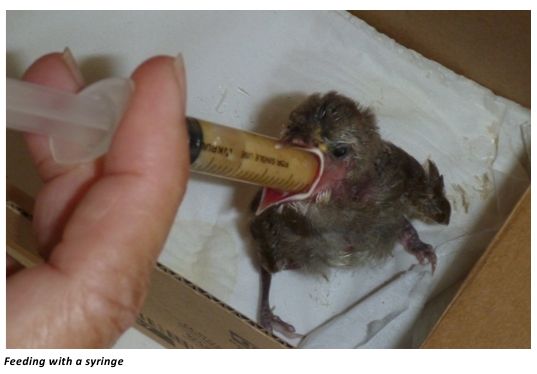
Use a syringe or dropper for slow, gentle feeding. Monitor their energy and breathing closely. Consult a wildlife expert if health worsens.
Troubleshooting Feeding Issues
Feeding problems might include refusal, choking, or regurgitation. Check the mealworm size; too large pieces can block the throat. Cut mealworms into smaller parts for easy swallowing.
Ensure clean feeding tools to prevent infection. Watch for signs of dehydration or hunger. Adjust feeding frequency and amount based on their growth and needs.
Frequently Asked Questions
What Are The Benefits Of Feeding Baby Birds Mealworms?
Mealworms provide essential protein and nutrients for baby birds’ growth. They are easy to digest and mimic natural prey. Feeding mealworms helps strengthen their immune system and supports healthy development during early stages.
How Often Should Baby Birds Be Fed Mealworms?
Feed baby birds every 15 to 20 minutes during daylight hours. Young birds have high metabolism and require frequent feeding for energy. Adjust feeding frequency as they grow and become more independent.
Can I Feed Live Or Dried Mealworms To Baby Birds?
Live mealworms are preferable as they stimulate natural hunting instincts. Dried mealworms are a convenient alternative but lack moisture and movement. Always ensure mealworms are fresh, clean, and free from pesticides.
How To Safely Offer Mealworms To Baby Birds?
Use tweezers or a small dish to present mealworms gently. Avoid hand feeding to reduce stress and injury risks. Ensure the feeding area is clean to prevent bacterial growth and diseases.
Conclusion
Feeding baby birds mealworms is simple and rewarding. Provide fresh mealworms regularly. Ensure they’re the right size for the baby birds. Always wash your hands after handling mealworms. Keep their feeding area clean and safe. Watch the birds grow strong and healthy.
Enjoy the process and learn from it. Birds need care and attention. Your efforts help them thrive. This experience connects you to nature. Remember, every small step counts in nurturing wildlife. Happy bird feeding!