
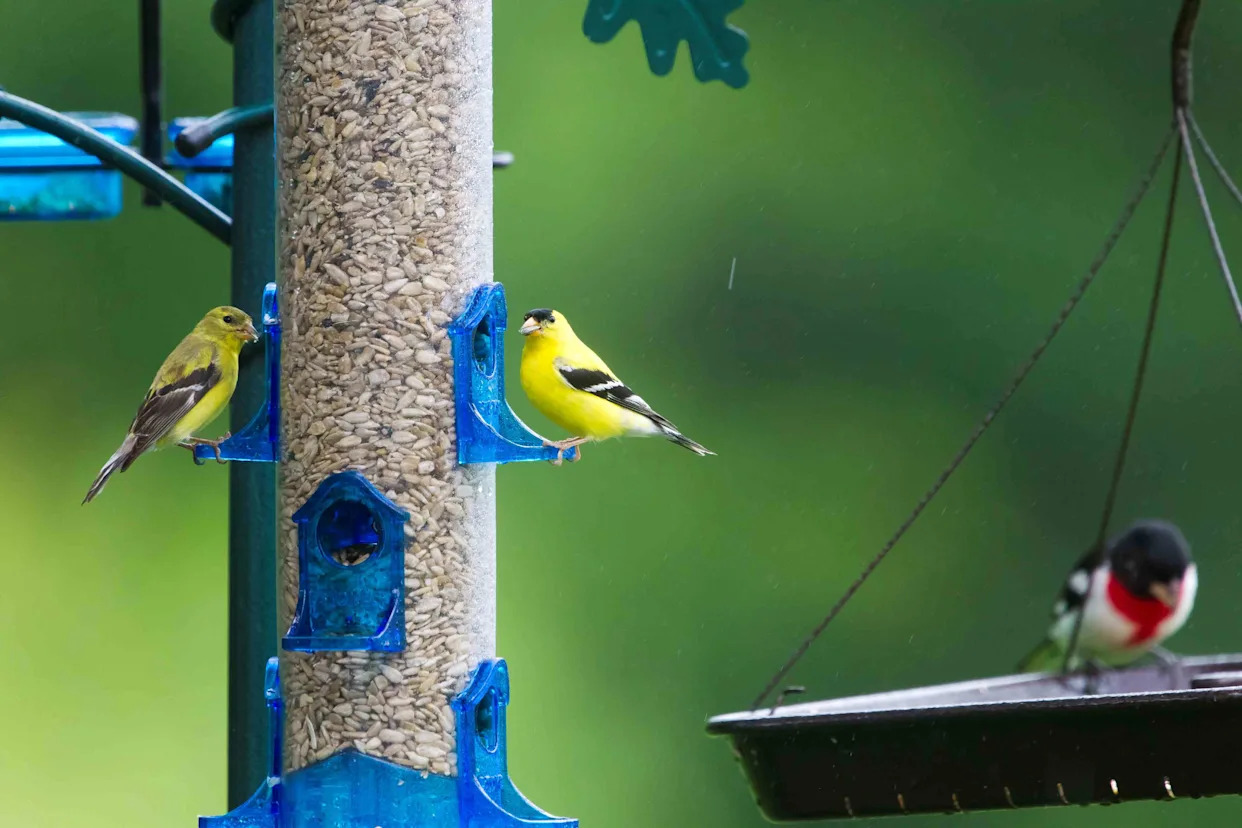
Are you wondering what’s the best bird feed to attract colorful, happy birds to your backyard? Choosing the right bird feed can make all the difference in bringing more life and joy to your outdoor space.
But with so many options out there, it’s easy to feel overwhelmed. You’ll discover simple tips and smart choices that will help you pick the perfect feed for the birds you want to welcome. Keep reading, and soon your garden will be full of delightful bird visitors!
Types Of Bird Feed
Choosing the right bird feed is essential for attracting a variety of birds and keeping them healthy. Different types of feed appeal to different species and provide unique nutritional benefits. Understanding these options can help you create a bird-friendly environment that suits your local wildlife.
Seeds And Grains
Seeds and grains are the most common bird feed and come in many varieties. Black oil sunflower seeds are popular because they attract a wide range of birds and have a thin shell that’s easy to crack. Millet and cracked corn are favorites among ground-feeding birds like doves and sparrows.
Think about the birds you want to attract. If you enjoy watching colorful finches, offering nyjer seeds could be a great choice. You might be surprised how specific seed types can change your backyard visitors.
Pellets And Mixes
Pellets and mixes combine different ingredients to provide balanced nutrition. Pellets are especially good for parrots and larger birds since they contain essential vitamins and minerals. Mixes offer variety, combining seeds, grains, and sometimes dried fruits or nuts.
One time, I switched to a pellet-based feed for my pet parrot and noticed a big improvement in its energy and feather condition. Have you ever considered how a mix could simplify feeding while giving birds a complete diet?
Fruits And Vegetables
Many birds enjoy fresh fruits and vegetables as a natural treat. Apples, berries, and oranges are favorites for species like orioles and tanagers. Leafy greens and peas can also provide hydration and nutrients.
Offering fresh produce can encourage birds to visit more often. Do you know which fruits are safe and most beneficial for your local bird species?
Nuts And Treats
Nuts like peanuts, almonds, and walnuts are high-energy treats for many birds. They are excellent for woodpeckers, jays, and chickadees. Just make sure nuts are unsalted and offered in moderation to avoid health issues.
Treats can add excitement and variety to your feeding station. Have you tried offering suet cakes or mealworms to see which birds come around?
Choosing Feed For Different Birds
Choosing the right bird feed helps keep birds healthy and active. Different birds have different tastes and nutritional needs. Providing the correct feed attracts more birds to your garden or aviary.
Understanding each bird type’s preferences makes feeding easier and more effective. Quality feed supports their growth, feathers, and energy levels. Let’s explore what suits popular bird groups best.
Songbirds
Songbirds enjoy a mix of seeds, nuts, and fruits. Black oil sunflower seeds attract many species. Suet cakes provide energy during cold months. Fresh fruits like berries add vitamins and moisture.
- Black oil sunflower seeds
- Cracked corn
- Suet cakes
- Fresh berries and chopped fruits
Parrots And Parakeets
Parrots need a varied diet with seeds, pellets, and fresh produce. Pellets offer balanced nutrition. Seeds like millet and sunflower are favorites. Fresh vegetables like carrots and leafy greens boost health.
- Pelleted bird food
- Millet and sunflower seeds
- Chopped vegetables
- Occasional fruit treats
Finches And Canaries
Finches and canaries prefer small seeds and fresh greens. Canary seed mixes work well. They also enjoy lettuce, spinach, and dandelion leaves. A cuttlebone helps supply calcium for strong bones.
- Canary seed mix
- Small millet seeds
- Fresh leafy greens
- Cuttlebone for calcium
Waterfowl
Waterfowl need grains, seeds, and aquatic plants. Cracked corn and wheat grains offer energy. Duck pellets provide vitamins and minerals. Fresh greens like lettuce and peas support digestion.
- Cracked corn
- Wheat grains
- Duck pellets
- Fresh aquatic plants and greens
Nutritional Needs For Birds
Meeting the nutritional needs of birds is key to keeping them healthy and vibrant. Just like humans, birds require a balanced diet that supports their energy, growth, and overall well-being. Understanding what nutrients to provide helps you choose the best bird feed and avoid common health issues.
Proteins And Fats
Protein is essential for muscle development and feather growth. Birds get their protein from seeds, insects, and nuts. If you’ve ever noticed your bird molting or looking weak, it might be a sign of protein deficiency.
Fats provide a concentrated energy source, especially important during cold weather or breeding seasons. Nuts and certain seeds, like sunflower or safflower, are rich in healthy fats. But too much fat can lead to obesity, so balance is crucial.
Vitamins And Minerals
Vitamins and minerals support everything from bone strength to immune function. Calcium, for example, is vital for egg-laying birds and helps prevent brittle bones. You can find calcium in crushed oyster shells or specific mineral blocks.
Vitamins A, D, and E are often added to commercial bird feeds, but fresh fruits and vegetables also help keep your bird’s diet complete. Have you checked if your bird’s feed includes these micronutrients? If not, adding a variety of fresh foods can fill in the gaps.
Water And Hydration
Water is often overlooked but is just as important as food. Birds need clean, fresh water daily to aid digestion and regulate body temperature. During hot days, you might see your bird drinking more, signaling increased hydration needs.
Dehydration can cause serious health problems quickly. Always provide multiple water sources if you have several birds and clean them regularly to prevent bacteria buildup.

Credit: www.allaboutbirds.org
Best Practices For Feeding Birds
Feeding birds can be a joyful and rewarding activity. Following best practices helps attract more birds and keeps them safe. Proper feeding supports their health and encourages natural behaviors. Simple steps make a big difference in creating a bird-friendly environment.
Feeder Types And Placement
Choosing the right feeder is key. Tube feeders suit small birds like finches. Platform feeders attract larger birds such as doves and jays. Suet feeders are perfect for woodpeckers and nuthatches.
Place feeders in safe spots away from predators. Near trees or shrubs offers shelter and cover. Keep feeders at least 5 feet off the ground. This reduces risks from cats and other animals. Clean feeders regularly to prevent disease.
Feeding Schedules
Feed birds consistently to build trust. Early morning and late afternoon are best feeding times. Birds search for food most actively during these hours. Avoid overfeeding. Offer enough food to last a day or two.
Stop feeding in summer if natural food is abundant. Resume feeding in late fall and winter when food is scarce. Regular feeding helps birds survive cold months.
Avoiding Common Feeding Mistakes
Do not offer spoiled or moldy seeds. They can harm birds’ health. Avoid bread and processed human foods. These lack nutrients and cause illness.
Do not overcrowd feeders. Too many birds at once cause stress and fights. Provide multiple feeders if many birds visit. Watch for signs of sickness and clean feeders often.
Homemade Bird Feed Recipes
Homemade bird feed recipes offer a natural way to attract birds to your garden. They are simple to make and allow control over ingredients. Fresh, healthy mixes provide energy and nutrients for wild birds. Creating your own blends can be fun and rewarding.
Seed Mix Blends
Combine different seeds for variety and nutrition. Use sunflower seeds, millet, and cracked corn. Add nyjer seeds to attract finches. Keep the mix dry and fresh. Avoid seeds with fillers or too many shells.
- Black oil sunflower seeds: high energy
- White proso millet: favorite of sparrows and doves
- Cracked corn: good for ground feeders
- Nyjer seeds: loved by finches
Healthy Treat Options
Offer treats to provide extra nutrients and variety. Use fruits like apple slices or berries. Try unsalted nuts in small amounts. Avoid sugary or processed foods. Fresh water is also important for birds.
- Apple slices or berries
- Unsalted peanuts or almonds
- Oats or cooked rice
- Chopped vegetables like carrots
Seasonal Feed Ideas
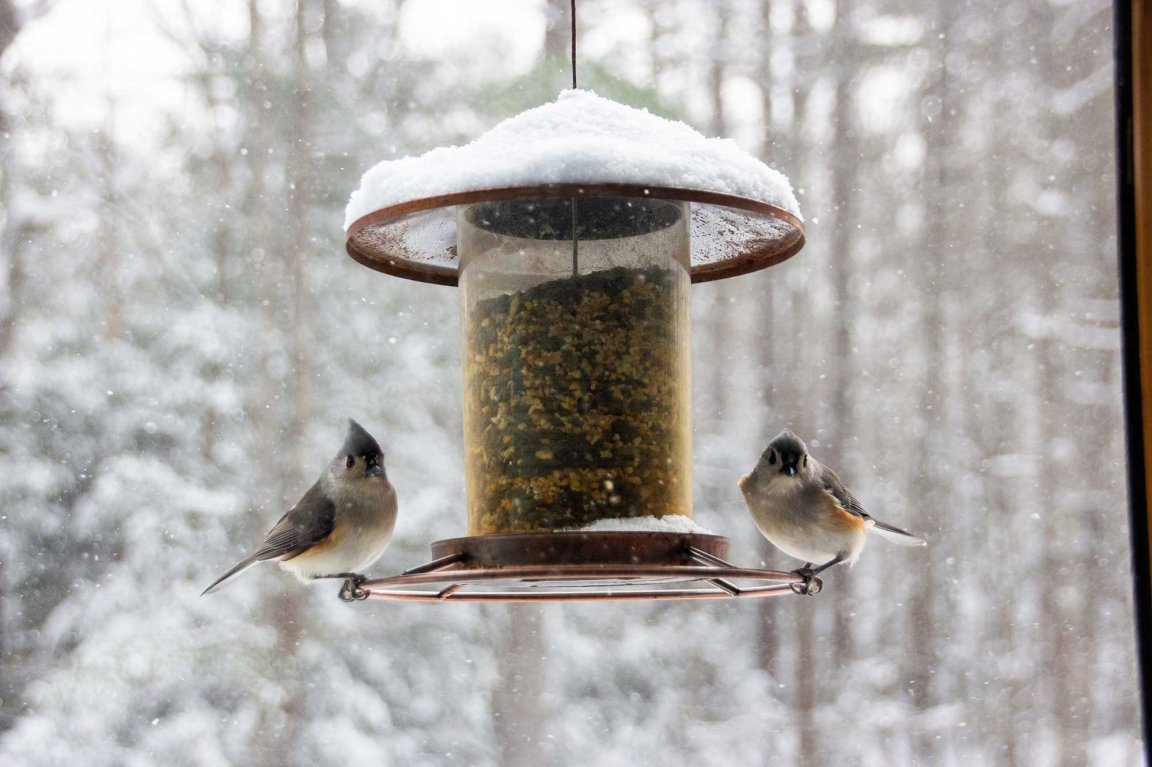
Adjust feed according to the season for best results. In winter, provide high-fat seeds for energy. Use suet cakes or peanut butter to keep birds warm. In spring, offer more fruits and insects. Summer calls for fresh water and light seeds.
| Season | Feed Type | Benefits |
|---|---|---|
| Winter | Sunflower seeds, suet cakes | High energy, warmth |
| Spring | Fruits, insects | Supports breeding, growth |
| Summer | Light seeds, fresh water | Hydration, easy digestion |
| Fall | Mixed seeds, nuts | Prepares for winter |
Credit: www.outdoorlife.com
Signs Of A Healthy Bird
Knowing the signs of a healthy bird helps keep it safe and happy. Birds cannot tell when they feel unwell. Observing their health closely helps catch problems early. Healthy birds look vibrant and act lively. They eat well and show normal behavior daily.
Physical Indicators
- Bright, clear eyes without discharge
- Smooth, clean feathers without bald spots
- Dry and clean nostrils
- Firm, well-formed droppings with consistent color
- Alert posture and steady balance
- Healthy weight without sudden gain or loss
Behavioral Clues
- Active and curious movements
- Regular preening and grooming
- Consistent eating and drinking habits
- Normal vocal sounds and calls
- Engaging with toys or surroundings
- Sleeping calmly during rest periods
When To Consult A Vet
- Sudden change in appetite or thirst
- Fluffed-up feathers for long hours
- Labored breathing or unusual sounds
- Discharge from eyes, beak, or nostrils
- Unsteady movements or frequent falls
- Loss of balance or coordination
Environmental Factors Affecting Bird Health
Understanding how environmental factors affect bird health is key to choosing the best bird feed and creating a safe feeding space. Birds are sensitive to their surroundings, and small changes can have big impacts on their well-being. By paying attention to cleanliness, safety, and the effects of weather, you can support the health of your feathered visitors.
Cleanliness And Hygiene
Dirty feeders can quickly become breeding grounds for harmful bacteria and mold. This can lead to diseases that spread easily among birds. Make it a habit to clean your feeders regularly with warm water and mild soap to keep germs at bay.
Have you noticed birds avoiding a feeder after rain or heavy use? It might be due to moldy or spoiled seeds. Avoid this by discarding wet or clumped feed promptly and keeping the feeding area dry.
Safe Feeding Environments
Your bird feeding spot should feel safe, not just for birds but for you as well. Placing feeders near bushes or trees offers birds quick cover from predators like cats or hawks. But overcrowding feeders can increase competition and stress among birds.
Consider multiple feeding stations spaced apart to reduce conflicts. This way, shy or smaller birds get a chance to eat peacefully, improving their chances of survival.
Impact Of Weather And Seasons
Birds’ feeding needs change as the weather shifts. In cold seasons, they require more energy-rich foods like seeds high in fat to keep warm. Warmer months call for a variety of seeds and fruits to provide balanced nutrition.
Rain and snow can spoil feed quickly or wash it away, so sheltered feeders or covered feeding areas can help maintain food quality. Think about how you can adjust your feeding routine to match the season and weather conditions.

Credit: www.allaboutbirds.org
Frequently Asked Questions
What Is The Best Bird Feed For Attracting Wild Birds?
The best bird feed for wild birds includes sunflower seeds, millet, and nyjer seeds. These attract a variety of species and provide essential nutrients. Fresh, high-quality seeds ensure healthy birds and frequent visits to your feeder.
Which Bird Feed Is Best For Small Songbirds?
Small songbirds prefer small seeds like millet, nyjer, and finely cracked corn. These seeds are easy to eat and attract finches, sparrows, and chickadees. Providing clean, dry feed helps keep these birds healthy.
Can I Use Mixed Bird Feed For All Bird Types?
Mixed bird feed is versatile and attracts many bird species. It usually contains sunflower seeds, millet, and cracked corn. However, specialized feeds may be better for specific birds, like nyjer for finches or suet for woodpeckers.
How Often Should I Refill Bird Feeders With Fresh Feed?
Refill feeders every few days or when the feed runs low. Regular refilling keeps feed fresh and prevents mold or spoilage. Clean feeders frequently to maintain bird health and encourage return visits.
Conclusion
Choosing the best bird feed makes a big difference. Your feathered friends deserve nutritious meals. Varieties like sunflower seeds and millet are great choices. They attract a range of birds. Always check for fresh, high-quality seeds. Moldy seeds are bad for birds.
Offer clean water alongside the feed. It’s essential for bird health. Observing birds can be a joy. Their presence livens up any garden. Remember, different birds prefer different seeds. Experiment to see what works best. Happy birdwatching!