
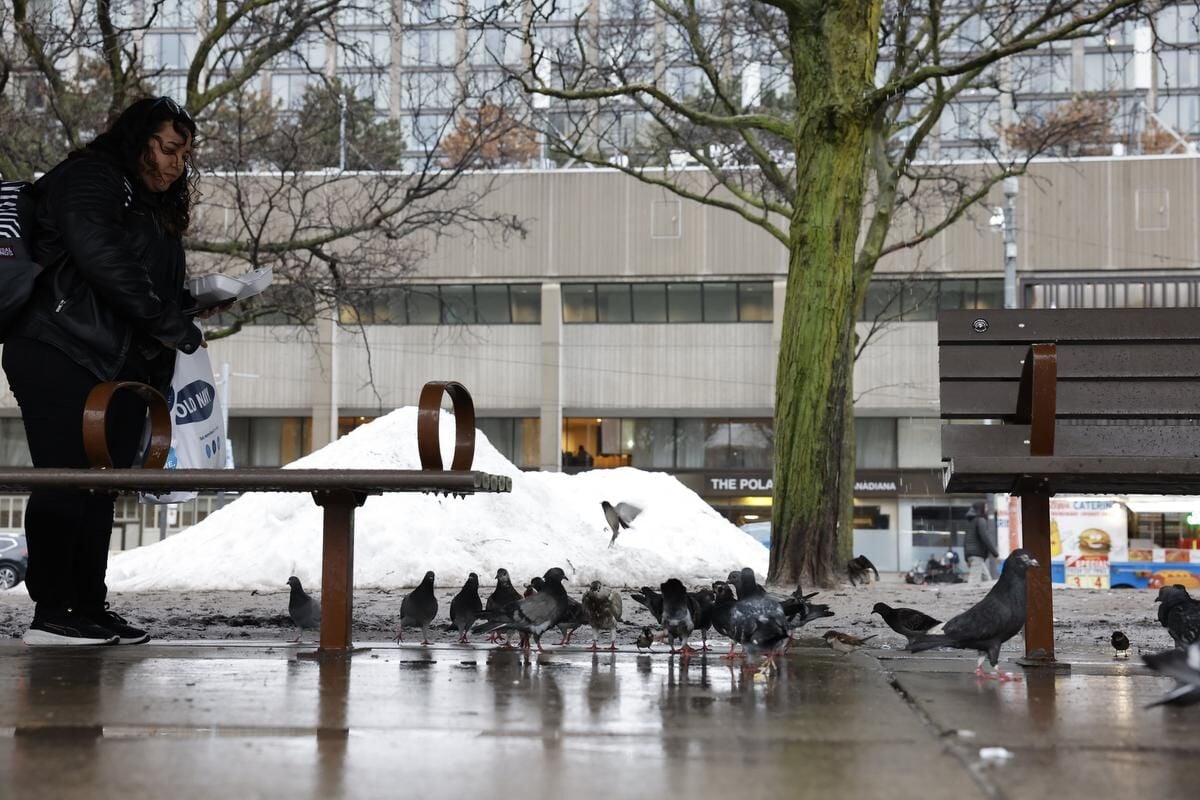
Have you ever stopped to wonder if feeding birds is actually allowed where you live? It seems like a simple, kind act—offering a handful of seeds or crumbs to your feathered friends.
But what if you’re unknowingly breaking the rules? Knowing the legal side of feeding birds can save you from fines or unintended harm to wildlife. You’ll discover what the law says, why some places have strict rules, and how you can enjoy bird feeding responsibly.
Keep reading to make sure your good intentions stay on the right side of the law.
Legality Of Feeding Birds
Feeding birds might seem like a simple, kind act, but it’s important to understand the legal boundaries before you toss out that bread crumb. Laws about feeding birds vary widely depending on where you live, the species involved, and whether you are on public or private land. Knowing these rules helps you avoid fines and protects wildlife in the best way.
Laws By Region
Different countries and even cities have their own rules about feeding birds. In some places, feeding wild birds is encouraged to support local wildlife. Elsewhere, it might be banned to prevent overpopulation or the spread of disease.
For example, in many parts of the United States, feeding waterfowl in public parks is illegal because it can cause pollution and unhealthy bird behavior. Meanwhile, some European countries have specific seasons when feeding is allowed to avoid disrupting migration patterns.
Checking local regulations before feeding birds can save you trouble. You can often find these laws on city or state government websites.
Protected Species Rules
Feeding protected bird species usually comes with strict regulations. Birds like eagles, owls, or endangered songbirds may have laws designed to keep them safe from human interference.
Feeding these birds might unintentionally harm them by altering their natural diet or making them dependent on humans. In some regions, feeding protected species can lead to hefty fines or legal action.
Ask yourself: are you feeding a species that could be vulnerable or endangered? If so, it’s best to admire from a distance and let professionals handle their care.
Public Vs Private Property
The rules about feeding birds can change dramatically depending on where you are standing. Feeding birds on your own private property usually has fewer restrictions, but it’s still smart to be mindful of neighbors and local ordinances.
Public parks and reserves often have clear policies prohibiting feeding to protect the ecosystem. Ignoring these can result in warnings or fines.
If you want to feed birds legally and responsibly, always confirm the property status and any posted rules. This simple step can prevent conflicts and help keep bird populations healthy.

Credit: www.allaboutbirds.org
Reasons For Restrictions
Feeding birds might seem like a harmless way to enjoy nature up close. However, there are several reasons why restrictions exist around this activity. Understanding these reasons helps you make better choices that protect both birds and your community.
Health Risks To Birds
Feeding birds can unintentionally harm their health. Human food often lacks the nutrients birds need and can cause malnutrition.
Leftover food also attracts pests and spreads disease among bird populations. Have you ever noticed birds gathering in large, noisy groups around feeders? This behavior increases the risk of illness spreading quickly.
Environmental Impact
Feeding birds changes their natural behavior and local ecosystems. Birds may become dependent on handouts, reducing their ability to find food on their own.
Feeding stations can also cause overpopulation in certain areas. This imbalance affects other wildlife and plant life, creating unexpected problems for your neighborhood.
Human Safety Concerns
You might think feeding birds is safe, but it can lead to unwanted consequences for people. Large gatherings of birds can create noise, droppings, and even damage property.
Some birds become aggressive when expecting food, which can be alarming or dangerous. Have you ever felt uneasy around a group of birds demanding to be fed? This is a common issue in places where feeding is unrestricted.
Common Regulations
Feeding birds might seem harmless, but many places have rules. These common regulations help protect birds and the environment. They prevent overfeeding and keep parks clean. Understanding these rules can keep you safe and avoid fines.
Feeding Bans In Parks
Many parks do not allow feeding birds. This ban helps stop birds from gathering in large groups. Large groups can cause damage to plants and spread diseases. Signs are usually posted to inform visitors about these bans.
Permits And Licenses
Some areas require permits to feed birds. These licenses control feeding times and types of food. Permits help ensure feeding is done safely and responsibly. Without a permit, feeding birds may be illegal in certain locations.
Fines And Penalties
Breaking feeding rules can lead to fines. Penalties vary by location but can be costly. Authorities may give warnings before fines. Repeated offenses might result in higher fines or other legal actions.

Credit: www.allaboutbirds.org
Safe Feeding Practices
Feeding birds can be a joyful way to connect with nature, but it’s important to do it safely. Safe feeding practices protect both the birds and your local environment. You want to make sure your efforts help rather than harm the wildlife around you.
Appropriate Food Choices
Choosing the right food is key to keeping birds healthy. Avoid bread and junk food, as these can cause malnutrition and health problems. Instead, opt for seeds like sunflower, millet, or cracked corn, which many birds love and can digest easily.
Try offering fresh fruits such as apples or berries in small amounts. Some birds also enjoy nuts and mealworms, which provide good protein. Think about the species in your area and what they naturally eat—this helps you pick the best options.
Feeding Techniques
How you feed birds affects their safety and your success in attracting them. Use bird feeders that are easy to clean and protect food from moisture. Dirty feeders can spread diseases quickly, so regular cleaning is essential.
Scatter food in small amounts to avoid waste and reduce attracting pests like rats. Placing feeders away from busy human traffic and predators keeps birds safe. Have you noticed how some birds prefer ground feeding while others stick to feeders? Offering both can welcome a wider variety of birds to your yard.
Seasonal Considerations
Feeding needs change with the seasons, so adjust your approach accordingly. During winter, birds need more high-energy foods like suet or peanuts to stay warm. In spring and summer, fresh fruits and insects support breeding and growing chicks.
Be mindful of natural food availability too—if food is abundant in your area, less feeding is needed. Avoid feeding during molt season when birds are stressed and more vulnerable to disease. What changes have you noticed in bird behavior across seasons? Observing this can help you feed smarter and safer.
Alternatives To Feeding
Feeding birds may seem like a kind gesture, but it’s not always the best choice for their health or local ecosystems. Luckily, there are many ways you can support birds without offering food directly. These alternatives help create natural environments where birds can thrive on their own.
Creating Bird-friendly Habitats
You can make your outdoor space inviting for birds by planting native trees, shrubs, and flowers. These plants provide natural shelter and food sources like berries and insects. Think about adding layers—tall trees, mid-height bushes, and ground cover—to mimic a natural environment.
Have you noticed birds flocking to certain spots in your yard? Chances are, those areas have the right mix of plants and safety. Try to reduce the use of pesticides to keep insects available for birds that eat them.
Providing Water Sources
Birds need fresh water for drinking and bathing. Setting up a birdbath or shallow water dish can attract a variety of species. Remember to change the water regularly to prevent mosquito breeding and keep it clean.
Think about placing water near shrubs or trees so birds feel safe while they drink. Even a small fountain or dripping water feature can catch a bird’s attention and encourage visits to your garden.
Supporting Conservation Efforts
You can also help birds by supporting local or national conservation groups focused on protecting habitats and endangered species. Donations, volunteering, or spreading awareness can make a big impact. These groups work to preserve the natural balance, which benefits all wildlife, including birds.
Have you ever considered how your support might help protect migratory routes or breeding grounds? Your involvement can extend far beyond your backyard, helping birds survive and flourish in the wild.
Impact Of Feeding On Bird Behavior
Feeding birds can change how they behave in many ways. It affects their habits and how they interact with the environment. Understanding these changes helps us see if feeding is good or bad for birds.
Dependency Issues
Birds may start to rely on humans for food. This can stop them from searching naturally. Dependency reduces their survival skills. Birds might struggle if feeding suddenly stops. They can become weaker and less independent.
Migration Patterns
Birds use food availability to decide when to migrate. Feeding can delay migration or cause birds to stay longer. This disrupts their natural cycle. It might make birds face bad weather or food shortages later. Altered migration harms their health and breeding.
Aggression And Crowding
Feeding spots attract many birds at once. This creates crowding and competition. Birds may fight over food and space. Aggression can cause injuries or stress. Crowding also spreads diseases faster among birds. It changes their peaceful nature into aggressive behavior.

Credit: www.allaboutbirds.org
Frequently Asked Questions
Is It Legal To Feed Wild Birds In Public Parks?
Feeding wild birds in public parks depends on local laws. Some areas allow it, while others restrict to protect wildlife. Always check local regulations before feeding birds in public spaces to avoid fines or harming the ecosystem.
Can Feeding Birds Cause Health Problems For Them?
Yes, feeding birds inappropriate food can cause health issues. Bread and junk food lack nutrients and may harm birds. Providing seeds or natural foods supports their health and natural diet.
Are There Fines For Illegal Bird Feeding?
In some places, illegal bird feeding can lead to fines. Authorities impose penalties to prevent overpopulation and environmental damage. Always follow local rules to avoid legal trouble and protect wildlife.
How Does Feeding Birds Affect Their Behavior?
Feeding birds can alter their natural behavior, making them dependent on humans. This dependency may reduce their survival skills and disrupt local ecosystems. Feed birds responsibly and sparingly to minimize impact.
Conclusion
Feeding birds can be a delightful experience. It’s vital to know the laws. Some areas have strict rules. Check local regulations before feeding birds. Doing so helps avoid legal trouble. Also, consider the birds’ health. Use appropriate food to keep them safe.
This ensures a balanced ecosystem. Always respect wildlife and their habitats. Feeding responsibly protects both nature and community harmony. Stay informed and enjoy this simple pleasure.