
Are you wondering what to feed your baby bird to help it grow strong and healthy? Knowing the right food can make all the difference in your little feathered friend’s life.
If you give your baby bird the wrong diet, it could slow down its growth or even harm its health. But don’t worry—this guide will show you exactly what to feed your baby bird, so you can feel confident and watch it thrive.
Keep reading to discover simple, effective tips that anyone can follow, even if you’re new to bird care. Your baby bird’s well-being depends on what you feed it, and you’re just one step away from becoming the best caretaker.
Choosing The Right Food
Choosing the right food for a baby bird is crucial to ensure it grows strong and healthy. Your decision affects its development, immune system, and overall survival. Are you providing the nutrients that match your baby bird’s unique needs?
Types Of Baby Bird Food
Baby birds require foods rich in protein, vitamins, and minerals. Common options include:
- Insects:Mealworms, crickets, and small larvae supply essential proteins.
- Soft fruits:Mashed bananas, apples, and berries offer vitamins and hydration.
- Commercial formulas:Specially made for baby birds, these provide balanced nutrition.
Think about what species you are feeding. Different birds prefer different foods, and some need more protein than others.
Commercial Vs. Homemade Options
Commercial baby bird formulas are designed to meet dietary requirements and reduce guesswork. They often contain a mix of proteins, fats, and vitamins tailored for growth.
Homemade diets let you control ingredients but require careful preparation to avoid imbalances. For example, mixing cooked egg yolk with baby cereal can be nutritious, but too much egg can cause problems.
Which option fits your lifestyle and your baby bird’s health best? Sometimes blending both approaches works well.
Age-appropriate Diets
Young hatchlings need a diet that’s easy to digest and high in protein. As they grow, their diet should slowly include more solid foods and varied nutrients.
Newly hatched birds often require a liquid or semi-liquid diet, while older nestlings can handle chopped insects and soft fruits.
Observe your bird closely. Is it swallowing easily? Does it show interest in different foods? Adjust the diet based on these signs to support healthy growth.

Credit: www.youtube.com
Feeding Techniques
Feeding baby birds requires care and the right techniques. Proper feeding helps them grow strong and healthy. Understanding how to feed a baby bird ensures they get enough nutrients without harm. Use gentle methods and the right tools to make feeding easier and safe.
Hand-feeding Basics
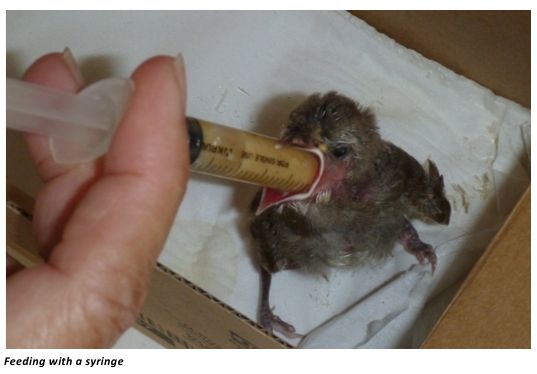
Hold the baby bird gently but firmly. Support its body with one hand. Use the other hand to offer food carefully. Avoid forcing food into the mouth. Let the bird open its beak on its own. Feed small amounts slowly to prevent choking.
Frequency And Portion Sizes
Feed the baby bird often, as they need frequent meals. Younger birds need feeding every 15 to 20 minutes. Older birds require fewer feedings, about every 2 to 3 hours. Offer small portions each time. Overfeeding can cause health problems. Watch the bird’s crop to check if it is full.
Using Feeding Tools
Use proper tools for safe feeding. Small syringes or eyedroppers work well for liquid food. Soft spoons can be used for thicker mixtures. Clean tools before and after each feeding. Avoid sharp or rough objects that can hurt the bird. Sterilize tools regularly to prevent infections.
Nutritional Needs
Understanding the nutritional needs of a baby bird is key to helping it grow strong and healthy. Baby birds require a balanced diet that supports rapid growth, immune function, and energy. You might be surprised how specific their needs are compared to adult birds.
Essential Vitamins And Minerals
Baby birds need vitamins like A, D, E, and K to develop their bones, feathers, and overall health. Calcium is especially important for strong bones and beak formation. Without enough vitamin D and calcium, you might notice weak or deformed bones in your bird.
To provide these nutrients, consider foods rich in leafy greens, small amounts of egg yolk, or specialized bird supplements. Have you checked if your baby bird’s diet includes these crucial elements?
Protein Sources
Protein fuels growth and tissue repair in baby birds. High-quality protein can come from insects like mealworms, finely chopped cooked chicken, or commercial hand-feeding formulas designed for birds. Avoid giving too much fat or processed meat, as it can upset their delicate digestive system.
Observing your bird’s energy and feather development can tell you if the protein level is right. Are you offering enough variety to keep your baby bird’s protein intake balanced and effective?
Hydration Tips
Water is just as vital as food. Baby birds can dehydrate quickly, especially when feeding dry foods. Use a dropper to offer small amounts of water regularly, or provide moisture-rich foods like soaked pellets or fruits.
Be careful not to force water, as it can cause choking. Instead, watch your bird’s behavior and hydration signs like skin elasticity or droppings. Have you noticed any signs of dehydration, and how do you respond?

Credit: www.wmra.org
Foods To Avoid
Feeding a baby bird is a delicate task that requires careful attention to what you offer. Some foods can harm your little feathered friend or cause serious health issues. Knowing which foods to avoid helps you keep the baby bird safe and thriving.
Toxic Ingredients
Many common human foods contain ingredients toxic to baby birds. Avoid anything with caffeine, chocolate, or avocado—they can cause severe reactions or even be fatal.
Onions and garlic are also dangerous, leading to digestive upset or poisoning. Even small amounts of salt or sugar can disrupt a baby bird’s health. Always check ingredient labels before feeding anything new.
Choking Hazards
Baby birds have tiny throats, so some foods pose a serious choking risk. Hard seeds, nuts, and large chunks of fruit can get stuck and block their airways.
Instead, offer soft, finely chopped or mashed foods that are easy to swallow. Think about the size and texture carefully—what seems safe to you might be too risky for a baby bird.
Overfeeding Risks
It’s tempting to feed a baby bird often, but overfeeding can cause problems like obesity and digestive issues. Their tiny stomachs need time to digest and absorb nutrients properly.
Watch for signs of fullness, such as a rounded crop or lack of interest in food. Feeding too much or too frequently might seem caring, but it can actually harm your baby bird’s development.
Monitoring Growth And Health
Monitoring the growth and health of a baby bird is essential for its survival. Careful observation helps catch problems early. It ensures the bird receives the right care and nutrition. Watch for changes in behavior and physical condition daily. This attention supports healthy development and prevents illnesses.
Signs Of Proper Development
- Steady weight gain each day
- Bright, clear eyes
- Strong, coordinated movements
- Healthy skin and feathers emerging
- Alertness and responsiveness to sounds
- Regular feeding and digestion
Common Health Issues
- Weakness or lethargy
- Fluffed-up feathers for long periods
- Unusual droppings or diarrhea
- Swollen or discolored skin
- Difficulty breathing or wheezing
- Refusal to eat or drink
When To Consult A Vet
- Sudden weight loss or no weight gain
- Persistent vomiting or diarrhea
- Signs of injury or infection
- Unusual breathing sounds
- Behavior that shows distress or pain
- If unsure about any symptoms
Weaning And Transitioning
Weaning and transitioning your baby bird from a diet of soft, hand-fed meals to solid foods is a crucial phase that requires patience and attention. This period sets the foundation for your bird’s health and independence. Understanding how to introduce solids, encourage self-feeding, and adjust the diet as your bird grows will help you support a smooth transition.
Introducing Solid Foods
Start by offering soft, easily digestible foods like soaked pellets, finely chopped fruits, and cooked vegetables. Present these foods in small amounts and observe your bird’s reaction closely.
Use shallow dishes or your fingers to gently encourage tasting. Don’t rush the process—some birds take time to accept new textures and flavors.
- Mix softened pellets with formula initially to ease the change.
- Include familiar tastes alongside new ones to build comfort.
- Offer fresh water nearby to support digestion.
Encouraging Independence
As your baby bird grows, it’s vital to promote self-feeding to build confidence and skills. Place food in accessible areas to motivate exploration.
Try leaving small pieces of food in their cage and watch if they start picking at them. This natural curiosity often speeds up independence.
Remember, patience is key—some birds might need gentle encouragement daily.
- Limit hand-feeding gradually to boost self-reliance.
- Offer a variety of textures to keep interest high.
- Celebrate small successes to stay motivated yourself.
Adjusting Diet For Adult Birds
Once your bird consistently eats solids, it’s time to tailor the diet to its adult nutritional needs. Different species require different balance of seeds, pellets, fruits, and vegetables.
Consult species-specific guidelines and adjust portion sizes accordingly. Your bird’s energy levels and activity can help you gauge if the diet is adequate.
| Food Type | Examples | Purpose |
|---|---|---|
| Pellets | Formulated bird pellets | Complete nutrition base |
| Seeds | Sunflower, millet, safflower | Energy and variety |
| Fruits & Vegetables | Apple, carrot, spinach | Vitamins and minerals |
Is your bird showing signs of food boredom? Rotate new foods regularly to keep meals exciting and balanced.

Credit: swibirds.org
Frequently Asked Questions
What Is The Best Food For Baby Birds?
Baby birds thrive on a diet rich in protein. Offer soft insects, mealworms, and finely chopped hard-boiled eggs. Avoid processed foods and seeds initially. Fresh, natural food supports their growth and development effectively.
How Often Should Baby Birds Be Fed Daily?
Feed baby birds every 15 to 20 minutes from dawn to dusk. Frequent feeding mimics natural feeding by parent birds. This schedule helps maintain their energy and promotes healthy growth.
Can I Feed Baby Birds Milk Or Bread?
Avoid feeding baby birds milk or bread. Milk can cause digestive issues, and bread lacks necessary nutrients. Instead, provide protein-rich foods like insects or specialized bird formula for balanced nutrition.
When Can Baby Birds Start Eating Solid Food?
Baby birds can start eating soft solids at about two weeks old. Introduce finely chopped fruits, vegetables, and soaked seeds gradually. This helps their digestive system adjust to varied foods safely.
Conclusion
Feeding a baby bird requires care and attention. Choose food that meets its nutritional needs. Freshness matters. Offer small, easy-to-digest pieces. Avoid giving milk or bread. These can harm the bird. Watch for signs of hunger or distress. Adjust feeding as the bird grows.
Clean the feeding area often. This prevents disease. Remember, each bird species has unique dietary needs. Research is key. Consult an expert if unsure. A well-fed bird grows strong and healthy. Your effort makes a big difference. Keep learning and observing.
This way, you ensure the bird thrives.