
Have you ever stopped to wonder if feeding birds in Missouri is actually allowed? You might think it’s a simple, harmless act—just tossing a few seeds or crumbs outside.
But what if doing so could get you into trouble? Understanding the rules about feeding birds isn’t just about following the law; it’s about protecting wildlife and your community too. Keep reading, because what you’re about to discover might change how you interact with the birds around you—and why it matters more than you think.
Missouri Bird Feeding Laws
Missouri has specific rules about feeding birds and wildlife. These laws help protect animals and keep the environment safe. Knowing these rules is important for anyone who enjoys feeding birds in Missouri.
State Regulations On Feeding Wildlife
The Missouri Department of Conservation sets guidelines on feeding wild animals. Feeding some wildlife is illegal because it can cause harm. The laws aim to prevent animals from becoming dependent on humans.
Here are key points about state rules:
- Feeding deer is generally not allowed during certain seasons.
- Feeding birds is mostly allowed but with limits to avoid crowding.
- Feeding wildlife near roads or highways is prohibited for safety reasons.
- Using bait to attract certain animals for hunting is illegal.
Local Ordinances And Restrictions
Cities and counties in Missouri may have extra rules on bird feeding. These local laws protect residents and wildlife in urban areas. Some places ban feeding birds in public parks or near schools.
Common local restrictions include:
- Limits on the amount and type of food given to birds.
- Prohibitions on feeding birds that attract pests or large flocks.
- Rules about cleaning up leftover food to avoid health problems.
- Restrictions to protect endangered or sensitive species.
Check local laws before feeding birds outside your home. Following these rules helps keep Missouri’s birds safe and healthy.

Credit: www.yahoo.com
Reasons Behind Feeding Restrictions
Feeding birds may seem harmless, but it can cause several problems. Missouri has restrictions to protect the environment and public health. Understanding these reasons helps explain why feeding birds is sometimes illegal or discouraged.
Environmental Impact
Feeding birds can disrupt natural habits. Birds may gather in large groups around feeders. This can cause overpopulation in small areas. Such crowding harms local plants and soil. It also attracts predators and pests.
Birds may rely too much on human food. This reduces their natural foraging skills. Some foods given are unhealthy for birds. It can lead to malnutrition or disease. Feeding can also spread illnesses between bird populations.
Public Health Concerns
Bird feeding sites can create health risks for people. Large groups of birds produce droppings. These droppings may carry harmful bacteria and fungi. They can contaminate nearby areas and water sources.
Birds may also attract rodents and insects. These pests carry diseases harmful to humans. Feeding birds near homes increases chances of unwanted pests. It can lead to infestations and health hazards.
Common Areas With Feeding Bans
Knowing where bird feeding is banned can save you from unexpected fines and help protect local wildlife. In Missouri, certain areas have clear restrictions to maintain ecological balance and public safety. Let’s look at some common places where feeding birds is off-limits.
Public Parks And Nature Reserves
Many public parks and nature reserves in Missouri prohibit feeding birds. These rules help avoid overcrowding and aggressive behavior among bird populations.
Feeding birds here can also attract pests like rats and disrupt the natural food chain. Have you ever noticed how a few crumbs can quickly bring a swarm of pigeons? That’s exactly what these bans aim to prevent.
If you visit places like the Missouri Botanical Garden or Ha Ha Tonka State Park, check local signage. They often remind visitors about feeding restrictions to protect the environment.
Urban And Residential Zones
In urban and residential areas, bird feeding bans are often set to control mess and noise. Seed spills and droppings can damage property and create slippery sidewalks.
Feeding in these zones may also encourage large flocks that disturb neighbors or attract predators. Think about your own neighborhood—would you want a noisy group of birds gathering daily?
Some homeowners’ associations or city ordinances in Missouri explicitly ban feeding birds. It’s a good idea to check with your local municipality before putting out birdseed.
Penalties For Illegal Feeding
Understanding the penalties for illegal bird feeding in Missouri is crucial if you want to avoid unexpected troubles. The state takes these rules seriously to protect wildlife and the environment. Ignoring them could lead to fines or more severe legal consequences that affect your daily life.
Fines And Legal Consequences
If you feed birds where it’s prohibited, you might face fines that vary depending on the location and severity of the offense.
- Fines can range from $50 to several hundred dollars for repeat violations.
- In some cases, illegal feeding may lead to misdemeanor charges, which could involve court appearances.
- Habitual offenders risk escalating penalties, including community service or restrictions on property use.
Have you ever wondered how a simple act like feeding birds could land you in court? Many people don’t realize the legal risks until they receive a notice or fine.
Enforcement Agencies
Several agencies in Missouri work together to enforce bird feeding laws and protect wildlife habitats.
- Missouri Department of Conservation (MDC):Oversees wildlife protection and handles most feeding regulation complaints.
- Local law enforcement:Police or county officers may issue fines or citations if laws are broken on private or public property.
- Parks and Recreation Authorities:Enforce rules within state parks and recreational areas to maintain ecosystem balance.
Knowing which agency to contact can save you time if you have questions or want to report illegal feeding activities in your neighborhood.
Safe And Legal Bird Feeding Tips
Feeding birds in Missouri can be a joyful activity. It helps people connect with nature and supports local wildlife. Following safe and legal tips ensures birds stay healthy and protected. Feeding birds properly also avoids fines or harm to the environment.
Best Practices For Feeding Birds
- Use bird feeders designed for local species.
- Offer natural food like seeds, nuts, and fruits.
- Keep feeders clean to prevent disease spread.
- Place feeders away from windows to avoid bird collisions.
- Do not feed birds bread or processed human food.
- Feed birds in small amounts to prevent overfeeding.
- Provide fresh water for drinking and bathing.
- Check local rules about feeding birds in public areas.
Alternatives To Direct Feeding
- Plant native trees and shrubs that provide natural food.
- Create bird-friendly habitats with shelter and nesting spots.
- Support local wildlife organizations or bird sanctuaries.
- Use bird baths or water features to attract birds safely.
- Observe birds from a distance without disturbing them.
- Educate neighbors about legal and safe bird feeding.
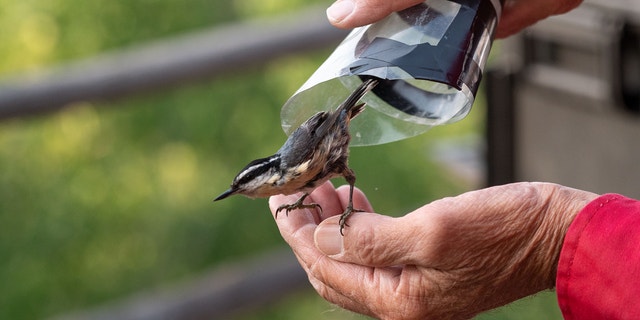
Credit: www.audubon.org
Benefits Of Bird Feeding When Legal
Feeding birds in Missouri can bring many benefits, but only when done legally. It’s important to respect local laws to protect both the birds and their environment. When you feed birds responsibly, you not only support their well-being but also create meaningful opportunities for learning and connection.
Supporting Local Wildlife
Providing food helps birds survive tough seasons, especially during cold winters or dry summers. You might notice more bird activity around your yard, which means your efforts are making a real difference. Offering native seeds or fruits can attract local species, helping to maintain the natural balance in your area.
Have you ever seen a small bird return day after day to your feeder? That simple act shows how feeding supports their daily energy needs and improves their chances of survival.
Educational Opportunities
Feeding birds creates a perfect chance to observe wildlife up close without disturbing their natural behavior. Watching different species interact at your feeder can teach you about their habits, diets, and even migration patterns.
This hands-on experience is especially valuable for children or anyone interested in nature. You might find yourself asking questions like: Which birds prefer sunflower seeds? How do they communicate? These moments turn your outdoor space into a living classroom.

Credit: www.wildlifenomads.com
Frequently Asked Questions
Is Feeding Birds Illegal In Missouri Parks?
Feeding birds in most Missouri parks is not illegal but may be restricted in certain areas. Always check local park rules before feeding birds to avoid fines or warnings.
What Are Missouri’s Laws On Feeding Wild Birds?
Missouri generally allows feeding wild birds but prohibits feeding certain protected species or causing nuisance conditions. Follow state guidelines to feed responsibly and legally.
Can I Feed Birds In Missouri Residential Areas?
Feeding birds in residential Missouri areas is usually legal but can attract pests. Use proper bird feeders and avoid overfeeding to prevent problems.
Are There Penalties For Illegal Bird Feeding In Missouri?
Yes, violating bird feeding regulations in Missouri can result in fines or warnings. Penalties vary depending on local ordinances and the severity of the offense.
Conclusion
Feeding birds in Missouri can be tricky. Laws vary by location. Always check local rules before feeding. Some places ban feeding to protect wildlife. Others allow it with guidelines. Respect nature and the environment. Feeding birds can be fun and educational.
But doing it responsibly is key. Consider the health of the birds and the ecosystem. Enjoy watching birds without breaking laws. Stay informed and mindful. This helps ensure a positive experience for everyone. Happy birdwatching!