
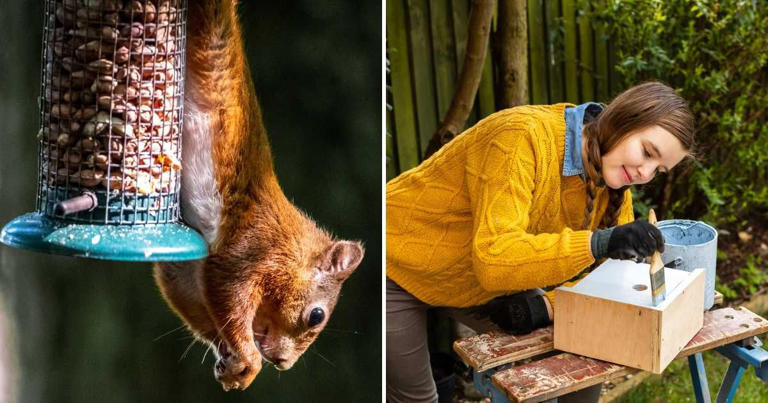
Are you wondering if it’s safe to paint your bird feeder? You want to make it look nice and attract colorful birds, but you also worry about harming the little visitors.
Choosing the right paint and knowing how to apply it can make all the difference. You’ll discover simple tips to keep your feathered friends safe while giving your feeder a fresh, beautiful look. Keep reading to learn exactly what you need to do before picking up that paintbrush!

Credit: www.birdwatchingdaily.com
Choosing Safe Paints
Choosing safe paints for your bird feeder is crucial to protect the birds and maintain a healthy environment. Not all paints are created equal, and some can release harmful chemicals that birds might ingest or inhale. Understanding which paints are safe helps you create a colorful feeder without risking your feathered friends’ health.
Non-toxic Paint Options
Look for paints labeled as non-toxic, especially those designed for children’s toys or furniture. These paints have passed safety tests and contain fewer harmful substances. Acrylic paints are a great choice because they dry quickly and are water-based, reducing the risk of toxic fumes.
Consider natural options like milk paint or plant-based paints that use safe ingredients. These paints often blend well with wood and create a rustic, bird-friendly finish. Have you ever thought about how many paint ingredients might be harmful just because they’re not clearly labeled?
Avoiding Harmful Chemicals
Some paints contain heavy metals like lead or cadmium, which are highly toxic to birds. Always check the label for any warnings or hazardous material listings. Avoid paints with solvents, ammonia, or VOCs (volatile organic compounds), as these can emit fumes that harm your birds.
Even if the paint feels dry, residues or flakes can still pose a risk if birds peck at the feeder. You want to pick paints that stay firmly attached and don’t chip easily. Could your choice of paint be the hidden danger to your garden visitors?
Water-based Vs Oil-based Paints
Water-based paints dry faster and have fewer fumes, making them safer for both you and the birds. They’re easier to clean up with just soap and water and don’t require harsh chemicals. Oil-based paints, on the other hand, have stronger fumes and take longer to dry, increasing the risk of bird exposure to harmful vapors.
While oil-based paints might offer a more durable finish, the health risks often outweigh the benefits. If you do choose oil-based, ensure the feeder is fully cured and aired out for several days before use. What’s more important to you: durability or the safety of the wildlife you want to attract?
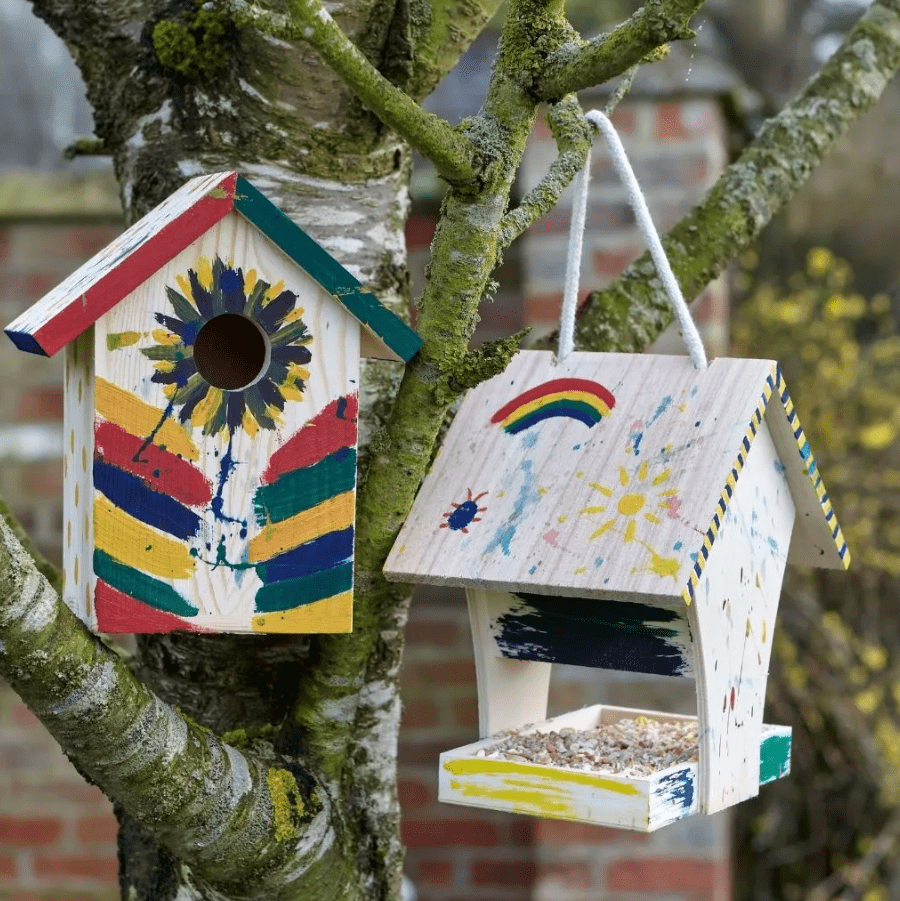
Credit: www.trowellgardencentre.co.uk
Preparing The Bird Feeder
Preparing your bird feeder before painting is crucial for both the safety of the birds and the durability of your project. A well-prepped surface ensures the paint sticks properly and doesn’t chip away, which could expose harmful substances. Taking the time to clean, sand, and prime your feeder can make all the difference in how it looks and lasts.
Cleaning Before Painting
Start by thoroughly cleaning the bird feeder to remove dirt, old paint, and any bird droppings. Use a mild soap and warm water solution, scrubbing gently with a soft brush or sponge. Rinse it well and let it dry completely in a sunny spot to avoid trapping moisture under the paint.
Have you noticed how even small bits of grime can prevent paint from sticking? Skipping this step often leads to peeling paint, which isn’t safe for birds. Clean surfaces help the paint adhere better and keep your feeder looking fresh for longer.
Sanding And Priming Tips
Once the feeder is clean and dry, lightly sand the surface to create a smooth, even base. Use fine-grit sandpaper and focus on any rough patches or flaking paint. This step helps the primer and paint bond more effectively.
After sanding, apply a non-toxic, water-based primer suitable for outdoor use. This layer protects the wood or metal beneath and creates a seal that keeps moisture out. Don’t rush this part—allow the primer to dry fully before adding your paint.
Think about how you want the final finish to look. A good primer not only boosts paint adhesion but can also brighten the color and protect your feeder from weather damage. Taking these prep steps seriously means a safer, longer-lasting bird feeder for your feathered friends.
Painting Techniques
Painting a bird feeder requires careful techniques to ensure safety and durability. The right approach helps protect the wood and keeps birds safe. Proper painting also improves the feeder’s look and lifespan.
Applying Even Coats
Use a soft brush or small roller for smooth application. Apply thin layers to avoid drips and clumps. Let each coat dry fully before adding another. Thin coats prevent paint from peeling or cracking later. Paint all sides evenly, including edges and corners. This protects the feeder from weather damage.
Drying Times And Ventilation
Paint needs time to dry completely before use. Follow the paint label for exact drying times. Drying in a well-ventilated area helps fumes escape fast. Avoid painting on humid or rainy days. Proper ventilation reduces the risk of harmful fumes near birds. Wait several days after painting before filling the feeder with seed.
Protecting Birds And Environment
Protecting birds and the environment is crucial when painting a bird feeder. Paint can add color and style, but safety must come first. Birds are sensitive to chemicals and harmful substances. The environment can also suffer from toxic paints. Choosing the right materials and placement helps keep wildlife safe and healthy.
Safe Placement Of Painted Feeders
Place painted feeders away from direct sunlight. Sunlight can heat the paint and release fumes. Avoid placing feeders near busy roads or areas with pollution. Choose shaded, quiet spots to reduce stress for birds. Keep feeders high enough to avoid predators. Clean feeders regularly to remove any paint chips or debris.
Avoiding Lead And Toxic Elements
Use non-toxic, water-based paints made for outdoor use. Avoid paints containing lead or harmful chemicals. Read labels carefully before buying paint. Natural, eco-friendly paints are safer for birds and plants. Let the paint dry fully before hanging the feeder outside. This reduces the chance of birds touching wet paint. Always wash hands after handling paint and feeders.
Maintaining Painted Feeders
Maintaining painted bird feeders helps protect the wood and keeps feeders looking fresh. Paint adds a layer of defense against weather and bird activity. Over time, paint can chip or fade, which may expose the feeder to damage. Regular care ensures the feeder stays safe and attractive for birds.
Regular Inspection For Paint Wear
Check the feeder often for peeling or cracked paint. Look closely at corners and edges where paint wears fastest. Pay attention to areas where birds perch and peck. Remove any loose paint flakes carefully to avoid harming birds. Early detection stops further damage and keeps the feeder safe.
Repainting And Touch-up Advice
Use non-toxic, water-based paint safe for birds when repainting. Lightly sand rough or chipped areas before applying new paint. Apply thin, even coats to prevent drips and clumps. Allow each coat to dry fully before adding another. Repainting in mild, dry weather gives best results and durability.

Credit: www.birdwatchingdaily.com
Frequently Asked Questions
Can You Safely Paint A Bird Feeder?
Yes, you can paint a bird feeder safely using non-toxic, water-based paints. These paints are safe for birds and the environment. Ensure the paint is fully dry before use to avoid any harm. Avoid lead-based or oil-based paints, as they can be toxic to birds.
What Kind Of Paint Is Best For Bird Feeders?
Use non-toxic, water-based paints for bird feeders. These are safe for birds and the environment. They provide a protective layer without harmful chemicals. Ensure the paint is suitable for outdoor use to withstand weather conditions. Always check labels for safety information before purchasing.
How To Prepare A Bird Feeder For Painting?
Start by cleaning the bird feeder thoroughly. Remove any dirt, residue, or old paint. Sand the surface lightly to ensure paint adherence. Use a primer suitable for the material of the feeder. This will ensure a smooth and durable finish.
Always follow safety guidelines when preparing for painting.
Does Paint Affect The Birds’ Health?
Yes, certain paints can harm birds’ health. Avoid lead-based or oil-based paints, as they are toxic. Opt for non-toxic, water-based paints instead. These are safe and do not release harmful chemicals. Always ensure the paint is fully dry before using the feeder for birds.
Conclusion
Painting a bird feeder can be safe with the right materials. Use non-toxic, water-based paints made for outdoor use. Avoid paints with harmful chemicals that can hurt birds. Let the paint dry completely before filling the feeder. Clean the feeder regularly to keep birds healthy.
A well-painted feeder lasts longer and looks nice. Always think about the birds’ safety first. Painting your feeder can add color without causing harm. Simple steps make a big difference for bird care.