
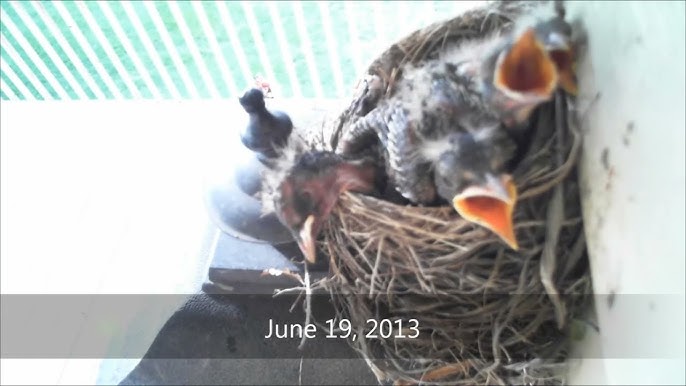
Finding a newborn abandoned bird can pull at your heartstrings. You want to help, but you might wonder, “What can I feed this tiny creature to keep it alive and healthy?” Feeding a baby bird is not as simple as giving it any food you have at home.
The right nutrition is crucial for its survival and growth. You will discover exactly what to feed newborn abandoned birds, how often to feed them, and the best ways to care for these fragile lives. Keep reading—your quick actions and knowledge could make all the difference for that little bird’s future.
Identifying Newborn Abandoned Birds
Finding a newborn bird alone can be worrying. It is important to know if the bird is truly abandoned or just temporarily left by its parents. Identifying abandoned newborn birds helps you decide the right care and feeding. You can protect the bird’s life with quick and correct action.
Signs Of Abandonment
- Bird stays alone for many hours without parent visits.
- No signs of feeding or fresh droppings near the nest.
- Bird looks cold, weak, or shivering.
- Feathers are wet or dirty, showing lack of care.
- Parents do not return even when you watch for a long time.
Common Species Found
- House Sparrows – often nest in urban areas.
- Pigeons – common in cities and parks.
- Robins – found in gardens and wooded areas.
- Blue Jays – seen in suburban regions.
- Swallows – nest under roofs and bridges.
Assessing Bird Health
- Check if the bird is breathing smoothly and regularly.
- Look for injuries or wounds on wings and body.
- Observe alertness and response to sounds or movements.
- Feel the body gently for warmth and strength.
- Note any unusual droppings or discharge from eyes or nose.

Credit: www.petsradar.com
Immediate Care For Newborn Birds
Newborn abandoned birds need quick and gentle help. Their first hours are very important for survival. Providing proper care helps them grow strong and healthy. Immediate care focuses on warmth, safe handling, and protection from harm. This section explains how to give the best start to these fragile creatures.
Creating A Warm Environment
Newborn birds cannot regulate their body temperature. They need a warm and cozy place to stay. Use a small box or container with soft cloth inside. Keep the temperature between 85°F and 90°F (29°C to 32°C) at first. Avoid direct heat sources that can burn the bird. A heating pad on low or a warm water bottle wrapped in cloth works well. Check the warmth often to ensure comfort.
Handling Techniques
Handle newborn birds with clean, gentle hands. Avoid sudden movements that might scare them. Use soft gloves or a clean cloth to pick them up. Support their whole body to prevent injury. Keep handling time short to reduce stress. Always wash hands before and after touching the bird. Gentle care helps build trust and reduces fear.
Safety Precautions
- Keep the bird away from pets and children.
- Do not feed the bird anything without proper guidance.
- Prevent drafts and loud noises in the care area.
- Monitor the bird closely for signs of illness or distress.
- Contact a wildlife rehabilitator or vet as soon as possible.
Safety and comfort are key to helping newborn birds survive. Careful actions protect these tiny lives during their most vulnerable time.
Choosing The Right Food
Choosing the right food for newborn abandoned birds is crucial for their survival and growth. The wrong diet can lead to malnutrition or even be fatal. Understanding what to feed them helps you provide the best care and improves their chances of thriving.
Natural Diet Vs. Commercial Formulas
Newborn birds naturally eat what their parents provide, usually a mix of insects, seeds, or regurgitated food. Mimicking this natural diet is ideal but can be challenging without access to fresh ingredients.
Commercial formulas are designed to meet the nutritional needs of baby birds and are often easier to use. These formulas come in powder or liquid form and are usually balanced for protein, fats, and vitamins.
Which option suits your situation better? If you can source safe, fresh insects or fruits, natural feeding might work. Otherwise, a reliable commercial formula ensures your bird gets what it needs without guesswork.
Nutritional Requirements
Newborn birds need a high-protein diet to support rapid growth and development. Protein sources like insects or specialized formula are essential.
They also require fats for energy and calcium for bone strength. Vitamins A, D, and E support their immune system and overall health.
Balancing these nutrients helps prevent common problems like weak bones or poor feather growth. You can check formula labels or consult a vet to confirm the nutrient profile meets these needs.
Avoiding Harmful Foods
Not all foods safe for adult birds are good for newborns. Avoid feeding bread, milk, or processed human food as they can cause digestive issues.
Also, steer clear of foods with high salt, sugar, or artificial additives. These substances harm their fragile systems and delay recovery.
Ask yourself: could this food cause harm even if it seems harmless? When in doubt, stick to proven formulas or natural foods known to be safe for baby birds.
Feeding Methods And Schedules
Feeding newborn abandoned birds requires careful attention to both methods and schedules. Proper feeding ensures they get enough nutrients to grow strong and healthy. Birds have delicate needs that change as they age. Using the right tools, feeding at the correct times, and applying proper techniques makes a big difference. This section covers essential tips for feeding these tiny birds safely and effectively.
Hand-feeding Tools
Choosing the right tools helps feed newborn birds gently and safely. Use small syringes or eyedroppers to control the food amount. Soft spoons or feeding tubes work well for very tiny birds. Warm the feeding tools before use to avoid chilling the bird. Clean all tools thoroughly after every feeding. This prevents infections and keeps the bird healthy.
Feeding Frequency By Age
| Age of Bird | Feeding Frequency | Notes |
|---|---|---|
| Newborn to 1 week | Every 15-20 minutes | Feed from dawn to dusk, no long breaks |
| 1 to 2 weeks | Every 30 minutes | Reduce frequency slowly as bird grows |
| 2 to 3 weeks | Every 45 minutes | Introduce soft solid foods gradually |
| 3 weeks and older | Every 1-2 hours | Encourage self-feeding and variety |
Proper Feeding Techniques
- Hold the bird gently but firmly to avoid injury.
- Warm the food to around 100°F (38°C) before feeding.
- Feed slowly to prevent choking or aspiration.
- Place the food at the side of the beak or inside the mouth carefully.
- Allow the bird to swallow before offering more food.
- Wipe the bird’s face and beak after feeding to keep clean.
- Keep the bird warm and comfortable during and after feeding.
Hydration Needs
Newborn abandoned birds need water just as much as food. Hydration is critical for their survival and healthy growth. Their tiny bodies lose water quickly, so offering water carefully is essential. Without enough water, birds can become weak and sick fast. Understanding how to provide water safely and spotting dehydration signs can save their lives.
Providing Water Safely
Use a small dropper or syringe to give water. Avoid using a bowl or open container; birds can choke or drown. Offer water slowly, little by little, to prevent aspiration. Make sure the water is clean and at room temperature. Never force water into the bird’s mouth. Keep the feeding area calm and quiet to reduce stress.
Signs Of Dehydration
Watch for these signs to know if the bird needs water:
- Dry or wrinkled skin
- Sunken eyes
- Weakness or lethargy
- Sticky or dry mouth
- Cold body temperature
Dehydration can quickly lead to serious problems. Act fast if you notice any of these symptoms. Providing water carefully and watching for signs keeps newborn birds strong and healthy.

Credit: www.reddit.com
Monitoring Growth And Development
Monitoring the growth and development of newborn abandoned birds is key to ensuring they thrive under your care. Keeping a close eye on their progress allows you to spot any early signs of trouble and adjust feeding or care routines accordingly. You become their best advocate by understanding what normal growth looks like and what behaviors to expect at each stage.
Tracking Weight Gain
Weighing the bird daily is one of the simplest ways to monitor health. Use a small, accurate scale and record the weight consistently at the same time each day. A steady increase in weight generally means your feeding plan is working well.
If the bird’s weight stays the same or drops, it’s a red flag that the feeding amounts or formula might need adjustment. Have you noticed your bird is losing weight despite feeding frequently? That’s a signal to reassess quickly.
Behavioral Milestones
Newborn birds show clear behavioral signs as they develop, such as increased activity, vocalizations, and feather growth. Watching these milestones helps you understand if the bird is progressing normally.
For example, by the second week, most chicks start to open their eyes and respond more to sounds. If your bird remains unusually lethargic or unresponsive, it might need more care or a different environment.
When To Seek Expert Help
It’s important to know when professional intervention is necessary. If you observe persistent weight loss, refusal to eat, or unusual behaviors like constant trembling, don’t hesitate to contact a wildlife rehabilitator or avian vet.
Early action can make a big difference in survival and recovery. Have you prepared contact info for local experts before starting your rescue efforts? Being ready can save precious time in an emergency.
Preparing For Release Or Long-term Care
Preparing abandoned newborn birds for release or long-term care requires careful planning and attention to their changing needs. The goal is to help these fragile creatures develop the skills they need to survive on their own or to thrive in a safe environment. How you approach this phase can make a huge difference in their future well-being.
Weaning Process
Weaning is a gradual transition from hand-feeding formula to solid foods. Start by offering soft, easily digestible items like finely chopped fruits or insects alongside their usual formula.
Offer small amounts frequently and watch how the bird responds. You want to encourage natural eating habits without causing stress or nutritional gaps.
Patience is key here—some birds take longer to accept new foods. Have you noticed how some birds eagerly explore new tastes while others seem hesitant? This difference affects how you plan their feeding schedule.
Building Survival Skills
Feeding alone isn’t enough; birds need to learn how to find food and protect themselves. Create opportunities for them to practice flying, hunting, and recognizing dangers in a controlled space.
Use natural branches and hiding spots to simulate their environment. Watching a chick slowly gain confidence as it hops and flaps reminds you that these skills come with practice.
Try to limit human interaction gradually to prevent dependency. Could you imagine a bird relying on you forever? Encouraging independence ensures they’re ready for real life outside your care.
Legal And Ethical Considerations
Caring for abandoned birds comes with responsibilities beyond feeding and nurturing. Different regions have specific laws regarding wildlife rehabilitation and release permissions.
Check with local wildlife authorities before planning a release. You might need permits or expert advice to ensure you’re following the right protocols.
Ethically, consider the bird’s best interest—is release truly in its favor, or is long-term care safer? Sometimes, human intervention means making tough choices to protect these vulnerable animals.
Credit: www.petsradar.com
Frequently Asked Questions
What Is The Best Food For Newborn Abandoned Birds?
Newborn abandoned birds thrive on a diet of soaked dog or cat kibble mixed with baby bird formula. Avoid milk or bread. This combination provides essential nutrients for their growth and survival.
How Often Should I Feed A Newborn Abandoned Bird?
Feed newborn abandoned birds every 15 to 20 minutes during daylight hours. Frequent feeding mimics natural parental care and supports healthy development in these vulnerable birds.
Can I Use Homemade Food For Baby Abandoned Birds?
Yes, homemade food can work if it contains soaked dog kibble, boiled eggs, and bird formula. Ensure it is finely mashed and nutrient-rich to meet their dietary needs.
Should I Warm The Food Before Feeding Abandoned Birds?
Always warm the food to about body temperature before feeding. Cold food can cause digestive problems and stress for newborn abandoned birds, hindering their growth.
Conclusion
Caring for newborn abandoned birds requires patience and care. Provide them with warmth and proper food. Small, frequent meals keep them healthy. Pre-digested foods like soaked dog kibble work well. Use tweezers to offer food gently. Avoid giving water directly.
Observe their growth and adjust feeding as needed. Consult a vet for guidance if unsure. Helping these tiny creatures thrive offers great satisfaction. Your efforts can make a difference in their survival. Keep learning and stay dedicated. Nature appreciates your kindness.