
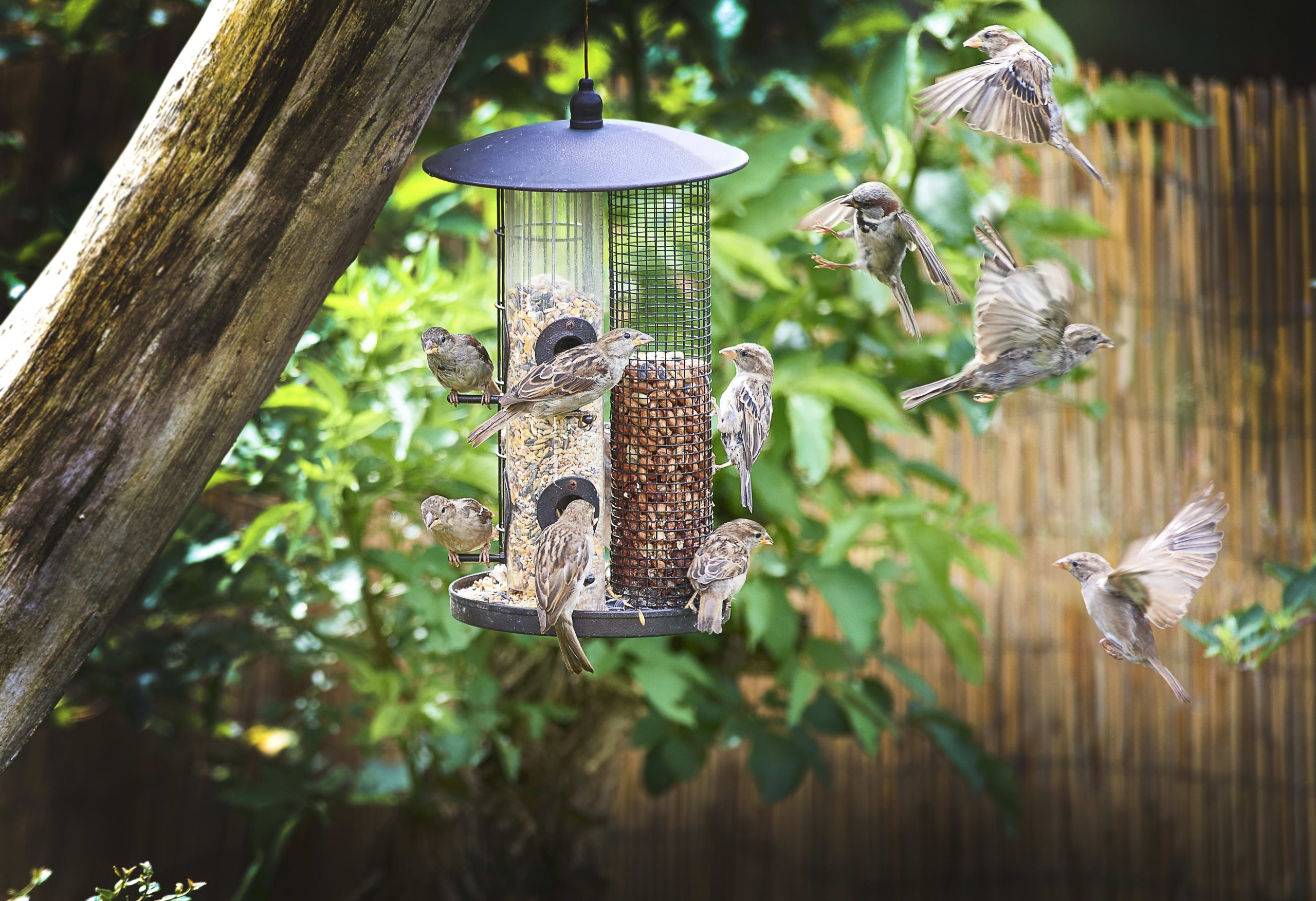
Have you ever looked under your bird feeder and wondered what’s growing there? You’re not alone.
That little patch of green, or maybe something more surprising, can tell you a lot about your backyard and the birds visiting it. Understanding what’s sprouting beneath your feeder can help you create a healthier space for your feathered friends—and maybe even uncover a hidden garden right outside your door.
Keep reading to discover what might be growing under your bird feeder and why it matters to you and your birds.
Credit: dengarden.com
Common Plants Beneath Bird Feeders
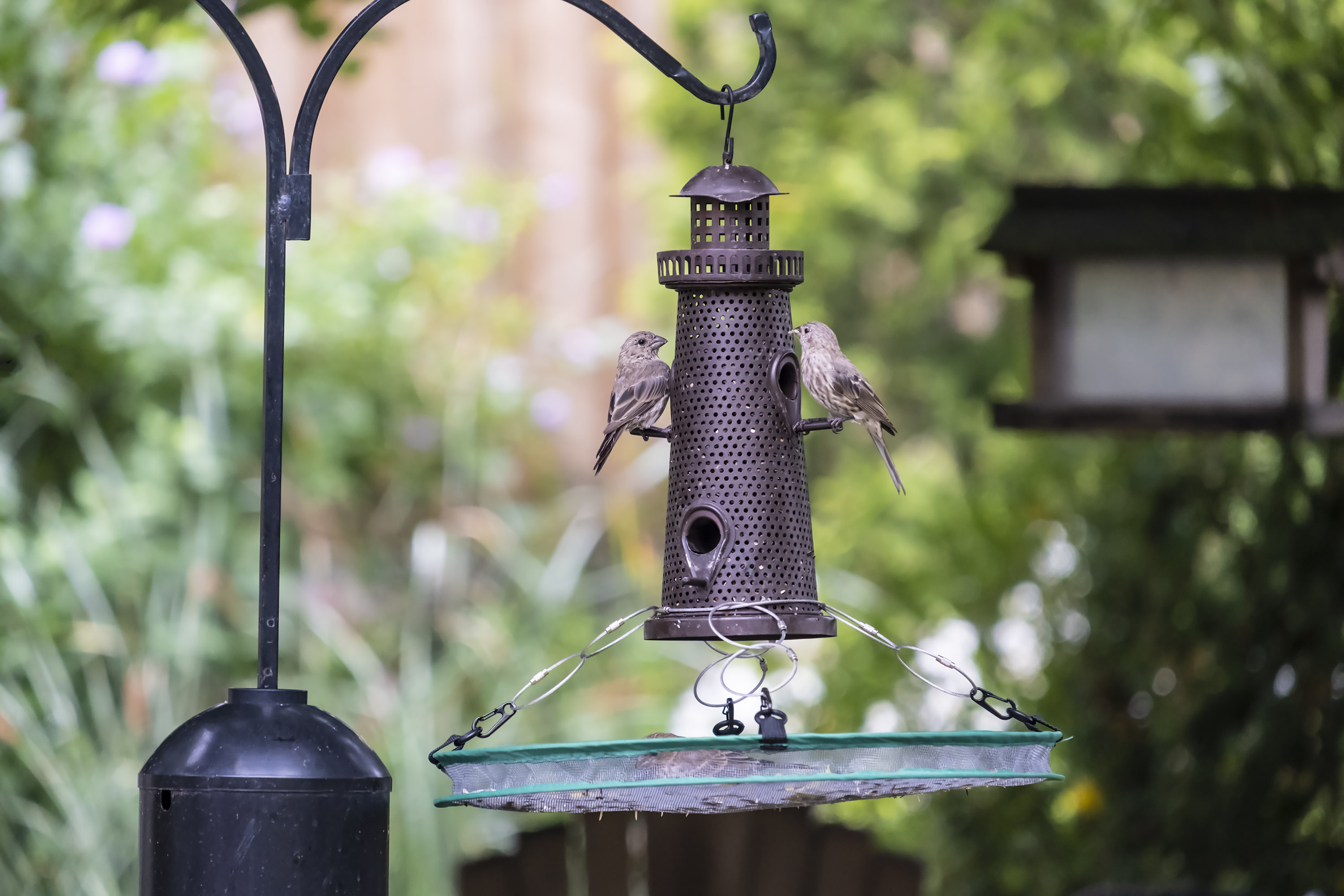
Under bird feeders, various plants often grow. These plants thrive because bird feeders drop seeds and bird droppings. Understanding these plants helps in garden care and bird feeding habits. The most common plants include seedlings from droppings, weeds from spilled seeds, and moss or algae in damp spots.
Seedlings From Bird Droppings
Bird droppings contain seeds from the birds’ diet. These seeds can sprout under the feeder. Small seedlings often appear in clusters. They grow quickly in nutrient-rich droppings. Many of these seedlings are native plants or wildflowers. They add natural greenery beneath feeders without extra effort.
Weeds Thriving On Spilled Seeds
Seeds spilled by birds fall to the ground. Some seeds come from commercial bird feed mixes. These seeds sprout easily, especially in disturbed soil. Common weeds include dandelions, chickweed, and clover. These plants grow fast and may crowd other garden plants. Regular weeding keeps the area tidy.
Moss And Algae Growth Patterns
Moss and algae appear in damp, shaded areas under feeders. Bird droppings and spilled water create moist conditions. Moss forms soft green mats on soil or stones. Algae grow in thin, slippery layers on hard surfaces. Both thrive in low light and high moisture. They can indicate poor drainage or shade.
How Bird Feeders Affect Soil And Plants
Bird feeders do more than just attract birds. They also change the soil and plants beneath them. These changes can be both helpful and harmful. Understanding how feeders affect the ground helps gardeners take better care of their yards.
Nutrient Enrichment From Droppings
Bird droppings add nutrients like nitrogen and phosphorus to the soil. These nutrients act like natural fertilizer. Plants often grow greener and stronger where droppings fall. But too much can harm delicate plants by burning their roots.
Soil Compaction And Disturbance
Birds gather under feeders and walk on the soil. This activity compacts the soil, making it harder for air and water to reach roots. Compacted soil can slow plant growth and reduce soil health. The digging and scratching birds do also disturb young plants.
Moisture Retention Changes
Droppings and seeds left under feeders affect how soil holds water. Some areas may stay wetter longer, which can cause mold or rot. Other spots might dry out faster because plants are damaged or soil is compacted. These moisture shifts change which plants can thrive.
Unexpected Inhabitants Under Feeders
Have you ever glanced under your bird feeder and wondered what’s growing or living there? The space beneath feeders often hosts more than just spilled seeds. It creates a small ecosystem that can surprise you with its variety of life forms.
Insects Attracted To Leftover Seeds
Leftover seeds are a magnet for many insects. Ants, beetles, and even certain types of moth larvae find these seeds a perfect food source.
These insects can actually benefit your garden by breaking down organic material. But too many can become a nuisance or attract unwanted predators to your yard.
Small Mammals And Their Impact
Small mammals like squirrels, mice, and chipmunks often make a home under bird feeders. They search for easy meals and sometimes nest nearby.
While their presence can be entertaining, they may also cause damage by digging or spreading seeds where you don’t want them. Have you noticed more holes or scattered seed husks around your feeder?
Fungal Growth And Decomposition
Moisture combined with leftover food creates ideal conditions for fungi to grow. Mushrooms and mold can appear under feeders, feeding on decaying organic matter.
This decomposition process returns nutrients to the soil but can also pose health risks to birds and pets if left unchecked. Regularly clearing the area can help keep fungal growth under control.
Credit: dengarden.com
Seasonal Changes In Growth Patterns
Observing what grows under your bird feeder can be a fascinating way to connect with the changing seasons. Each season brings unique growth patterns that reflect shifts in weather, sunlight, and bird activity. Understanding these patterns can help you manage your garden and even attract the birds you want.
Spring Sprouts And Seedling Surges
Spring is a time of rapid growth. Seeds dropped by birds start to germinate, leading to a burst of green shoots beneath your feeder.
You might notice tiny seedlings pushing through the soil, often fast-growing weeds or wildflowers. This early growth signals warmer temperatures and longer daylight hours.
Have you ever checked to see which plants appear first in your garden? It’s a simple way to track the arrival of spring.
Summer Plant Diversity
By summer, the area under your feeder transforms into a diverse patch of plants. Some are sun-loving flowers while others are hardy weeds thriving in the heat.
Birds scatter a wider variety of seeds, and the warmer weather encourages a mix of species to grow. You might find clover, dandelions, or even small grasses taking root.
Think about how this diversity supports local wildlife. More plants mean more insects and food sources for the birds you enjoy watching.
Winter Dormancy And Surprises
Winter brings a slowdown. Most plants go dormant, leaving the ground under your feeder looking bare or covered with dead leaves.
However, some surprising growth can occur, like hardy evergreen seedlings or mosses that thrive in cooler, damp conditions.
Have you noticed any unexpected green patches during winter? These can offer clues about the resilience of certain plants in your area.
Managing Growth Under Your Feeder
Managing growth under your bird feeder helps keep the area clean and safe for birds. Plants can grow quickly beneath feeders due to spilled seeds and bird droppings. Some plants might attract unwanted pests or block the feeder. Taking care of this growth keeps your yard healthy and welcoming for birds.
Safe Removal Of Unwanted Plants
Remove unwanted plants carefully to avoid disturbing the soil too much. Pull weeds by hand when the soil is moist for easier removal. Use a small garden tool to dig out stubborn roots. Avoid chemical herbicides near feeders to protect birds and wildlife. Dispose of removed plants far from the feeder to prevent regrowth.
Choosing Feeder Locations Wisely
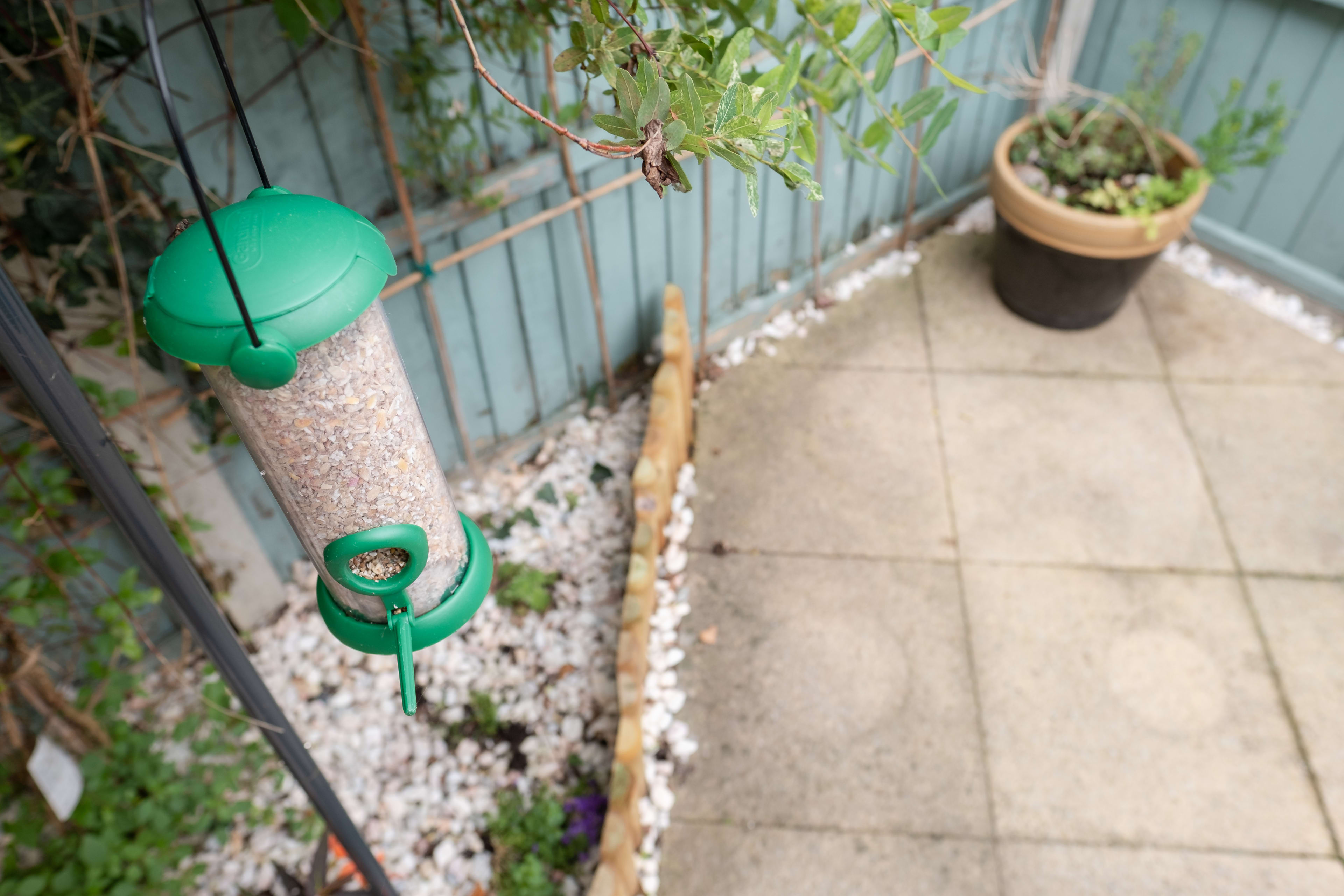
Place feeders away from flower beds and delicate plants. Choose hard surfaces like gravel or mulch underneath feeders. These surfaces reduce plant growth and make cleaning easier. Position feeders near trees or shrubs for bird cover but not too close to avoid damage. Change feeder spots occasionally to prevent soil nutrient build-up.
Encouraging Beneficial Growth
Some plants can help keep the area healthy and safe. Low-growing ground covers prevent erosion and control weeds naturally. Native plants attract insects that birds eat and provide shelter. Use mulch to retain soil moisture and reduce unwanted growth. Planting beneficial species creates a balanced habitat under your feeder.
Credit: dengarden.com
Frequently Asked Questions
What Plants Commonly Grow Under Bird Feeders?
Weeds, grasses, and volunteer plants often grow under bird feeders. Seeds dropped by birds sprout quickly in these areas. Common plants include dandelions, chickweed, and clover. These plants thrive due to the nutrients from bird droppings and spilled seeds.
Why Do Weeds Appear Under Bird Feeders?
Weeds grow because bird feeders drop seeds on the ground. These seeds germinate and create a patch of plants. The nutrient-rich environment encourages weed growth. Regular cleaning can reduce this problem and keep the area tidy.
How Can I Prevent Plants Growing Under My Bird Feeder?
To prevent growth, place feeders over gravel or mulch. Clean up fallen seeds regularly. Use seed trays or feeders with catch basins. These methods limit seed spillage and reduce unwanted plant growth.
Are The Plants Under Bird Feeders Harmful To Birds?
Most plants growing under feeders are harmless. However, some weeds can attract pests or mold. Keeping the area clean helps maintain bird health. Avoid using herbicides near feeders to protect birds.
Conclusion
Discovering plants under your bird feeder can be fascinating. Seeds dropped by birds often sprout, creating unexpected greenery. This natural growth adds life to your garden. You might find sunflowers, millet, or even wildflowers. Each plant tells a story of its journey from seed to sprout.
Observing this can deepen your connection with nature. Consider leaving some plants to grow. They might attract more birds and insects. Keep an eye on what thrives there. It’s a simple joy to see new life emerging. A little attention can reveal wonders right under your feeder.