
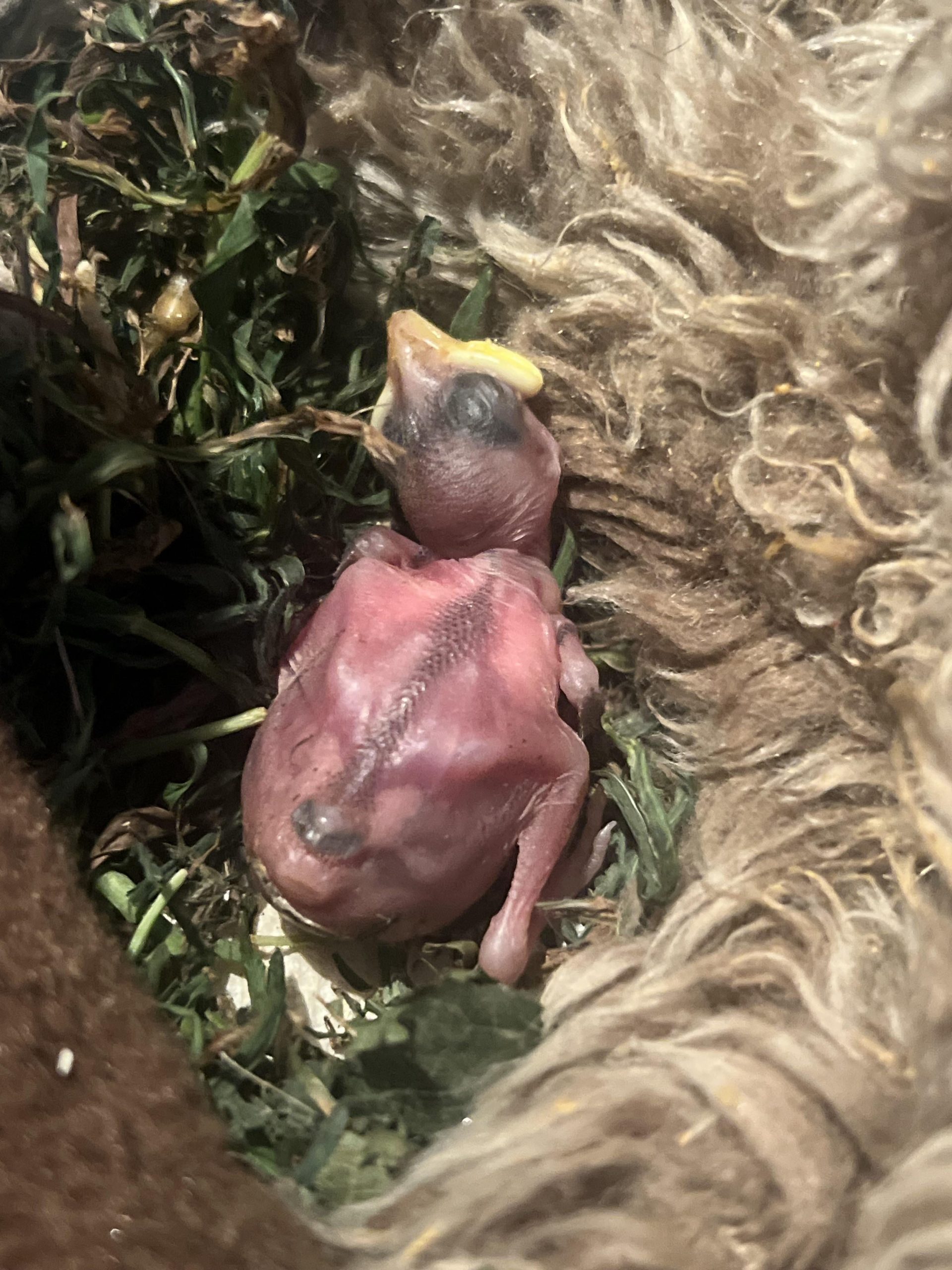
Finding a baby nestling bird without feathers can be both surprising and concerning. You might wonder, “What should I feed it to keep it healthy and growing?” Feeding a tiny, featherless bird isn’t as simple as giving it just any food.
Your choices now can make a big difference in its survival and development. You’ll discover the best foods, feeding techniques, and important tips to help you care for these fragile little birds. Keep reading to give your featherless friend the best chance at life.
Credit: www.petsradar.com
Identifying A Nestling Bird
Identifying a nestling bird is the first step in helping a featherless baby bird. Nestlings look very different from adult birds. They need special care and feeding. Knowing how to spot a featherless nestling helps you decide what to do next. These young birds are fragile and need gentle handling.
Physical Traits Of Featherless Nestlings
- Soft, pink or pale skin without feathers
- Closed or barely open eyes
- Small size, often fitting in your palm
- Thin, fragile legs and wings
- Large heads compared to their bodies
- Visible veins under the skin
Featherless nestlings cannot regulate their body temperature well. They rely on their parents or warmth from the environment. Their skin may look translucent. They often have a weak, high-pitched chirp when hungry.
Signs Of Distress Or Abandonment
- Lack of adult birds nearby for several hours
- Bird appears cold or shivering
- Weak or continuous crying without feeding
- Visible injuries or dirt on the body
- Featherless bird found on the ground away from nest
Distressed nestlings may look lethargic or too quiet. Abandoned birds need immediate attention. Offering warmth and proper food can save their lives. Always observe from a distance first to confirm abandonment.
Nutritional Needs Of Nestlings
Feeding a baby nestling bird without feathers requires a clear understanding of its unique nutritional needs. These tiny creatures are in a critical growth phase, and the food you provide must support rapid development and maintain their delicate health. Knowing exactly what nutrients to focus on can make a big difference in their survival and growth.
Caloric Requirements
Baby nestlings burn a lot of energy just staying warm and growing fast. Their small bodies need more calories per gram than adult birds. You should offer food that is energy-dense but easy to digest, like soft insects or specialized formula.
Think about your own energy needs as a comparison. When you’re growing or healing, you eat more calories too. Nestlings are no different—they need continuous feeding to keep their energy up.
Protein And Fat Importance
Protein is essential for building feathers, muscles, and organs. Without enough protein, a nestling’s growth will slow, and it may become weak. Fat provides a concentrated energy source and helps with cell development and brain growth.
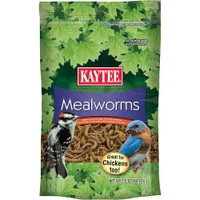
Focus on feeding high-protein, moderate-fat foods such as finely chopped mealworms or small insects. Avoid fatty foods that are too heavy, as nestlings can struggle to digest them properly.
Hydration Needs
Even though nestlings get most of their water from their food, they still need extra hydration, especially in warm environments. Dehydration can happen quickly and is dangerous for featherless babies.
You can offer hydration by moistening their food or providing tiny drops of water carefully. Watch for signs of dehydration, like lethargy or dry skin, and adjust feeding accordingly.
Safe Food Options
Feeding a baby nestling bird without feathers requires careful attention to what you offer. Choosing safe food options is crucial to support their fragile development and avoid harm. The right diet will help your little bird grow strong and healthy during this vulnerable stage.
Insects And Worms
Insects and worms provide essential protein and nutrients that baby birds need to thrive. Mealworms, crickets, and small caterpillars are great options you can find or buy from pet stores. Avoid wild insects from treated areas to keep your bird safe from pesticides.
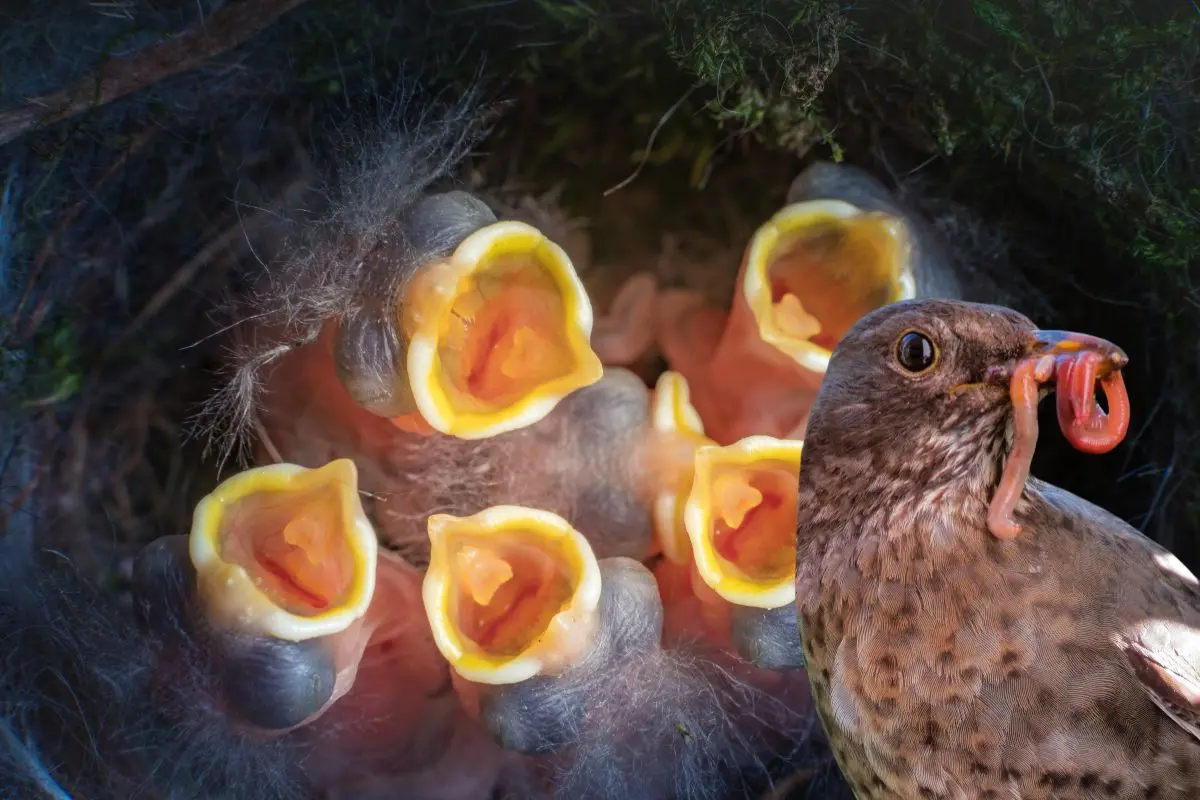
If you’ve ever watched birds feed their chicks, you’ll notice they bring live bugs regularly. It’s nature’s way of giving the perfect nutrition. You can mimic this by offering soft, chopped insects that are easy to swallow.
Soft Fruits And Vegetables
Soft fruits and vegetables add vitamins and hydration to a baby bird’s diet. Small pieces of peeled apples, bananas, and cooked carrots work well. Avoid citrus fruits or anything too acidic, as these can upset their delicate system.
Try mashing the fruits and veggies into a smooth paste. This makes it easier for the nestling to eat and digest. Have you considered how much moisture these foods add? It’s important because young birds get most of their water from their food.
Commercial Baby Bird Food
Commercial baby bird food is specially formulated to cover all nutritional needs. These products are designed to be safe and balanced for featherless nestlings. You can find powder or gel forms that mix with water for easy feeding.
Using commercial food can save you time and reduce guesswork. Just make sure to follow the package instructions closely. Have you thought about blending this with natural foods to give your bird variety and extra nutrients?
Credit: besgroup.org
Preparing Food For Feeding
Preparing food for a baby nestling bird without feathers requires careful attention to ensure the little one receives the right nutrients in a safe and digestible form. The texture, ingredients, and temperature of the food all play critical roles in the bird’s survival and growth. You’ll want to create a feeding routine that mimics the natural diet while keeping the baby bird comfortable and healthy.
Proper Food Texture
The texture of the food should be soft and smooth enough for the nestling to swallow easily. Chopped or mashed insects, soaked dog kibble, or specially made bird formula can work well if blended to a pudding-like consistency. Avoid lumps or anything too chunky because the baby bird’s throat and mouth are very delicate.
Have you noticed how quickly a tiny throat can get blocked? That’s why you need to test the food by gently pressing a small amount between your fingers—it should feel moist and smooth, not gritty or sticky. This simple check can save your baby bird from choking or struggling with digestion.
Avoiding Harmful Ingredients
Never add salt, sugar, milk, or bread to the food. These common kitchen items might seem harmless but can harm the nestling’s digestive system or cause dehydration. Stick to natural, bird-safe ingredients like finely chopped insects, boiled egg yolk, or specialized bird formulas available at pet stores.
Remember, even small amounts of harmful substances can lead to serious health problems. If you’re uncertain about an ingredient, it’s better to leave it out than risk the baby bird’s wellbeing. Have you checked the labels of any commercial bird foods you consider? Always verify they are suitable for young nestlings.
Maintaining Food Temperature
The temperature of the food is crucial for encouraging feeding and preventing digestive issues. Warm the food to about body temperature—roughly 100°F (38°C)—before offering it. Too cold or too hot food can cause the baby bird to refuse feeding or get sick.
Use a thermometer or test the food on your wrist to ensure it feels pleasantly warm, not hot. You might be surprised how sensitive these tiny birds are to temperature changes. Keeping the food just right shows that you truly care about the little life you’re nurturing.
Feeding Techniques
Feeding a baby nestling bird without feathers requires gentle hands and careful attention. The techniques you use can make a big difference in the bird’s survival and growth. You need to be precise with how you feed, how often, and how much to offer, while watching closely for signs that your care is working.
Using Syringes And Tweezers
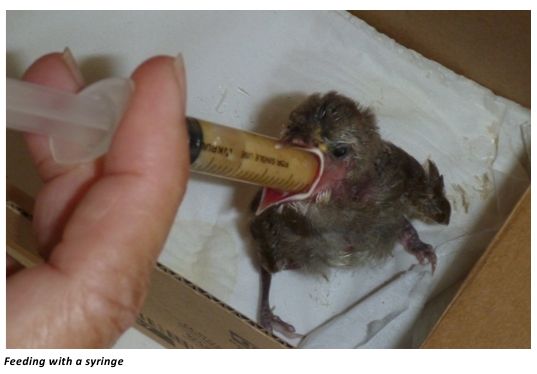
Syringes are excellent tools to feed tiny, featherless nestlings because they allow you to control the flow of food. Use a small syringe without a needle and fill it with a soft, nutritious mixture. Gently place the tip near the bird’s beak and release small amounts slowly to avoid choking.
Tweezers work well for feeding small insects or bits of soft food. Hold the food carefully and offer it to the bird’s open mouth. Be patient—sometimes the nestling needs a little encouragement to accept food from tweezers.
Feeding Frequency And Amounts
Baby birds without feathers need feeding every 15 to 30 minutes during daylight hours. This frequent feeding mimics how parent birds care for their young. Start with small amounts—too much can cause discomfort or regurgitation.
Watch the bird’s crop (the soft pouch on its neck). It should fill but not become overly swollen. You can adjust feeding amounts based on how quickly the crop empties before the next feeding.
Signs Of Proper Feeding
How can you tell if your feeding technique is working? A well-fed nestling will be alert, active, and steadily gaining weight. The crop should feel soft but full after feeding and empty gradually over the next few hours.
If the bird is lethargic, refuses food, or shows signs of swelling or regurgitation, you may need to adjust your feeding method or consult a wildlife expert. Are you noticing steady progress in your little bird’s behavior and growth? That’s the best sign you’re on the right track.
When To Seek Wildlife Expert Help
Knowing when to seek help from a wildlife expert is crucial when caring for a baby nestling bird without feathers. Not every situation can be safely handled at home, and some conditions require professional attention to give the bird the best chance of survival. Understanding the signs that indicate a need for expert care will protect both you and the fragile bird in your care.
Recognizing Medical Issues
Pay close attention to the bird’s behavior and physical condition. If the nestling is lethargic, not eating, or breathing with difficulty, these are red flags. You might also notice injuries, such as bleeding or broken limbs, or signs of dehydration like sunken eyes and dry skin.
Sometimes, the problems are less obvious. A bird that constantly chirps weakly or has swollen areas on its body needs immediate evaluation. Remember, young birds are delicate, and small issues can quickly become life-threatening.
Finding Local Rehabilitation Centers
Contacting a nearby wildlife rehabilitation center is often the best next step. These centers have trained staff who understand the specific needs of wild birds and can provide medical care, proper feeding, and safe environments for recovery.
You can find these centers by searching online or reaching out to local animal control offices, birdwatching groups, or veterinary clinics. Keep their contact details handy before you encounter a situation—you never know when you might need quick advice or support.
Credit: wildbloo.com
Frequently Asked Questions
What Can I Feed A Baby Nestling Bird Without Feathers?
Feed a baby nestling bird with soft, protein-rich foods like soaked dog kibble, mealworms, or hard-boiled eggs. Avoid dairy and bread. Use a small syringe or dropper to feed carefully, ensuring the bird stays hydrated and nourished during its featherless stage.
How Often Should I Feed A Featherless Baby Bird?
Feed a featherless baby bird every 15 to 20 minutes from dawn to dusk. Young nestlings need frequent, small meals to grow properly. Avoid overfeeding by offering small amounts and observing the bird’s response to each feeding session.
Can I Use Homemade Food For A Featherless Baby Bird?
Yes, homemade food like blended boiled eggs, mealworms, and soaked dog kibble is suitable. Ensure the mixture is soft, protein-rich, and easy to swallow. Avoid seasoning or additives. Freshwater should always be available for hydration.
Why Is Feeding A Featherless Nestling Bird Challenging?
Feeding a featherless nestling bird is challenging due to its fragility and small size. They need frequent, gentle feeding with precise food consistency. Improper feeding can cause choking or malnutrition. Patience and careful handling are essential to ensure survival and growth.
Conclusion
Caring for a baby nestling bird is a delicate task. Proper nutrition is key. Choose foods that are soft and high in protein. Try offering wet cat food or boiled egg yolk. Use a small, gentle spoon or dropper. Feed every few hours for best results.
Observe the bird’s response to the food. Adjust as needed for its comfort and health. Always maintain a clean feeding environment. This ensures the bird’s safety and well-being. Consult a wildlife expert for more guidance. A healthy diet helps the nestling grow strong and healthy.