
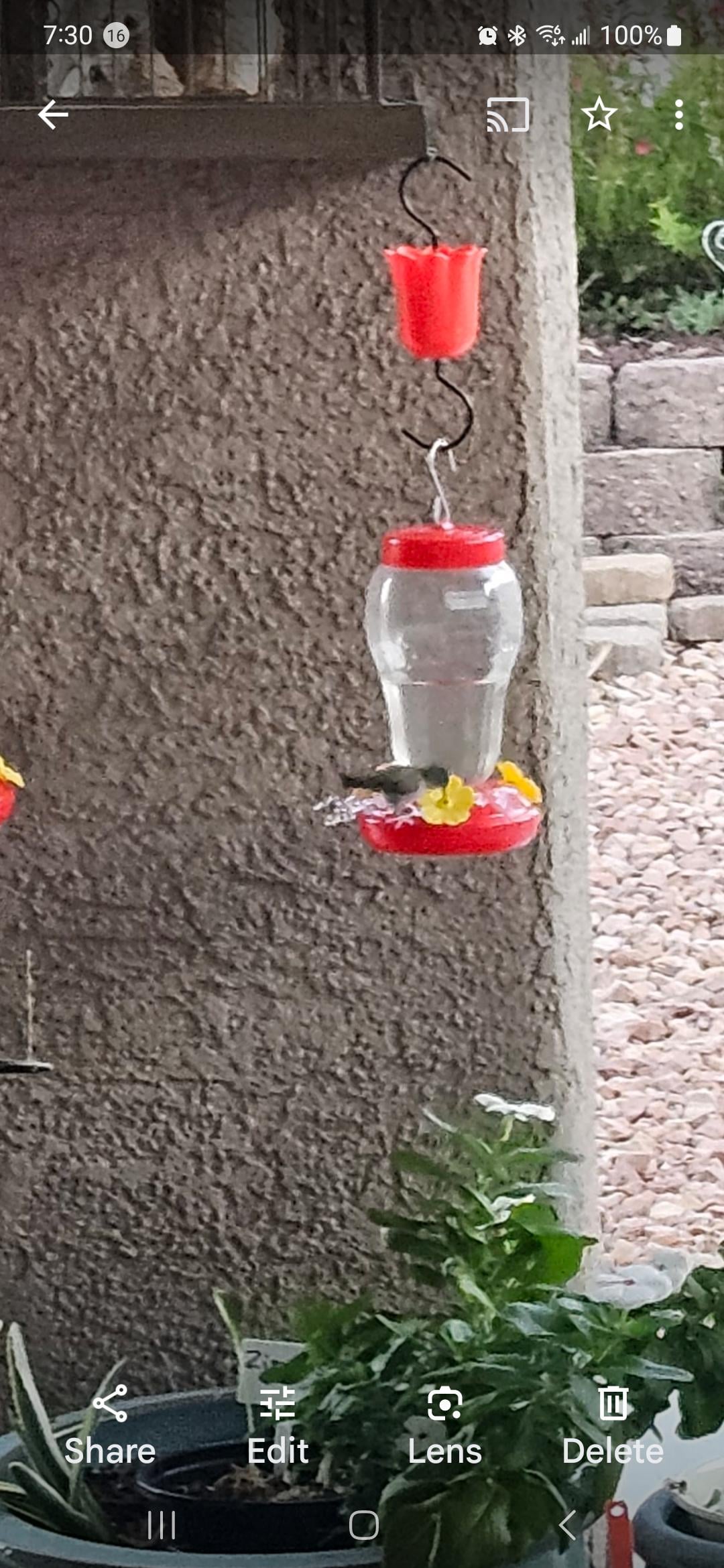
Have you noticed sticky spots around your hummingbird feeder or found nectar dripping everywhere? It’s frustrating when your feeder leaks, wasting sugar water and making a mess.
You want to attract those beautiful hummingbirds, not deal with constant spills. Understanding why your hummingbird feeder leaks can help you fix the problem quickly. Keep reading to discover the simple reasons behind leaks and easy steps you can take to keep your feeder clean and hummingbird-friendly.

Credit: www.youtube.com
Common Causes Of Leaking
Leaking hummingbird feeders can be frustrating, especially when you’re eager to attract these tiny visitors. Understanding why your feeder leaks is the first step to fixing the problem and keeping the nectar fresh. Let’s look at some common causes that might be behind the leaks you’re experiencing.
Cracks And Damages
Even a small crack in the feeder’s reservoir can cause nectar to drip out constantly. Check the plastic or glass parts closely; sometimes hairline cracks are hard to spot but still cause leaks. If your feeder has fallen or been exposed to harsh weather, inspect it carefully before refilling.
Improper Assembly
Sometimes the feeder parts don’t fit together as they should. Missing a seal or not tightening components fully can create gaps for nectar to escape. Have you ever assembled a feeder quickly and noticed leaks right after? Taking a few extra minutes to ensure everything fits snugly can save you from constant drips.
Worn Out Seals
Seals and gaskets wear down over time and lose their ability to keep nectar contained. If your feeder is older, the rubber or silicone seals might be cracked or dried out. Replacing these seals is often an easy fix and prevents unnecessary mess and waste.
Overfilling The Feeder
Filling the feeder beyond its recommended capacity can cause nectar to spill from the ports or seams. It’s tempting to fill it up completely, but leaving a little space helps prevent overflow, especially when the feeder is moved or jostled. Have you noticed leaks right after a refill? Try filling less and see if that solves the problem.
Clogged Feeding Ports
Sticky nectar residue can build up and block the feeding ports, causing pressure that forces nectar out elsewhere. Regular cleaning helps keep these ports clear and functioning properly. When was the last time you gave your feeder a thorough scrub? Clogged ports not only cause leaks but can also discourage hummingbirds from visiting.

Credit: www.reddit.com
Materials That Affect Leakage
Materials play a crucial role in whether your hummingbird feeder leaks or not. Different materials react differently to weather, wear, and even the nectar itself. Understanding these differences can help you choose a feeder that keeps your backyard clean and your feathered friends happy.
Plastic Vs Glass Feeders
Plastic feeders are lightweight and less likely to break if dropped. However, they can warp or crack over time, especially under direct sunlight or extreme temperatures. This warping can cause gaps where nectar leaks out.
Glass feeders are heavier and more durable against warping. They resist staining and don’t absorb odors, which helps keep nectar fresh longer. On the downside, glass can break if mishandled and is less portable.
Have you noticed your plastic feeder leaking more after a hot summer day? That’s likely due to material expansion and contraction. Glass feeders generally avoid this problem but require careful handling.
Quality Of Components
The quality of the feeder’s components—like seals, ports, and caps—greatly impacts leakage. Cheap or poorly fitted parts often don’t create tight seals, allowing nectar to drip out.
Look for feeders with well-designed sealing mechanisms, such as rubber gaskets or silicone rings. These components maintain a snug fit and prevent leaks even when the feeder is jostled by wind or birds.
Remember, a beautifully designed feeder won’t help if its parts don’t fit well together. Investing in quality components can save you the hassle of constant cleaning and wasted nectar.
How Weather Impacts Leakage
Weather plays a big role in hummingbird feeder leaks. Changes in weather cause the feeder parts to expand and contract. This movement can create gaps where nectar can escape. Moisture from the air also affects the feeder’s seals and openings. Understanding how weather affects leakage helps keep your feeder clean and full.
Temperature Fluctuations
Hot days make the feeder materials expand. Cooler nights cause them to shrink. This constant change can loosen seals and create tiny cracks. Nectar can drip through these small openings. Extreme temperatures may also warp plastic parts. Warped pieces do not fit tightly, allowing leaks.
Humidity Effects
High humidity adds moisture around the feeder. This moisture can gather inside small crevices. It can weaken glue or seals over time. Wet conditions encourage mold and slime growth. These substances can clog feeding ports or cause overflow. Dry air causes nectar to evaporate faster, leading to sticky residue that blocks holes.
Simple Fixes For Leaking Feeders
Leaking hummingbird feeders waste nectar and attract unwanted insects. Fixing leaks is easier than many expect. Simple steps can stop drips and spills. These fixes protect your birds and keep feeders clean. Each tip focuses on common causes of leaks.
Sealing Cracks With Non-toxic Glue
Small cracks cause leaks quickly. Use non-toxic glue safe for birds. Apply glue carefully to cracks and gaps. Let the glue dry fully before refilling. Avoid harsh chemicals that can harm hummingbirds.
Replacing Worn Seals
Rubber or silicone seals wear out over time. Worn seals fail to stop nectar from leaking. Check seals for cracks or stiffness. Replace old seals with new, matching parts. Proper seals ensure a tight fit and no leaks.
Correct Assembly Techniques
Improper assembly causes gaps where nectar escapes. Follow the feeder’s instructions closely. Tighten all parts but avoid over-tightening. Align feeding ports and base correctly. Proper assembly reduces leaks and keeps nectar fresh.
Proper Filling Practices
Overfilling causes nectar to spill out easily. Fill feeders to the recommended level only. Use a funnel for neat filling. Avoid nectar on the feeder’s outer edges. Proper filling minimizes leaks and waste.
Cleaning Feeding Ports
Clogged feeding ports cause nectar to overflow. Clean ports regularly with warm water and a brush. Remove any dried nectar or debris. Clear ports allow nectar to flow smoothly. Clean feeders attract more hummingbirds.
Preventive Tips To Avoid Leaks
Leaks in hummingbird feeders can waste nectar and attract unwanted insects. Stopping leaks early keeps your garden clean and birds happy. Use these easy tips to prevent leaks and enjoy watching hummingbirds without mess.
Choosing The Right Feeder
Select feeders made from quality materials like thick plastic or glass. Avoid thin plastic that cracks easily. Pick models with secure seals and tight-fitting lids. Look for feeders designed to prevent spills and leaks. Feeders with built-in ant moats help keep bugs away.
Regular Maintenance
Clean your feeder often to stop mold and sticky buildup. Use warm water and mild soap to wash all parts. Check for cracks or worn seals every week. Replace damaged parts quickly to avoid leaks. Always refill with fresh nectar to keep birds safe and healthy.
Safe Placement
Hang your feeder in a stable spot away from wind. Avoid placing it near branches that can shake or bump the feeder. Keep it out of direct sunlight to slow nectar spoilage. Position the feeder so water drains away from the base. This prevents pooling and reduces leaks.

Credit: www.hummingbirdsociety.org
Frequently Asked Questions
Why Is My Hummingbird Feeder Leaking Nectar?
Leaking often occurs due to cracked parts or loose seals. Check for damage and ensure all pieces fit tightly. Clean the feeder regularly to prevent clogging that can cause leaks.
How Can I Stop My Hummingbird Feeder From Leaking?
Make sure the feeder is level and hang it properly. Replace worn-out seals or gaskets. Use a feeder designed with anti-leak features to minimize spills.
Does Weather Affect Hummingbird Feeder Leaks?
Yes, extreme heat can expand feeder parts, causing leaks. Cold weather might contract seals and create gaps. Position feeders in shaded areas to reduce temperature impact.
Can Sugar Water Cause Feeder Leaks?
Thick sugar water can clog feeding ports, causing overflow and leaks. Use the right nectar ratio: four parts water to one part sugar. Clean feeder ports to avoid blockages.
Conclusion
Leaky hummingbird feeders can frustrate bird lovers. Identifying the cause is key. Check for cracks and loose parts. Tighten any loose seals. Ensure the feeder hangs straight. A tilt can cause leaks. Avoid filling it to the brim. Leave some space at the top.
Windy spots can lead to spills. Place feeders in sheltered areas. Regular maintenance prevents leaks. Keep your feeder clean and secure. Happy hummingbirds make for a lively garden. Enjoy their beauty without the mess. Simple steps ensure a leak-free experience.
Keep those tiny visitors happy and hydrated.