
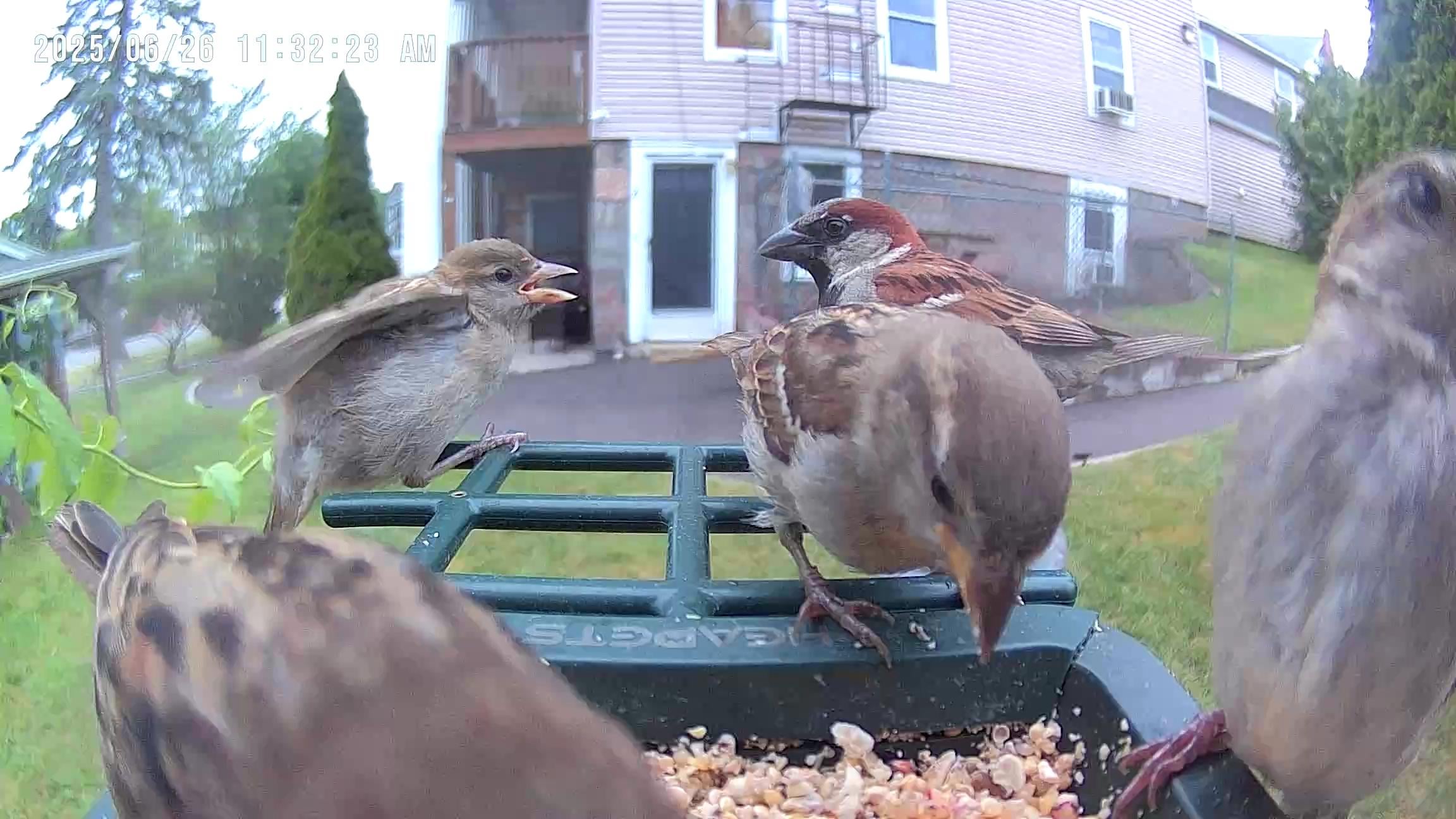
Have you ever noticed that the birds you once enjoyed watching at your feeder suddenly stop showing up? It can be frustrating and even a little sad when your feathered friends disappear.
You might wonder if you did something wrong or if there’s a simple fix to bring them back. Understanding why birds stop coming to your feeder can help you reconnect with nature right outside your window. Keep reading to discover the surprising reasons behind their absence and how you can make your feeder a favorite spot once again.
Common Causes For Bird Feeder Decline
Noticing fewer birds at your feeder can be frustrating, especially if you’ve been diligent about keeping it filled and clean. Several common reasons might explain why birds suddenly stop visiting. Understanding these causes helps you adjust your feeding strategy and keep your feathered friends coming back.
Seasonal Changes Affecting Bird Activity
Bird behavior shifts naturally with the seasons. During spring and summer, birds might prefer natural food sources like insects and berries over feeders.
In fall and winter, feeders often become essential, but migration patterns can mean fewer local visitors. Have you tracked which birds visit during different seasons? This can reveal why your feeder’s popularity changes.
Weather Impact On Feeding Patterns
Weather plays a huge role in bird feeding habits. Cold snaps or storms can temporarily reduce activity as birds seek shelter.
Conversely, mild weather might encourage birds to forage elsewhere, relying less on feeders. Checking local weather alongside feeder visits can help you predict these shifts.
Predator Presence Near Feeders
Birds are quick to sense danger. The presence of predators like cats, hawks, or even neighborhood dogs can scare birds away from your feeder.
If you notice a sudden drop, look around for signs of predators nearby. Moving your feeder to a safer, more concealed spot often brings birds back.
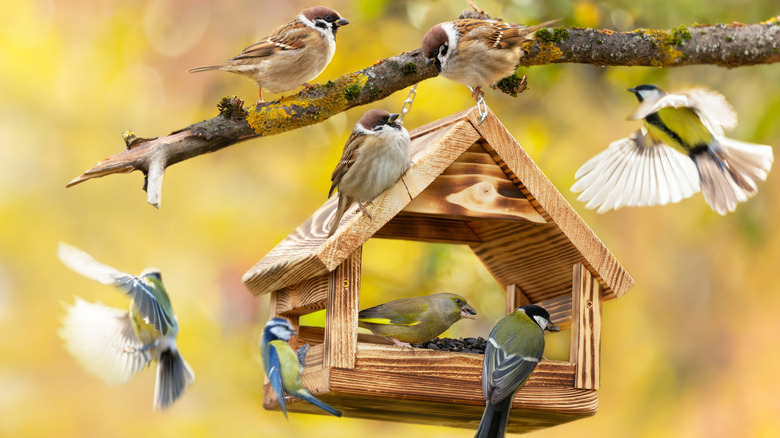
Credit: www.housedigest.com
Feeder Maintenance Issues
Feeder maintenance issues often cause birds to stop visiting your feeder. If your feeder isn’t clean or the seed is old, birds will quickly lose interest. Small changes in placement or accessibility can also make a big difference in attracting feathered visitors.
Dirty Feeders And Mold Growth
Birds are very sensitive to cleanliness. A feeder covered in old seed husks or droppings can repel them instantly. Mold growth, which often appears when moisture gets trapped, is particularly harmful and can make birds sick.
Cleaning your feeder regularly with warm, soapy water keeps it inviting. Check for mold spots at least once a week, especially after rain or humid days. Have you noticed fewer birds after a rainy spell? It might be time to clean.
Old Or Spoiled Seed Problems
Seed that sits too long can become stale, lose its nutritional value, and even sprout or ferment. Birds can tell when seed quality drops and will avoid feeders with old or spoiled seed. This is why it’s important to replace the seed regularly.
Store your seed in a dry, cool place to keep it fresh longer. If you see seed dust or clumps in the feeder, toss it out and add fresh seed. How often do you refresh your birdseed?
Placement And Accessibility Challenges
Even a clean feeder with fresh seed can be ignored if it’s in the wrong spot. Birds prefer feeders that feel safe and easy to access. If your feeder is too close to noisy areas or predators, birds may avoid it.
Try placing your feeder near shrubs or trees that offer quick cover. Make sure it’s visible but not too exposed. Have you tried moving your feeder to a different location to see if more birds visit?
Environmental Factors
Birds rely heavily on their environment for food, safety, and shelter. Changes around their feeding areas can cause them to stop visiting feeders. Understanding these environmental factors helps explain why birds might suddenly disappear from your feeder.
Habitat Changes And Urban Development
Birds need natural spaces with trees, shrubs, and water. When these areas are cut down or changed by building houses or roads, birds lose their homes. Urban development often reduces the plants and insects birds depend on. Without these, birds may stop coming to feeders in your yard.
Competition From Other Wildlife
Other animals like squirrels, raccoons, and larger birds can scare away smaller birds. These animals may take over feeders and eat all the food quickly. This leaves little or no food for smaller birds. Birds may avoid feeders where they feel unsafe or crowded.
Noise And Human Disturbances
Birds are sensitive to loud noises and sudden movements. Construction, traffic, or frequent human activity near feeders can frighten them. Noisy environments make birds feel unsafe. They prefer quiet places to rest and feed. Too much noise or disturbance can cause birds to leave your feeder.

Credit: www.reddit.com
Attracting Birds Back
Seeing your feathered visitors disappear can be disappointing. But getting birds back to your feeder is easier than you might think. Small changes in what you offer and how you maintain your feeder can make a big difference.
Choosing The Right Seeds And Feeders
Not all seeds attract the same birds. Black oil sunflower seeds are a favorite for many species because they have thin shells and high oil content. Offering a variety like safflower, nyjer, or millet can bring in different types of birds.
The type of feeder matters too. Tube feeders work well for small songbirds, while platform feeders attract larger birds. If squirrels or other pests are a problem, try a feeder with squirrel baffles or weight-sensitive perches.
Regular Cleaning And Refilling Tips
Dirty feeders can scare birds away and spread disease. Clean your feeder every two weeks with a mild bleach solution and rinse thoroughly. Always let it dry completely before refilling.
Refilling your feeder regularly keeps food fresh and appealing. Avoid letting seeds go stale or moldy. Check the feeder daily during peak feeding times to ensure it’s stocked and inviting.
Creating A Bird-friendly Garden Space
Birds need more than just food to feel safe and stay around. Plant native shrubs and flowers to provide shelter and natural food sources like berries and insects. Adding a water feature like a birdbath can also encourage visits.
Think about how your garden feels to a bird. Are there places to hide from predators? Is it quiet and calm? Small adjustments in your garden’s layout can make it a preferred stop on their daily route.

Credit: www.reddit.com
Frequently Asked Questions
Why Did Birds Suddenly Stop Visiting My Feeder?
Birds may leave due to dirty feeders, old seeds, or nearby predators. Seasonal changes and food availability also impact visits.
How Often Should I Clean My Bird Feeder?
Clean your feeder every two weeks to prevent mold and bacteria. Regular cleaning keeps birds healthy and encourages frequent visits.
Can Weather Affect Bird Feeder Visits?
Yes, extreme heat, cold, or storms reduce bird activity. Birds seek natural shelter and food sources during harsh weather.
What Types Of Seeds Attract More Birds?
Black oil sunflower seeds attract many bird species. Mixed seeds may spoil quickly, so choose fresh, high-quality seeds.
Conclusion
Birds may stop visiting feeders for several reasons. Changes in environment, food availability, or feeder cleanliness can influence their visits. Ensure your feeder is clean and filled with fresh seeds. Try different seed types to attract various species. Plant native flowers and shrubs around your yard.
This can create a welcoming habitat. Observe the surroundings for predators or disturbances. With patience and a few adjustments, birds may return. Enjoy watching them thrive in your garden. Keep it simple and consistent for the best results. Happy bird watching!