
Have you ever wondered why some people choose to hang their bird feeders by an oleander plant? It might seem like an unusual spot, but there’s more to this choice than meets the eye.
If you want to attract colorful birds to your garden while keeping them safe and happy, understanding the connection between bird feeders and oleanders can make a big difference. Keep reading to discover the surprising reasons why placing your bird feeder near an oleander could be the best move for your outdoor space.
Oleander As A Natural Shield
Oleander acts as a natural shield for bird feeders in many ways. Its thick, dense leaves create a safe environment for birds. The plant’s toxins keep many pests and harmful animals away. This protection helps maintain a peaceful spot for birds to feed and rest.
Repelling Pests Naturally
Oleander contains strong chemicals that pests dislike. These chemicals help keep insects and small animals away from the feeder. Without pests, birds can enjoy their food without disturbance. This natural pest control reduces the need for sprays or chemicals.
Protecting Birds From Predators
The thick foliage of oleander hides birds from predators. Cats, snakes, and hawks find it harder to reach birds near the plant. Birds feel safer feeding near oleander because they have quick cover. This safety encourages more birds to visit and stay longer.
Enhancing Bird Feeder Visibility
Enhancing bird feeder visibility is key to inviting more birds to your garden. Placing a feeder near an oleander plant offers a natural way to catch birds’ attention. The bright flowers and green leaves create a striking backdrop that stands out. This contrast helps birds spot the feeder easily from a distance.
Birds rely on visual cues to find food sources. A well-placed feeder near oleander increases chances that birds will notice it quickly. The plant’s height and shape also help the feeder stay visible above other garden elements. This clear view encourages birds to visit more often.
Attracting More Birds
Oleander plants attract birds naturally. Their bright flowers and dense foliage provide a welcoming environment. Birds are drawn to the area for shelter and food. Placing a feeder nearby increases the variety of birds coming to your garden.
The colorful oleander acts like a beacon. Birds flying overhead can spot the feeder easily. This visibility helps attract different bird species. More birds mean more enjoyable birdwatching for you.
Offering Shelter And Perching Spots
Oleander branches offer safe places for birds to rest. Birds use these spots to watch for predators before feeding. The plant’s leaves provide shade and protection from weather. This comfort makes birds feel secure near the feeder.
Perching spots close to the feeder allow birds to eat comfortably. They can quickly escape if they sense danger. Oleander’s natural structure supports these behaviors, encouraging birds to stay longer.
Oleander’s Low Maintenance Appeal
Choosing an oleander bush as a spot to hang your bird feeder brings a unique advantage: its low maintenance appeal. This hardy plant thrives with little fuss, making it an ideal companion for your outdoor bird-watching setup. You don’t have to worry about constant care or special treatments, allowing you more time to enjoy the birds.
Durability In Various Climates
Oleanders are tough plants that handle a wide range of weather conditions. Whether you live in a hot, dry area or a cooler climate with occasional frost, oleanders adapt well. Their resilience means your bird feeder stays supported year-round, without the plant suffering or needing replacement.
Have you noticed how some plants wilt or lose leaves with temperature swings? Oleanders keep their lush appearance and sturdy branches through these changes, giving your feeder a reliable home.
Minimal Upkeep Requirements
One of oleander’s best qualities is how little care it demands. You won’t need to water it daily or prune it constantly. A bit of occasional trimming to keep its shape is enough.
This low maintenance means you can focus on filling your bird feeder rather than tending to the plant. Plus, oleanders naturally resist pests, so you avoid extra treatments or sprays.
Imagine having a beautiful green backdrop for your feeder that just keeps going without hassle. Wouldn’t that make your bird-watching experience more enjoyable?
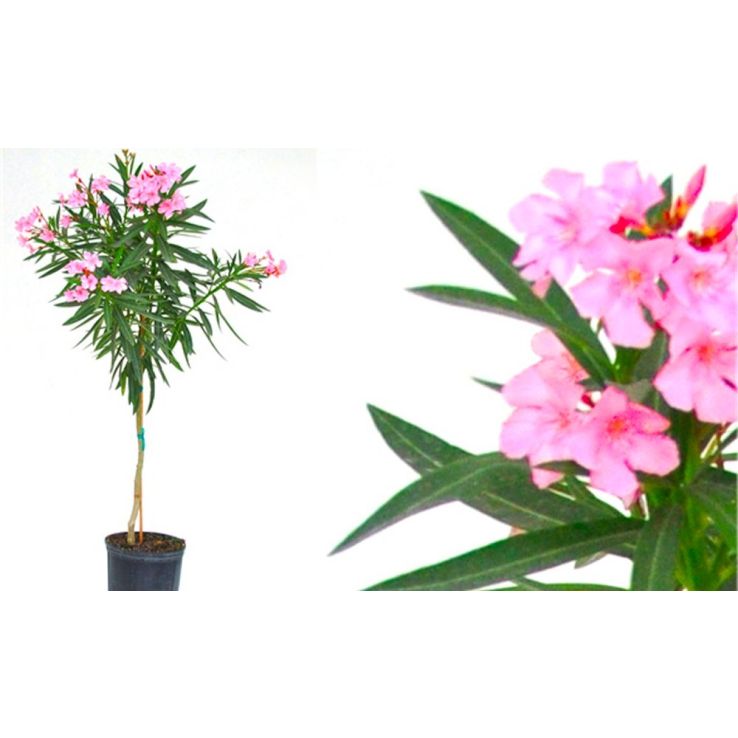
Credit: www.gardeningexpress.co.uk
Safety Considerations For Birds
Hanging a bird feeder by an oleander raises important safety questions. Birds are sensitive to their environment, especially to plants nearby. It is vital to understand how oleander affects birds and what precautions to take. Ensuring bird safety keeps them healthy and happy visitors to your feeder.
Toxicity Myths And Facts
Oleander is often labeled as toxic, but this mainly applies to mammals. Birds have different digestive systems. Most birds do not eat oleander leaves or flowers. The risk of poisoning through feeding near oleander is very low. However, avoid placing bird food directly on oleander parts. This precaution prevents accidental ingestion of toxic plant material.
Ensuring Safe Placement
Place the feeder where birds can easily spot predators. Avoid hanging it too close to oleander branches. Give birds enough space to perch and fly away quickly. Check the feeder regularly for fallen leaves or flowers. Clean any plant debris to keep the feeding area safe. Position the feeder away from busy roads and pets. These steps create a safer environment for visiting birds.
Creating A Balanced Garden Ecosystem
Creating a balanced garden ecosystem is essential for a healthy outdoor space. It helps plants, animals, and insects thrive together. A well-planned garden supports natural processes like pollination and pest control. Hanging a bird feeder by an oleander plant encourages this balance. Both birds and the oleander play roles in maintaining a lively garden environment.
Supporting Pollinators And Wildlife
Bird feeders attract various birds that help control pests naturally. Birds eat insects that harm plants, reducing the need for chemicals. Oleander flowers provide nectar, attracting pollinators like bees and butterflies. These pollinators help fruit and flowers grow well. Together, birds and pollinators keep the garden lively and healthy. This support creates a natural rhythm that benefits all garden life.
Integrating Oleander With Other Plants
Oleanders grow well with many types of plants. Their tall, dense structure offers shelter to birds and insects. Planting oleander near smaller shrubs or flowers creates layers of habitat. This layering increases garden diversity, making it more resilient. It also encourages different species to visit and stay. Using oleander as part of a garden mix helps build a strong, balanced ecosystem.

Credit: www.shutterstock.com

Credit: www.trustbasket.com
Frequently Asked Questions
Why Hang A Bird Feeder By An Oleander Plant?
Hanging a bird feeder by an oleander provides shade and natural cover. This attracts birds while protecting them from predators and harsh weather. Oleanders offer a safe, appealing environment, encouraging more frequent bird visits to your feeder.
Is Oleander Safe Near Bird Feeders?
Oleander is toxic if ingested by humans and pets, but birds usually avoid eating its parts. Placing feeders near oleanders is generally safe and offers birds shelter. However, monitor birds to ensure they do not consume any plant material.
How Does Oleander Benefit Bird Feeding?
Oleanders offer shelter and protection from wind and predators. Their dense foliage creates a safe space for birds to eat comfortably. This natural cover increases bird feeder visits and enhances birdwatching opportunities in your garden.
Can Oleander Attract More Birds To Feeders?
Yes, oleander plants attract birds by providing shelter and safety. Birds prefer feeders near cover where they feel secure. This encourages them to feed longer and return often, boosting bird activity around your feeder.
Conclusion
Hanging a bird feeder by an oleander offers many benefits. Birds enjoy the shelter and beauty oleanders provide. Oleanders also keep pests away, ensuring a safe feeding spot. The vibrant flowers attract various bird species. Your garden becomes lively and colorful.
Watching birds can be relaxing and educational. Plus, it supports local wildlife and biodiversity. Always ensure oleanders are safely pruned and maintained. With these steps, your garden becomes a bird haven. Enjoy the cheerful sights and sounds they bring every day.
A simple addition that enriches your outdoor space.