
Have you ever wondered what everyday foods from your kitchen you can safely share with the birds outside your window? Feeding birds is a simple way to connect with nature and brighten your day, but not all foods are good for them.
Knowing exactly what household food you can feed birds helps you keep them healthy and coming back for more. Keep reading to discover easy, safe options that turn your backyard into a lively bird haven you’ll love watching.
Credit: www.coffeeandchlorophyll.com
Common Safe Foods
Feeding birds at home can be a joyful experience, especially when you know what foods are safe and nutritious for them. Common safe foods from your kitchen not only attract a variety of birds but also support their health and energy. Offering the right items encourages frequent visits and allows you to observe their natural behaviors up close.
Fruits Birds Enjoy
Many birds love fruits, which provide essential vitamins and hydration. You can offer berries like blueberries, strawberries, and raspberries that are easy to handle and packed with nutrients.
Apples and pears, sliced into small pieces, also make great treats. Just remember to remove seeds, as they can be harmful. Bananas and grapes are other favorites that attract different bird species to your yard.
Vegetables Suitable For Birds
Vegetables are another safe and healthy option. Birds often enjoy leafy greens such as spinach, kale, and lettuce—just make sure they are fresh and pesticide-free.
Carrots and peas, given in small, manageable pieces, provide crunch and sweetness. Offering a variety of veggies keeps your bird visitors interested and ensures a well-rounded diet.
Grains And Seeds
Grains and seeds are staples in many birds’ diets. You can feed birds cooked rice, oats, or unsalted popcorn as occasional treats.
Sunflower seeds, millet, and cracked corn are especially popular. Be cautious to avoid salted or flavored seeds, which could harm the birds. Presenting these in a clean feeder or on a flat surface will help you attract a diverse group of feathered friends.
Avoid Harmful Foods
Feeding birds at home can be a joyful activity. It helps connect with nature and supports local wildlife. Still, not all foods are safe for birds. Some common household foods can harm them or cause illness. Knowing which foods to avoid is essential for their health and safety.
Toxic Foods To Birds
Many foods safe for humans can be deadly to birds. Avoid giving birds these toxic items:
- Avocado – Contains persin, harmful to many bird species.
- Chocolate – Contains theobromine, poisonous to birds.
- Caffeine – Found in coffee and tea, it can cause heart problems.
- Alcohol – Even small amounts can be fatal to birds.
- Onions and garlic – Can cause red blood cell damage.
- Raw beans – Contain toxins that affect bird digestion.
Foods That Cause Digestive Issues
Some foods do not poison birds but still upset their stomachs. These include:
- Salty snacks – High salt can lead to dehydration and kidney damage.
- Fatty or fried foods – Hard to digest and can cause obesity.
- Dairy products – Birds lack enzymes to digest milk and cheese.
- Processed sugars – Can lead to digestive discomfort and poor health.
- Raw potato and tomato leaves – Contain solanine, a digestive irritant.
Preparing Food For Birds
Preparing food for birds at home can be a rewarding experience that connects you with nature. It’s important to handle and present the food in a way that keeps birds safe and encourages them to visit your garden often. Paying attention to cleanliness and how you cut the food makes a big difference in their feeding habits and health.
Cleaning And Cutting Tips
Always wash fruits and vegetables thoroughly before offering them to birds. Dirt and pesticide residues can harm their delicate systems. Use fresh, clean water and avoid soaps or chemicals during cleaning.
Cut food into small, manageable pieces that suit the size of the birds you want to attract. Tiny pieces help smaller birds eat comfortably without struggling. For example, slice grapes in half and chop apples into bite-sized chunks.
Remove any seeds or pits that might be toxic, such as apple seeds or avocado pits. These can be dangerous if ingested. Think about how you prepare food for yourself—birds need similar care to stay healthy.
Serving Fresh Vs. Cooked
Fresh food is often the best choice since it contains more nutrients and natural moisture. Birds enjoy juicy fruits like berries and watermelon, which can also help keep them hydrated. Have you noticed how birds flock to fresh berries in your garden?
Cooked food can be offered but avoid adding salt, sugar, or spices that birds cannot digest. Plain cooked rice, pasta, or beans can be good options but serve them in small amounts. Overfeeding cooked food may cause digestive issues in some birds.
Observe how your local birds respond to different types of food. Some species prefer fresh offerings while others might enjoy leftovers from your kitchen. Offering variety keeps their diet balanced and interesting.

Credit: creators.yahoo.com
Feeding Different Bird Species
Different bird species prefer different types of food. Feeding them the right household food helps attract them to your yard. It also supports their health and energy needs. Knowing what each bird likes makes feeding time more effective and enjoyable.
Seeds For Finches And Sparrows
Finches and sparrows love small seeds. You can offer:
- Millet
- Sunflower seeds (especially striped)
- Nyjer seeds
- Cracked corn
These seeds are easy for small birds to eat. Scatter seeds on a flat surface or use a tube feeder. Clean seeds attract more birds and prevent mold.
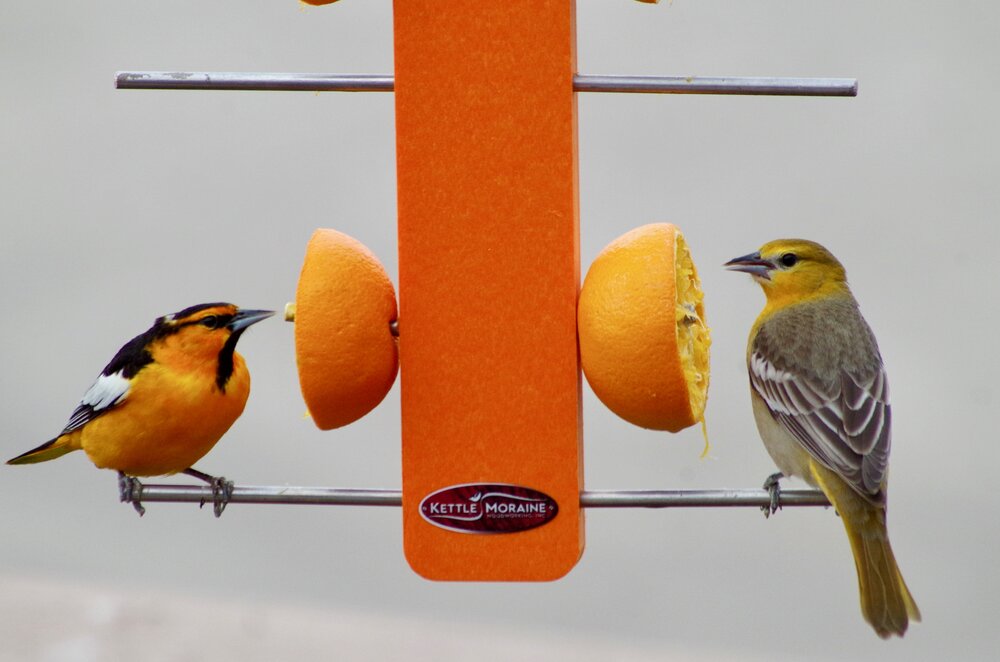
Fruits For Orioles And Thrushes
Orioles and thrushes enjoy fresh fruits. Try giving them:
- Orange slices
- Grapes
- Apples
- Raisins
Place fruits on a platform feeder or hang them with string. Remove leftover fruit daily to avoid spoilage. These fruits provide vitamins and hydration.
Nuts For Woodpeckers And Jays
Woodpeckers and jays prefer nuts for their strong beaks. Offer:
- Peanuts (unsalted and shelled)
- Walnuts
- Almonds
Use a sturdy feeder or scatter nuts on the ground. Nuts provide essential fats and proteins. Avoid salted or flavored nuts to keep birds healthy.
Seasonal Feeding Tips
Feeding birds at home changes with the seasons because their nutritional needs shift as the weather does. You want to offer food that not only attracts them but also supports their health throughout the year. Paying attention to seasonal feeding can make your backyard a bird-friendly haven no matter the month.
Summer Treats
Summer is a busy time for birds—they’re nesting, feeding chicks, and staying active in the heat. You can help by providing foods that are hydrating and rich in protein.
- Fresh fruits:Chopped watermelon, grapes, and berries provide natural sugars and water.
- Mealworms:These are a favorite for many insect-eating birds, boosting energy levels.
- Unsalted nuts:Peanuts or sunflower seeds offer healthy fats and protein.
Have you ever noticed how birds flock to your garden after a rain? Offering juicy fruits mimics the natural moisture they seek out. Keep water dishes clean and filled, as hydration is just as important as food in summer.
Winter Nutrition Boosters
In winter, birds need extra calories to keep warm and maintain energy. Foods higher in fat help them survive cold nights and scarce food supplies.
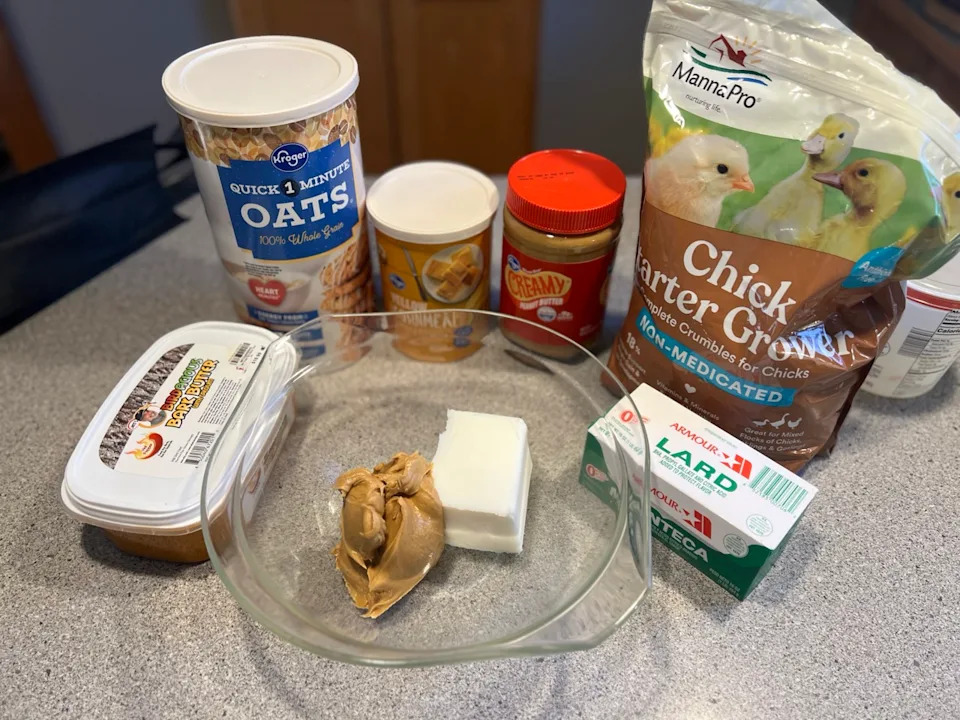
- Suet cakes:Homemade or store-bought, packed with fat and sometimes seeds or berries.
- Peanut butter:Spread thinly on tree bark or pine cones for a protein and fat boost.
- Sunflower seeds:Black oil sunflower seeds are easy to crack and full of oil.
Try mixing suet with dried fruits for variety. You might be surprised how quickly birds find your feeders in winter. What simple additions can you make to your feeding routine to help birds through the cold?
Setting Up A Bird Feeding Station
Creating a bird feeding station in your yard can bring nature closer to you and brighten your days with colorful visitors. Setting up this station is more than just placing food outside; it requires thought about location and safety to attract birds while protecting them. Your effort can turn a simple spot into a lively haven for your feathered friends.
Choosing A Location
Select a quiet area that offers birds some shelter from wind and predators. A spot near trees or shrubs provides natural cover and makes birds feel safe. Avoid placing feeders too close to windows to reduce the risk of birds flying into glass.
Think about visibility from your favorite window or garden bench—this way, you get to enjoy watching the birds easily. Also, consider how accessible the location is for you to refill food and clean the feeder regularly. A well-chosen spot balances convenience for you and comfort for the birds.
Safe Feeding Practices
Cleanliness is vital to keep your bird visitors healthy. Wash feeders often with warm, soapy water to prevent mold and bacteria buildup. Spoiled food can harm birds, so remove uneaten food regularly.
Use foods that are safe and nutritious, such as unsalted peanuts, oats, or small pieces of bread. Avoid anything moldy, salty, or processed. Remember, offering the right food can encourage repeat visits and support local bird populations.
Place your feeders at a height that deters predators like cats, but still allows birds to land easily. Consider adding a squirrel guard if you notice persistent raiders. Have you noticed how some birds prefer feeders that hang from branches, while others like platforms? Observing your visitors can help you tweak your setup for the best results.

Credit: grubblyfarms.com
Frequently Asked Questions
Can Birds Eat Rice Safely?
Yes, birds can eat rice safely. Cooked or uncooked rice is a good energy source. It provides birds with carbohydrates. Ensure it is plain without salt or spices. Avoid offering in large quantities to prevent spoilage.
Is Bread Suitable For Feeding Birds?
Bread is not ideal for birds. It lacks essential nutrients needed for their health. Offer small amounts occasionally and ensure it’s whole grain. Always avoid moldy bread, which can be harmful.
Can You Feed Birds Oats?
Yes, oats are safe for birds. They are a good source of fiber and energy. Offer them uncooked, as cooked oats can harden. Mix with seeds for added variety and nutrition.
Are Fruits Safe For Birds?
Fruits are excellent for birds. They provide vitamins and natural sugars. Offer small pieces of apples, grapes, or berries. Avoid fruits with pits or seeds, like cherries or avocados, which can be toxic.
Conclusion
Feeding birds with household food helps them stay healthy and happy. Seeds, fruits, and grains make great choices. Avoid giving birds anything salty, sugary, or spoiled. Watching birds eat is fun and relaxing. You can enjoy nature right from your window.
Small efforts make a big difference for wild birds. Keep feeding safe and simple to attract more visitors. Birds will thank you with their bright songs and colors. Try it today and see who comes to your garden. Caring for birds connects us to the world outside.