
Are you wondering what to put in your bird feeder to attract the most beautiful and lively visitors? Choosing the right food can make all the difference in bringing colorful birds right to your backyard.
Whether you want to see bright cardinals, cheerful finches, or busy chickadees, the type of seeds and treats you offer matters a lot. Keep reading to discover simple, effective options that will have your feeder buzzing with feathered friends in no time.
You’ll learn exactly what to put in your bird feeder to create a welcoming spot for birds all year round.
Credit: www.kingsyard.com
Popular Bird Feeder Foods
Choosing the right food for your bird feeder helps attract a variety of birds. Different birds prefer different foods. Offering popular bird feeder foods can bring more birds to your yard. It also supports their health and energy needs. Here are common foods that many birds enjoy.
Seeds That Attract Birds
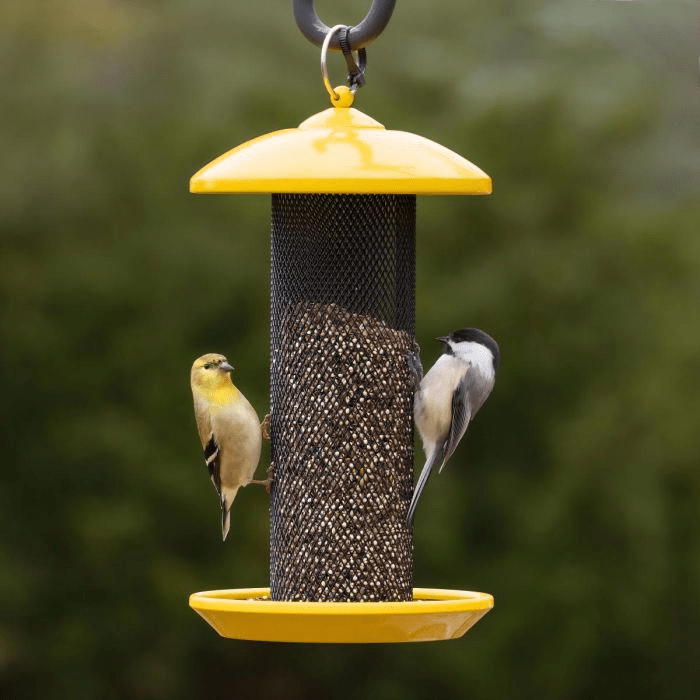
Seeds are a favorite among many bird species. Black oil sunflower seeds attract cardinals, finches, and chickadees. Nyjer seeds are small and perfect for finches. Millet is popular with sparrows and doves. Mixed seed blends offer variety but check for filler seeds.
- Black oil sunflower seeds
- Nyjer (thistle) seeds
- Millet
- Safflower seeds
- Mixed seed blends (without fillers)
Fruits Birds Love
Fruits provide natural sugars and nutrients. Many birds enjoy berries, especially in winter. Apples, oranges, and grapes attract orioles and waxwings. Raisins and currants also work well. Fresh or dried fruits can be placed on platform feeders or skewers.
- Blueberries and raspberries
- Apple slices
- Orange segments
- Grapes
- Raisins and dried currants
Nuts And Suet Options
Nuts offer protein and fat. Peanuts are popular but use unsalted and shelled types. Almonds and walnuts attract woodpeckers and nuthatches. Suet provides energy in cold months. It is a mix of fat and seeds or insects. Suet cakes fit in special feeders and attract insect-eating birds.
- Unsalted, shelled peanuts
- Almonds
- Walnuts
- Beef suet cakes
- Suet mixed with seeds or insects
Credit: dengarden.com
Choosing Foods For Specific Birds
Choosing the right food for your bird feeder helps attract specific birds. Different birds prefer different seeds and treats. Offering the correct food makes your feeder popular and keeps birds healthy. Understanding their preferences helps you enjoy watching your feathered visitors.
Foods For Finches And Sparrows
Finches and sparrows like small seeds. Nyjer seeds are perfect for finches. These tiny seeds fit their small beaks well. Sparrows enjoy millet and cracked corn. These seeds are easy for them to eat. Both birds appreciate a mix of seeds for variety.
Attracting Cardinals And Blue Jays
Cardinals prefer sunflower seeds, especially black oil sunflower seeds. These seeds provide good energy and fat. Blue jays enjoy peanuts, either shelled or in the shell. They also eat sunflower seeds and corn. Offering these seeds attracts these bright, beautiful birds.
Treats For Hummingbirds
Hummingbirds need nectar, not seeds. Use a sugar-water mix with four parts water to one part sugar. Avoid honey or artificial sweeteners. Fresh nectar keeps hummingbirds healthy and active. Change the nectar every few days to prevent spoilage.
Seasonal Feeding Tips
Feeding birds throughout the year means adjusting what you offer based on the changing seasons. Different birds have different needs as the weather shifts, so your feeder can become a vital source of energy and nutrients. Paying attention to seasonal feeding tips helps keep your feathered visitors healthy and active all year long.
Best Foods For Winter
Winter is tough for birds. Cold temperatures and snow cover limit natural food sources. You can help by offering high-energy foods that provide warmth and stamina.
- Black oil sunflower seedsare a top choice because they have a high fat content and thin shells, making them easy to eat.
- Suet cakessupply essential fats that keep birds warm during freezing nights.
- Peanuts(unsalted and shelled) are another great energy source but watch out for mold.
- Nyjer seedsattract finches, which need extra calories to survive the cold.
Have you noticed certain birds visiting only when you switch to these foods? That’s a sign you’re meeting their winter needs perfectly.
Spring And Summer Favorites
As flowers bloom and insects become abundant, birds’ diets shift toward protein and fresh food. Your feeder should reflect this change to keep them coming back.
- Mealwormsare a favorite protein-packed snack for many species during breeding season.
- Fresh fruit sliceslike apples, oranges, and berries provide hydration and vitamins.
- Nectar feedersattract hummingbirds and orioles craving sweet energy.
- Thistle seedsremain popular with finches even in warmer months.
Have you tried switching from heavy seeds to fresher options? Birds tend to prefer lighter, moisture-rich foods when natural insects are plentiful.
Fall Feeding Choices
Fall is a transition time. Birds prepare for migration or the coming cold. Your feeder should offer a mix of energy-rich and nutrient-dense foods.
- Sunflower seedscontinue to be a reliable favorite as birds bulk up.
- Cracked cornoffers carbohydrates for long flights or winter reserves.
- Dried berriesmimic natural fall fruits and attract a variety of species.
- Milletis a favorite among ground-feeders like doves and sparrows.
Have you observed birds eating more before migration? Adding these foods can help them build the energy they need for their journey.
Avoiding Harmful Foods
Choosing the right food for your bird feeder is very important. Some foods can harm birds instead of helping them. Feeding birds the wrong items can cause illness or even death. It is best to know which foods to avoid to keep birds healthy and happy.
Foods To Skip In Bird Feeders
- Salty foods like chips or pretzels
- Processed snacks with sugar or artificial ingredients
- Raw beans, especially kidney beans, which are toxic
- Avocado, which can be harmful to many bird species
- Chocolate, as it contains substances toxic to birds
- Moldy or spoiled seeds and bread
- Onions and garlic, which can cause digestive problems
Common Food Mistakes
Many people offer bread to birds. Bread has little nutrition and can fill birds up without feeding them well. This can lead to malnutrition.
Another mistake is giving wet or moldy food. Birds can get sick from mold and bacteria. Always check food before placing it in feeders.
Feeding only one type of seed can limit the variety of birds that visit. Mixing seeds like sunflower, millet, and safflower attracts more bird types.
Maintaining Your Bird Feeder
Maintaining your bird feeder ensures birds stay healthy and keep coming back. A clean feeder prevents diseases and keeps the food fresh. Regular care makes feeding birds a pleasant experience for both you and the birds.
Cleaning And Refilling Tips
Clean your bird feeder at least once every two weeks. Use warm water and mild soap to remove dirt and old seeds. Rinse thoroughly to avoid soap residue.
Refill the feeder with fresh seeds only after it is dry. Avoid overfilling to prevent mold and waste. Check the feeder daily in hot weather to keep the food fresh.
Preventing Mold And Pests
Mold grows quickly in damp feeders. Keep the feeder dry and place it in a sunny spot. Use feeders with good ventilation to reduce moisture buildup.
- Store seeds in airtight containers to keep pests away.
- Use squirrel baffles or guards to stop unwanted visitors.
- Remove spilled seeds from under the feeder regularly.
Credit: dengarden.com
Frequently Asked Questions
What Types Of Seeds Attract Most Backyard Birds?
Black oil sunflower seeds attract the widest variety of birds. They have thin shells and high nutrition. Nyjer seeds are great for finches. Mixed seed blends can also appeal to many species. Choose quality seeds to keep birds healthy.
Can I Put Fruit In My Bird Feeder?
Yes, many birds enjoy fruit like berries, apple slices, and grapes. Fruit attracts species such as orioles and woodpeckers. Avoid spoiled or moldy fruit to prevent bird illness. Fresh, ripe fruit is best for feeding.
How Often Should I Refill My Bird Feeder?
Refill your bird feeder every few days or when empty. Frequent refilling keeps birds coming back regularly. Check for mold or wet seeds and clean feeders monthly. Consistent feeding supports healthy bird populations.
Are Homemade Bird Feeder Mixes Safe For Birds?
Homemade mixes can be safe if they use fresh, natural ingredients. Avoid salt, sugar, or processed foods. Common ingredients include seeds, nuts, and dried fruit. Ensure the mix suits local bird species for best results.
Conclusion
Choosing the right bird feeder ingredients is essential. It attracts vibrant birds. Seeds like sunflower and millet work wonders. Suet offers energy, especially in cold months. Fresh fruit and nectar lure specific species. Remember to keep feeders clean. Dirty feeders can harm birds.
Seasonal changes affect bird preferences too. Observe and adjust your offerings accordingly. Enjoy watching diverse birds visit your garden. A well-stocked feeder brings joy and life. Happy birdwatching!