
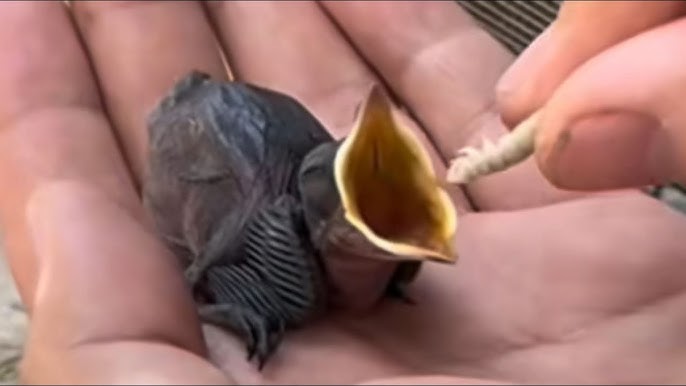
Finding a baby bird on the ground can make your heart race. You want to help, but you might wonder, what do you feed a baby bird you find?
Giving the wrong food could hurt more than help. You’ll learn simple, safe ways to care for that tiny life in your hands. Keep reading to discover what to do right now to give that baby bird the best chance to grow strong and healthy.
Identifying Baby Bird Types
Identifying the type of baby bird is crucial before feeding it. Different birds need different care and food. Understanding the stage and species helps provide the right support. This section explains how to recognize the baby bird’s type.
Distinguishing Nestlings And Fledglings
Baby birds fall into two main categories: nestlings and fledglings. Nestlings are very young. They have little or no feathers and cannot walk or fly. These birds need constant care and feeding. Their eyes might be closed or just opening.
Fledglings look more grown. They have feathers and can hop or flutter. They often leave the nest but still rely on their parents. Fledglings may appear alone but usually are learning to fly. They require less frequent feeding but still need help.
Common Baby Bird Species
Knowing common baby bird species helps identify the bird you found. Many baby birds share similar features but differ in size, color, and beak shape.
- Sparrows:Small, brown, with a short beak.
- Robins:Orange chest and dark head feathers.
- Blue Jays:Bright blue feathers and white belly.
- Finches:Tiny birds with colorful markings.
- Starlings:Glossy black feathers with white spots.
Each species requires specific types of food and care. Identifying the species guides you in choosing the best feeding method.
Immediate Care Steps
Finding a baby bird requires quick and careful action. Immediate care helps keep the bird safe and healthy. Follow these steps to provide the best support before seeking expert help.
Safe Handling Practices
Use clean hands or gloves to pick up the bird gently. Avoid squeezing or holding the bird too tightly. Keep the bird warm by placing it in a soft cloth or towel. Limit noise and movement to reduce stress. Handle the bird only when necessary to avoid injury.
Creating A Temporary Nest
Find a small, shallow container to act as a nest. Line it with soft cloth or paper towels for comfort. Make sure the nest is warm but not too hot. Place the nest in a quiet, safe area away from pets and children. Check the bird often to ensure it stays warm and calm.
Feeding Basics
Feeding a baby bird requires gentle care and the right food. Baby birds have delicate stomachs and fast metabolisms. Their diet must closely match what they would get from their parents. Providing the correct nutrition helps them grow strong and healthy. Understanding their natural diet is the first step to feeding them properly.
Natural Diet Components
Baby birds mostly eat insects and worms. These foods provide high protein needed for growth. Some species also eat seeds, berries, or fruit. Moisture is important too, as baby birds get water from their food. The diet changes as the bird grows. Young birds need softer, easier-to-digest foods. Protein-rich insects help build muscles and feathers.
Homemade Feeding Options
Use a mix of cooked egg yolk and baby cereal as a base. Mash the food into a soft paste. Add small bits of moistened dog or cat food for protein. Avoid milk or bread, which can harm the bird. Feed small amounts often, mimicking natural feeding intervals. Use a small spoon or dropper to feed gently. Keep the food warm but not hot. Clean feeding tools after each use to prevent illness.

Credit: www.youtube.com
Feeding Techniques
Feeding a baby bird needs care and the right technique. Proper feeding helps the bird grow strong and healthy. Using the right tools and feeding at correct times is very important. These techniques keep the bird safe and well-nourished during its early days.
Proper Feeding Frequency
Baby birds need to eat often because they grow fast. Feed the bird small amounts every 15 to 20 minutes during daylight hours. Avoid feeding at night unless you are sure the species needs it. Watch the bird’s behavior for signs of hunger or fullness. Do not overfeed; this can harm the bird’s health. Stick to a regular feeding schedule to keep the bird comfortable.
Using Feeding Tools Safely
Use soft tools like small spoons or eye droppers to feed baby birds. Always clean tools before and after each feeding to stop infections. Never use sharp or hard objects that can hurt the bird’s mouth. Hold the bird gently and support its body well while feeding. Offer food slowly to prevent choking or aspiration. Keep the feeding area calm and quiet to reduce stress on the bird.
When To Seek Help
Finding a baby bird can be a heart-wrenching moment. You want to help, but how do you know if you should step in or let nature take its course? Knowing when to seek help is crucial for the bird’s survival and your peace of mind.
Signs Of Distress Or Injury
Not all baby birds need your help. But if you notice visible wounds, bleeding, or swelling, the bird is in trouble. Also, if the bird is weak, unable to perch, or unresponsive, these are clear signs it needs professional care.
Is the bird shivering or panting? Both may indicate stress or illness. Watch for abnormal behavior like continuous crying or an empty stomach for hours. These symptoms mean the baby bird can’t survive on its own right now.
Contacting Wildlife Experts
If you spot any signs of distress, contacting wildlife experts should be your next move. Local wildlife rehabilitators have the knowledge and resources to care for the bird properly. You can usually find their contacts through animal rescue organizations or government wildlife agencies.
Quick action can make all the difference. A friend once found a fallen baby robin and called a rehabilitator immediately. The bird not only survived but was released back to the wild within weeks. Would you be ready to make that call when it counts?

Credit: www.reddit.com
Long-term Care Tips
Taking care of a baby bird over the long term requires more than just feeding it. You need to prepare it for life back in the wild and maintain its health properly. These steps increase the bird’s chances of survival once it returns to nature.
Preparing For Release
Start by helping the baby bird build strength and independence. Gradually reduce hand feeding as it learns to eat on its own. Offer natural foods similar to what it would find outside, like small insects or seeds.
Encourage flight practice by giving the bird space in a safe enclosure. Watching your bird flap its wings and hop around shows it’s gaining the skills needed for freedom. Have you thought about how to balance care with encouraging independence?
Maintaining Hygiene And Health
Cleanliness is key to preventing infections. Change bedding regularly and disinfect feeding tools after each use. Dirty environments can quickly harm a fragile bird’s health.
Keep an eye on the bird’s behavior and physical condition daily. Look for signs like lethargy, unusual droppings, or feather damage. Prompt attention to these issues can make a big difference in recovery.
Credit: www.petsradar.com
Frequently Asked Questions
What Should You Feed A Baby Bird You Find?
Feed baby birds soft, protein-rich foods like soaked dog kibble, hard-boiled eggs, or mealworms. Avoid bread or milk, as these can harm them. Always ensure food is easy to swallow and provide fresh water nearby.
Can You Feed A Baby Bird Milk Or Bread?
No, never feed baby birds milk or bread. Milk can cause digestive issues, and bread lacks proper nutrition. Instead, offer appropriate substitutes like soaked dog food, insects, or commercial bird formula to meet their dietary needs.
How Often Should You Feed A Found Baby Bird?
Feed baby birds every 15 to 20 minutes during daylight hours. Young birds have high metabolisms and need frequent feeding to survive. Gradually increase feeding intervals as they grow and gain strength.
Should You Feed Wild Baby Birds Or Call A Rehabilitator?
If unsure, contact a wildlife rehabilitator for advice. Feeding wild baby birds improperly can harm them. Professionals provide proper care and ensure the best chance for survival and safe release.
Conclusion
Caring for a baby bird is a big responsibility. Ensure you feed it the right food. Avoid bread and milk. Opt for insects, seeds, and special bird formula. Observe the bird’s reaction to its food. This helps understand its needs better.
If unsure, contact a local wildlife expert. They can offer guidance and support. Remember, the goal is to help the bird thrive. Your actions can make a big difference. Take care and be patient. Every effort counts in nurturing wildlife.
Your compassion can lead to the bird’s successful return to nature.