
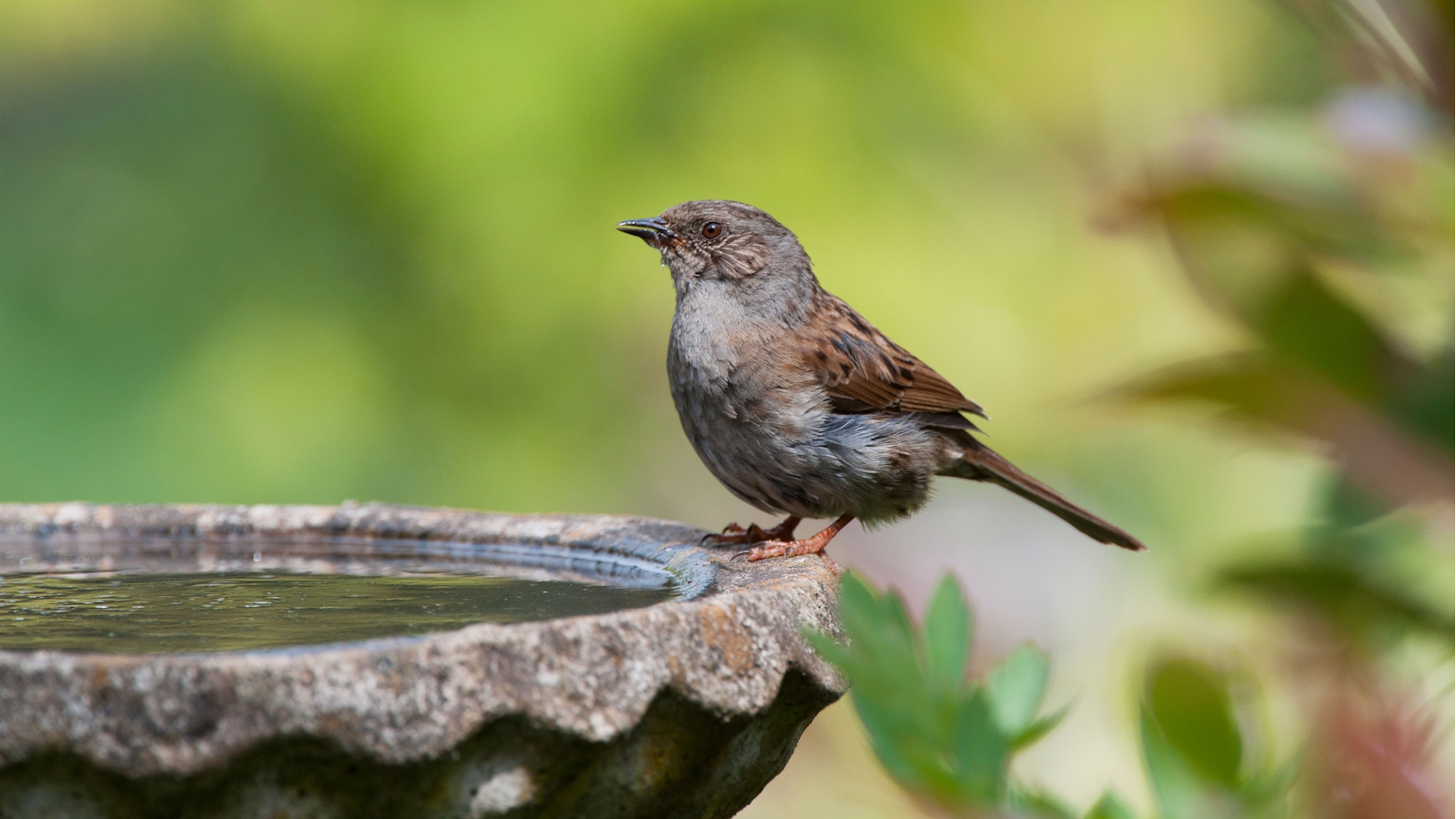
Have you ever wondered if it’s safe to feed birds rice? Maybe you’ve seen people tossing rice at weddings or thought about sharing your leftovers with the birds outside.
But is rice really good for them, or could it harm your feathered friends? Understanding the truth can help you make the best choice for the birds you care about. Keep reading, because what you learn might surprise you—and it could change how you interact with the wildlife around you.
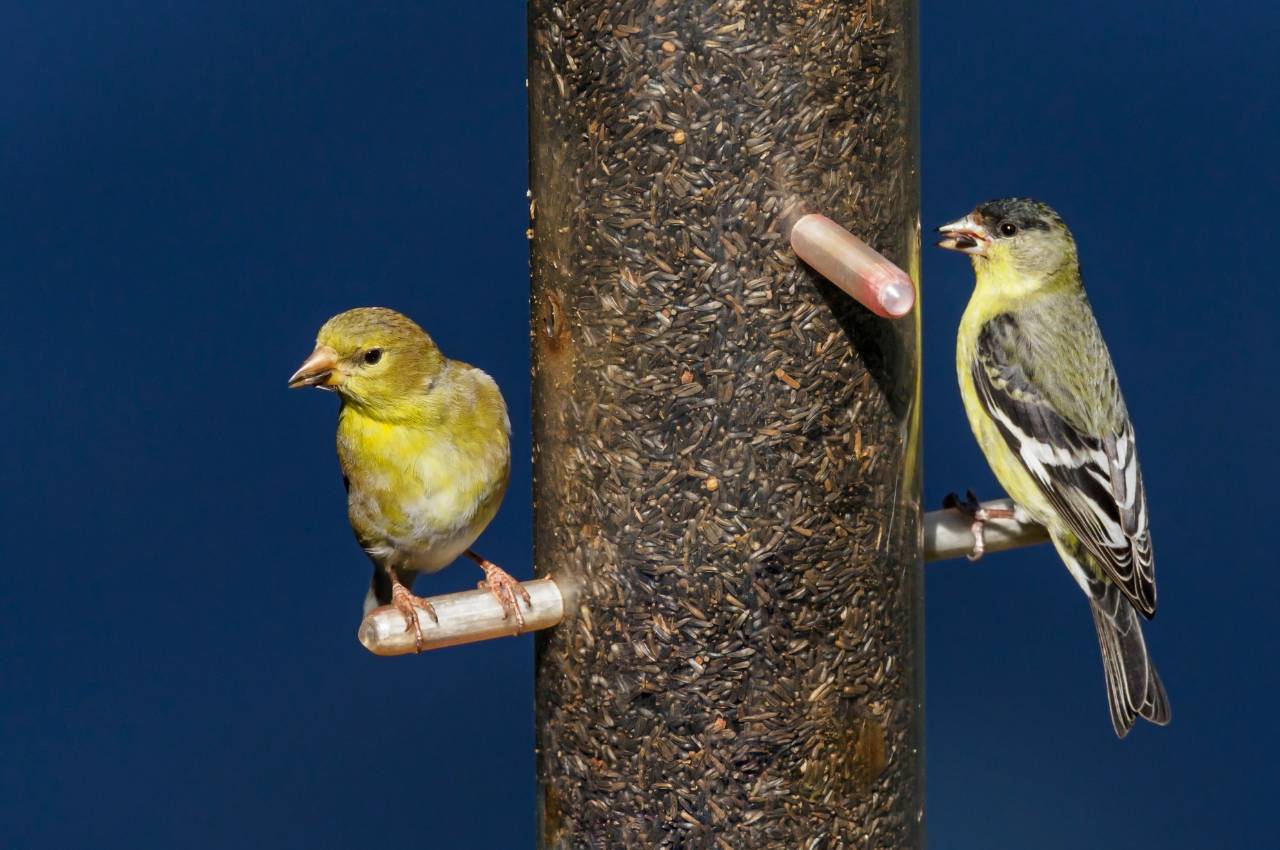
Credit: www.beakybites.co.uk
Birds And Rice Basics
Feeding birds can be a delightful way to connect with nature right in your backyard. But when it comes to rice, many wonder if it’s safe or beneficial for them. Understanding the basics about birds and rice helps you make better choices for feeding wild or pet birds.
Types Of Rice Birds Can Eat
Not all rice types are the same when it comes to feeding birds. Birds can safely eat uncooked white rice, brown rice, and even wild rice. These varieties are easy for birds to digest and provide some energy.
However, avoid feeding birds sticky or seasoned rice. Cooked rice with spices, salt, or sauces can harm their health. Plain, uncooked rice is the safest option if you want to offer rice to birds.
Nutritional Value Of Rice For Birds
Rice offers birds a quick source of carbohydrates, which gives them energy. White rice has fewer nutrients but still helps birds during migration or cold weather when they need extra fuel.
Brown rice contains more fiber and some vitamins, which can be beneficial but harder for some birds to digest. Keep in mind that rice alone doesn’t provide complete nutrition. You should pair it with seeds, nuts, or fruits to meet their dietary needs.
Have you noticed birds eagerly pecking at grains in your garden? Offering the right type of rice can be part of a varied diet, helping birds thrive around you.
Common Myths About Feeding Birds Rice
Feeding birds rice has sparked plenty of debate, often surrounded by myths that can confuse even the most well-meaning bird lovers. Some of these beliefs suggest rice is harmful or even deadly to birds. But how much of this is true, and what should you really know before tossing out a handful of grains?
Rice And Bird Health Risks
A common myth says that feeding birds rice can cause their stomachs to swell and burst. This idea probably comes from the thought that dry rice expands significantly inside a bird’s body. However, studies and bird experts have shown that birds can safely eat uncooked rice without any risk of harm.
Birds naturally eat grains similar in size and texture to rice, such as millet and other small seeds. Their digestive systems are designed to handle these foods efficiently. If you want to feed birds rice, stick to plain, uncooked white or brown rice without any added salt or seasoning to keep it safe.
Wedding Rice Tradition Explained
Throwing rice at weddings has a long history tied to good luck and prosperity for the newlyweds. This tradition is often blamed for harming birds, but the reality is more nuanced. The rice used in these celebrations is usually uncooked and scattered outdoors, where birds may eat it without problems.
Some communities have moved toward alternatives like birdseed or flower petals to avoid any concerns, but actual cases of rice causing bird injuries are extremely rare. Next time you see rice tossed in the air at a wedding, remember it’s meant as a blessing, not a danger to wildlife.
Benefits Of Feeding Birds Rice
Feeding birds rice offers several benefits that support their health and energy. Rice is a simple, natural food that many birds enjoy. It provides essential nutrients and helps birds stay active, especially during colder months or migration periods.
Energy Source For Wild Birds
Rice is rich in carbohydrates, which serve as a quick energy source. Birds need energy to fly, search for food, and keep warm. A small amount of rice can help birds regain strength. This is important during winter when food is scarce. Birds can digest rice easily, making it an efficient fuel.
Rice As A Supplement In Bird Diets
Rice works well as a supplement, not a main meal. It adds variety to a bird’s diet alongside seeds and insects. Feeding rice can help support birds that are weak or recovering. It also attracts a wide range of species to your backyard. Remember to offer plain, cooked, or uncooked rice without seasoning or additives for best results.
Potential Risks And Precautions
Feeding birds rice might seem harmless, but it’s important to understand the risks involved and take precautions. Your actions can affect their health and behavior in ways you might not expect. Let’s look closely at how different types of rice impact birds and how to feed them responsibly.
Uncooked Vs Cooked Rice Effects
Many people worry that uncooked rice can harm birds by expanding in their stomachs. However, birds have strong digestive systems that can handle uncooked grains better than humans think. Still, large amounts of uncooked rice might cause discomfort or digestive issues.
Cooked rice is softer and easier for birds to eat, but it can spoil quickly if left outside. Moldy or fermented rice poses a health risk. Always offer fresh, plain cooked rice without seasoning or oils to avoid harming the birds.
Avoiding Overfeeding And Dependency
Feeding birds rice should be done in moderation. Overfeeding can lead to birds relying on humans for food, which can reduce their natural foraging skills. You might notice fewer birds searching for natural food if they expect easy meals from you.
To keep birds healthy and independent, provide small amounts and vary their diet with seeds, nuts, and fruits. Have you ever noticed how birds behave differently when food is always available versus when they have to find it themselves?
Safe Alternatives To Rice For Birds
Feeding birds can be a rewarding experience, but choosing the right food is important for their health. While rice is often debated, there are many safer, more nutritious alternatives you can offer. These options not only keep birds healthy but also attract a wider variety of feathered friends to your garden or balcony.
Seeds And Grains That Birds Prefer
Birds naturally enjoy a range of seeds and grains that provide essential nutrients. Sunflower seeds are a top favorite for many species due to their high fat content and easy-to-crack shells. Millet and cracked corn are also popular choices, especially among smaller birds like sparrows and finches.
If you want to attract different types of birds, try mixing black oil sunflower seeds with safflower seeds. This combo appeals to cardinals, chickadees, and even some woodpeckers. Offering a variety of seeds ensures you cater to different tastes and nutritional needs.
Fruits And Nuts As Bird Food Options
Fruits and nuts add valuable vitamins and energy to a bird’s diet. Fresh berries, such as blueberries and raspberries, are excellent natural treats that many birds love. You can also offer chopped apples, but make sure to remove any seeds first as they can be harmful.
Nuts like peanuts (unsalted and shelled) and almonds provide healthy fats and protein. Try placing them in feeders designed for nuts to prevent mess and spoilage. Have you noticed how birds seem to brighten up when you add fresh fruit or nuts? It’s a simple way to make your bird feeding more exciting for both you and your visitors.

Credit: www.chroniclelive.co.uk
Best Practices For Feeding Birds
Feeding birds can be a joyful experience that connects you with nature. Following best practices ensures birds stay healthy and safe. Proper care and attention promote their well-being and encourage repeat visits.
Proper Feeding Techniques
Use bird-friendly foods like seeds, nuts, and grains. Avoid salted or flavored rice and bread. Offer food in small amounts to prevent waste. Place feeders at a safe height to protect birds from predators. Refresh food regularly to keep it fresh and appealing. Provide fresh water for drinking and bathing alongside feeding areas.
Maintaining Clean Feeding Areas
Clean feeders often to stop mold and bacteria buildup. Remove old or wet food daily. Use mild soap and water for cleaning feeders. Rinse well to remove soap residue. Keep the ground under feeders free of leftover food. Proper hygiene prevents diseases and keeps birds healthy. Place feeders in open spaces for good air flow and easy cleaning.

Credit: besgroup.org
Frequently Asked Questions
Can Birds Safely Eat Cooked Rice?
Yes, birds can eat cooked rice safely. It is easy to digest and provides energy. Avoid adding salt or spices. Cooked plain rice is a good occasional treat for many bird species.
Is Uncooked Rice Harmful To Birds?
No, uncooked rice is not harmful to birds. The myth that it causes birds to explode is false. Birds can eat raw rice without issues. It is a safe and common food source for wild birds.
Does Rice Provide Good Nutrition For Birds?
Rice offers carbohydrates and some nutrients for birds. It is low in protein and fats, so it should not be the only food. Feeding rice occasionally supplements birds’ diets but a varied diet is best for health.
Should I Feed Birds Rice Every Day?
Feeding birds rice daily is not recommended. Rice lacks essential nutrients birds need regularly. It is better to offer rice occasionally alongside seeds, fruits, and insects for balanced nutrition.
Conclusion
Feeding birds rice is generally safe. Cooked or uncooked, both are fine. Birds can digest rice without issues. It’s important to provide variety. Seeds, fruits, and nuts are also good choices. These keep birds healthy and happy. Avoid flavored or salty rice.
Plain rice is best for their diet. Always observe the birds’ reactions. This ensures they enjoy the food. Sharing rice can be a simple joy. Just remember to keep it natural. Happy bird watching!