
Have you ever wondered how birds know exactly which chick to feed in a crowded nest? It’s a surprising skill that goes beyond just instinct.
Imagine being able to recognize your own child among many, even when they all look so similar. This fascinating behavior shows just how sharp and tuned-in birds really are. By understanding how they do this, you’ll see nature from a whole new perspective—and maybe even learn something about how we connect with those we care about.
Keep reading, because the answer is more amazing than you might expect.
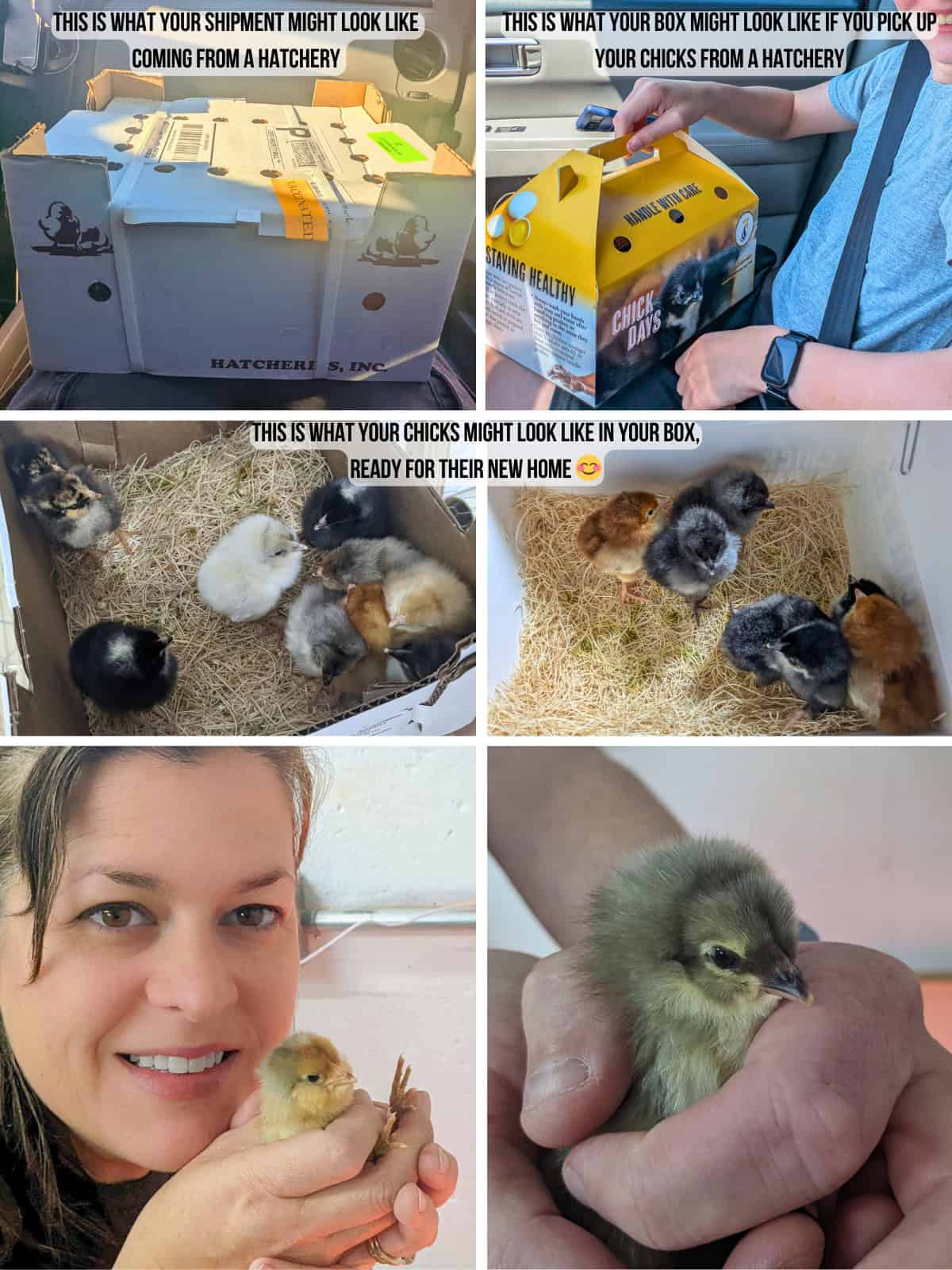
Credit: wholemadeliving.com
Bird Feeding Behavior
Bird feeding behavior is a fascinating topic that reveals how parent birds recognize and care for their chicks. This behavior ensures that each chick gets the nourishment it needs to grow strong. Understanding these patterns can change how you observe birds around your home or in the wild.
Parental Care Patterns
Parent birds use a mix of senses to identify their chicks. Sight plays a big role; many birds can recognize unique markings or colors on their offspring. Sound is another key factor—chicks have distinct calls that parents learn to recognize quickly.
Some species show highly attentive care, feeding each chick equally, while others may focus on the strongest chick. This behavior raises a question: how do parents decide which chick to prioritize when food is limited? Observing birds in your garden might reveal surprising answers to this.
Feeding Strategies In Different Species
Birds have developed various feeding strategies based on their environment and species traits. Some species, like penguins, feed chicks one at a time, ensuring each gets attention. Others, like many songbirds, feed all chicks in a rapid sequence, relying on vocal cues to target the hungry ones.
- Cuckoos, known for brood parasitism, trick host parents into feeding their chick by mimicking the calls of the host’s chicks.
- Woodpeckers often feed chicks by regurgitating food directly into their open mouths, which helps parents control which chick gets fed.
- Seabirds may use the size and strength of the chick as a guide, often feeding the more vigorous chick first.
Have you noticed how your local birds feed their chicks? Paying close attention can reveal the unique strategies each species uses to survive and thrive.
Chick Recognition Methods
Birds use different ways to recognize their chicks. This recognition helps parents feed the right young ones. It ensures their energy goes to their own offspring. Birds rely on senses like sight, sound, and smell to identify their chicks.
Visual Cues
Parents often spot their chicks by how they look. Color patterns on feathers or skin help them tell chicks apart. Some birds notice unique markings or size differences. Bright colors or spots serve as important signals. Visual recognition works best when chicks are nearby and visible.
Auditory Signals
Each chick has a special call or sound. Parents listen carefully to these unique calls. The sounds can vary in pitch, length, and rhythm. Mothers and fathers remember their chick’s voice. This helps them find their young in noisy nests or crowded areas.
Olfactory Recognition
Smell plays a role in chick recognition too. Some birds can detect their chick’s scent among others. This sense helps in dark or hidden nests. The smell acts as a reliable marker to guide feeding. Parents use this to avoid feeding the wrong chick.
Role Of Imprinting
Imprinting plays a key role in how birds recognize their chicks. This natural process helps parents form a strong bond with their offspring. It guides the parents to identify and feed the right chick in a busy nest. Imprinting happens early in a chick’s life and shapes the feeding behavior of the parent bird.
Early Bond Formation
Imprinting starts soon after the chick hatches. The parent bird learns the chick’s unique calls and appearance. This early bond helps the parent remember its own chick among many. The more time spent together, the stronger the bond grows. This connection is vital for the chick’s survival and care.
Impact On Feeding Choices
Imprinting directs the parent bird to feed the correct chick. Parents respond to specific sounds and movements from their own chick. This reduces the chance of feeding the wrong chick in crowded nests. Imprinting ensures the chick receives proper nourishment and care. It helps the family thrive in their natural habitat.
Credit: irishwildlifematters.ie
Sibling Competition
Sibling competition is a fierce and natural part of a bird’s life in the nest. When food is limited, chicks fight for their share, and parents must decide who to feed next. Understanding how birds manage this competition sheds light on their survival strategies and parenting skills.
Begging Behavior
Chicks use loud and persistent begging calls to grab their parents’ attention. The intensity and frequency of these calls often influence which chick gets fed first. You might notice that the hungriest or strongest chick usually makes the most noise, pushing its siblings aside.
Interestingly, some chicks develop unique begging patterns that parents recognize more easily. This behavior can be a survival advantage, helping parents identify the neediest chick quickly. Have you ever heard baby birds calling nonstop? That’s their way of fighting for food in a crowded nest.
Dominance And Feeding Priority
Physical dominance plays a key role in who gets fed. Older or larger chicks often assert their position by pushing smaller siblings away from the food source. This dominance ensures that the strongest survive but can leave weaker chicks struggling.
Parents sometimes intervene by balancing feeding to prevent the smallest chick from starving. However, in many cases, feeding priority depends on which chick is more aggressive or vocal. Have you seen siblings squabble over a meal? Bird families face similar challenges every day.
Adaptations For Survival
Birds have developed special traits to survive and care for their young. These adaptations help them feed the right chick and keep their family safe. Understanding these traits shows how nature solves tough problems. These adaptations improve how parents find and feed their chicks.
Feeding Efficiency
Birds recognize their chicks through unique calls and markings. Each chick has its own sound that parents learn quickly. Bright colors or patterns on a chick’s mouth guide parents to feed them. Parents respond faster to these signals, saving energy and time. This helps parents feed the hungriest chicks first. Feeding efficiency means more chicks survive to grow up strong.
Avoiding Parasitism
Some birds face threats from parasitic chicks that trick parents into feeding them. To avoid this, parents use sharp recognition skills. They spot differences in size, color, or behavior to reject parasites. Some birds build nests in hidden places for safety. Parents may also eject foreign eggs or chicks. These actions protect resources for their own young. Avoiding parasitism increases the chance of raising healthy chicks.
Scientific Studies And Discoveries
Understanding how birds identify their own chicks has fascinated scientists for decades. Through rigorous studies and clever experiments, researchers have uncovered the subtle ways parent birds recognize their offspring. These discoveries reveal a world of sensory cues and behaviors that go beyond what we might expect.
Experiments On Chick Recognition
Scientists have designed experiments placing chicks with foster parents to see if feeding behavior changes. They found that many bird species rely on a combination of visual, auditory, and olfactory signals to pick out their own chicks.
In one study, researchers played recorded chick calls to parent birds and observed their reactions. The parents responded more quickly and fed more often when hearing their own chicks’ calls compared to unfamiliar ones.
Other experiments involved swapping chick appearances using artificial markings. This showed that parents use specific visual cues, such as feather patterns or beak shape, to identify their young.
Technological Advances In Observation
New technologies have transformed how scientists study bird feeding habits. High-speed cameras capture split-second interactions between parents and chicks, revealing subtle recognition behaviors.
Microphones and sound analysis software help isolate and analyze chick calls, allowing researchers to understand what makes each call unique. This can even detect differences imperceptible to human ears.
GPS trackers and tiny sensors attached to birds provide data on feeding frequency and movement. This information helps build a clearer picture of how parents allocate food among their chicks.
Have you ever wondered if you could tell your own child’s cry from others? These scientific tools show that in nature, parents have an impressive ability to do just that—and it shapes their survival strategy.
Implications For Conservation
Understanding how birds identify which chick to feed has direct consequences for conservation efforts. Birds’ ability to recognize their own chicks helps maintain healthy populations and ensures that resources go to the right offspring. This knowledge guides us in protecting species and their environments more effectively.
Protecting Nesting Habitats
Nesting habitats are crucial for birds to raise their young safely. If these areas are disturbed or destroyed, parent birds may struggle to find or recognize their chicks. You can support conservation by advocating for the protection of forests, wetlands, and other natural nesting sites near your community.
Sometimes, invasive species or human activities confuse birds, making it harder for them to feed their chicks properly. Preserving the natural environment helps maintain the delicate balance that allows birds to use their natural recognition skills. Have you noticed how birds behave differently in urban areas compared to wild spaces?
Supporting Vulnerable Species
Some bird species face unique challenges in recognizing their chicks, especially those with large colonies or where chicks look very similar. Conservation programs can help by monitoring these species and providing safe spaces for breeding. You might consider volunteering or donating to organizations that focus on these vulnerable birds.
Feeding mistakes can reduce chick survival rates, impacting population numbers. Efforts such as captive breeding and habitat restoration rely on understanding feeding behaviors. How could your support of local conservation initiatives improve the chances for these birds to thrive?

Credit: swibirds.org
Frequently Asked Questions
How Do Birds Identify Their Chicks To Feed?
Birds recognize their chicks mainly through vocal calls and unique smells. These signals help parents distinguish their own offspring from others in crowded nests.
Can Birds Recognize Chicks By Sight Alone?
Visual cues help, but are less reliable. Birds rely more on sound and smell to ensure they feed their own chicks accurately.
Why Do Parent Birds Prefer Some Chicks Over Others?
Parents often feed the strongest chicks first. This strategy increases survival chances by investing resources in the most viable offspring.
Do All Bird Species Use The Same Method To Identify Chicks?
No, identification methods vary. Some rely on calls, others on smell or sight, depending on species and nesting environment.
Conclusion
Birds have a remarkable instinct for feeding their chicks. They recognize their offspring by sound and sight. This ensures the survival of their young. Each chick’s unique call helps the parent. Nature’s design is truly efficient and fascinating. Understanding these behaviors enriches our appreciation of birds.
It shows the intricate balance in nature. Birds’ ability to identify their chicks highlights their intelligence. Observing this can teach us about life. We learn the importance of care and attention. Next time you see a bird, remember their amazing instincts.
Nature truly never ceases to amaze.