
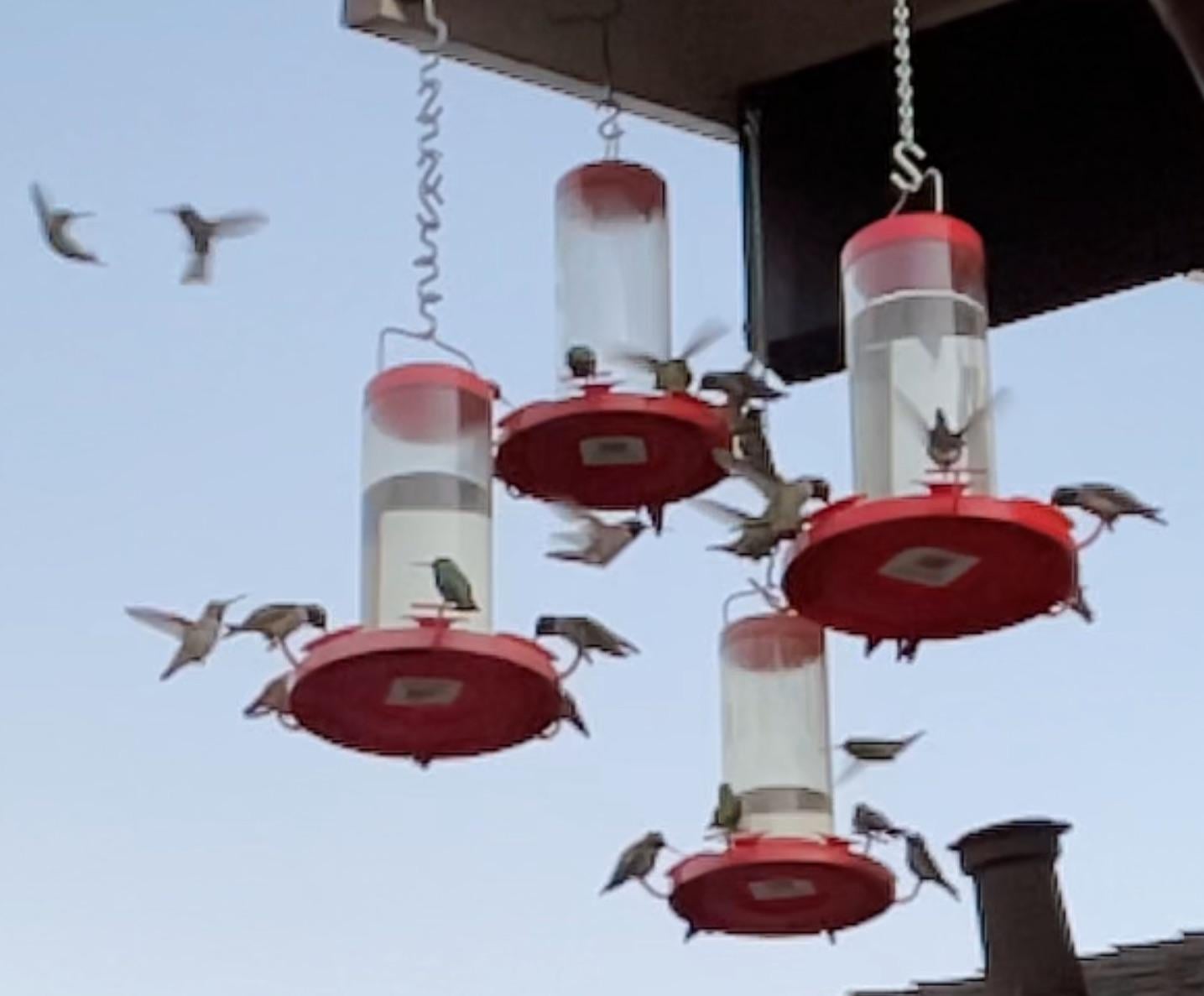
If you have Orlore birds or are thinking about getting them, one question probably comes to your mind: What should you feed them? Feeding your Orlore birds the right food is key to keeping them healthy and happy.
But with so many options out there, it can be confusing to know what’s best. You’ll discover simple, effective tips to make sure your birds get the nutrition they need. Keep reading, and you’ll learn how to nourish your Orlore birds the right way—so they thrive under your care.

Credit: www.reddit.com
Orlore Bird Diet Basics
Understanding the Orlore bird diet basics helps keep these birds healthy. Their diet supports their energy, growth, and vibrant feathers. Feeding them the right foods is essential for their well-being.
Natural Food Preferences
Orlore birds prefer a mix of seeds, fruits, and insects. They often eat small berries and nuts found in their habitat. Insects provide important protein for muscle development. They also like soft fruits like bananas and apples. These natural foods help mimic their wild diet.
Nutritional Requirements
Orlore birds need balanced nutrition for strong bones and bright feathers. Protein is vital for muscle repair and growth. Vitamins A and E support their immune system and skin health. Calcium strengthens their bones and beak. A diet rich in fresh fruits and vegetables supplies essential vitamins and minerals. Clean water must always be available for hydration.
Recommended Foods
Providing the right foods helps Orlore birds stay healthy and active. Their diet should include a mix of seeds, fresh produce, and protein. This variety gives them essential nutrients and energy. Below are the key food types to include in their daily meals.
Seeds And Grains
Seeds and grains form a big part of Orlore birds’ diet. They offer energy and help maintain strong feathers. Common seeds include:
- Sunflower seeds
- Millet
- Canary seed
- Oats
- Safflower seeds
Mix these seeds to provide a balanced meal. Avoid giving only one type to prevent nutrient gaps.
Fresh Fruits And Vegetables
Fresh fruits and vegetables supply vitamins and hydration. Choose safe options like:
- Apples (without seeds)
- Carrots
- Spinach
- Blueberries
- Peas
Wash produce well before serving. Cut into small pieces to help birds eat easily.
Protein Sources
Protein supports growth and repair in Orlore birds. Good protein sources include:
- Boiled eggs (chopped)
- Mealworms
- Cooked beans (plain)
- Small insects
Offer protein in moderation. Too much can upset their digestion.
Foods To Avoid
Choosing the right foods for Orlore birds is vital for their health. Some foods can harm them or even cause death. Knowing which foods to avoid protects your bird from illness. It also helps maintain their energy and happiness.
Toxic Plants And Seeds
Many common plants and seeds contain poisons for Orlore birds. These can cause severe health problems or death. Avoid feeding these to your bird:
- Avocado – contains persin, very toxic to birds
- Onion and garlic – cause digestive and blood issues
- Rhubarb leaves – contain oxalates harmful to birds
- Apple seeds – contain cyanide, dangerous if swallowed
- Cherry pits – can release toxic substances
- Tomato leaves and stems – may cause poisoning
- Nightshade plants – highly toxic to all birds
Keep these plants and their seeds out of your bird’s reach.
Processed And Sugary Items
Orlore birds need natural, fresh foods for good health. Processed foods often contain harmful ingredients like salt, sugar, and chemicals. These can cause obesity, liver damage, and other diseases in birds.
- Do not feed candy, chocolate, or sweets
- Avoid salty snacks like chips and pretzels
- Skip processed cereals and breads with additives
- Stay away from sugary drinks and sodas
- Do not give fried or greasy human food
Fresh fruits, vegetables, and specially made bird food are better choices. These keep your Orlore bird strong and energetic.

Credit: www.reddit.com
Feeding Schedule And Portions
Maintaining a consistent feeding schedule and the right portion sizes is essential for your Orlore bird’s health and happiness. Feeding at regular times helps regulate their digestion and energy levels. It also allows you to monitor their eating habits closely, making it easier to spot any changes that might indicate health issues.
Daily Feeding Routine
Set specific times for feeding your Orlore bird, ideally twice a day—once in the morning and once in the evening. This routine mimics their natural feeding habits and keeps their metabolism steady.
Offer fresh food each time and remove any leftovers to prevent spoilage. Don’t forget to provide clean water at all times; hydration is just as important as nutrition.
Pay attention to how eagerly your bird eats during these times. If you notice a drop in appetite, it could signal stress or illness.
Adjusting Portions By Age And Activity
Young Orlore birds need smaller, more frequent meals to support their rapid growth. Adult birds, on the other hand, require balanced portions that match their activity levels to avoid obesity.
Active birds that fly and play a lot will need slightly larger portions to fuel their energy. Less active or older birds may need less food to maintain a healthy weight.
Use a simple scale or measuring spoon to keep portions consistent. Overfeeding can cause health problems, while underfeeding can stunt development and weaken immunity.
Supplements And Vitamins
Supplements and vitamins are essential to keep your Orlore birds healthy and active. While a balanced diet covers most of their nutritional needs, certain vitamins and minerals play a critical role in their overall well-being. Understanding what supplements to add and when to use them helps you avoid common health issues and supports your birds’ vitality.
Calcium And Mineral Needs
Calcium is vital for strong bones, eggshell formation, and muscle function in Orlore birds. Without enough calcium, your birds can develop brittle bones or weak eggshells, which can be frustrating to manage. You can provide calcium through cuttlebone, mineral blocks, or crushed oyster shells placed in their cage.
Besides calcium, other minerals like phosphorus, magnesium, and potassium are also necessary. These minerals support nerve function, energy production, and overall metabolism. A mineral block designed for birds usually covers these needs, but always check the label to make sure it fits your Orlore bird’s requirements.
When To Use Supplements
Not every bird needs supplements all the time. If your Orlore has a varied diet with fresh fruits, vegetables, seeds, and pellets, they might already get the vitamins they need. However, during molting, breeding, or illness, their nutrient needs increase significantly.
Watch for signs like feather loss, lethargy, or poor egg quality. These can indicate a need for extra vitamins or minerals. Consult your vet before starting any supplements—giving too much can be harmful. Have you noticed any changes in your bird’s behavior or health that might call for added nutrition?

Credit: www.reddit.com
Hydration Tips
Keeping Orlore birds well-hydrated is crucial for their health and energy. Hydration supports digestion, feather condition, and overall vitality. Let’s look at how you can ensure your birds stay hydrated and recognize when they need more water.
Water Quality And Availability
Clean water is essential. Always provide fresh, filtered water to avoid harmful bacteria or chemicals that could upset your Orlore birds’ stomachs. Changing the water daily helps keep it fresh and appealing.
Place water dishes in shaded, easy-to-reach spots. If your birds are outdoors, check water bowls frequently, especially on hot days, to prevent drying out. You might even add a few drops of electrolyte solution to their water during extreme heat to boost hydration.
Signs Of Dehydration
How can you tell if your Orlore birds aren’t getting enough water? Watch for dry, wrinkled skin around their eyes and beak. Lethargy and reduced appetite are also warning signs.
Another clue is sunken eyes or excessive panting. If you notice these symptoms, increase water availability immediately and consult a vet if the condition doesn’t improve quickly. Prompt action can prevent serious health issues.
Common Feeding Mistakes
Feeding Orlore birds properly is key to their health and happiness. Many bird owners make common mistakes that harm their pets. These errors can lead to serious health problems and unhappy birds. Understanding these mistakes helps keep Orlore birds strong and active.
Overfeeding And Obesity
Overfeeding is a frequent problem with Orlore birds. Extra food might seem like care, but it causes obesity. Obese birds move less and get sick more easily. High-fat seeds or too many treats add unnecessary calories. Portion control is vital to avoid weight gain. Regularly check your bird’s weight for healthy growth.
Nutritional Deficiencies
Feeding only one type of food leads to nutritional gaps. Orlore birds need a mix of seeds, fruits, and vegetables. Lack of vitamins and minerals weakens their immune system. Deficiencies cause dull feathers and low energy. Provide a balanced diet to meet all nutritional needs. Supplements should only be given under vet advice.
Monitoring Bird Health
Monitoring the health of Orlore birds is vital for their well-being. Regular checks help spot problems early. Healthy birds show clear signs through behavior and appearance. Keeping an eye on these signs ensures timely care and a longer life.
Behavioral Changes
Changes in how Orlore birds act can signal health issues. Watch for these signs:
- Less activity or unusual tiredness
- Loss of appetite or refusal to eat
- More sleeping than usual
- Unusual aggression or fearfulness
- Less singing or vocalizing
Behavior shifts often come before visible symptoms. Notice any odd habits or routines.
Physical Indicators
Look at the bird’s body for clues about its health:
- Dull or ruffled feathers
- Swelling or lumps on the body
- Discharge from eyes or beak
- Weight loss or thin appearance
- Changes in droppings color or texture
Physical signs are clear signals to act quickly. Early detection helps prevent serious illness.
Frequently Asked Questions
What Is The Best Diet For Orlore Birds?
Orlore birds thrive on a balanced diet of seeds, fruits, and vegetables. Include millet, sunflower seeds, apples, and leafy greens. This mix supports their health and energy needs. Always provide fresh water alongside their food.
Can Orlore Birds Eat Human Food Safely?
Avoid feeding Orlore birds processed human food. They can eat some fresh fruits and vegetables but no salty or sugary items. Stick to natural, bird-safe foods to prevent health issues.
How Often Should I Feed Orlore Birds Daily?
Feed Orlore birds twice a day with small portions. Fresh food should be provided in the morning and evening. Remove uneaten food to keep their environment clean and healthy.
Are Supplements Necessary For Orlore Bird Nutrition?
Supplements are optional if their diet is balanced and varied. Calcium and vitamin supplements can help during breeding or molting. Consult a vet before adding any supplements.
Conclusion
Feeding Orlore birds the right diet keeps them healthy and happy. Fresh fruits and seeds offer essential nutrients. Clean water is crucial every day. Avoid processed foods and artificial ingredients. These can harm their health. Keep their feeding area clean and safe.
Observe their eating habits closely. Adjust their diet as needed for their well-being. A balanced diet ensures vibrant feathers and energy. Your attention to their needs fosters trust and joy. Enjoy the rewarding experience of caring for Orlore birds.