
Have you ever wondered what the best food is to feed garden birds? If you want to attract colorful, lively visitors right to your backyard, choosing the right food is key.
Feeding birds isn’t just about tossing scraps; it’s about giving them the nutrition they need to thrive. Imagine watching your garden come alive with fluttering wings and cheerful chirps every day. You’ll discover simple, effective ways to pick the perfect bird food that keeps your feathered friends happy and healthy.
Keep reading—you’re just moments away from turning your garden into a bird paradise!

Credit: peckishbirdfood.com
Top Foods For Garden Birds
Feeding garden birds the right food can make a big difference in attracting a variety of species to your outdoor space. Different birds prefer different types of food, so offering a mix can keep your garden lively and vibrant throughout the year. Understanding what birds naturally eat helps you provide the best options to keep them healthy and happy.
Seeds And Grains
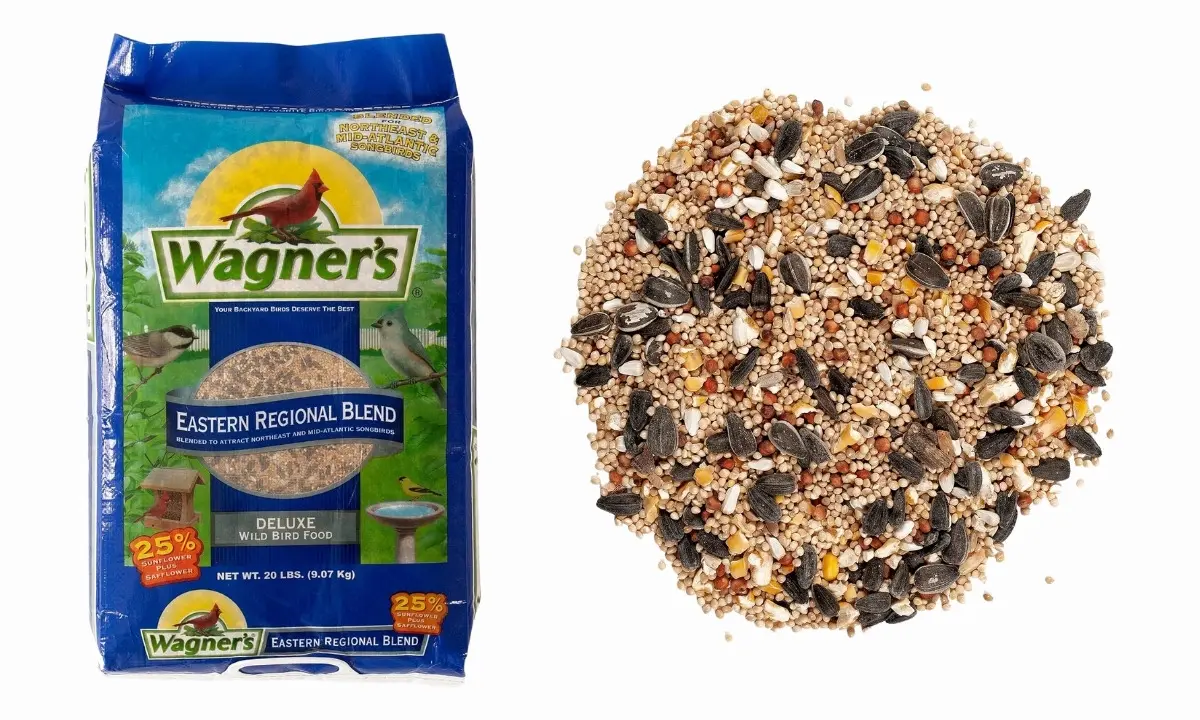
Seeds and grains are favorites for many garden birds. Black sunflower seeds are especially popular because they have a high oil content, providing lots of energy. You can also add millet and cracked corn to attract smaller birds like finches and sparrows.
Have you noticed how quickly birds flock to feeders stocked with these? That’s because seeds are easy to eat and digest, making them a reliable food source.
Nuts And Fruits
Nuts and fruits offer essential nutrients that seeds alone can’t provide. Peanuts are a great nut choice, but make sure they’re unsalted and offered in a mesh feeder to avoid choking hazards. Soft fruits like berries, apples, and raisins attract species like thrushes and waxwings who enjoy a sweet treat.
Try placing fruit near your feeders and watch the variety of birds increase. It’s fascinating how these natural snacks can diversify your garden visitors.
Insects And Mealworms
Many birds rely on insects as a protein source, especially during breeding season. Mealworms are an excellent option you can buy frozen or dried to feed birds such as robins and blue tits. They mimic the natural diet and help birds stay strong and healthy.
Have you ever seen birds eagerly hunting bugs in your garden? Offering mealworms can support their natural habits and keep them coming back regularly.
Foods To Avoid
Knowing what foods to avoid is just as important as choosing the right ones to feed your garden birds. Some common household foods can harm them or make them sick. Being careful about what you put out can protect your feathered visitors and keep your garden a safe haven.
Toxic Foods For Birds
Certain foods that seem harmless to us can be dangerous for birds. Avoid feeding birds:
- Avocado:Contains persin, which can cause heart damage in birds.
- Chocolate:Toxic compounds affect their nervous system and heart.
- Caffeine:Found in coffee and tea, it can lead to hyperactivity and heart issues.
- Onions and garlic:These can cause digestive problems and damage red blood cells.
- Salt:Even small amounts can lead to dehydration and kidney failure.
I once saw a friend unknowingly feed their garden birds leftover onion-flavored chips. Several birds stopped coming around after that. It made me realize how easily we can harm wildlife with everyday snacks.
Moldy Or Spoiled Items
Birds are sensitive to mold and spoiled food. Moldy bread or seeds can produce toxins that harm their digestive systems.
Always check your bird food for freshness. Avoid feeding anything that smells off or looks discolored.
Have you ever left birdseed out for weeks? It can become a breeding ground for mold, especially in damp weather. Regularly changing food prevents illness and keeps your birds healthy.
Feeding Tips For Different Bird Species
Different bird species have unique feeding needs. Feeding them properly helps keep birds healthy and happy in your garden. Understanding these needs makes your garden a safe place for many birds throughout the year.
Feeding Small Songbirds
Small songbirds like finches, sparrows, and chickadees prefer tiny seeds and insects. Offer black oil sunflower seeds and millet in feeders. These seeds are easy to eat and full of energy.
Mealworms are a great treat for protein. Use tube feeders or small trays to keep seeds clean and dry. Avoid large seeds that small birds cannot handle.
Attracting Larger Birds
Larger birds such as jays, doves, and woodpeckers need bigger seeds and nuts. Peanuts, sunflower seeds, and cracked corn work well. Use platform feeders or ground feeding trays for easy access.
Suet blocks provide extra fat and energy, especially in colder months. Place feeders in open spots where larger birds can land safely without threats.
Seasonal Feeding Adjustments
Birds’ food needs change with the seasons. In winter, offer high-energy foods like suet and sunflower seeds. These help birds stay warm and survive harsh weather.
In spring and summer, reduce seed feeding and add fresh fruits and insects. This supports breeding birds and growing chicks. Always keep feeders clean to prevent disease all year round.

Credit: creators.yahoo.com
Best Feeding Equipment
Choosing the right feeding equipment is key to attracting a variety of garden birds and keeping them safe and healthy. The best feeders suit the types of birds you want to attract and the food you plan to offer. Your choice impacts how easily birds can access food and how clean and manageable your feeding area remains.
Types Of Bird Feeders
Bird feeders come in many shapes and designs, each suited to different bird species and food types. Tube feeders with small ports work well for seeds like sunflower or nyjer, attracting finches and chickadees.
Platform feeders provide an open space, perfect for larger birds or those that prefer to pick food from a flat surface. Suet feeders are designed to hold high-energy suet cakes, ideal for woodpeckers and nuthatches.
- Hopper feeders:Hold a large amount of seed and release it as birds eat, reducing the need for frequent refills.
- Nectar feeders:Specifically for hummingbirds and orioles, designed to hold sugar water or nectar.
- Ground feeders:Scatter seeds on the ground to attract ground-feeding birds like doves and sparrows.
Have you noticed certain birds avoid some feeders? It might be the design or placement. Experimenting with different feeders can reveal what your local birds prefer.
Maintaining Clean Feeders
Clean feeders prevent the spread of disease among visiting birds. Regular cleaning removes mold, bacteria, and old food that can harm your feathered friends.
Use warm, soapy water or a mild bleach solution (1 part bleach to 9 parts water) to scrub feeders every two weeks. Rinse thoroughly and dry before refilling.
Check feeders for damage or sharp edges that could injure birds or make feeding difficult. Keeping feeders in good condition encourages regular visits and healthy birds.
Do you find cleaning tedious? Setting a reminder or linking this task to another garden activity can help keep your feeders safe without extra effort.
Creating A Bird-friendly Garden
Creating a bird-friendly garden means more than just putting out seed. It involves crafting an environment where birds feel safe, find food easily, and can rest or nest comfortably. Your garden can turn into a lively haven where birds visit regularly, enriching your outdoor space with life and color.
Planting Native Flora
Native plants are the backbone of a bird-friendly garden. They provide natural food sources like berries, seeds, and nectar that local birds rely on. Plus, native plants attract insects, which many birds feed on, especially during breeding season.
Think about adding shrubs like elderberry or serviceberry, which produce fruit birds love. Wildflowers such as coneflowers and black-eyed Susans also offer seeds and support pollinators. Have you noticed how birds seem more active around native plants? That’s because these plants create a familiar and nourishing habitat.
Providing Water Sources
Birds need fresh water for drinking and bathing every day. A small birdbath or a shallow dish filled with clean water can make a big difference. Moving water, like a dripper or fountain, attracts even more birds because it signals freshness and safety.
Be sure to keep the water clean and change it regularly to prevent disease. In colder months, think about a heated birdbath to help birds access water when it’s frozen. Have you checked your garden recently to see if there’s a reliable water source for birds?
Shelter And Nesting Spots
Birds need places to hide from predators and harsh weather. Dense bushes, trees, and even piles of logs create perfect shelter. Adding birdhouses or nesting boxes can encourage species to settle in your garden.
Make sure shelters are placed in quiet corners away from heavy foot traffic. Different birds prefer different types of homes, so providing a variety helps. Have you thought about where birds could feel safe in your garden?

Credit: www.birdwatchingdaily.com
Common Feeding Mistakes To Avoid
Feeding garden birds can be a joyful experience, but it’s easy to make mistakes that harm the birds or reduce the benefits of your efforts. Knowing what pitfalls to avoid helps you create a safe and welcoming environment for your feathered visitors. Let’s look at some common feeding mistakes you should steer clear of.
Overfeeding And Waste
It might seem kind to put out large amounts of food, but overfeeding causes more harm than good. Birds often eat only what they need and leave the rest, which attracts pests like rats and unwanted insects. Leftover food can also spoil quickly, spreading mold and bacteria harmful to birds.
Have you noticed uneaten seeds piling up under your feeder? That’s a sign to reduce the quantity. Try offering smaller amounts more frequently to keep the food fresh and minimize waste.
Attracting Predators
Your bird feeders can unintentionally invite predators such as cats, squirrels, or even larger birds. Placing feeders too close to dense bushes or areas where predators can hide puts smaller birds at risk. It’s essential to position feeders in open spaces where birds can spot danger early.
Think about your own garden setup: do you see signs of predators lurking nearby? Adjusting the location of feeders and keeping the area clean can help protect your garden birds from harm.
Frequently Asked Questions
What Is The Best Seed Mix For Garden Birds?
A high-quality seed mix with sunflower seeds, millet, and cracked corn attracts many garden birds. It provides essential nutrients and energy for different bird species.
Can I Feed Garden Birds Fruits Or Vegetables?
Yes, garden birds enjoy fruits like apples and berries. Vegetables such as peas and corn are also healthy and safe treats.
How Often Should I Refill Bird Feeders?
Refill feeders every two to three days to keep food fresh. Regular refills encourage birds to visit your garden consistently.
Is It Safe To Feed Garden Birds Bread?
No, bread lacks nutrients and can harm birds. Instead, offer seeds, nuts, or specially formulated bird food for their health.
Conclusion
Feeding garden birds helps them stay healthy and strong. Seeds, nuts, and fruits work best for many birds. Avoid salty or processed foods that can harm them. Fresh water is also important for their survival. Watch birds enjoy the food you provide every day.
Small efforts make a big difference for wildlife near you. Choose the right food, and your garden will become a lively place. Happy birds bring joy and life to any garden space. Give nature a simple gift that lasts.