
Finding an injured baby bird can be upsetting, and you might wonder what to feed it to help it survive. You want to do the right thing, but feeding the wrong food could harm the little bird.
Knowing exactly what to give your fragile feathered friend is crucial. You’ll discover simple, safe feeding tips that can make a real difference in the baby bird’s recovery. Keep reading—you have the power to help save a life.
Identifying Injured Baby Birds
Identifying injured baby birds is crucial before offering help. Recognizing signs of injury ensures proper care and increases their survival chances. Injured nestlings need immediate attention to recover well. Observe the bird closely to understand its condition. Early detection of problems can prevent worse outcomes.
Common Injuries In Nestlings
- Broken or bent wings and legs
- Visible wounds or bleeding
- Swollen or bruised areas
- Missing feathers or bald patches
- Deformities in beak or claws
These injuries often happen from falls or predator attacks. Handling the bird gently helps avoid more harm. Injured birds may show unusual posture or difficulty moving.
Signs Of Distress And Weakness
- Excessive chirping or silence
- Closed or half-open eyes
- Shivering or trembling
- Difficulty breathing or gasping
- Extreme stillness or lethargy
- Visible dehydration or sunken eyes
Weakness can mean starvation or illness. Identifying these signs helps decide if medical help is needed. Quick action can save the young bird’s life.

Credit: www.reddit.com
Safe Handling Practices
Handling injured baby birds requires careful attention and gentle care. Your approach can either help them recover or cause additional harm. Knowing safe handling practices ensures you minimize stress and provide the best chance for their survival.
Minimizing Stress During Rescue
Stress can quickly worsen an injured baby bird’s condition. Speak softly and move slowly to avoid startling it. Use a small towel or cloth to gently scoop the bird up—this prevents flapping and reduces panic.
Keep the bird in a quiet, dark space during rescue. Bright lights and loud noises increase anxiety and can cause shock. Have you ever noticed how animals freeze when scared? Mimicking that calm environment helps the bird feel safer.
Proper Transport Techniques
Transporting the bird safely is crucial. Use a small box lined with soft tissue or cloth to cushion the bird. Make sure the container has ventilation holes but is secure enough to prevent escape.
Keep the box steady and avoid sudden movements while carrying it. Place the container in a warm, quiet place in your car—never leave the bird exposed to direct sunlight or cold drafts. Think about how you would want to be carried if you were injured—this care makes a difference.
Feeding Basics For Baby Birds
Feeding injured baby birds requires careful attention to their needs. Their diet must mimic what they receive in the wild to support healing and growth. Proper food type and feeding frequency help prevent malnutrition and stress. Understanding these basics is essential for anyone caring for these delicate creatures.
Natural Diets By Species
Different baby birds eat different foods. Knowing their natural diet helps provide the right nutrients.
- Sparrows:Mostly insects and seeds.
- Robins:Worms, insects, and soft fruits.
- Hummingbirds:Nectar and tiny insects.
- Woodpeckers:Insects and larvae.
- Owls:Small mammals and insects.
Feeding a bird the wrong diet can harm its health. Offer food close to what they eat naturally.
Frequency And Quantity Guidelines
Baby birds need frequent feedings because they have small stomachs. Feeding too much or too little can cause problems.
| Age | Feedings per Day | Amount per Feeding |
|---|---|---|
| Newborn (0-7 days) | Every 15-20 minutes | Small drops with syringe or spoon |
| 1-2 weeks | Every 30 minutes | Small spoonfuls |
| 2-3 weeks | Every 1-2 hours | Gradually increasing spoonfuls |
| 3+ weeks | Every 3-4 hours | Amount depends on bird size |
Warm the food slightly before feeding. Cold food can upset their stomachs. Feed gently to avoid choking.
Homemade Food Options
Feeding injured baby birds requires gentle care and the right nutrition. Homemade food options can provide the nutrients these tiny birds need to heal and grow strong. Preparing food at home ensures freshness and control over ingredients. It also helps mimic what birds eat naturally, supporting their recovery.
Diy Bird Formula Recipes
Making your own bird formula is simple and effective. Use soft, easy-to-digest ingredients that offer protein and energy. Here are some recipes to try:
- Egg yolk mix:Mash one hard-boiled egg yolk with warm water. Make it smooth and runny.
- Baby cereal blend:Mix plain baby cereal with warm water until it is thin but creamy.
- Soaked dog kibble:Soak small pieces of dog kibble in warm water until very soft. Mash if needed.
- Insect puree:Blend soft insects like mealworms with water to make a paste.
Feed the formula using a small syringe or dropper. Keep the food warm but not hot. Feed small amounts often, every 15 to 20 minutes.
Foods To Avoid
Some foods harm baby birds and should never be given. Avoid:
- Milk and dairy products – birds cannot digest lactose.
- Salt and sugar – these can upset their stomach.
- Processed human food – it lacks proper nutrients and may contain chemicals.
- Whole seeds or nuts – they are hard to swallow and digest.
- Raw meat or fish – risk of bacteria and parasites.
Stick to safe, homemade formulas for the best care. Correct feeding helps injured baby birds heal faster.
Feeding Tools And Methods
Feeding injured baby birds requires more than just the right food; the tools and methods you use can make a big difference in their recovery. Choosing the correct feeding tools helps you deliver nutrition safely and comfortably. It also prevents harm to their delicate bodies and ensures they get the nourishment they need.
Using Syringes And Tweezers
Syringes are great for feeding baby birds liquid or semi-liquid food. They allow you to control the amount of food and deliver it gently into the bird’s mouth. Start with a small syringe—1 to 3 ml works well—and avoid forcing the plunger too fast to prevent choking.
Tweezers come in handy when feeding solid bits like softened insects or small fruits. Use rounded-tip tweezers to avoid injuring the bird’s mouth. Gently place the food near their beak and allow the bird to pick it up, rather than forcing the food inside.
Have you noticed how delicate the baby bird’s beak looks? That’s why using the right tool with care is essential to avoid any damage during feeding.
Safe Feeding Positions
Positioning the baby bird correctly during feeding prevents choking and stress. Hold the bird upright or slightly tilted forward, mimicking how their parents would feed them. Avoid laying them on their backs, which can cause food to enter their windpipe.
Supporting the bird’s head gently but firmly helps keep them steady. If you’re feeding more than one bird, feed them one at a time to ensure each gets proper attention and safety.
Think about how you feel when eating—would you like to be fed while lying flat? Feeding birds in a natural, comfortable position makes a big difference in their willingness to eat and digest properly.
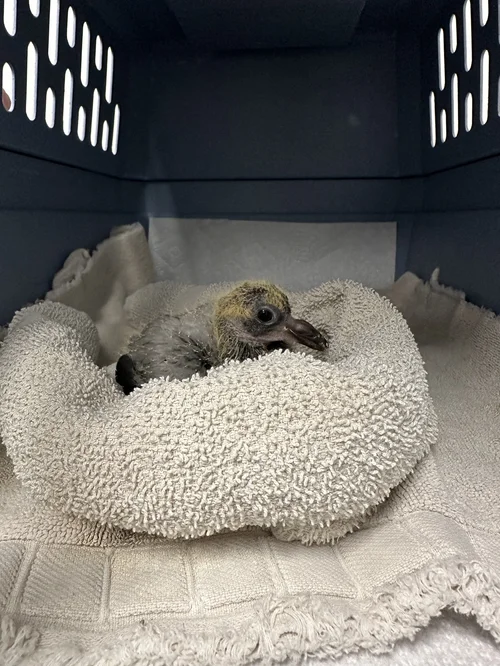
Credit: www.theraptortrust.org
Hydration Needs
Hydration is crucial for the survival and recovery of injured baby birds. Without enough water, their fragile bodies can quickly weaken, slowing down healing or even causing life-threatening issues. Understanding how to recognize dehydration and provide water safely can make all the difference in nursing these tiny creatures back to health.
Signs Of Dehydration
Spotting dehydration early is essential to help your injured baby bird. Look for:
- Sunken or dull eyes that lack their usual sparkle
- Dry, wrinkled skin or a shriveled appearance, especially around the beak and legs
- Weakness or lethargy, as the bird may seem unusually tired or unresponsive
- Excessive panting or open-mouth breathing, which signals distress
Have you noticed a baby bird that seems unusually quiet or sluggish? These subtle signs might be a cry for water, even if the bird isn’t crying out loudly.
Safe Ways To Provide Water
Giving water to an injured baby bird requires care to avoid choking or aspiration. Instead of placing water directly in the beak, try these safe methods:
- Use a clean dropper or syringe to offer small drops of water at the side of the mouth
- Offer water mixed with a little electrolyte solution to help restore balance
- Keep the bird warm and calm during hydration to prevent stress and choking
Avoid forcing water down the throat or submerging the bird, as this can cause more harm than good. Have you ever tried giving water to a fragile animal? The key is gentle patience and close attention to their responses.
When To Seek Professional Help
Knowing when to seek professional help for injured baby birds is very important. Some injuries or conditions need expert care to give the bird the best chance of survival. Acting quickly and wisely can save the bird’s life and reduce its suffering.
Not all injuries can be treated at home. Some signs clearly show the bird needs a vet or a wildlife rehabilitator. Understanding these signs helps you make the right decision fast.
Veterinary Care Indicators
- Bird is bleeding heavily or has open wounds
- Broken or visibly deformed wings or legs
- Bird is weak, unable to stand or move
- Bird is unconscious or unresponsive
- Signs of difficulty breathing or gasping for air
- Feathers are missing in large patches or dirty with blood
- Bird shows signs of shock, like cold body or pale skin
- Bird is very young and has fallen from the nest
These signs call for immediate veterinary care. Professional vets have the tools and knowledge to treat serious injuries.
Local Wildlife Rehabilitator Contacts
Wildlife rehabilitators specialize in caring for wild birds and animals. They provide proper food, shelter, and medical care. They also prepare birds for release back into nature.
Keep contact info for nearby rehabilitators handy. They can guide you on how to safely handle and feed the bird. Many also accept injured birds for care.
| How to Find | What to Ask |
|---|---|
| Search online for “wildlife rehabilitator near me” | Ask if they accept injured baby birds |
| Contact local animal shelters or vet clinics | Request emergency contact numbers |
| Check with bird conservation groups | Inquire about feeding and care advice |
Act quickly but gently. Proper help ensures the best care and increases survival chances for injured baby birds.

Credit: www.youtube.com
Long-term Care And Release
Long-term care is vital for injured baby birds to regain strength. It helps them grow healthy and prepares them for life outside. Patience and proper care make a big difference in their survival and freedom.
Monitoring Growth And Health
Track the bird’s weight daily to ensure steady growth. Watch for clear eyes, clean feathers, and normal activity. Check for signs of illness like lethargy or trouble breathing. Keep the feeding schedule consistent and provide fresh water.
Use a soft cloth to gently examine wings and legs. Note any changes in behavior or appetite. Keep the environment warm and quiet to reduce stress. Record observations to share with a vet if needed.
Preparing For Return To The Wild
Introduce natural foods similar to what the bird eats in the wild. Gradually reduce human contact to encourage independence. Provide a safe outdoor space where the bird can practice flying and finding food.
Watch how the bird handles challenges like weather and predators. Release only when the bird can feed and fly well on its own. Choose a calm, familiar location with plenty of shelter and food sources.
Frequently Asked Questions
What Is The Best Food For Injured Baby Birds?
Injured baby birds need high-protein, soft foods like soaked dog kibble or finely chopped boiled eggs. Avoid milk or bread. Proper nutrition aids healing and energy. Always consult a wildlife expert for specific species needs.
How Often Should Injured Baby Birds Be Fed?
Feed injured baby birds every 20 to 30 minutes during daylight hours. Young birds require frequent feeding to maintain energy and promote recovery. Avoid overfeeding to prevent choking or digestive issues.
Can I Feed Injured Baby Birds With Human Food?
Avoid feeding injured baby birds regular human food like bread or milk. These can harm their digestion. Stick to protein-rich, bird-safe foods like insects or specialized bird formulas recommended by professionals.
When Should I Contact A Wildlife Rehabilitator?
Contact a wildlife rehabilitator immediately if a baby bird is injured or orphaned. They provide expert care and proper feeding. Early intervention increases chances of survival and safe release.
Conclusion
Caring for injured baby birds requires patience and attention. Providing the right food ensures their recovery. Start with soft, easy-to-digest options like soaked dog food. Gradually introduce insects and berries. Always prioritize their safety and comfort. Ensure their environment mimics nature as closely as possible.
Seek guidance from a wildlife expert if unsure. Remember, the goal is a successful return to the wild. Your efforts can make a difference in their survival. Stay observant, and adjust care as needed. With knowledge and care, baby birds can thrive once again.