
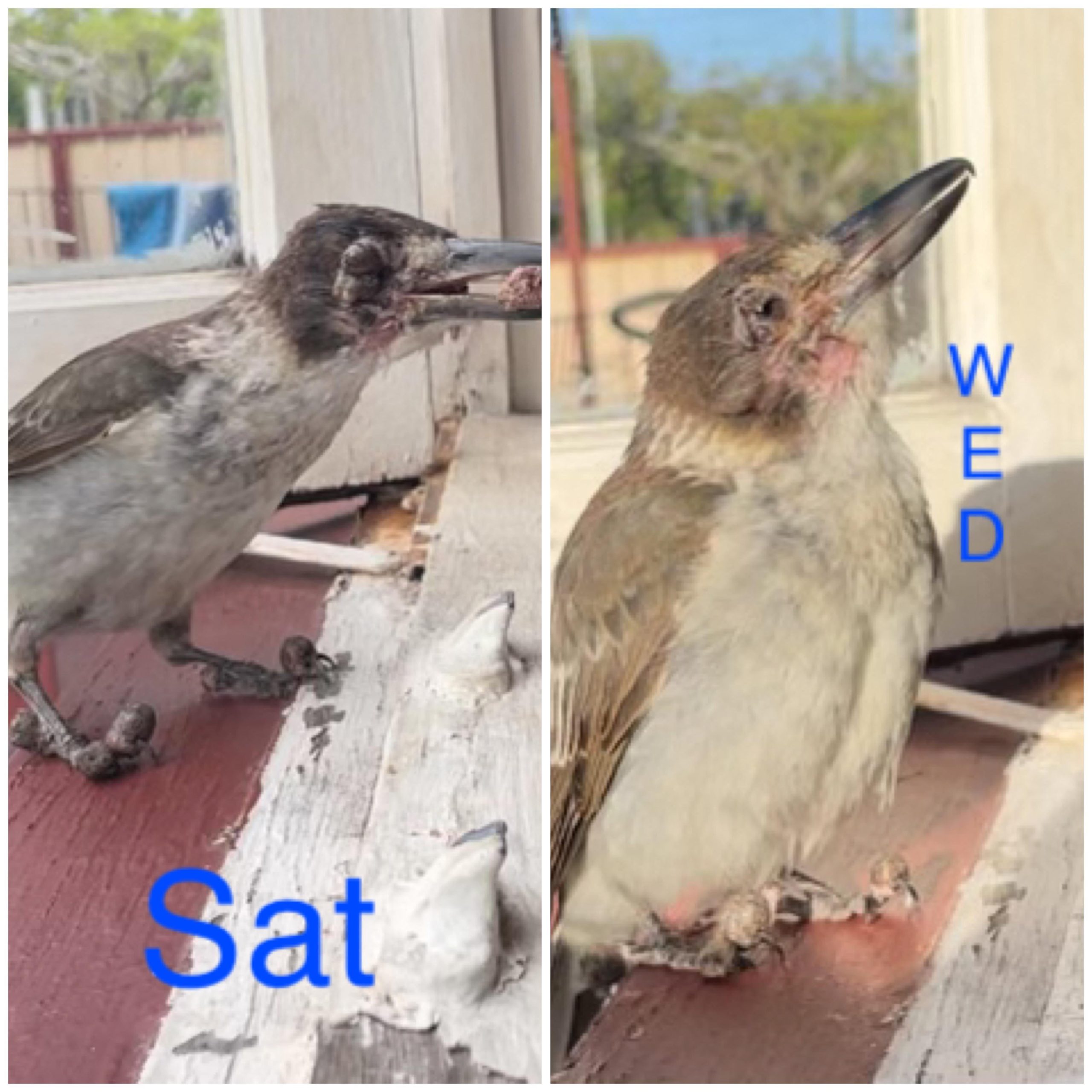
Are you curious about what you can feed butcher birds to keep them healthy and happy? Knowing the right food can make a big difference in attracting these striking birds to your garden or backyard.
You might be surprised by what they like to eat and how simple it is to provide for them. Keep reading, and you’ll discover easy tips and tasty treats that butcher birds love – helping you enjoy their presence even more.
Credit: www.scottfamilyhomestead.com
Butcher Bird Basics
Understanding the basics of butcher birds is essential if you want to feed them properly. These birds have unique behaviors and dietary needs that influence what you should offer. Knowing their habits helps you create a feeding routine that supports their natural lifestyle.
Species And Habits
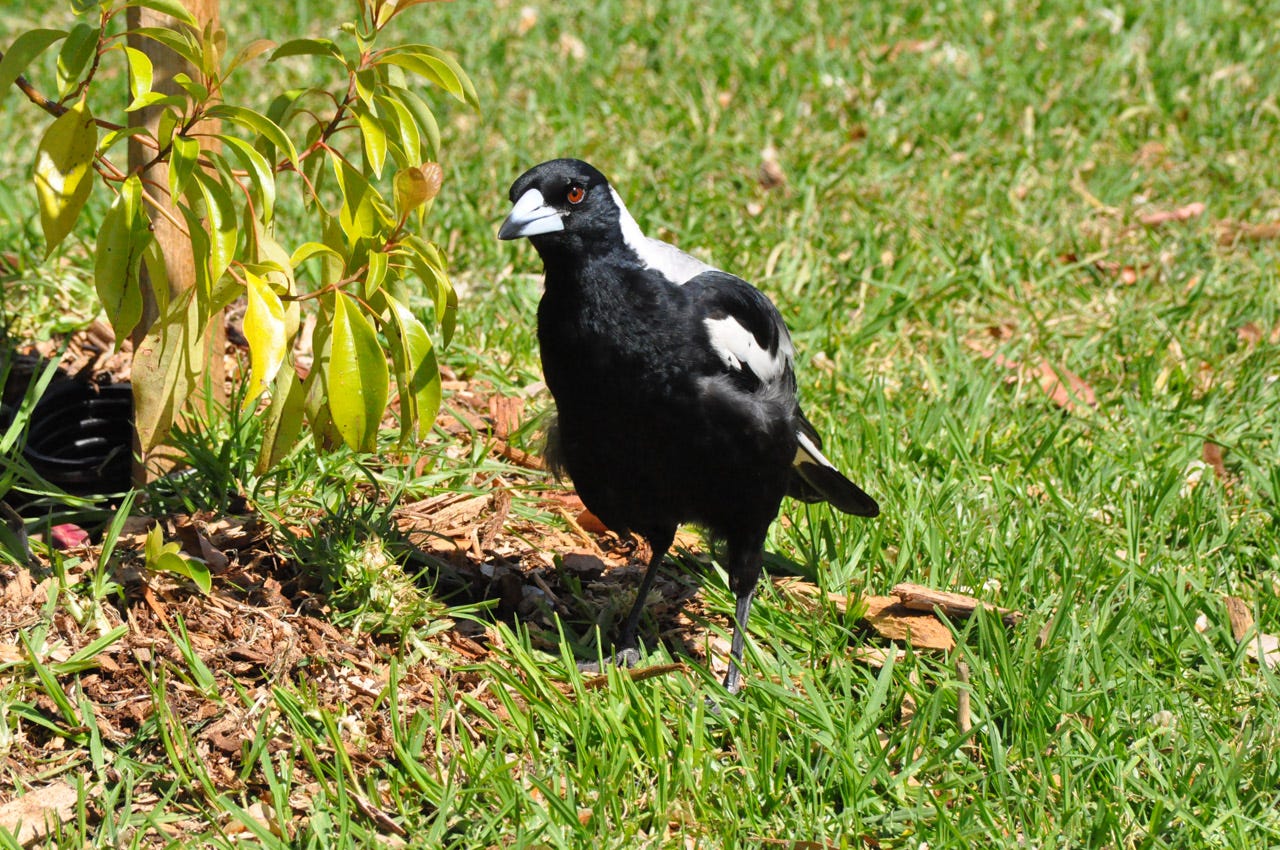
Butcher birds belong to a group of medium-sized predatory birds known for their sharp hooked beaks. They are often seen perched high, scanning for prey with keen eyesight. Their habit of impaling food on thorns or barbed wire makes them fascinating to watch.
Different species of butcher birds may vary in size and preferred habitats. Some live in forests, while others adapt well to urban areas. Observing their behavior in your local environment can give clues about what they might eat.
Natural Diet Patterns
Butcher birds primarily eat insects, small birds, and reptiles. Their diet is rich in protein, which helps them stay active and sharp. They are skilled hunters, catching prey on the ground or in the air.
In your garden, butcher birds may appreciate live mealworms, small pieces of meat, or even small lizards if you can provide them safely. You might wonder: how do you balance feeding without making them dependent? Offering food that mimics their natural diet is the key.
- Live or dried insects like crickets and mealworms
- Small chunks of lean meat such as chicken or beef
- Occasional small reptiles or amphibians if available
Have you noticed butcher birds’ preference for certain prey? Paying attention to these details helps you tailor their feeding to what they naturally seek out.
Credit: taras-73900.medium.com
Essential Nutrients
Butcher birds need a balanced diet to stay healthy and strong. Essential nutrients support their energy, growth, and overall well-being. Feeding them the right foods ensures they get these vital nutrients every day.
Proteins And Fats
Proteins are crucial for muscle development and repair. Butcher birds mainly get protein from insects, small mammals, and other birds. High protein food helps them stay active and hunt efficiently.
Fats provide energy and help keep their feathers in good condition. Healthy fats come from prey animals and seeds. A diet rich in fats boosts their stamina and warmth, especially in cold weather.
Vitamins And Minerals
Vitamins support the immune system and help with vision and skin health. Butcher birds need vitamins A, D, and E mostly from fresh prey and occasional fruits.
Minerals like calcium and phosphorus are vital for strong bones and beak health. These minerals come from eating bones and small crustaceans. Providing a variety of food sources ensures they get enough vitamins and minerals.
Safe Foods To Offer
Offering safe foods to butcher birds supports their health and natural diet. These birds are carnivorous but also eat some plant matter. Choosing the right foods helps them thrive in your garden or backyard. Avoid harmful or processed foods that can hurt them.
Meats And Insects
Butcher birds mainly eat meat and insects in the wild. Provide fresh, raw meats like small pieces of chicken or lean beef. Avoid cooked or seasoned meat that may contain salt or spices.
- Raw chicken or beef pieces
- Small insects like crickets and mealworms
- Earthworms and larvae
- Clean, fresh fish scraps
Insects are a great protein source. Avoid insects collected near pesticides or chemicals. Freshness is key to keep the birds healthy.
Fruits And Vegetables
Fruits and vegetables add vitamins and fiber to butcher birds’ diets. Offer small amounts as treats, not main food. Choose safe, non-toxic options.
- Chopped apples without seeds
- Soft berries like strawberries or blueberries
- Peas and corn kernels
- Leafy greens such as spinach or lettuce
Avoid citrus fruits, avocado, and onions. These can be harmful or cause digestive issues.

Credit: gratefulprayerthankfulheart.com
Foods To Avoid
Feeding butcher birds requires care to keep them healthy. Some foods can harm these birds. Avoid giving them items that are toxic or unhealthy. Knowing what not to feed helps protect their well-being.
Toxic Items
- Avocado – contains a toxin dangerous to birds.
- Chocolate – can cause heart problems and death.
- Alcohol – affects their nervous system severely.
- Caffeine – leads to rapid heart rate and seizures.
- Onions and garlic – cause red blood cell damage.
- Salt – too much causes dehydration and kidney issues.
- Fruit seeds and pits – contain harmful chemicals.
Harmful Human Foods
- Processed meats – high in salt and preservatives.
- Fried foods – difficult to digest and unhealthy.
- Sugary snacks – cause energy spikes and crashes.
- Dairy products – many birds cannot digest lactose.
- Bread – low in nutrients and can cause malnutrition.
- Raw beans – contain toxins harmful to birds.
Feeding Tips And Techniques
Feeding butcher birds requires attention to timing and how food is offered. Proper feeding helps keep these birds healthy and active. Understanding their natural habits improves feeding success. The following tips focus on when and how to feed butcher birds effectively.
Feeding Times And Frequency
Feed butcher birds early in the morning and late afternoon. These times match their natural hunting periods. Avoid feeding during the hottest part of the day. It helps prevent food spoilage and keeps birds comfortable.
Offer food twice a day to mimic their natural diet. Smaller, frequent meals are better than one large feeding. This supports steady energy and digestion. Keep a regular schedule to build trust and routine.
Proper Food Presentation
Present food in a clean, quiet spot to reduce stress. Use shallow dishes or flat surfaces that mimic natural feeding areas. Avoid deep containers that may trap food or confuse the birds.
Place food in small portions to prevent waste and spoilage. Remove leftover food after a few hours to maintain hygiene. Use natural items like branches or leaves around food to encourage natural foraging behavior.
Supplements And Treats
Supplements and treats play an important role in keeping butcher birds healthy and active. While these birds mostly hunt for their food, adding supplements can fill nutritional gaps and provide extra energy, especially during harsh seasons. Treats, when chosen carefully, can also encourage natural behaviors and keep your birds interested in their environment.
Boosting Nutrition
Supplements should focus on providing essential vitamins and minerals that might be missing from a butcher bird’s natural diet. Calcium is particularly important for strong bones and sharp beaks. You can offer crushed eggshells or specialized bird supplements to meet this need.
Protein supplements can also help, especially for young or breeding birds. Mealworms or small amounts of cooked lean meat work well. Keep portions moderate so the birds don’t become dependent on handouts.
Safe Treat Options
Choosing safe treats means avoiding anything harmful or too processed. Fresh fruits like berries or chopped apples are great choices. These offer natural sugars and antioxidants without added chemicals.
Small insects such as crickets or grasshoppers can be excellent treats that mimic their natural diet. Avoid feeding bread, salty snacks, or anything sugary that could upset their digestion.
- Offer treats in small, varied amounts to keep your birds curious.
- Observe how they respond to each treat to learn their preferences.
- Remember, treats are extras—not a replacement for their main diet.
Have you noticed how your butcher birds react to different treats? Trying new options can reveal surprising favorites and help you provide a more enriching environment.
Monitoring Health Through Diet
Keeping a close eye on your butcher bird’s diet is essential to maintain its health. What you feed directly impacts their energy, feather quality, and overall wellbeing. Monitoring their diet helps you catch any potential issues early before they become serious.
Signs Of Nutritional Deficiency
Watch for changes in your bird’s behavior or appearance. Dull feathers, lethargy, or frequent illness can indicate missing nutrients. A butcher bird that isn’t eating well or is losing weight might lack essential proteins or vitamins.
Another red flag is poor feather growth or unusual feather loss. These often point to deficiencies in vitamins A and E or minerals like calcium. Pay attention if your bird seems weak or less active than usual.
Adjusting Diet As Needed
Once you spot any signs of deficiency, tweak the diet immediately. Adding fresh insects or small pieces of lean meat can boost protein intake. You can also include fruits like berries or chopped apples for vitamins.
Keep a food diary to track what your bird eats and any changes in health. This practice makes it easier to spot patterns or issues over time. Don’t hesitate to consult an avian vet if unsure about the best dietary adjustments.
Have you noticed any subtle changes in your butcher bird after switching foods? How did you handle those moments? Your observations can make all the difference in keeping your bird thriving.
Frequently Asked Questions
What Is The Best Food For Butcher Birds?
Butcher birds prefer insects, small reptiles, and fruits. Offering mealworms, chopped meat, and berries attracts them. Avoid processed or salty foods to keep them healthy and active.
Can I Feed Butcher Birds Bread Or Seeds?
Bread and seeds are not ideal for butcher birds. They mainly eat meat and insects. Feeding bread may harm their digestion, while seeds lack necessary nutrients.
How Often Should I Feed Butcher Birds?
Feed butcher birds daily, especially during breeding season. Provide fresh food in small amounts to prevent spoilage. Regular feeding helps maintain their health and encourages frequent visits.
Are Butcher Birds Attracted To Water Sources?
Yes, butcher birds are attracted to clean water for drinking and bathing. Providing a shallow water dish near feeding areas supports their hydration and hygiene needs.
Conclusion
Feeding butcher birds can be simple with the right choices. Offer them a mix of insects, small mammals, and bird-safe fruits. Always ensure their food is fresh and clean. Keep water nearby for hydration. Observe their eating habits for better understanding.
Variety keeps them healthy and happy. Remember, a balanced diet supports their natural behaviors. Enjoy watching these fascinating birds thrive in your care.