
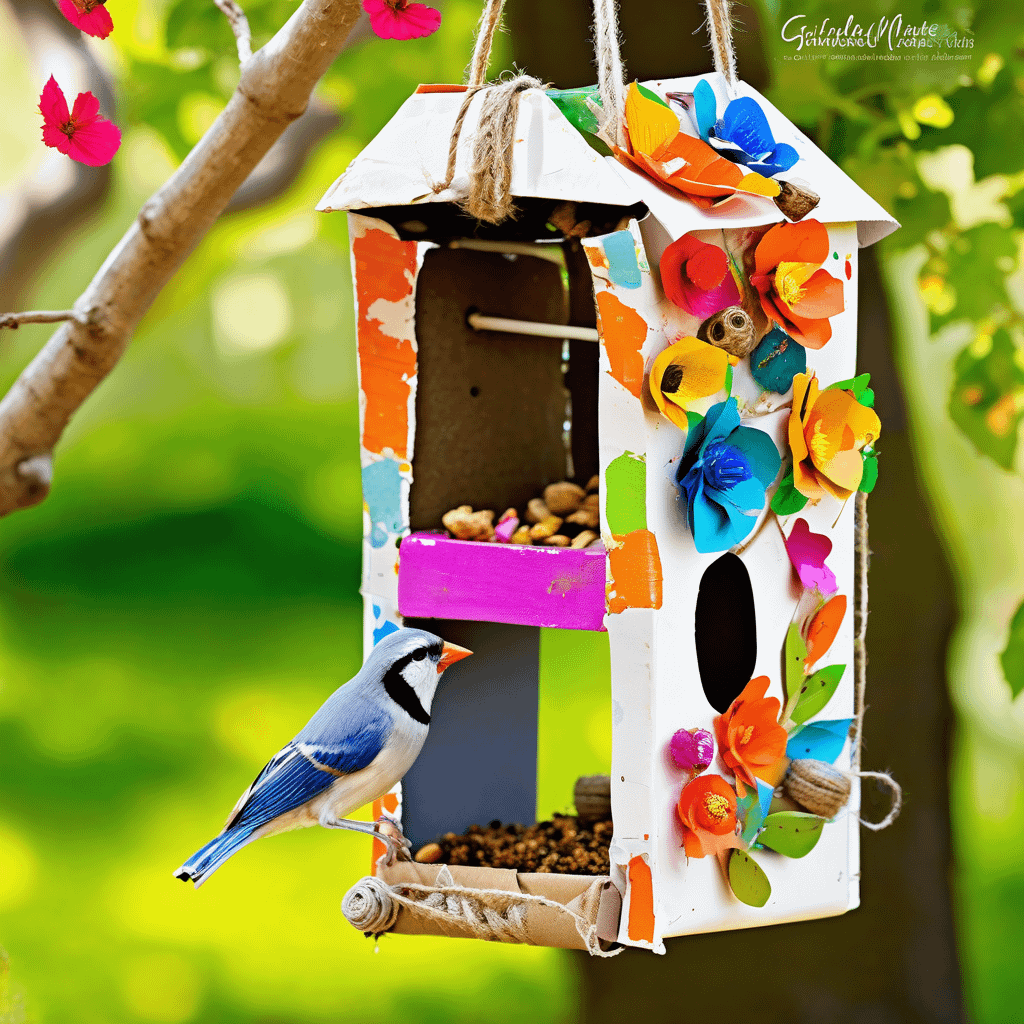
Are you looking for a safe and simple way to attract beautiful birds to your yard without using nuts? Making a nut-free bird feeder is easier than you think, and it’s perfect for anyone who wants to enjoy birdwatching without worrying about allergies or harmful ingredients.
In this guide, you’ll discover easy steps to create your own bird feeder that will bring colorful feathered friends right to your window. Keep reading, and you’ll learn how to make a bird feeder that’s safe, fun, and sure to brighten your outdoor space.
Choosing Safe Materials
Choosing safe materials is key to making a nut free bird feeder. Birds need a safe place to eat without risks of allergies or harm. Using the right materials helps protect birds and keeps your feeder durable. Focus on ingredients and designs that are friendly to all bird types.
Selecting Nut Free Ingredients
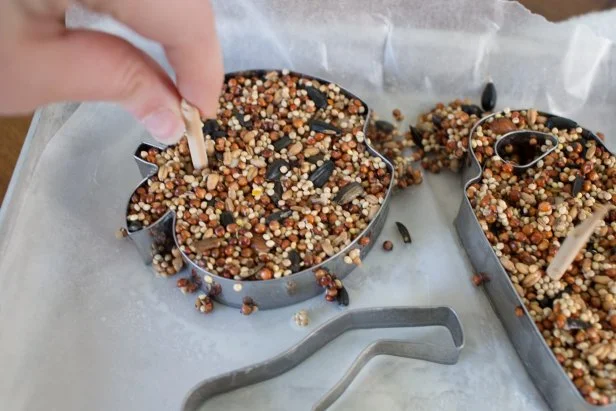
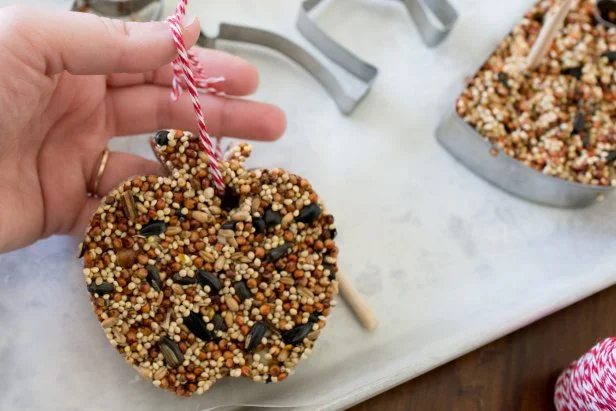
Pick ingredients that do not contain nuts or nut oils. Seeds like sunflower, safflower, and millet are great choices. Avoid peanuts, almonds, and any nut-based products. Fresh fruits such as apples and berries can also attract many birds. Use only clean, dry seeds to prevent mold and bacteria growth.
- Sunflower seeds
- Safflower seeds
- Millet
- Cracked corn
- Oats
- Dried fruits like raisins or cranberries
Bird Friendly Feeder Designs
Choose designs that are easy to clean and refill. Use materials like untreated wood or recycled plastic. Avoid metal parts that can rust or sharp edges that can hurt birds. Ensure the feeder has proper drainage to keep food dry. Open trays or tube feeders work well for nut free mixes.
- Wooden tray feeders
- Tube feeders with large holes
- Suction cup feeders for windows
- Mesh feeders for dried fruits and seeds
Credit: www.foodnetwork.com
Tools You Will Need
Gathering the right tools makes building a nut free bird feeder simple and fun. This project needs only a few basic supplies to start. Some extra decorative items can add a personal touch. Prepare your workspace and have all tools ready for smooth crafting.
Basic Craft Supplies
- Wooden board or recycled wood piece
- Non-toxic glue or wood glue
- Small nails or screws
- Hammer or screwdriver
- Sandpaper (medium grit)
- String or twine for hanging
- Measuring tape or ruler
- Pencil for marking
- Paintbrush (if painting)
Optional Decorative Items
- Non-toxic paint or wood stain
- Stencils or stamps for patterns
- Small wooden shapes or cutouts
- Natural elements like pinecones or twigs
- Clear waterproof sealant spray
- Colorful beads or buttons
Step By Step Assembly
Building a nut-free bird feeder is easier than you might think. Taking it step by step helps you stay organized and ensures your feathered friends get a safe place to enjoy their meals. Let’s break down the assembly so you can create a reliable feeder that attracts a variety of birds.
Preparing The Base
Start with a sturdy base to support the feeder’s weight and food. A flat wooden board or a piece of thick plywood works well. Make sure it’s smooth to avoid splinters that could harm birds.
Consider the size carefully. Too small, and the birds might feel cramped; too large, and it could be hard to hang or place securely. You might want to paint the base with non-toxic, weather-resistant paint to protect it from rain and sun damage.
Adding The Feeding Elements
Choose feeding elements that don’t contain nuts. Use seeds like sunflower, millet, or safflower instead. You can add shallow dishes or small containers to hold these seeds securely on the base.
Think about adding different textures or compartments. Some birds prefer pecking at loose seeds, while others like seeds in a mesh holder. Mixing these options encourages more bird species to visit your feeder.
Securing The Feeder
Make sure your feeder is stable and safe from predators. Attach a strong wire or rope for hanging, and check that all parts are firmly connected. Loose pieces can fall or harm the birds.
Place the feeder in a spot that’s easy for you to refill but safe for birds—away from cats or other animals. Have you thought about how weather might affect your setup? Choosing a sheltered location can extend the feeder’s life and keep the food fresh longer.

Credit: www.jackery.com
Best Nut Free Bird Foods
Choosing the right foods for your nut free bird feeder is key to attracting a variety of birds safely. Many birds love nuts, but allergies and safety concerns make nut free options a smart choice. Let’s look at some of the best nut free foods that will keep your feathered visitors happy and healthy.
Seeds And Grains
Seeds and grains are a staple for many birds and a fantastic nut free option. Black oil sunflower seeds are a favorite because they have thin shells that are easy to crack open. Millet is another great choice, especially for smaller birds like finches and sparrows.
Try offering a mix of these seeds to see which ones your local birds prefer. You might be surprised by the variety that visits your feeder!
- Black oil sunflower seeds:High in fat and easy to digest.
- Millet:Small seeds loved by ground-feeding birds.
- Safflower seeds:Less popular with squirrels but favored by cardinals.
- Cracked corn:Great for larger birds like jays and doves.
Fruits And Vegetables
Fresh fruits and vegetables can be a delicious treat for birds. You can hang slices of apple or orange, or place small pieces of berries on the feeder. Avoid any fruit with seeds that might be toxic, such as apple seeds.
Vegetables like peas, corn kernels, and chopped carrots also attract a range of birds. These foods add variety to your feeder and provide essential nutrients.
- Apple slices:Sweet and juicy, but remove seeds first.
- Orange segments:Rich in vitamin C and easy to hang.
- Fresh berries:Blueberries, strawberries, and raspberries are excellent choices.
- Chopped carrots and peas:Provide color and crunch.
Have you noticed how certain birds have clear preferences for specific foods? Experimenting with different nut free options can turn your feeder into a lively hotspot full of diverse visitors.
Placement Tips For Your Feeder
Choosing the right place for your nut free bird feeder helps attract birds and keeps them safe. Placement affects how often birds visit and if they feel comfortable feeding. Think about the surroundings and nearby shelters to create a good spot.
Choosing The Right Spot
Select a location visible from your window for easy watching. Pick a quiet area with some natural cover like bushes or trees. Avoid places near heavy foot traffic or loud noises. Make sure the feeder is not too close to windows to prevent bird collisions.
Place the feeder at least 4 to 6 feet above the ground. This height helps birds feel secure and keeps pests away. If possible, position the feeder near a birdbath or water source to attract more birds.
Ensuring Safety From Predators
Keep the feeder away from spots where cats or other predators can hide. Avoid placing it near dense shrubbery where predators may lurk. Use a pole with a baffle to stop climbing predators like squirrels or raccoons.
Check the feeder regularly for signs of predators or disturbances. Clear the area below the feeder to remove hiding places. Safety encourages birds to visit often and feel safe while feeding.
Maintenance And Cleaning
Keeping your nut free bird feeder clean is key to attracting healthy birds and ensuring their safety. Regular maintenance not only extends the life of your feeder but also prevents harmful buildup that can deter feathered visitors. Think about how often you touch your own eating utensils—birds deserve the same level of care when it comes to their food sources.
Regular Cleaning Routine
Set a schedule to clean your bird feeder at least once every two weeks. If you notice wet or clumped seed, clean it immediately to avoid spoilage. Use a mild soap mixed with warm water and a soft brush to scrub all surfaces of the feeder.
Rinse thoroughly to remove any soap residue. Let the feeder dry completely before refilling it with fresh seed. This practice keeps your feeder inviting and safe for birds all season long.
Preventing Mold And Bacteria
Mold and bacteria thrive in damp, dirty feeders, posing serious health risks to birds. To prevent this, always check for moisture inside the feeder, especially after rain or heavy dew. Remove any wet seed promptly.
Consider placing your feeder in a sheltered spot to reduce exposure to rain. You can also wipe the feeder with a diluted vinegar solution once a month to kill lingering bacteria without harming birds.
Have you noticed birds avoiding your feeder lately? It might be time to inspect it for hidden mold or slime. Your attention to cleanliness can make all the difference in creating a safe feeding environment.
Credit: www.foodnetwork.com
Frequently Asked Questions
What Materials Are Safe For Nut Free Bird Feeders?
Use non-toxic wood, metal, or recycled plastic for nut free feeders. Avoid materials that can harm birds. Choose durable, weather-resistant options to ensure longevity.
How To Attract Birds Without Using Nuts?
Offer seeds like sunflower, millet, and safflower. Fresh fruits and mealworms also attract various bird species. Avoid nut-based foods to keep it nut free.
Can I Make A Bird Feeder Without Glue Or Nails?
Yes, use natural twine or strong string to assemble feeders. This makes feeders safer and easier to recycle or clean. It also reduces chemical exposure.
How Often Should I Clean A Nut Free Bird Feeder?
Clean feeders every two weeks with mild soap and water. Regular cleaning prevents mold, bacteria, and diseases among birds. Rinse thoroughly and dry before refilling.
Conclusion
Creating a nut-free bird feeder is simple and fun. Birds enjoy a safe feeding environment. You get to watch beautiful creatures up close. This project suits everyone, especially those with nut allergies. It brings nature closer to home. Plus, it encourages kids to learn about wildlife.
Remember to use seeds and grains without nuts. Hang your feeder in a quiet spot. Enjoy the chirping and fluttering visitors. Your backyard becomes a lively bird haven. Happy birdwatching!