
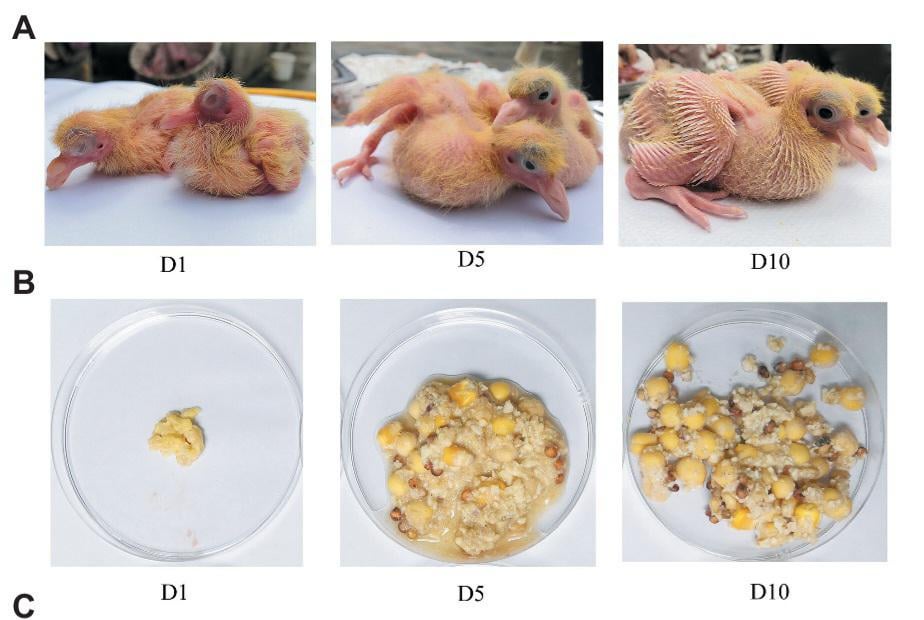
If you’ve found a baby bird and want to help it grow strong and healthy, knowing how to properly crop feed it is essential. Feeding a tiny, fragile bird can feel overwhelming, but with the right steps, you can give it the best chance to thrive.
This guide will walk you through exactly what you need to do, using simple methods anyone can follow. By the end, you’ll feel confident in caring for your little feathered friend and giving it the nutrition it needs to survive.
Keep reading to discover the easy, effective way to crop feed a baby bird and become a lifesaver in its critical early days.
Signs A Baby Bird Needs Feeding
Knowing when a baby bird needs feeding is crucial for its survival and growth. These tiny creatures can’t tell you they’re hungry, so you have to learn to read their signs carefully. Missing these cues can lead to serious health problems, so stay alert and observant.
Recognizing Hunger Cues
Baby birds often open their mouths wide and chirp loudly when they are hungry. You might notice them fluttering their wings or stretching their necks upward, signaling they want food.
Sometimes, they may even nudge you or the feeding tool gently, trying to get your attention. These behaviors show eagerness and hunger, so don’t delay feeding when you see these signs.
Assessing Baby Bird Health
Healthy baby birds are alert and responsive. If your bird looks weak, lethargic, or has droopy wings, it might not just be hunger but an underlying health issue.
Check the color of their skin and eyes—pale or dull colors can indicate poor health or dehydration. If you’re unsure, a quick consultation with a vet can save your bird’s life.
Credit: besgroup.org
Preparing The Feeding Environment
Preparing the feeding environment is key to successfully crop feeding a baby bird. A calm, safe, and warm space helps the bird stay healthy and comfortable. This section explains how to create the best setup for feeding time.
Choosing The Right Location
Select a quiet spot away from noise and pets. The area should have good lighting but avoid direct sunlight. A small, enclosed space helps the bird feel secure. Make sure the location is easy to clean and has enough room for feeding supplies.
Maintaining Cleanliness And Warmth
Cleanliness prevents infections and keeps the baby bird safe. Use fresh towels or soft cloths to line the feeding area. Disinfect feeding tools after each use. Keep the temperature steady, ideally between 85-90°F (29-32°C). Use a heating pad or lamp placed safely to provide warmth. Avoid drafts or sudden temperature changes.
Selecting The Proper Food
Selecting the proper food for a baby bird is crucial for its growth and health. Baby birds need a diet that meets their nutritional needs and supports their development. Feeding the right food helps build strong bones, feathers, and muscles. It also boosts their immune system to fight diseases. Understanding what types of food to offer and what to avoid ensures the bird thrives during this critical stage.
Types Of Suitable Feed
Baby birds require food that is easy to digest and rich in nutrients. The following are good options:
- Soft insects like mealworms or small crickets
- Boiled eggs, mashed finely for protein
- Specialized commercial baby bird formulas
- Soft fruits such as mashed bananas or berries
- Cooked rice or oats for carbohydrates
These foods provide essential proteins, fats, and vitamins. Always offer food at room temperature. Avoid hard seeds or whole nuts that the baby bird cannot swallow.
Avoiding Harmful Substances
Some foods can harm baby birds or cause illness. Avoid these at all costs:
- Salted or seasoned human food
- Chocolate and caffeine
- Avocado, which is toxic to birds
- Milk or dairy products
- Raw meat or fish
- Foods with pesticides or chemicals
Keep feeding tools clean to prevent infections. Always wash hands before handling the bird or its food.

Credit: www.reddit.com
Feeding Techniques For Baby Birds
Feeding baby birds requires gentle care and the right technique. Proper feeding helps young birds grow healthy and strong. It also prevents choking and stress during feeding times.
Using Appropriate Tools
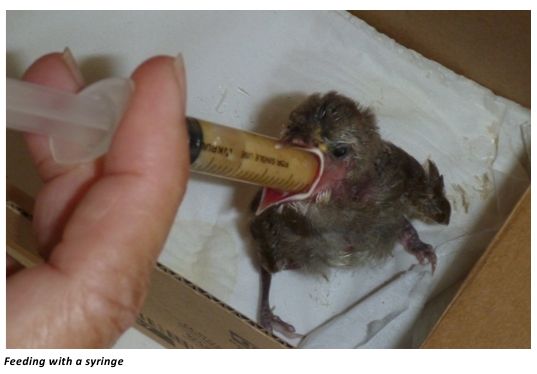
Choose tools that suit the size of the baby bird. Small syringes or eyedroppers work well for tiny birds. Tweezers can help hold soft food pieces safely. Avoid sharp or large tools that might hurt the bird.
Keep all feeding tools clean to stop infections. Wash them with warm water and mild soap after every use. Dry tools completely before the next feeding session.
Proper Feeding Positions
Hold the bird gently but firmly. Support its body with one hand to keep it steady. Keep the bird’s head slightly raised to help swallowing.
Offer food slowly and carefully. Let the bird open its mouth by itself. Avoid forcing the food inside. Feed small amounts to prevent choking.
Feeding Frequency And Quantity
Feeding a baby bird requires careful attention to both how often and how much you feed it. Young birds need frequent meals to grow strong and healthy. Too little food can slow growth. Too much can cause health problems. Understanding the right feeding frequency and quantity is key to successful care.
Determining How Often To Feed
Baby birds eat more often than adult birds. They need energy to stay warm and develop quickly. The feeding schedule changes as the bird grows. Very young birds may need feeding every 15 to 20 minutes. Older nestlings can eat every 30 to 60 minutes.
Here is a simple feeding guide by age:
- Newly hatched:Feed every 15-20 minutes from dawn to dusk.
- 1-2 weeks old:Feed every 20-30 minutes during daylight.
- 2-3 weeks old:Feed every 30-45 minutes.
- 3 weeks and older:Feed every 45-60 minutes as they prepare to leave the nest.
Measuring The Right Amount
Feeding too much or too little harms baby birds. Watch their crop to know if they are full. The crop is a small pouch near the throat that stores food. It should feel soft and rounded after feeding.
Use these tips to measure the right amount:
- Offer small amounts at first.
- Stop feeding when the crop feels full but not tight.
- Weigh the bird daily to track healthy growth.
- A healthy crop holds about one-third to half the bird’s body size in food.
Keep food warm but not hot. Cold food can chill the baby bird, causing illness.
Common Mistakes To Avoid
Feeding baby birds needs care and attention. Avoiding common mistakes helps the chick grow healthy and strong. Mistakes can cause serious problems for the bird’s health and development. Knowing what to avoid makes feeding easier and safer for the little bird.
Overfeeding And Underfeeding
Feeding too much can harm the baby bird. It may cause choking or digestive problems. Feeding too little stops the bird from getting enough energy. Watch the bird’s hunger signals carefully. Feed small amounts often to match the bird’s needs.
Improper Food Temperature
Food that is too hot can burn the baby bird’s mouth. Cold food can make the bird sick or cause digestive issues. Always test the food temperature before feeding. It should feel warm, like body temperature, but never hot or cold.
Monitoring Growth And Development
Monitoring the growth and development of a crop-fed baby bird is essential to ensure its health. Careful observation helps spot issues early. Regular checks support proper feeding and care routines. Noticing changes helps adjust the feeding schedule and diet.
Tracking Weight Gain
Weigh the baby bird daily using a small scale. Record the weight at the same time each day. A steady increase in weight shows good health and growth. Sudden weight loss or no gain signals a problem. Keep a simple chart to track progress over time.
Noticing Behavioral Changes
Observe the bird’s activity and energy levels closely. Healthy baby birds are usually alert and active. Lethargy or constant sleeping may indicate illness. Watch how the bird reacts to feeding times. A strong feeding response shows good appetite and well-being.

Credit: www.reddit.com
When To Seek Professional Help
Knowing when to get professional help is key to feeding a baby bird correctly. Not every situation needs expert care. Some signs show the bird is in real trouble. Acting fast can save the bird’s life and improve its chances.
Identifying Warning Signs
Watch for these signs that show the baby bird needs help:
- Weakness or lack of movement
- Visible injuries or bleeding
- Unusual breathing or gasping
- Feather loss or skin damage
- Refusal to eat or drink
- Cold body temperature
- Parents not returning for a long time
If you notice any of these signs, the bird might be too weak to survive alone. It is safer to call for help.
Contacting Wildlife Experts
Find local wildlife rehabilitators or bird rescue groups. They have the skills and tools to care for baby birds.
Prepare to give clear information:
- Where you found the bird
- Condition of the bird
- What you have done so far
Follow their advice carefully. They might ask you to bring the bird to them or give special care tips.
Frequently Asked Questions
How Do I Crop Feed A Baby Bird Safely?
To crop feed a baby bird, use a small syringe or dropper. Gently place food into the crop area. Avoid forcing food to prevent injury. Always feed warm, soft food suitable for the bird species. Maintain cleanliness to avoid infections.
What Type Of Food Is Best For Baby Birds?
Soft, high-protein foods like soaked dog kibble, boiled eggs, or specialized formula are ideal. Avoid milk or bread. Ensure the food is warm and moist. The diet should mimic what the bird’s parents would provide for optimal growth.
How Often Should I Crop Feed A Baby Bird?
Feed baby birds every 15 to 20 minutes during daylight hours. Younger birds require more frequent feeding. Adjust intervals as the bird grows. Consistent feeding supports healthy development and energy levels. Never overfeed to avoid crop issues.
Can I Crop Feed A Baby Bird Without Experience?
It’s best to have guidance from a wildlife expert. Improper feeding can harm the bird’s health. Learn correct techniques before attempting. Consider contacting a rehabilitator for help. Proper knowledge ensures the bird’s safety and recovery.
Conclusion
Caring for a baby bird requires patience and gentle handling. Feeding them right helps ensure their growth and health. Always use the correct tools and food. Observe the bird’s reactions while feeding. This helps you adjust your approach as needed.
Regularly clean feeding tools to prevent infections. Remember, each bird might have unique needs. Consult a vet if unsure about any step. With time and care, your efforts will surely help the little bird thrive. Stay patient and attentive for the best results.
Your commitment makes a big difference in their survival.