
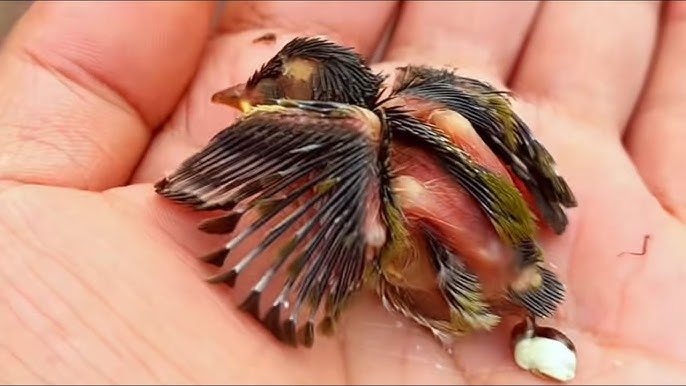
Taking care of a baby bird can be a delicate task, especially when it comes to feeding. You might think a syringe is the only way to do it, but there are gentle, simple methods you can use without one.
If you want to help your little feathered friend grow strong and healthy, this guide will show you exactly how to feed a baby bird without a syringe. Keep reading to discover easy, effective steps that anyone can follow—even if you’ve never done this before.
Your baby bird’s well-being depends on it, and you’re about to learn the best way to give it the care it needs.
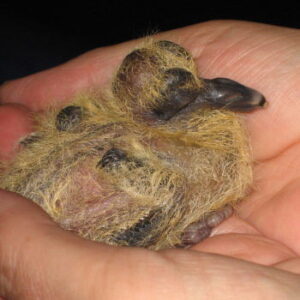
Credit: irishwildlifematters.ie
Preparing To Feed Your Baby Bird
Preparing to feed your baby bird without a syringe requires careful planning and attention to detail. You need the right food, clean tools, and a comfortable space that makes feeding easier for both you and the bird. Taking time to prepare well can make the feeding process smoother and more successful.
Choosing The Right Food
Baby birds have specific nutritional needs that must be met for healthy growth. You should choose a food that is soft and easy to swallow, like soaked pellets, mashed fruits, or specialized hand-feeding formulas. Avoid hard or dry foods that can choke or harm the bird.
Think about what your baby bird would naturally eat in the wild and try to match those nutrients as closely as possible. Have you checked the ingredients to ensure they provide protein, fats, and vitamins essential for your bird’s development?
Sanitizing Feeding Tools
Cleanliness is key when feeding a vulnerable baby bird. All tools, including spoons, small cups, or feeding sticks, should be sterilized before use. This prevents harmful bacteria from causing infections.
Use hot, soapy water followed by a rinse in boiling water or a mild bleach solution. Do you have a dedicated set of tools just for feeding your bird to reduce contamination risks?
Setting Up A Comfortable Feeding Area
Choose a quiet, warm spot free from drafts and distractions for feeding your baby bird. A stable surface with soft towels or cloths underneath can help keep the bird secure and comfortable.
Make sure you have good lighting and all your supplies within reach. How does your current feeding area support calm and focused feeding sessions for both you and your bird?
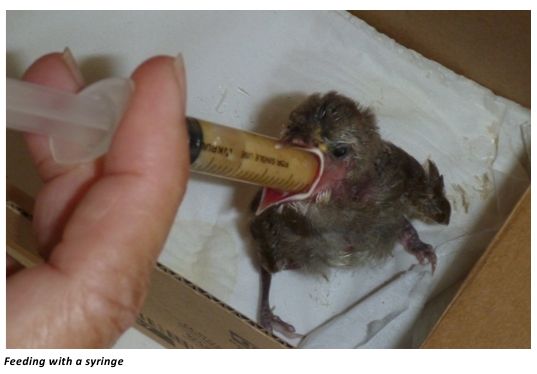
Credit: besgroup.org
Hand Feeding Techniques
Hand feeding a baby bird requires patience and gentle care. Using your hands helps build trust and ensures the bird gets the right amount of food. Several simple tools and techniques make feeding easier without using a syringe. These methods work well for tiny mouths and delicate beaks.
Using A Dropper Or Pipette
A dropper or pipette delivers small food amounts safely. Fill it with soft, warm food. Hold the bird gently and bring the dropper near its beak. Let the food drip slowly. Avoid forcing the food to prevent choking. This method allows precise control over feeding speed and quantity.
Feeding With A Soft Spoon
A soft spoon works well for thicker food mixtures. Use a small spoon with a rounded edge. Scoop a little food and offer it gently to the bird’s mouth. Let the baby bird open its beak and take the food. This method feels natural and mimics how adult birds feed chicks.
Finger Feeding Method
Finger feeding uses your fingertip to feed the baby bird. Dip your finger in the prepared food. Offer it slowly to the bird’s open mouth. This technique creates a close bond and helps the bird learn to eat from hands. Keep your hand steady and calm to avoid startling the bird.
Alternative Feeding Tools
Feeding a baby bird without a syringe might seem tricky at first, but there are several alternative tools that can make the process easier and safer for both you and the little one. These options allow you to control the feeding pace and reduce stress on the bird. Let’s look at some practical tools you can use effectively.
Using Small Cups Or Bowls
Small cups or shallow bowls can work well for feeding baby birds, especially if they are already starting to eat on their own. Use a tiny dish to hold soft, mashed food or a liquid diet. This method encourages the bird to peck and drink at its own speed, which can help build independence.
Make sure the bowl’s edges are low enough for the bird to reach the food without struggling. You can gently guide the bird’s beak to the food if needed. Have you noticed how some birds are quick learners when given the chance to feed themselves?
Employing Feeding Tweezers
Feeding tweezers offer excellent control when you need to place small bits of food directly into the baby bird’s mouth. They mimic the natural way parent birds feed by picking up food and transferring it carefully. This tool helps avoid choking risks by allowing you to feed small, manageable portions.
Choose tweezers with smooth tips to prevent injury. Hold the bird gently but firmly to avoid sudden movements. Tweezers let you interact closely with the bird, which can be a bonding experience. Have you tried using tweezers to feed chicks before? It might surprise you how precise and patient you become.
Diy Feeding Devices
If you don’t have specialized tools, simple DIY devices can do the job. For example, a small piece of sponge soaked in food can act like a natural feeder, or a modified dropper with a soft tip can replace a syringe. These homemade options give you control over the feeding flow without the need for expensive gear.
Using household items creatively can save time and money. Just ensure everything is clean and safe for the bird’s health. What everyday item in your home could become the perfect baby bird feeder with a little tweaking?
Safety Tips During Feeding
Feeding a baby bird without a syringe requires careful attention to safety. Your little feathered friend depends on you to provide nourishment without causing harm. Understanding key safety tips will help you avoid common risks and keep feeding times smooth and secure.
Preventing Aspiration
Aspiration happens when food or liquid accidentally enters the bird’s windpipe instead of the stomach. This can cause serious health problems, so preventing it is crucial.
- Always feed the baby bird in an upright position, supporting its head gently but firmly.
- Use a small spoon or dropper to control the amount of food given at once.
- Feed slowly and pause often to let the bird swallow fully before offering more.
I once rushed feeding my baby finch and saw it cough—an instant reminder to slow down. Have you noticed how your bird reacts to different feeding speeds?
Monitoring Baby Bird’s Response
Pay close attention to your bird’s behavior during feeding. Signs like distress, refusal to eat, or coughing mean you need to adjust your technique.
- Observe the bird’s breathing to ensure it remains calm and regular.
- Watch for any signs of discomfort or spitting out food.
- If the bird seems tired or stressed, take a break and resume later.
Keeping an eye on these signals helps you adapt quickly and keeps feeding safe. How well do you read your baby bird’s cues?
Maintaining Proper Hygiene
Cleanliness is key to preventing infections in vulnerable baby birds. Your feeding tools and hands must be spotless.
- Wash your hands thoroughly before and after each feeding session.
- Sterilize spoons, droppers, or any feeding utensils after every use.
- Prepare fresh food each time to avoid bacterial growth.
Neglecting hygiene can introduce harmful germs quickly. Do you have a routine to keep your feeding supplies germ-free?
Post-feeding Care
After feeding your baby bird without a syringe, post-feeding care plays a crucial role in its health and comfort. This stage ensures that the feeding process benefits the bird fully and prevents any complications. Paying close attention to cleaning, digestion, and feeding schedules helps build a strong foundation for your bird’s growth.
Cleaning The Baby Bird
Keeping your baby bird clean after feeding is essential to avoid infections. Use a soft, damp cloth or cotton ball to gently wipe around the beak and face.
Be careful not to get water inside the bird’s mouth or nostrils. This simple step helps maintain hygiene and prevents any sticky food residue that might attract bacteria.
Stimulating Digestion
Baby birds often need help to digest their food properly. After feeding, gently rub the bird’s tummy with your finger in a circular motion to mimic the natural stimulation a parent bird provides.
This stimulates the digestive system and encourages the bird to pass waste comfortably. Have you noticed how this small action can make your bird more active and content afterward?
Tracking Feeding Schedule
Keeping a detailed feeding schedule is key to understanding your baby bird’s needs. Note down the times, amounts, and types of food given each time.
This record helps you spot any changes in appetite or digestion early on. You can also adjust feeding amounts based on growth, ensuring your bird gets just the right nutrition.

Credit: www.reddit.com
When To Seek Professional Help
Feeding a baby bird without a syringe can be tricky. Sometimes, problems arise that need expert help. Knowing when to seek professional advice keeps the bird safe and healthy. Prompt action can prevent serious harm and improve the bird’s chance to thrive.
Signs Of Feeding Difficulties
- Baby bird refuses to eat or drink.
- Weakness or lethargy after feeding attempts.
- Swelling or choking during feeding.
- Vomiting or regurgitation of food.
- Slow or no weight gain over days.
- Unusual breathing sounds or distress.
Veterinary Consultation
Visit a veterinarian if feeding issues persist. A vet can check for underlying health problems. They provide safer feeding techniques and advice. Early consultation avoids worsening conditions. Professionals may suggest special diets or supplements.
Emergency Feeding Situations
- Bird is unconscious or unresponsive.
- Severe breathing difficulty or gasping.
- Choking that cannot be cleared.
- Sudden refusal to eat combined with weakness.
- Visible injuries or bleeding in the mouth.
In emergencies, contact a wildlife rehabilitator or vet immediately. Quick care can save the baby bird’s life.
Frequently Asked Questions
How To Feed A Baby Bird Without A Syringe?
You can use a small spoon or dropper to feed a baby bird. Gently place food on the spoon and offer it slowly. Ensure the food is soft and appropriate for the bird’s species. Always feed in small amounts to avoid choking.
What Food Is Safe For Feeding Baby Birds?
Soft, mashed foods like soaked dog kibble, boiled eggs, or specialized bird formula are safe. Avoid milk or bread. Fresh water should always be available. Feeding the right food ensures proper growth and health for the baby bird.
How Often Should I Feed A Baby Bird?
Feed the baby bird every 15 to 20 minutes during daylight hours. Young birds require frequent, small meals to maintain energy. As they grow, gradually increase the time between feedings. Consistency is key for their survival.
Can I Use A Spoon Instead Of A Syringe For Feeding?
Yes, a small spoon is a good syringe alternative. It allows gentle feeding and better control of food quantity. Ensure the spoon is clean and the food is soft. Feed slowly to prevent choking or aspiration.
Conclusion
Feeding a baby bird without a syringe is doable. Use clean tools and hands. Prepare soft, mushy food for easy swallowing. Feed small amounts to avoid choking. Observe the bird’s reactions closely. This ensures proper feeding and well-being. Patience is key during feeding time.
Always keep the feeding area clean and quiet. This helps reduce stress for the bird. Monitor the bird’s health daily. Seek expert advice if unsure or worried. A little care goes a long way. With practice, you can nurture a healthy, happy baby bird.