
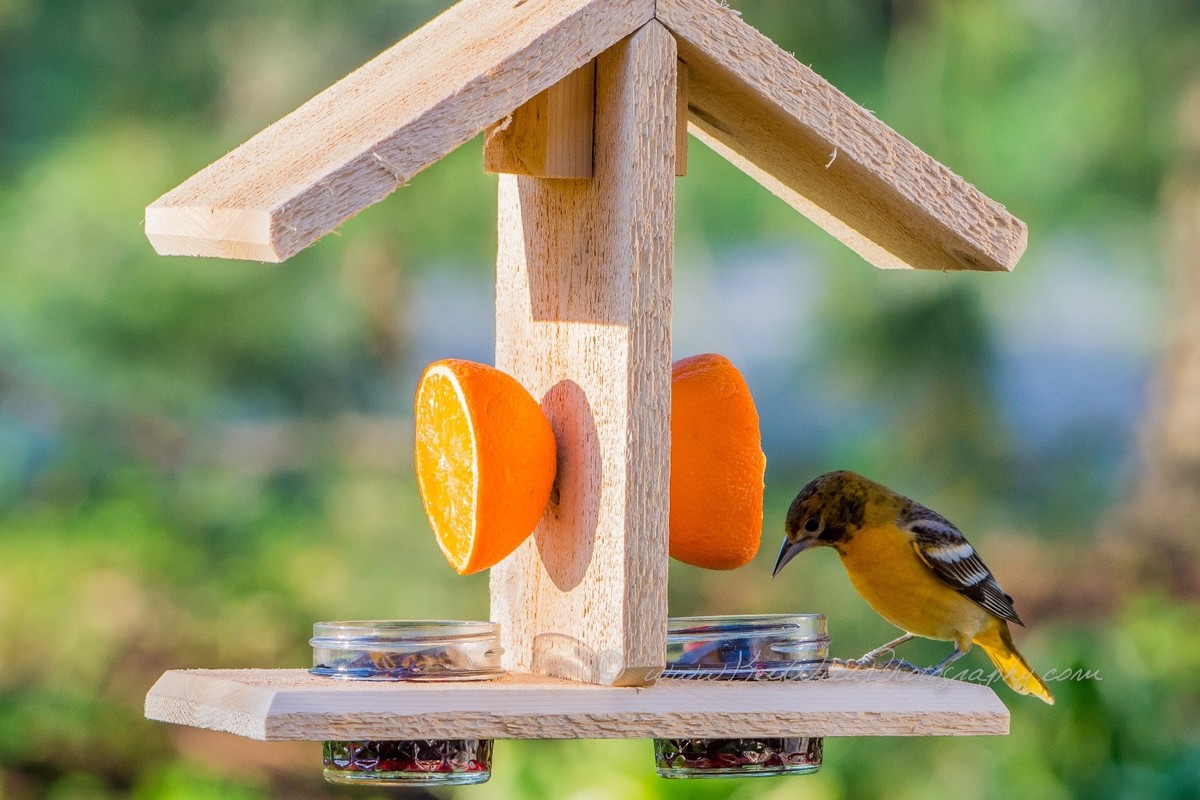
If you love watching bright, colorful birds visit your backyard, you’ve probably wondered what an oriole bird feeder looks like. Orioles are stunning birds with vibrant orange and black feathers, and they need special feeders to feel welcome.
Choosing the right feeder can make all the difference in attracting these beautiful visitors to your outdoor space. You’ll discover exactly what an oriole bird feeder looks like and why it’s designed the way it is. By the end, you’ll know how to bring these lively birds closer to your home and enjoy their cheerful presence every day.
Keep reading to find out more!
Oriole Bird Feeder Designs
Oriole bird feeders come in various designs tailored to attract and accommodate these vibrant birds. Understanding the different styles helps you choose the right feeder that suits your backyard and the orioles’ feeding habits. Each design offers unique features that make your birdwatching experience more enjoyable and successful.
Traditional Hopper Feeders
Traditional hopper feeders often resemble small birdhouses with a covered top and open feeding area below. They provide shelter for the food, keeping it dry during rain, which is perfect if you live in a wetter climate. You can fill them with fruit slices or jelly, both favorites of orioles, making these feeders very inviting.
Tube Feeders
Tube feeders are long and cylindrical with multiple feeding ports. While usually popular for small seed-eating birds, some tube feeders designed with larger openings can attract orioles. These feeders allow you to offer a mix of seeds or dried fruit pieces, giving orioles a variety of options.
Fruit Feeders
Fruit feeders are designed specifically to hold fresh fruits like oranges, grapes, or berries. Orioles love juicy fruits, so these feeders often have spikes or trays to secure the fruit in place. Have you noticed how orioles prefer to peck at fruit rather than seed? Providing fresh fruit can really keep them coming back.
Nectar Feeders
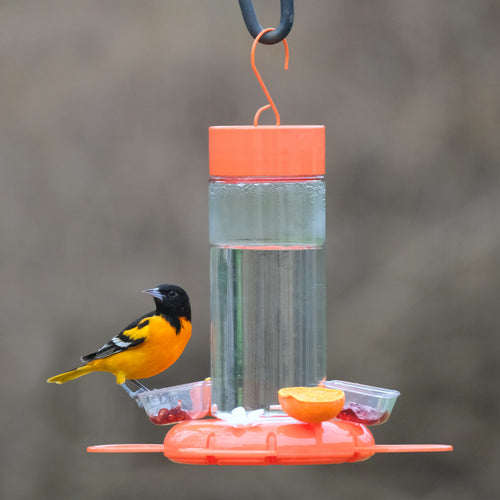
Nectar feeders mimic hummingbird feeders but are tailored to orioles with larger feeding ports and bright colors to attract them. You can fill these feeders with a sugar-water solution similar to what you’d offer hummingbirds. Keeping nectar clean and fresh is essential; orioles will quickly abandon a feeder if the nectar ferments or becomes stale.

Credit: www.amazon.ca
Materials Used In Oriole Feeders
Choosing the right materials for an oriole bird feeder can affect its durability, appearance, and how well it attracts orioles. Different materials offer unique benefits that suit various outdoor conditions and personal preferences. Let’s look closely at common materials used and how they impact your feeder’s function and style.
Wood Options
Wood is a popular choice for oriole feeders because it blends naturally with garden settings. Cedar and redwood are especially good since they resist rot and insect damage without chemicals. You might notice feeders made from pine or fir, but these woods usually need protective coatings to last longer outdoors.
Wood feeders often have a warm, inviting look that can enhance your backyard’s charm. Have you thought about how a wooden feeder might complement your garden’s colors and textures? Also, wood’s sturdiness allows for creative designs like platforms and intricate perches that orioles love.
Plastic Features
Plastic feeders are lightweight and easy to clean, making them a practical option if you want low maintenance. Clear plastic panels let you see the nectar level, so you know when it’s time to refill. However, cheaper plastics can fade or crack under strong sunlight.
Look for UV-resistant plastics to ensure your feeder stays vibrant and functional season after season. You might also find plastic feeders with bright orange accents, which are effective at catching orioles’ attention. How important is easy cleaning and visibility to you when choosing a feeder?
Metal Components
Metal parts add strength and stability to oriole feeders. Stainless steel or powder-coated metals resist rust and hold up well in rainy or humid climates. Metal hooks, hanging chains, and mesh feeding ports are common features that improve feeder durability.
Some feeders use metal mesh for the nectar compartments, allowing orioles to cling comfortably while feeding. Have you considered how metal elements might affect the feeder’s weight and your ability to hang it securely? Balancing durability with ease of use is key.
Key Features Of Oriole Feeders
Oriole bird feeders have special features made just for orioles. These features help attract these bright birds and provide easy access to their favorite foods. Understanding the key elements of oriole feeders helps you choose the right one for your backyard. These feeders focus on color, feeding spots, and size.
Color Preferences
Orioles like bright colors, especially orange. Feeders often use vibrant orange parts. This color catches orioles’ attention from far away. Some feeders mix orange with red or yellow. The bright colors make orioles feel safe and curious.
Feeding Ports And Perches
Feeding ports are small openings where orioles get food or nectar. They are designed to fit orioles’ beaks. Many feeders have multiple feeding ports. Perches are small bars or spots near the ports. These allow orioles to sit comfortably while eating. Some feeders also have hanging loops for fruit slices.
Capacity And Size
Oriole feeders come in different sizes. Small feeders hold a few ounces of nectar or jelly. Larger feeders can hold more food and attract many orioles. Choose a size that matches how many birds visit. A bigger feeder needs less refilling. A smaller one is easier to clean.
Placement Tips For Oriole Feeders
Proper placement of an oriole bird feeder helps attract these vibrant birds. Orioles prefer feeders that offer safety, comfort, and easy access to food. Choosing the right spot encourages regular visits and makes watching orioles more enjoyable.
Ideal Locations
Pick a place near trees or shrubs. Orioles like some cover for resting and hiding. Place feeders where orioles can see open space for flying. Avoid busy or noisy areas to keep birds relaxed. A spot with morning sun helps keep the feeder dry.
Height Considerations
Place feeders about 5 to 6 feet off the ground. This height is safe and easy for orioles to reach. It also helps you see the birds clearly. Avoid putting feeders too low where pets can reach them. Too high may make it hard for orioles to find.
Protection From Predators
Keep feeders away from places where cats or squirrels hide. Use baffles or guards to block predators from climbing. Avoid placing feeders near windows to prevent bird collisions. Safe placement ensures orioles feel secure while feeding.
Maintenance And Cleaning
Keeping your oriole bird feeder clean is essential to ensure the health of visiting birds and the longevity of your feeder. Regular maintenance prevents harmful buildup and keeps the nectar fresh and inviting. Let’s look at how often you should clean, the safest ways to do it, and how to stop mold and bacteria before they start.
Cleaning Frequency
How often you clean your feeder depends on the weather and how many orioles visit. In hot weather, nectar can spoil quickly, so clean your feeder every two to three days. Cooler weather allows for a slightly longer interval, but don’t stretch it beyond a week.
If you notice any cloudy nectar or ants around the feeder, that’s a clear sign it’s time to clean. Think about your own kitchen—would you drink from a container left out for a week? Birds need the same care.
Safe Cleaning Methods
Use warm water and mild dish soap to wash all parts of the feeder thoroughly. Avoid harsh chemicals like bleach as they can leave harmful residues. After washing, rinse the feeder well to remove any soap traces that might harm the birds.
For tough spots, a solution of one part white vinegar to four parts water works well and is safe for birds. Let the feeder soak for 10-15 minutes, then scrub gently with a brush. Always let the feeder dry completely before refilling it with nectar.
Preventing Mold And Bacteria
Stagnant nectar is a breeding ground for mold and bacteria, which can harm orioles. To prevent this, change the nectar frequently and keep the feeder in a shaded area to slow down fermentation. You can also add a small amount of citric acid or vitamin C powder to the nectar, which helps keep it fresh longer.
Inspect the feeder daily for any signs of mold—black or white fuzzy spots—and clean immediately if you see any. By staying vigilant, you protect the birds and enjoy watching vibrant, healthy orioles visit your feeder.
Credit: www.natureswaybirds.com
Attracting Orioles Effectively
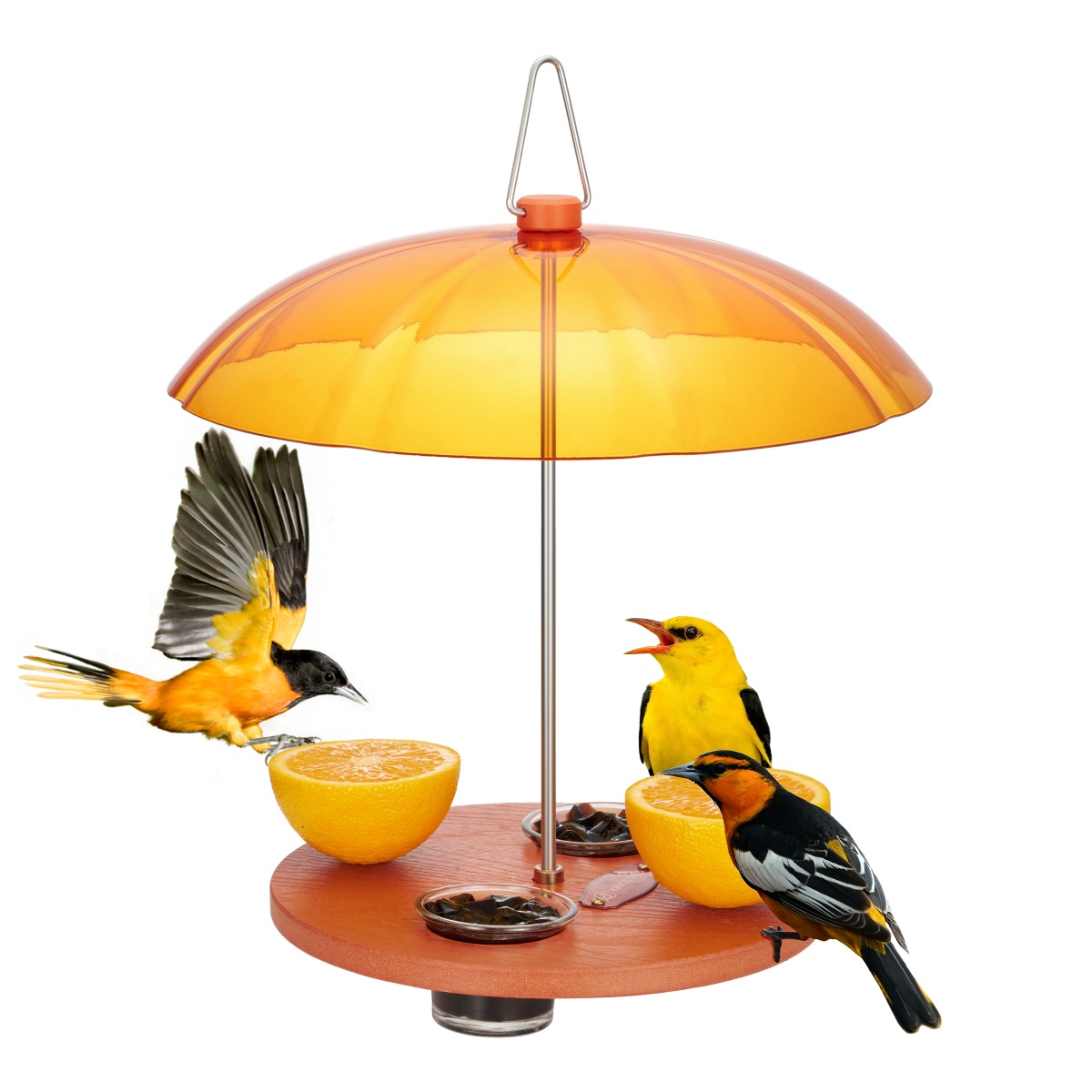
Attracting orioles effectively requires more than just any bird feeder. Orioles prefer feeders that offer bright colors and easy access to their favorite foods. A feeder designed for orioles often features orange hues to catch their attention. Placement also matters. Hang the feeder in a quiet, leafy spot to encourage visits.
Preferred Foods
Orioles enjoy sweet and juicy foods. Offer sugar water like nectar with no red dye. Fresh fruits such as oranges, grapes, and berries attract them too. Jelly and fruit preserves work well as treats. Avoid regular birdseed; orioles prefer liquid and soft foods.
Seasonal Feeding Tips
Spring and summer are peak oriole feeding seasons. Provide fresh nectar and fruit regularly. Keep feeders clean to prevent mold and bacteria. In fall, reduce feeding as orioles prepare to migrate. Remove feeders in winter to avoid attracting unwanted birds.
Avoiding Squirrel Intrusion
Squirrels can scare orioles away and waste food. Use squirrel baffles on feeder poles. Choose feeders with weight-sensitive perches that close access. Hang feeders away from tree branches and fences. Regularly check and clean feeders to maintain oriole visits.
Credit: www.kingsyard.com
Frequently Asked Questions
What Features Make An Oriole Bird Feeder Unique?
Oriole feeders are bright orange to attract orioles. They have multiple feeding ports and trays for fruit or nectar. Their design prevents other birds from dominating the feeder. This helps orioles feed comfortably and safely.
What Materials Are Best For Oriole Bird Feeders?
Durable plastic or metal feeders are ideal. They resist weather and are easy to clean. Clear plastic helps monitor nectar levels. Sturdy materials ensure the feeder lasts through seasons and attracts orioles consistently.
How Do Oriole Feeders Differ From Hummingbird Feeders?
Oriole feeders are larger with wide ports for fruit and jelly. Hummingbird feeders have tiny holes for nectar only. Orioles prefer hanging feeders with trays, while hummingbirds use small nectar feeders. This design suits each bird’s feeding habits perfectly.
Where Should I Hang An Oriole Bird Feeder?
Place feeders in open, shady spots near trees or shrubs. Orioles prefer safe locations with cover nearby. Avoid windy or overly exposed areas. Proper placement attracts orioles and keeps them comfortable while feeding.
Conclusion
Oriole bird feeders are colorful and inviting. They attract these vibrant birds. Commonly, they feature bright orange accents. This color draws orioles in. The feeder design often includes perches and nectar ports. Some have fruit holders or jelly cups. Easy to clean and refill.
Placement is key for success. Hang them in visible spots. Near trees or shrubs is ideal. Watching orioles enjoy the feeder is rewarding. A delightful way to connect with nature. Start today and enjoy these beautiful birds. Your garden will come alive with their presence.