
Have you ever noticed a bright red bird carefully feeding its mate and wondered why? It’s not just a sweet gesture—it’s a fascinating behavior with a deeper meaning.
Understanding why male red birds feed their partners can reveal surprising insights about love, trust, and survival in the wild. If you want to uncover the secrets behind this natural act and see your feathered friends in a whole new light, keep reading.
Your curiosity is about to be rewarded.

Credit: www.reddit.com
Red Bird Species That Share Feeding Duties
Several red bird species share the important task of feeding their mates. This teamwork helps ensure the survival of their young. Male birds often bring food to the female, especially during nesting. This care strengthens their bond and improves the chances of a healthy brood.
Common Male Feeders
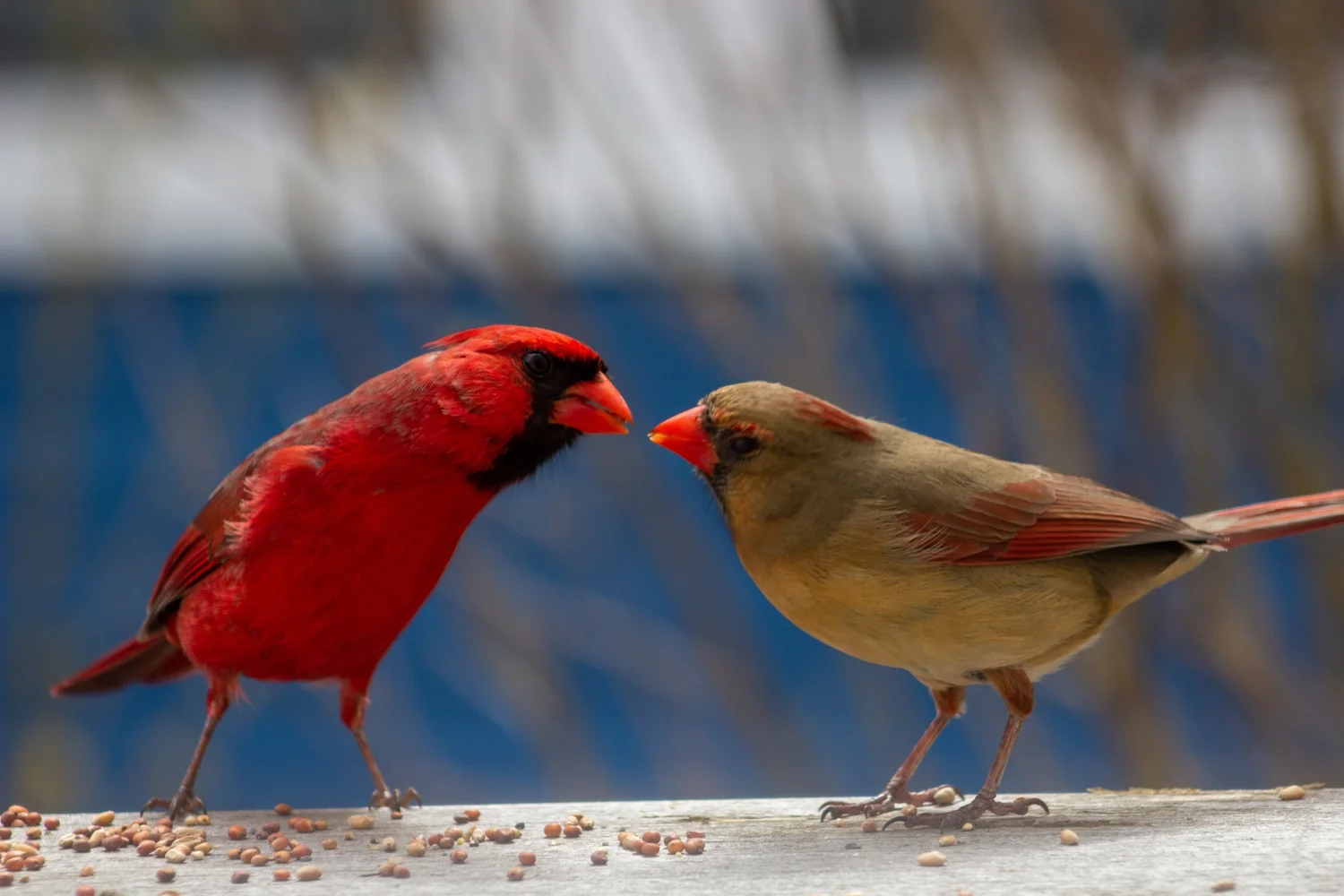
Many male red birds actively feed their partners. The Northern Cardinal is a well-known example. The male brings insects and seeds to the female while she incubates eggs. The Scarlet Tanager also shares feeding duties. Males deliver protein-rich insects to the female regularly. These actions show commitment and help the female stay strong.
Role Of Females In Nesting
Female red birds focus on building and guarding the nest. They incubate eggs and keep them warm. Feeding from males allows females to spend more time on these tasks. This balance of roles improves the survival rate of chicks. Females also feed the young once they hatch, continuing the care cycle.
Reasons Behind Male Feeding Behavior
Male red birds feeding their mates is a fascinating behavior that goes beyond simple nourishment. It reflects deeper biological and social functions critical to their survival and reproductive success. Understanding these reasons can give you insight into the complex world of bird relationships and their survival strategies.
Strengthening Pair Bonds
Feeding your mate is like saying, “I’m here for you.” It builds trust and connection between the male and female red bird. This act reassures the female of the male’s commitment, making their partnership stronger and more stable.
Think about it—if you were in a relationship, wouldn’t small acts of care help deepen your bond? The same principle applies here. These feeding moments are vital for maintaining cooperation during the breeding season.
Ensuring Offspring Survival
The male’s feeding behavior directly supports the female’s health, which is crucial during egg-laying and incubation. When the female gets enough food without needing to leave the nest, she can focus entirely on protecting and warming the eggs.
This means the male’s role isn’t just about romance; it’s practical. By providing food, he increases the chances that their chicks will hatch strong and healthy, improving the survival rate of their offspring.
How Feeding Influences Mating Success
Feeding behavior plays a crucial role in the mating success of male red birds. This act is more than just providing food; it sends important signals to potential mates. By feeding their female partners, males increase their chances of forming strong bonds and successful reproduction. The behavior influences female choice and helps males stand out among competitors.
Attracting Female Attention
Male red birds use feeding to catch the interest of females. Offering food shows care and willingness to invest in the relationship. This attention grab can make a male more attractive than others. Females notice the effort and may prefer males who share resources. Feeding acts like a gift that sparks attraction and trust.
Demonstrating Resource Availability
Providing food proves a male’s ability to find and share resources. It signals strength and good health, qualities females seek. This demonstration reassures females that the male can support future offspring. Feeding thus becomes a way to communicate fitness and reliability. It helps females pick mates that increase their chances of survival.

Credit: www.cbc.ca
Feeding Rituals And Courtship Displays
Feeding rituals and courtship displays are vital parts of the red bird’s mating process. Male red birds use feeding as a way to show care and build trust. This act goes beyond just sharing food; it sends a clear message of commitment and readiness to support their mate. These behaviors help strengthen the bond between the pair and increase the chances of successful nesting.
Unique Feeding Gestures
Male red birds use special feeding gestures during courtship. They often pick up food with their beaks and gently offer it to the female. Sometimes, the male will tap or nudge the female softly before giving the food. These movements show patience and respect. The female’s acceptance of the food signals her interest and trust.
Timing And Frequency
Feeding happens at key moments during courtship. Males feed their mates more often at the start of the breeding season. This frequent feeding helps maintain the female’s energy for egg laying. It also reassures the female that the male will be a good provider. The timing of feeding can change depending on the female’s needs and environmental factors.
Impact Of Environment On Feeding Patterns
The environment plays a key role in shaping how male red birds feed their mates. Changes in food sources and habitat affect feeding habits. These influences help explain why males sometimes work harder to provide food. The surrounding conditions impact both the availability and choice of food. Understanding these factors offers insight into the feeding patterns of these birds.
Seasonal Food Availability
Food supply shifts with the seasons. During spring and summer, insects and berries are more common. Males take advantage of this abundance to feed their mates more often. In colder months, food becomes scarce. Males may reduce feeding or switch to different food types. This seasonal change impacts how much and what kind of food males bring.
Habitat Influence
The habitat sets the stage for feeding behavior. Forested areas provide diverse food options like insects and fruits. Open fields might limit food types to seeds or small insects. Urban environments change feeding patterns again, with birds often relying on human-provided food. The quality and variety of habitat directly affect how male red birds feed their partners.
Comparisons With Other Bird Species
Male red birds feeding their mates is a behavior seen in many bird species. Comparing this act across species helps us understand its purpose. Different birds have unique feeding habits during courtship and nesting. These habits show how males support females and offspring.
Feeding Roles In Non-red Birds
Many bird species share food between mates, but the roles differ. In some species, females feed males as a sign of trust. Other birds feed their young more than their partners. Some males gather food to attract females or prove their strength.
- In pigeons, both parents feed the chicks equally.
- In swans, males often bring food to the female during nesting.
- In some songbirds, males feed females to strengthen pair bonds.
Feeding roles vary widely but often link to survival and bonding.
Exceptions In Male Feeding
Not all male birds feed their mates. Some species rely on females to find food alone. Males in these species focus on protecting territory or courting. In others, males may feed females only during certain seasons or conditions.
- Birds of prey males rarely feed females directly.
- In some parrots, females do most of the feeding work.
- Male birds in polygamous species may not feed any mate.
These exceptions show how feeding depends on ecology and mating systems.
Scientific Insights And Recent Studies
Understanding why male red birds feed their mates involves diving into scientific research that reveals fascinating behaviors and underlying causes. Recent studies shed light on the motivations behind this nurturing act, showing it is more than just a simple gesture of care. These insights challenge common assumptions and offer you a chance to see animal behavior from a fresh perspective.
Behavioral Experiments
Researchers have observed red birds in controlled environments to study their feeding habits. These experiments show that males often feed females during courtship and nesting periods, which helps strengthen pair bonds.
One surprising finding is that males continue feeding even when females can find food themselves. This suggests the behavior is about building trust and cooperation rather than just providing nutrition.
Think about your own relationships—how often do small acts of kindness boost connection? The same principle applies here, highlighting the importance of support beyond immediate needs.
Genetic Factors
Genetic studies reveal that feeding behavior in male red birds is linked to specific genes influencing social bonding. These genes affect how males respond to their mates and invest energy into nurturing them.
Scientists found that variations in these genes can change how often and how much males feed their partners. This shows that feeding is not just learned but partly programmed in their biology.
Are you aware of how your own biology shapes your social habits? Understanding these genetic influences helps you appreciate the complexity of animal and human relationships alike.
Credit: kalkaskaconservation.org
Frequently Asked Questions
Why Do Male Red Birds Feed Their Mates?
Male red birds feed their mates to strengthen pair bonds. This behavior shows care and support during nesting and breeding seasons. It helps ensure the female stays healthy and focused on incubating eggs and raising chicks.
Does Feeding Improve Red Bird Mating Success?
Yes, feeding increases mating success by building trust and cooperation. When males feed females, it signals their ability to provide resources. This increases the chances of successful reproduction and chick survival.
What Types Of Food Do Male Red Birds Offer?
Male red birds typically offer insects, seeds, or small fruits. These foods provide essential nutrients for the female during egg-laying and chick-rearing. The choice of food depends on species and habitat availability.
Is Feeding Behavior Common Among All Red Bird Species?
Not all red bird species feed their mates, but many do. This behavior is more common in species with strong pair bonds. It varies based on ecological factors and mating systems.
Conclusion
Male red birds feed their mates for several reasons. It strengthens their bond. Sharing food shows care and partnership. This act also ensures the female stays strong. Healthy females raise healthy chicks. Feeding also boosts the male’s chance of mating success.
It’s a natural behavior in many bird species. Observing this can teach us about nature’s wonders. Next time you see birds, remember their acts of care. Nature has its way of showing love and survival. Simple, yet profound.