
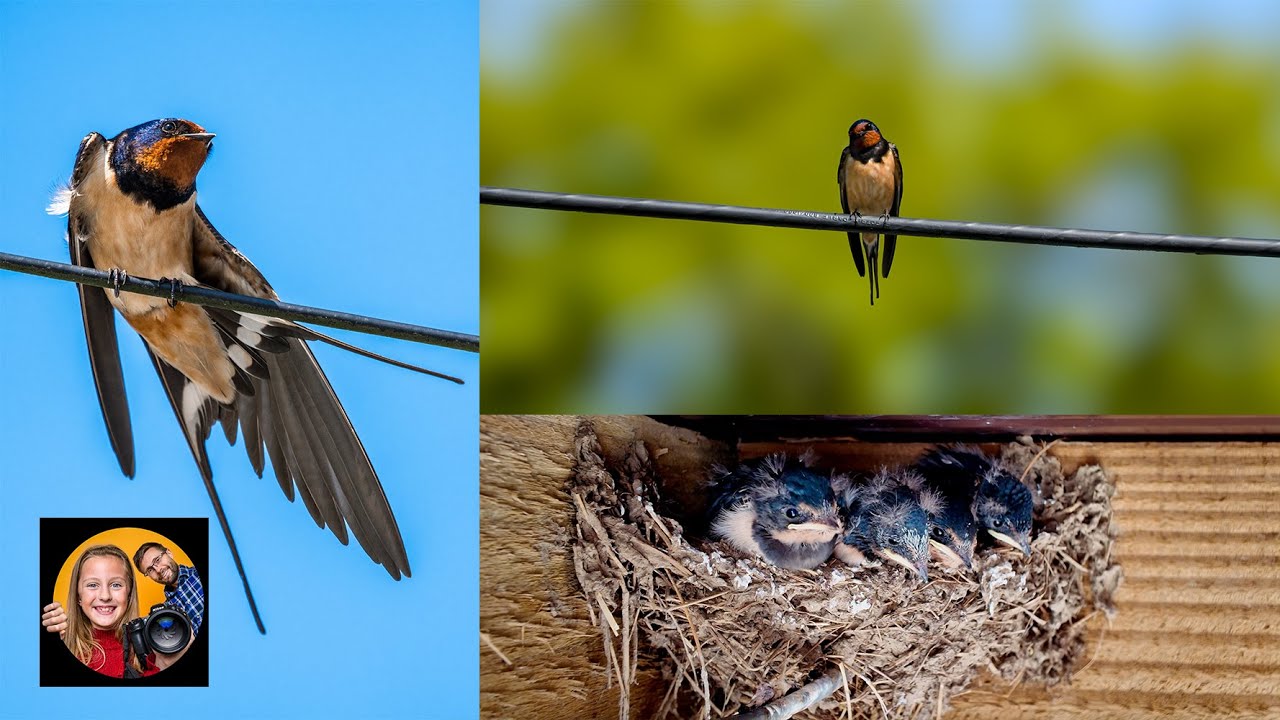
If you’ve found a baby swallow and want to help it grow strong, you might be wondering what to feed it. Feeding baby swallows isn’t as simple as offering bread or seeds.
What you give your little feathered friend can make all the difference in its health and survival. You’ll discover exactly what baby swallows need to eat, how often to feed them, and tips to keep them safe while they grow.
Keep reading to learn how you can give your baby swallow the best start in life.

Credit: www.eastsideaudubon.org
Diet Needs Of Baby Swallows
Understanding the diet needs of baby swallows is key to supporting their growth and survival. These tiny birds grow fast and require a diet that fuels their energy and development. Knowing what to feed them helps you ensure they get the right nutrients at the right time.
Nutritional Requirements
Baby swallows need a high-protein diet to build muscles and develop feathers. Protein supports their rapid growth and keeps their immune system strong. Along with protein, they need fats for energy and small amounts of carbohydrates.
Vitamins and minerals are just as important. Calcium helps strengthen their bones, while vitamins A and E boost their eyesight and overall health. Without these nutrients, baby swallows can become weak and more vulnerable to illness.
Natural Food Sources
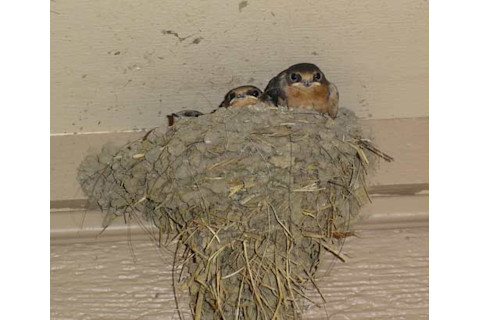
In the wild, baby swallows mostly eat insects. Their parents catch flies, beetles, and caterpillars and feed them directly to the chicks. These insects provide a perfect mix of protein and other nutrients essential for growth.
You might wonder if you can offer similar foods at home. Small live insects like mealworms or fruit flies mimic their natural diet well. Avoid feeding bread or seeds, as these do not meet the nutritional needs of baby swallows and can cause harm.
Credit: www.discovermagazine.com
Safe Food Options
Feeding baby swallows requires careful attention to their diet to ensure they grow strong and healthy. Choosing safe food options is crucial because young swallows have sensitive digestive systems. Providing the right types of food helps mimic what their parents naturally hunt and feed them in the wild.
Insects And Larvae
Baby swallows mainly eat insects and larvae, which are rich in protein and essential nutrients. You can offer small, soft-bodied insects like mealworms, fruit flies, or crickets. Avoid hard or large insects that the babies might struggle to swallow.
Try to feed live insects to encourage natural hunting instincts and provide fresh nutrition. If live insects aren’t available, thaw frozen mealworms gently before feeding. Have you noticed how swallows snap up bugs mid-air? That’s their natural behavior—feeding them similar foods supports their growth.
Supplementary Foods
Besides insects, you can add supplementary foods to provide a balanced diet. Soft fruits like mashed berries or small pieces of ripe apple can add vitamins and moisture. Be cautious to avoid sugary or processed foods that can harm their health.
Boiled egg yolk mashed finely can be a good source of protein if insects are limited. Mixing a little warm water with the food helps it go down easily. Have you ever seen a baby swallow refuse a certain food? Their preferences can guide you to what’s best for them.
Feeding Techniques
Feeding baby swallows requires patience and attention to detail. Knowing the right techniques can make a big difference in their growth and survival. Your approach should be gentle and consistent, ensuring they get enough nourishment without stress.
How Often To Feed
Baby swallows need frequent feeding because they grow fast and burn energy quickly. You should aim to feed them every 15 to 20 minutes during daylight hours. This frequent schedule mimics how parent swallows naturally feed their chicks.
Missing even a few feeding times can lead to weak or undernourished babies. Watch for signs of hunger like open mouths or restless movement to stay on track. Would you be able to keep up with such a demanding schedule?
Proper Feeding Methods
Use tweezers or a small syringe to offer food gently. Avoid forcing food too deep into their throats to prevent choking. The goal is to mimic how parent birds feed by placing food at the entrance of the beak.
Start with soft, easy-to-digest foods like soaked mealworms or finely mashed insects. Keep portions small and check that the baby swallow swallows comfortably before offering more. Have you noticed how delicate their beaks are? Handling them with care is essential.
Common Feeding Mistakes
Feeding baby swallows might seem straightforward, but there are common mistakes many caregivers make that can harm these delicate birds. Understanding what to avoid and how to recognize feeding issues can make a big difference in their survival and growth. Let’s look closely at some errors that often go unnoticed but have serious consequences.
Foods To Avoid
Not all insects or food items are safe for baby swallows. Avoid feeding them processed human foods, bread, or anything sugary. These can upset their digestive system and provide little to no nutrition.
Also, steer clear of large insects like beetles or crickets with hard shells. They can be tough to swallow and may choke the babies. Stick to soft-bodied insects such as flies, moths, and caterpillars, which are easier for young swallows to digest.
Some people try feeding mealworms, but these can be too fatty if given in excess. The goal is to mimic what parent swallows would naturally bring, so prioritize fresh, small insects.
Signs Of Overfeeding Or Underfeeding
It’s easy to think more food means better care, but overfeeding can be dangerous. If you notice the baby swallow’s crop (the pouch in their throat) stays swollen for hours, it might be a sign you’re feeding too much or too fast.
On the other hand, a crop that remains empty or the bird showing constant begging behavior could indicate underfeeding. These birds need frequent, small meals to thrive—missing meals can quickly lead to weakness.
Watch for lethargy, slow growth, or repeated regurgitation as warning signs. Are you paying close attention to the bird’s behavior after feeding? This feedback is your best guide to adjusting how much and how often you feed.
Encouraging Independent Feeding
Encouraging baby swallows to feed independently is crucial for their growth. It helps them develop skills to find food and survive alone. Early guidance makes the transition easier and less stressful for the young birds.
Transitioning To Solid Food
Start by offering small insects like flies or caterpillars. These are close to what swallows eat in the wild. Gradually reduce soft food and increase solid pieces. This change helps their digestive system adjust. Offer food multiple times a day in small amounts. Avoid overfeeding to keep their natural hunger cues active.
Promoting Natural Foraging
Create a safe outdoor space with natural insect activity. Place twigs or leaves near feeding spots to mimic their environment. Encourage the birds to catch live insects by gently releasing bugs nearby. This practice builds their hunting skills and confidence. Avoid feeding in one fixed spot to promote exploration. Let the baby swallows practice flying short distances to find food on their own.

Credit: www.blog.catandturtle.net
Health And Safety Tips
Keeping baby swallows healthy and safe requires careful attention to their environment and diet. Small mistakes can lead to illness or stress, which slows their growth. You need to be proactive about cleanliness and watch for signs that something is wrong.
Hygiene Practices
Cleanliness is crucial when feeding baby swallows. Always wash your hands before handling the birds or their food to avoid spreading germs.
Use fresh water and clean containers daily to prevent bacteria buildup. Dirty feeding tools can cause infections quickly.
Remove any leftover food promptly. Stale or moldy food can be harmful and attract pests.
Monitoring Baby Swallow Health
Observe the babies closely for changes in behavior or appearance. Are they eating well? Are their feathers smooth and eyes bright?
Look out for symptoms like lethargy, fluffed-up feathers, or unusual droppings. These may signal illness that needs immediate attention.
Keep a simple health log to track feeding times and any signs of distress. This record helps you notice patterns and act faster.
Have you ever noticed subtle signs that something was wrong before a problem became obvious? Paying attention early can make all the difference in saving a baby swallow’s life.
Frequently Asked Questions
What Do Baby Swallows Eat In The Wild?
Baby swallows mainly eat small flying insects like flies, beetles, and moths. Parents catch these insects mid-air and feed them directly to the chicks.
Can I Feed Baby Swallows With Bread Or Seeds?
No, bread and seeds are not suitable for baby swallows. They need protein-rich insects for proper growth and development.
How Often Should Baby Swallows Be Fed Daily?
Baby swallows require feeding every 10 to 20 minutes from dawn to dusk. Parents work tirelessly to meet their chick’s high energy needs.
Is It Safe To Feed Baby Swallows By Hand?
Feeding baby swallows by hand is risky and not recommended. It’s best to let parent birds provide natural food for the chicks.
Conclusion
Caring for baby swallows requires patience and the right food. Offer small insects and soft grubs. These provide essential nutrients. Avoid bread and milk. These can harm young birds. Always keep the feeding environment clean and safe. Monitor their health regularly.
This ensures they grow strong and healthy. Consult a vet if unsure about their needs. Proper feeding supports their development. Enjoy watching them thrive and learn to fly. Your efforts make a big difference. Keep learning and adapting to their needs.
Happy bird feeding!