
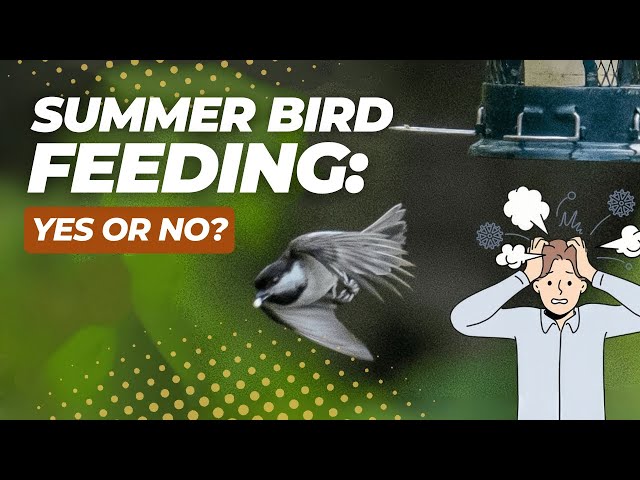
Are you wondering if there’s a right time to stop feeding wild birds? You might love watching those colorful visitors at your feeder every day.
But did you know that knowing when to stop can actually help protect their health and survival? You’ll discover simple signs and important reasons why stopping at the right moment matters. Keep reading to learn how you can support wild birds the best way possible—without unintentionally causing harm.
Your actions can make all the difference for these feathered friends.

Credit: www.allaboutbirds.org
Reasons To Feed Wild Birds
Feeding wild birds is a popular activity enjoyed by many, but understanding why you feed them can help you make better choices. There are several compelling reasons that motivate people to put out food for birds, ranging from supporting their survival to personal enjoyment. Knowing these reasons can guide you on when and how to feed wild birds responsibly.
Benefits For Birds
Feeding wild birds provides essential nutrition, especially during harsh weather or scarce food seasons. It can help young birds survive when natural food is limited. You might not realize, but a steady food source can also support birds during migration periods, giving them the energy they need to travel long distances.
However, it’s important to ask yourself: Are you offering the right type of food that truly benefits the birds? Some foods can harm them, so choosing safe, nutritious options makes a big difference.
Benefits For Birdwatchers
Watching birds up close can be a peaceful and rewarding experience. Feeding birds attracts a variety of species, allowing you to observe their behaviors and colors in detail. It also creates opportunities to learn more about local wildlife and share your passion with family and friends.
Have you noticed how feeding birds can turn a simple backyard into a lively natural classroom? This connection often encourages people to care more about wildlife and conservation efforts.
Common Feeding Practices
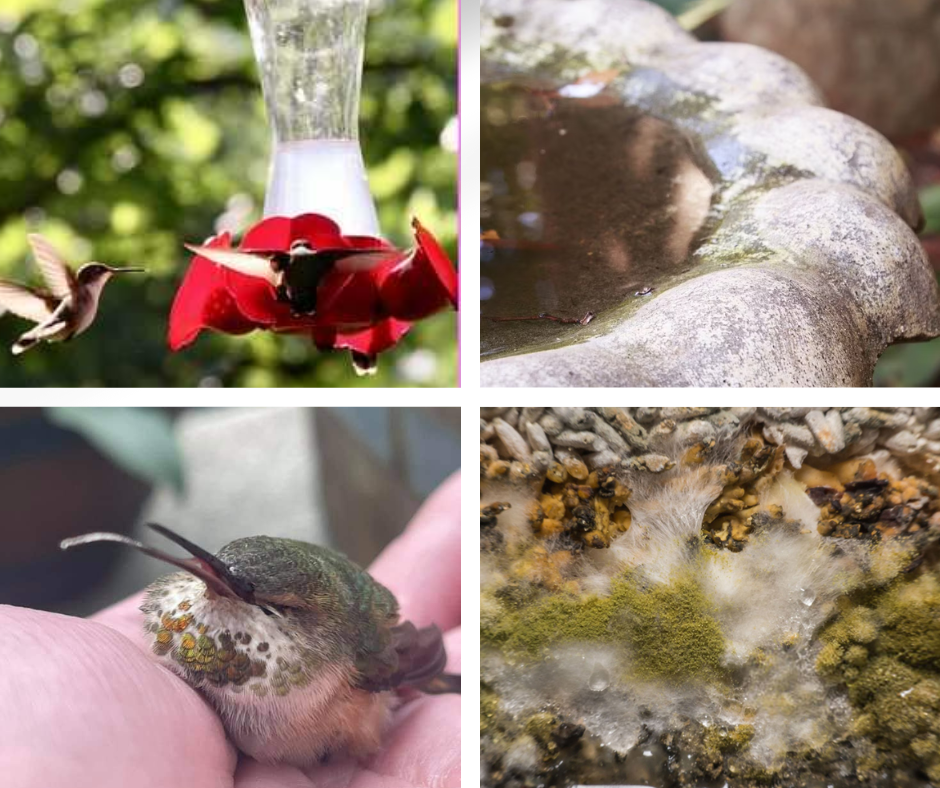
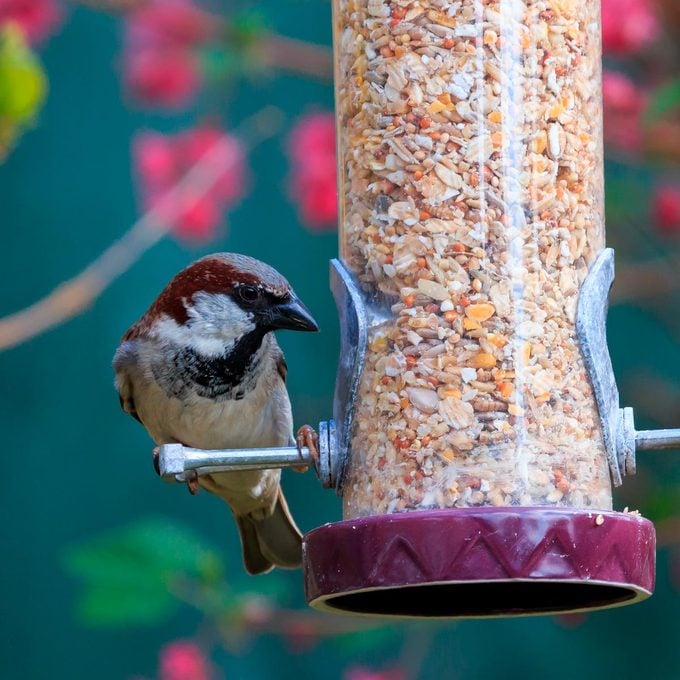
Many people use feeders filled with seeds, suet, or nectar to attract different bird species. Placing feeders in safe, sheltered spots helps protect birds from predators. Regular cleaning of feeders is crucial to prevent disease and keep the birds healthy.
- Use black oil sunflower seeds for attracting a wide range of birds.
- Offer nectar for hummingbirds, but always prepare it fresh and clean.
- Avoid bread and processed foods, which provide little nutrition and can be harmful.
Are your feeding habits supporting the birds or unintentionally putting them at risk? Small changes in how and what you feed can improve their well-being significantly.
Credit: fwrnews.com
Signs To Stop Feeding
Knowing when to stop feeding wild birds is important for their health. Birds rely on natural food sources to survive and thrive. Feeding them for too long can make them dependent on humans. Watch for signs that show birds no longer need extra food. These signs help you decide when to stop feeding safely.
Natural Food Availability
Wild birds find natural food in their environment. When berries, seeds, and insects are plentiful, they need less help. Check your garden or nearby areas for these foods. If natural food is easy to find, it is time to stop feeding. This helps birds learn to feed themselves again.
Seasonal Changes
Seasons affect bird food supply. Spring and summer bring more insects and plants. Birds eat more natural food during these times. Winter is the hardest season for them to find food. Stop feeding when seasons change and natural food returns. This keeps birds healthy and active.
Bird Behavior Shifts
Birds change their habits when food sources change. If birds visit feeders less often, they might find food elsewhere. Watch for signs like fewer birds or shorter visits. Birds may start eating more natural food on their own. These behavior shifts show it is time to reduce feeding.
Timing Tips For Feeding
Knowing the right time to feed wild birds helps them stay healthy and safe. Timing affects their natural habits and survival. Feeding birds at the best times supports their needs without causing harm. Here are some tips on when to feed birds during different seasons and regions.
Spring And Summer Guidelines
Spring and summer bring plenty of natural food for birds. Seeds, insects, and berries become abundant. Feeding birds during these months can sometimes reduce their ability to find food on their own.
Stop feeding or reduce the amount gradually once natural food sources increase. Birds also start nesting and raising chicks. Avoid disturbing nests by limiting feeding near nesting areas. Offer fresh water instead of food during hot months.
Fall And Winter Considerations
Fall and winter are critical times for feeding birds. Natural food becomes scarce and cold weather raises their energy needs. Feeding birds helps them survive harsh conditions and prepare for migration.
Continue feeding through these seasons. Use high-energy foods like sunflower seeds, suet, and nuts. Keep feeders clean to prevent disease. Stop feeding only when you see birds leave for warmer areas or when spring arrives.
Regional Differences
Bird feeding schedules vary by region and climate. Warmer areas may have longer feeding seasons. Cold regions often need feeding for longer periods during winter.
Check local birdwatching groups or wildlife agencies for advice. Adjust feeding based on weather changes and bird activity. Local knowledge helps protect birds and keeps feeding effective.
Health And Safety Concerns
Feeding wild birds can be a joyful activity, but it requires careful attention to health and safety. Poor feeding habits may cause harm to birds and the environment. Knowing when to stop feeding helps protect birds and keeps your yard safe.
Disease Prevention
Bird feeders can spread diseases if not cleaned regularly. Sick birds gather at feeders and pass infections to others. Stop feeding when many birds show signs of illness, such as ruffled feathers or lethargy. Avoid feeding during wet, cold weather to reduce mold and bacteria growth on food.
Avoiding Dependency
Birds can become dependent on feeders and stop foraging naturally. This weakens their survival skills and health. Stop feeding during spring and summer when natural food is abundant. This encourages birds to find food on their own and maintain strong habits.
Sanitation Tips
- Clean feeders every two weeks with warm, soapy water.
- Rinse thoroughly and dry before refilling.
- Remove old, moldy, or wet seed immediately.
- Place feeders away from windows to prevent collisions.
- Clear spilled seeds and droppings from the ground regularly.
Good hygiene reduces disease risk and keeps birds safe.
Alternatives To Feeding
Stopping the feeding of wild birds doesn’t mean you have to cut off your connection with nature. There are several ways to support bird populations naturally, helping them thrive without relying on your feeders. These alternatives create a sustainable environment and encourage birds to find food and shelter on their own.
Creating Natural Habitats
One of the best things you can do is make your yard or garden a bird-friendly habitat. Leave some areas wild with leaf litter and native plants where birds can find insects and seeds naturally.
Think about adding brush piles or dead wood, which provide shelter and nesting spots. I once noticed more birds visiting my garden after I stopped clearing out fallen branches, proving that simple changes can make a big difference.
Planting Native Species
Native plants are a powerful tool for feeding and supporting birds throughout the year. They offer natural food sources like berries, seeds, and nectar that birds have adapted to eat.
Choose shrubs, trees, and flowers that grow in your region to attract local birds. You might see a variety of species you never noticed before, simply because they found a familiar food source in your garden.
Providing Water Sources
Birds need water for drinking and bathing, especially when natural sources dry up. A birdbath or small pond can be a lifesaver during hot or dry seasons.
Make sure to keep the water clean and fresh to prevent disease. Adding a dripping feature or fountain can also attract more birds by mimicking natural water sounds.
Credit: www.familyhandyman.com
Frequently Asked Questions
When Is The Best Time To Stop Feeding Wild Birds?
Stop feeding wild birds in late spring or early summer. This timing helps birds transition to natural food sources and prevents dependency on feeders.
Why Should You Stop Feeding Birds In Summer?
Feeding birds in summer can attract pests and cause disease spread. Birds also find enough natural food during this season.
Can Feeding Birds Year-round Harm Their Survival?
Yes, year-round feeding can make birds reliant on humans. It may reduce their natural foraging skills and survival instincts.
How Does Stopping Feeding Affect Bird Migration?
Ceasing feeding before migration encourages birds to build natural fat reserves. This helps them prepare for long migratory journeys safely.
Conclusion
Understanding when to stop feeding wild birds is essential. It helps maintain their natural feeding habits. Spring and summer offer abundant natural food sources. During these seasons, reduce or stop supplemental feeding. This encourages birds to forage naturally. Always consider local wildlife guidelines and advice.
Observing bird behavior can also offer insights. Watch for signs when food is no longer needed. Remember, responsible feeding benefits both birds and nature. Balancing human intervention with natural processes is key. Keep bird welfare as a priority. Enjoy watching these beautiful creatures thrive independently.
Your thoughtful actions make a difference.