
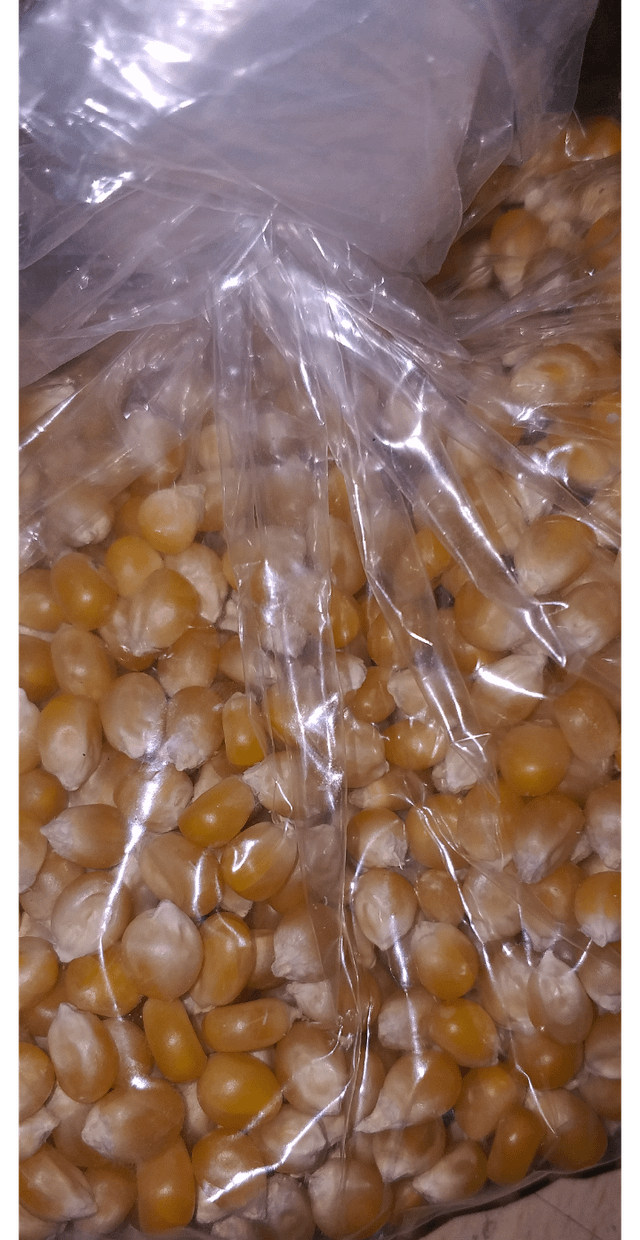
Have you ever wondered if sharing your popcorn with wild birds is a kind gesture or a harmful habit? You might think that tossing a few kernels outside is a fun way to connect with nature.
But is it really safe for your feathered friends? Before you reach for that buttery snack, it’s important to understand how popcorn affects wild birds and what you should know to keep them healthy. Keep reading to discover the surprising truth about feeding popcorn to wild birds and learn the best ways to support them.

Credit: us.amazon.com
Popcorn And Birds
Popcorn often seems like a fun treat to share with wild birds, especially when you notice their curious pecks during your outdoor gatherings. But is popcorn really a suitable snack for your feathered visitors? Understanding how popcorn interacts with birds’ diets can help you make better feeding choices.
Types Of Popcorn Safe For Birds
Plain, air-popped popcorn is the safest option to offer wild birds. It contains no added salt, butter, or artificial flavors, which can harm birds’ health.
Avoid microwave popcorn or any variety with seasonings, oils, or salt. These additives can cause dehydration or digestive issues in birds.
Have you ever seen birds peck at buttery popcorn and wondered if it’s okay? Chances are, that popcorn is doing more harm than good. Sticking to plain popcorn keeps your bird friends safe and happy.
Nutritional Content Of Popcorn
Popcorn offers a low-calorie snack with some fiber, which can aid digestion in birds. However, it lacks essential nutrients like protein, vitamins, and minerals that birds need daily.
Feeding popcorn occasionally is fine, but it shouldn’t replace natural foods like seeds, nuts, or insects. Think of it as a light snack rather than a meal.
Next time you toss a few popcorn pieces outside, consider if you’re giving the birds a treat or just empty calories. What other snacks could you add to support their health better?

Credit: www.muranochickenfarm.com
Potential Risks
Feeding wild birds popcorn might seem harmless, but it comes with several risks you should know about. Not all popcorn is safe, and certain ingredients can harm birds. Understanding these dangers helps you make better choices for the wildlife you care about.
Additives And Seasonings To Avoid
Many store-bought popcorns contain salt, butter, and artificial flavors that can be toxic to birds. Even small amounts of salt can upset their delicate systems and cause dehydration.
Butter and oils add unnecessary fats that wild birds aren’t used to digesting. Artificial seasonings might contain chemicals harmful to their health.
Have you ever noticed how birds avoid certain foods in your garden? They might be instinctively steering clear of harmful additives. Stick to plain, air-popped popcorn without any extras if you want to offer a safe treat.
Choking Hazards And Digestive Issues
Popcorn kernels can be a choking hazard, especially the unpopped ones. Birds have small throats, and a hard kernel may block their airway.
Popped popcorn is easier to eat but can still cause digestive problems if given in large amounts. Birds aren’t designed to digest processed human snacks regularly.
Think about how you feel after eating too much fast food—birds experience similar discomfort. Offering popcorn occasionally and in moderation is key to preventing these issues.
Effects On Bird Behavior
Feeding wild birds popcorn might seem harmless and fun, but it can subtly change how birds behave over time. These changes affect their ability to survive naturally and maintain a balanced lifestyle in the wild. Understanding these effects helps you make better choices about what to offer your feathered visitors.
Dependency On Human Food
When birds start relying on popcorn or other human snacks, they may lose interest in searching for their natural food sources. This dependency can make them less adaptable to seasonal changes when handouts disappear.
I once noticed a group of sparrows near my window who only gathered when I tossed popcorn. Over time, they stopped exploring other areas for seeds or insects. This shows how easy it is for birds to become dependent on easy meals, which can weaken their survival instincts.
Could your feeding habits be unintentionally making birds less self-reliant? Consider offering natural foods instead to support their independence.
Impact On Natural Foraging Habits
Popcorn lacks the nutrients birds get from their usual diet of seeds, insects, and berries. When they fill up on popcorn, they eat less of the healthy foods they need.
This shift can disrupt their natural foraging patterns, reducing their ability to find diverse food sources. Birds that rely heavily on popcorn might miss out on essential vitamins and proteins.
Have you observed birds ignoring their typical feeding spots after a popcorn feast? This behavior change can affect their overall health and the ecosystem balance.
Safe Feeding Tips
Feeding wild birds can be a joyful experience. It helps birds find food, especially in tough seasons. Safe feeding practices protect birds and keep them healthy. Offering the right kind of food is important. Some foods can harm birds or cause health problems. Understanding how to prepare treats like popcorn and knowing better snack options can make feeding safe and fun.
Preparing Popcorn For Birds
Popcorn can be a safe snack if prepared correctly. Use plain popcorn without salt, butter, or oils. These additives can be harmful to birds. Air-popped popcorn is the best choice. Break large popcorn pieces into smaller bits to avoid choking. Offer popcorn in small amounts only. Too much popcorn can upset birds’ diets and health. Clean the feeding area to prevent mold and pests.
Alternative Healthy Snacks
Many healthy snacks suit wild birds well. Seeds like sunflower, millet, and safflower are favorites. Fresh fruits such as apple slices, berries, and grapes work too. Unsalted nuts like peanuts or almonds offer good nutrition. Mealworms provide protein, especially in colder months. Always avoid processed or sugary foods. Provide fresh water alongside food for birds’ hydration.
Environmental Considerations
Feeding wild birds popcorn may seem harmless, but it has environmental effects. Understanding these helps protect bird habitats and the ecosystem. Careful feeding supports nature without harm.
Litter And Pollution Concerns
Popcorn often contains salt, butter, or flavorings. These additives can harm birds and pollute soil or water. Uneaten popcorn can attract pests, creating waste problems. Leftover food may lead to mold growth, which is unsafe for wildlife. Clean feeding areas prevent litter buildup and protect the environment.
Encouraging Natural Habitats
Wild birds thrive best on natural foods like seeds, nuts, and insects. Feeding popcorn can reduce birds’ urge to forage naturally. This may weaken their survival skills and disrupt local ecosystems. Supporting native plants and natural habitats helps birds find healthy food. Creating a safe space with native plants encourages birds to visit and stay.

Credit: feederspetsupply.com
Frequently Asked Questions
Is Popcorn Safe For Wild Birds To Eat?
Plain, air-popped popcorn is generally safe for wild birds. Avoid butter, salt, or flavorings, which can harm them. Always offer in moderation as a treat, not a staple food.
Can Feeding Popcorn Harm Wild Birds?
Feeding birds large amounts of popcorn, especially with additives, can cause health issues. Salt and butter disrupt their digestion and hydration. Stick to small portions of plain popcorn to avoid harm.
What Type Of Popcorn Is Best For Wild Birds?
Plain, unsalted, and unbuttered popcorn is best. Avoid microwave popcorn or varieties with artificial flavorings. Natural popcorn provides harmless, occasional snacks without risking bird health.
Should Popcorn Be A Regular Part Of Wild Birds’ Diet?
No, popcorn should only be an occasional treat. Wild birds need a balanced diet of seeds, fruits, and insects. Relying on popcorn can lead to nutritional deficiencies.
Conclusion
Feeding wild birds popcorn? Not the best choice for their diet. Popcorn lacks essential nutrients birds need. Salt and butter can harm birds’ health. Birds thrive on seeds, fruits, and nuts instead. Healthy snacks ensure birds stay strong and active.
Observing their natural behaviors is rewarding. So, offer safe, nutritious foods to support them. A simple act of kindness makes a big difference. Remember, nature flourishes when we respect its needs. Make feeding decisions that benefit wildlife and the environment.
Enjoy the beauty of birds in a responsible way. Keep their well-being in mind always.