
If you’ve found a baby thrush bird and want to help it grow strong and healthy, knowing what to feed it is crucial. You might wonder what foods are safe and nutritious for such a delicate little creature.
Feeding a baby thrush the wrong things can harm its chances of survival, but with the right guidance, you can make a big difference. You’ll discover simple, effective tips to keep your feathered friend well-fed and thriving. Keep reading to learn exactly what your baby thrush needs to eat every day.
Identifying Baby Thrush Birds
Identifying baby thrush birds is important before feeding them. These young birds have unique features and behaviors. Knowing these helps provide proper care and nutrition. Observing their physical traits and actions gives clear clues about their identity.
Physical Characteristics
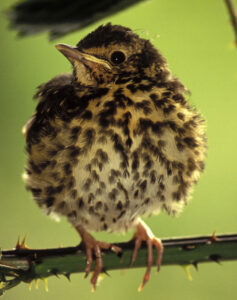
- Baby thrushes have soft, downy feathers that are light brown or gray.
- Their eyes are large and dark, giving them a curious look.
- They have short, stubby beaks that are slightly yellow at the base.
- Their legs and feet are thin but strong enough to grip branches.
- Their bodies are small and round, often appearing fluffy.
Behavioral Traits
- Baby thrushes often stay close to the nest or ground cover.
- They call out frequently with soft, high-pitched chirps for food.
- They stretch their necks and open their mouths wide when hungry.
- These birds flutter their wings weakly as they try to fly.
- They show curiosity but remain cautious around humans and predators.
Credit: irishwildlifematters.ie
Nutritional Needs Of Baby Thrushes
Understanding the nutritional needs of baby thrushes is key to helping them grow strong and healthy. These young birds require a diet rich in specific nutrients to support rapid growth and energy demands. Meeting these needs ensures their survival and sets them up for a successful life in the wild.
Essential Nutrients
Baby thrushes need a balanced mix of proteins, fats, vitamins, and minerals. Protein is crucial for muscle development, so feeding them insects like mealworms or small crickets can be very effective. Fats provide energy, which is vital since baby birds are constantly active and growing.
Calcium and phosphorus are important for strong bones. You can offer crushed eggshells or a calcium supplement to meet this need. Vitamins A and E support their immune system and help with feather growth, so adding finely chopped leafy greens or a small amount of fruit can be beneficial.
Feeding Frequency
Baby thrushes have fast metabolisms and require frequent feedings throughout the day. You should aim to feed them every 20 to 30 minutes during daylight hours. This schedule mimics how parent birds naturally feed their chicks.
As the baby thrush grows, you can gradually space out the feedings. Watch for signs that your bird is full or more independent, such as less eagerness for food or increased activity. Are you prepared to keep a close eye on their behavior to adjust feeding times accordingly?
Suitable Foods For Baby Thrushes
Feeding a baby thrush requires careful choice of foods. Their diet needs to support growth and development. Suitable foods provide essential nutrients and energy. Baby thrushes thrive on a mix of proteins, fruits, and special bird foods.
Insects And Protein Sources
Baby thrushes need protein for strong muscles and feathers. Small insects like mealworms, ants, and flies are perfect. Soft-cooked eggs can also provide good protein. Avoid hard or large insects that may choke the bird.
Fruits And Vegetables
Fresh fruits and vegetables supply vitamins and minerals. Offer mashed berries, apples, and pears in small pieces. Soft vegetables like peas and carrots work well. Remove seeds and skins to prevent choking hazards.
Commercial Bird Food Options
Special bird food mixes can help meet nutritional needs. Look for products made for young songbirds or thrushes. These often contain seeds, pellets, and dried insects. Follow package instructions to prepare food safely.
Feeding Techniques
Feeding a baby thrush bird requires gentle care and patience. Proper feeding techniques ensure the bird stays healthy and grows well. Learning the right methods helps provide the right nutrition safely.
Hand Feeding Methods
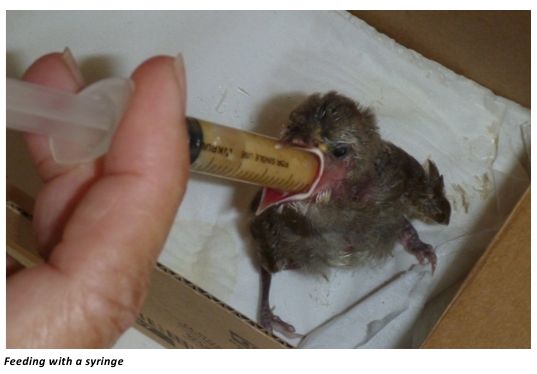
Hold the baby thrush gently in your hand or on a soft cloth. Use your finger or a small spoon to offer food slowly. Feed small amounts at a time to avoid choking. Keep the bird calm and steady during feeding. Watch for signs of fullness or distress.
Using Feeding Tools
Feeding tools like syringes or droppers help deliver food precisely. Choose a small syringe with no needle or a clean dropper. Warm the food to body temperature before feeding. Insert the tool gently into the side of the bird’s mouth. Give food slowly to prevent aspiration.
Creating A Feeding Schedule
Baby thrushes need frequent feeding to stay healthy. Feed every 2 to 3 hours during the day. Reduce feeding times gradually as the bird grows. Keep a log of feeding times and amounts. Consistent timing helps the bird feel secure and nourished.
Common Feeding Mistakes To Avoid
Feeding a baby thrush bird is a delicate task that requires attention and care. Mistakes during feeding can affect the bird’s health and development significantly. Recognizing and avoiding common feeding errors can help you provide the best care for your feathered friend.
Overfeeding And Underfeeding
It’s easy to think more food means better care, but overfeeding a baby thrush can cause serious digestive problems. On the other hand, underfeeding can stunt growth and weaken the bird’s immune system.
Watch for signs of fullness and hunger carefully. You don’t want your thrush to feel uncomfortable or hungry between feedings. How often you feed and the amount you offer should match the bird’s age and size precisely.
Inappropriate Food Choices
Feeding the wrong foods can be harmful or even deadly to a baby thrush. Avoid giving processed human foods, dairy, or anything too hard to swallow. Stick to soft, nutrient-rich options like soaked mealworms, mashed fruits, and specialized bird formula.
Remember, not all seeds or fruits are safe. Some common garden plants can be toxic. Always double-check if a food is safe before introducing it.
Hygiene And Safety Concerns
Feeding a baby bird requires strict hygiene to prevent infections. Use clean, sterilized feeding tools each time and wash your hands thoroughly before handling food or the bird.
Leftover food must be discarded promptly to avoid bacterial growth. Have you ever considered how easily germs can spread through contaminated feeding equipment? Keeping everything clean protects your baby thrush from illness.
Signs Of Healthy Growth
Watching your baby thrush grow is a rewarding experience, but how can you tell if they’re truly thriving? Recognizing the signs of healthy growth helps you adjust their diet and care to fit their needs. Let’s look closely at what physical and behavioral changes you should expect as your thrush develops.
Physical Development Indicators
Healthy feathers are a clear sign of good nutrition and growth. Your baby thrush’s downy feathers should gradually be replaced by smooth, glossy ones. Pay attention to the bird’s weight and size; a steady gain over time shows proper feeding.
Check the bird’s eyes and beak for brightness and cleanliness. Bright, clear eyes indicate good health, while a dull look might mean illness or nutritional issues. The beak should be strong and free of cracks.
- Feather condition: soft and shiny, not ragged
- Steady weight gain appropriate for age
- Clear, alert eyes and intact beak
Have you noticed your thrush’s feathers getting fluffier and more colorful each day? That’s a great sign you’re feeding it well.
Behavioral Milestones
Behavior gives you clues about your thrush’s health too. A lively, responsive bird is usually a healthy one. Watch for increased activity, such as hopping, wing fluttering, and curious head movements.
Listen to the bird’s calls; a variety of chirps and trills shows developing communication skills. If your thrush starts exploring its environment, that’s another positive sign.
- Active movement and curiosity
- Regular vocalization and varied calls
- Social interaction with you or other birds
Are you engaging with your baby thrush daily? Interaction encourages these behavioral milestones and supports healthy growth.
When To Seek Professional Help
Knowing when to seek professional help for a baby thrush bird is crucial. While you might want to care for it yourself, some situations demand expert attention. Recognizing these moments can mean the difference between life and death for the bird.
Health Warning Signs
Watch for signs like lethargy, difficulty breathing, or constant crying. If the bird looks weak or refuses to eat, it needs immediate help.
Injuries such as visible wounds or broken wings are clear signals you should not attempt care alone. Also, if the baby thrush appears dehydrated or has abnormal droppings, it’s time to call a professional.
Ask yourself: Is the bird’s condition improving with your care, or worsening? If it’s the latter, don’t hesitate to get expert support.
Finding A Wildlife Rehabilitator
Locate a licensed wildlife rehabilitator in your area who specializes in birds. These experts have the skills and resources to provide proper nutrition and medical care.
You can search online or contact local animal shelters and veterinary clinics for referrals. Some organizations even offer hotlines to guide you through the process.
Remember, handling a baby thrush without proper knowledge can cause more harm. Getting the bird to a rehabilitator gives it the best chance to survive and thrive.

Credit: www.youtube.com

Credit: www.wmra.org
Frequently Asked Questions
What Is The Best Food For Baby Thrush Birds?
Baby thrush birds thrive on soft, protein-rich foods like mealworms, mashed fruits, and soaked cat food. These provide essential nutrients for growth and energy.
How Often Should You Feed A Baby Thrush Bird?
Feed baby thrush birds every 20 to 30 minutes from sunrise to sunset. Frequent feeding ensures they get enough nutrients for healthy development.
Can I Feed Baby Thrush Birds Bread Or Milk?
Avoid feeding bread or milk to baby thrush birds. Bread lacks nutrition, and milk can upset their digestive system.
When Can Baby Thrush Birds Start Eating Solid Food?
Baby thrush birds begin eating solid food around two weeks old. Start with soft fruits and insects to help them transition smoothly.
Conclusion
Feeding a baby thrush bird requires care and attention. Choose the right food. Soft fruits and insects work well. Fresh water is crucial for their health. Avoid processed or seasoned foods. Monitor the bird’s growth and health regularly. Adjust the diet as they mature.
A balanced diet ensures strong development. Caring for a baby thrush can be rewarding. It helps them grow into healthy adults. Follow these guidelines to nurture them effectively. Stay patient and observant. Your efforts make a big difference. Happy bird nurturing!