
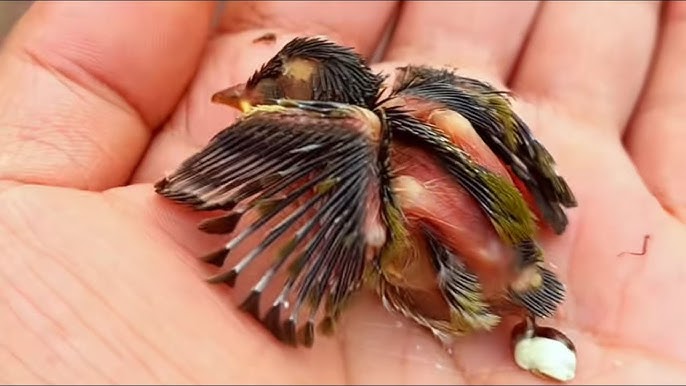
Finding a baby bird just a few weeks old can be both exciting and a little overwhelming. You want to make sure you give your 5-week-old feathered friend the right food to help it grow strong and healthy.
But what exactly should you feed a baby bird at this delicate stage? If you’re wondering how to meet your tiny bird’s needs and keep it thriving, you’re in the right place. Keep reading, and you’ll discover simple, effective tips that will make caring for your young bird easier than you think.
Diet Basics For Baby Birds
Feeding a 5-week-old baby bird requires a careful balance of nutrients. At this stage, young birds grow quickly and need food that supports their development. Their diet must be rich in proteins, vitamins, and minerals to build strong bones and feathers. Proper hydration is also crucial to keep them healthy and active.
Key Nutrients Needed
Proteins are essential for muscle and tissue growth. Offer soft foods like boiled eggs or finely chopped insects. Carbohydrates provide energy; small amounts of cooked rice or oats work well. Fats support brain development and energy storage. Include sources like sunflower seeds or a tiny bit of peanut butter. Vitamins and minerals help strengthen the immune system. Fresh fruits and vegetables, pureed or finely chopped, supply these nutrients.
Hydration Tips
Baby birds need constant access to water. Use a shallow dish to prevent drowning risks. Change water daily to keep it clean and fresh. Mist the baby bird lightly with water to maintain skin and feather health. Avoid sugary drinks or milk, as these can harm their digestive system. Proper hydration aids digestion and prevents health problems.

Credit: www.amazon.com
Safe Foods For 5 Week Old Birds
Feeding a 5 week old baby bird the right foods is crucial for its growth and health. At this stage, the bird is ready to try a variety of safe foods that provide essential nutrients. You want to focus on foods that support strong muscles, healthy feathers, and a robust immune system.
Protein Sources
Protein is vital for your baby bird’s development. You can offer small amounts of finely chopped cooked eggs, which are easy to digest and rich in nutrients.
Soft insects like mealworms or crickets are also excellent choices. They mimic natural food and help build muscle strength.
Remember to avoid any processed meats or seasoned foods. These can harm your bird’s delicate system.
Fruits And Vegetables
Fresh fruits and vegetables provide important vitamins and minerals. Try offering soft, chopped options like peeled apples, bananas, or cooked carrots.
Leafy greens such as spinach or kale can be given in small amounts. They support feather health and provide antioxidants.
Have you noticed how your baby bird reacts to different textures? Offering a variety helps you learn what they enjoy and tolerate best.
Grains And Seeds
Whole grains and seeds add fiber and energy to your baby bird’s diet. Cooked quinoa, oats, or small amounts of millet are great options.
Seeds like sunflower or pumpkin can be introduced, but make sure they are unsalted and given in moderation to avoid choking risks.
Trying a mix of grains can help maintain your bird’s interest in food and prevent picky eating habits.
Feeding Schedule And Portion Sizes
Feeding a 5-week-old baby bird requires careful attention to both timing and quantity. The right feeding schedule and portion sizes ensure your little bird gets the nutrients it needs to grow strong and healthy. Striking the right balance can be tricky, but knowing how often and how much to feed will set you on the right path.
Frequency Of Feeding
At 5 weeks old, baby birds still need frequent meals, but the intervals between feedings start to stretch out. Typically, feeding every 3 to 4 hours during daylight hours works well. This schedule provides steady nutrition without overwhelming their tiny stomachs.
Watch your bird’s behavior—if it seems restless or chirps a lot, it may be hungry sooner than expected. Adjust feeding times based on your bird’s cues rather than sticking strictly to the clock. Have you noticed your bird asking for food at odd times? That’s a clear sign to be flexible.
Amount Per Feeding
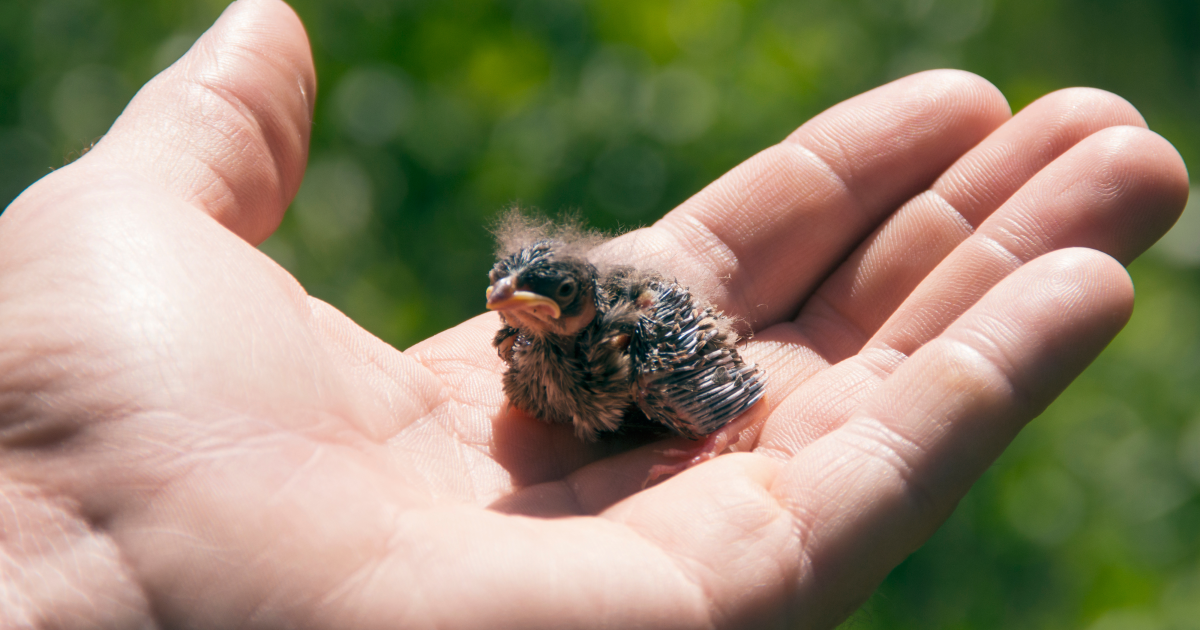
Portion size depends on the bird species and its current weight, but a good rule of thumb is to feed just enough so your baby bird’s crop feels full but not stretched. Overfeeding can cause digestive issues, while underfeeding slows growth.
A practical approach is to offer small spoonfuls—about the size of a pea or slightly larger—and watch the crop. If the crop looks rounded and soft but not hard, you’ve hit the right amount. Keep a simple table handy to track the amount you feed each time and adjust as your bird grows.
| Bird Weight (grams) | Portion Size (ml per feeding) |
|---|---|
| 10-20 | 2-4 |
| 20-30 | 4-6 |
| 30-40 | 6-8 |
Have you tried measuring portions and felt unsure? Using a syringe or small spoon can help control amounts accurately. Keep a close eye on your bird’s crop after feeding—it’s the best natural indicator of whether you’re feeding the right amount.
Credit: pethelpful.com
Avoiding Harmful Foods
Feeding a 5 week old baby bird requires careful attention to avoid harmful foods. Some foods can cause serious health problems or even be deadly. Knowing which foods to skip protects the young bird’s growth and well-being.
Always choose safe, gentle foods. The digestive system of a baby bird is very sensitive. Harmful foods can cause discomfort or illness, slowing development.
Toxic Foods To Skip
- Avoid chocolate, caffeine, and alcohol. These are highly toxic to birds.
- Do not feed avocado. It contains a substance that can harm birds’ hearts.
- Skip onions and garlic. They can damage red blood cells and cause weakness.
- Never offer salty or sugary snacks. These upset the bird’s natural balance.
Foods That Cause Digestive Issues
- Raw beans and potatoes can lead to digestive blockages.
- Do not feed dairy products. Birds lack the enzymes to digest lactose.
- Avoid citrus fruits. They often cause stomach upset and diarrhea.
- Steer clear of spicy or heavily seasoned foods. They irritate the digestive tract.
Feeding Techniques And Tips
Feeding a 5-week-old baby bird requires patience and care. Proper feeding techniques help the bird grow healthy and strong. It is important to handle the bird gently and provide food in the right way. Learning the best feeding methods makes this process easier and safer for the baby bird.
Hand Feeding Methods
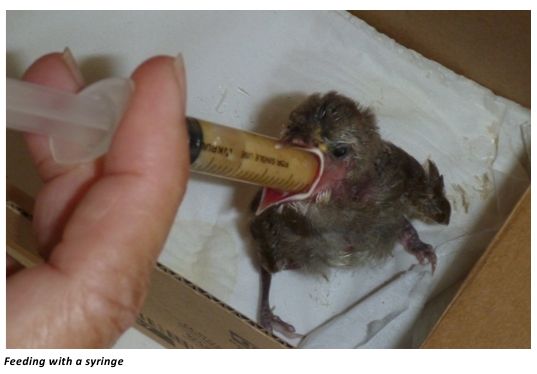
Hand feeding is common for young birds that cannot eat alone. Use a small syringe or dropper to feed the bird. Warm the food to the right temperature, about body heat. Avoid feeding cold or hot food. Gently place the tip near the bird’s beak. Let the bird open its mouth to receive food. Feed slowly to prevent choking. Clean feeding tools after each use to avoid infections. Support the bird’s body while feeding to keep it calm.
Encouraging Self-feeding
At five weeks, baby birds start learning to eat by themselves. Offer soft, small pieces of food nearby. Use shallow dishes that the bird can easily reach. Show the bird how to peck at the food. Be patient and allow the bird to try many times. Gradually reduce hand feeding as the bird becomes more confident. Provide fresh water for drinking. Keep the feeding area clean to prevent illness.
Monitoring Health And Growth
Monitoring the health and growth of a 5 week old baby bird is key to its survival. At this age, proper nutrition directly affects development and energy levels. Watching changes daily helps spot any problems early. This way, you can support the baby bird with the right care and feeding plan. Pay close attention to its behavior, weight, and physical condition.
Signs Of Good Nutrition
- Bright, clear eyes showing alertness
- Steady weight gain according to age
- Active movement and eagerness to eat
- Healthy, clean feathers with smooth texture
- Regular, well-formed droppings
- Strong, consistent vocal sounds
When To Consult A Vet
Seek veterinary help if the baby bird shows these signs:
- Sudden weight loss or failure to gain weight
- Weakness or lack of energy
- Labored breathing or unusual noises
- Swollen eyes or discharge
- Changes in droppings like color or consistency
- Refusal to eat for more than one feeding
Early vet advice can prevent serious health problems. Regular check-ups ensure the baby bird grows strong and healthy.
Credit: besgroup.org
Frequently Asked Questions
What Do 5 Week Old Baby Birds Eat?
At 5 weeks old, baby birds eat soft, protein-rich foods. Offer soaked dog kibble, boiled eggs, and mealworms. Include finely chopped fruits and vegetables for variety and vitamins. Always provide fresh water and feed small portions frequently.
How Often Should I Feed A 5 Week Baby Bird?
Feed a 5 week old baby bird every 3 to 4 hours during daytime. As they grow, reduce feeding frequency gradually. Consistent feeding helps ensure proper growth and development. Avoid overfeeding to prevent digestive issues.
Can I Feed A 5 Week Old Baby Bird Milk?
Avoid feeding milk to baby birds. Birds lack enzymes to digest lactose properly. Milk can cause diarrhea and health problems. Instead, provide water and appropriate bird-safe foods rich in nutrients.
Is It Safe To Feed Wild Baby Birds At 5 Weeks?
Feeding wild baby birds at 5 weeks is risky without expert guidance. Wild birds have specific dietary needs. Contact wildlife rehabilitators for advice or assistance to ensure proper care and survival.
Conclusion
Feeding a 5-week-old baby bird takes care and patience. Choose the right food for its age. Soft foods are easier to digest. Offer small, frequent meals to match its needs. Always provide fresh water. Observe its growth and adjust the diet as needed.
A balanced diet supports healthy development. Consult a vet if unsure about the bird’s diet. Proper nutrition is vital for a strong, happy bird. With the right care, your baby bird will thrive. Enjoy the rewarding journey of raising a healthy bird.