
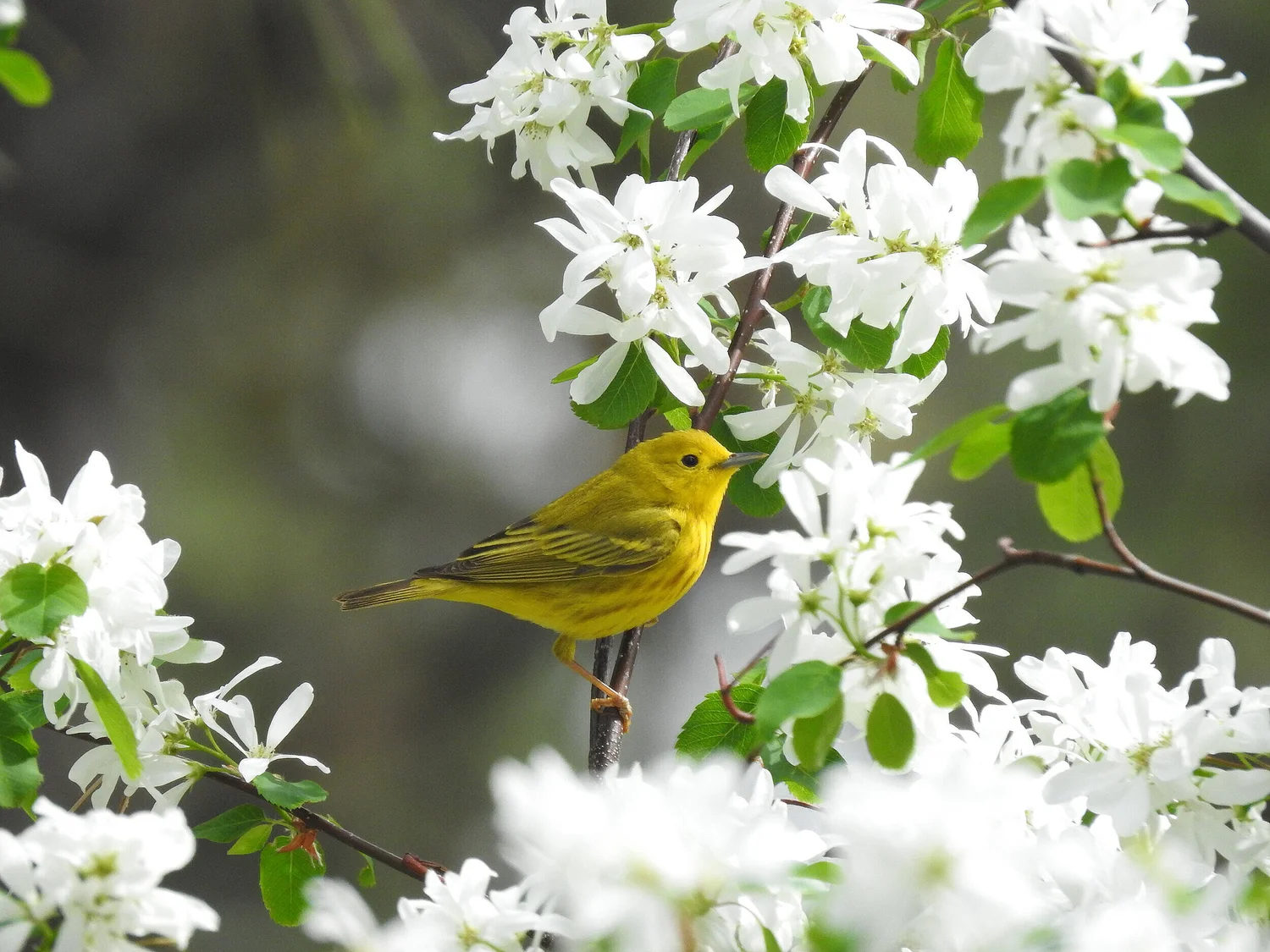
If you love watching birds flutter around your backyard, you probably want to know the best way to keep them coming back. Feeding backyard birds in Spokane isn’t just about tossing out any seeds—it’s about offering the right foods that attract your favorite feathered friends and keep them healthy.
Imagine waking up to the cheerful songs of cardinals, finches, and chickadees every morning. You can make that happen. In this guide, you’ll discover exactly what to feed the birds in your area to create a lively, colorful backyard full of nature’s beauty.
Ready to turn your outdoor space into a bird paradise? Let’s get started.
Credit: www.allaboutbirds.org
Best Seeds For Spokane Birds
Choosing the right seeds can transform your backyard into a lively haven for Spokane’s birds. Different seeds attract different species, making your bird feeding experience more rewarding and colorful. Let’s look at some of the best seeds to add to your feeders to welcome a variety of feathered friends.
Sunflower Seeds
Black oil sunflower seeds are a top favorite among many backyard birds in Spokane. Their high oil content provides excellent energy, especially important during colder months. You’ll notice chickadees, nuthatches, and finches flocking to feeders stocked with these seeds.
One tip from my own experience: use a feeder with a tray or platform to catch dropped seeds, since sunflower shells can be messy. This keeps your yard cleaner and attracts ground-feeding birds like juncos and sparrows.
Nyjer Seeds
Nyjer seeds, also known as thistle seeds, are tiny but pack a punch when it comes to attracting finches. These seeds are perfect if you want to invite goldfinches, pine siskins, or redpolls. Their small size means you’ll need a special feeder with tiny holes to prevent spills.
Consider offering Nyjer seeds in late summer and fall when finches are most actively feeding. Have you noticed how finches gather in large groups around these feeders? It’s a delightful sight that makes the effort worth it.
Millet And Sorghum
White proso millet and sorghum seeds appeal mostly to ground-feeding birds like sparrows, doves, and juncos. These seeds are inexpensive and easy to scatter on the ground or in platform feeders. They help diversify the birds visiting your yard beyond the usual feeder crowd.
If you want to attract a broader range of species, try mixing millet and sorghum with sunflower seeds. This combo invites both ground and tree-feeding birds, increasing the activity and variety you’ll enjoy right outside your window.
Fruits And Nuts To Attract Birds
Fruits and nuts offer a natural and nutritious way to attract a variety of backyard birds in Spokane. These foods provide essential energy and nutrients that many birds seek, especially during colder months or breeding seasons. Adding these to your bird feeding routine can bring vibrant colors and lively activity to your outdoor space.
Fresh Berries
Birds love fresh berries because they are packed with vitamins and water. You can offer blueberries, raspberries, or blackberries right from your garden or local markets. Placing berries on a platform feeder or nestled in shrubbery mimics natural foraging and encourages species like robins and waxwings to visit.
Have you noticed how quickly birds find a new food source? Berries are often a favorite, so try rotating different types to keep your feathered friends interested.
Chopped Apples And Pears
Chopped apples and pears are excellent choices for attracting a variety of songbirds. Cut the fruit into small, manageable pieces to prevent choking and make it easier for smaller birds to eat. Avoid fruit with seeds, as some can be harmful to birds.
Scatter the chopped fruit on a tray feeder or mix it into your existing seed mix. You might be surprised how cardinals and blue jays flock to these sweet treats.
Shelled Peanuts
Shelled peanuts are a high-protein snack that many birds, including woodpeckers and chickadees, find irresistible. Make sure to offer unsalted and unseasoned peanuts to keep your bird visitors healthy. Use a peanut feeder or simply place them on a sturdy platform.
One winter, I watched a group of chickadees quickly discover a handful of shelled peanuts I put out. Their energetic pecking showed just how valuable this food can be during harsh weather.
Homemade Bird Feed Recipes
Feeding backyard birds in Spokane with homemade recipes lets you control the ingredients and attract a variety of feathered friends. These recipes are not only cost-effective but also customize the diet to meet local bird preferences. You might be surprised how quickly word spreads among the birds about your tasty offerings!
Suet Cakes
Suet cakes are a favorite for many birds, especially woodpeckers and nuthatches. You can make your own by mixing rendered beef fat or vegetable shortening with bird-friendly ingredients.
- Start with 1 cup of melted suet or shortening.
- Add 1 cup of peanut butter for protein and flavor.
- Mix in 2 cups of birdseed, like sunflower seeds or millet.
- Include small bits of dried fruit or nuts to attract more species.
Pour the mixture into molds or an old container and let it harden in the fridge. Once set, place the cakes in a suet feeder or hang them in mesh bags. You’ll soon notice a variety of birds visiting, especially during Spokane’s colder months.
Fruit And Seed Mixes
Creating a fruit and seed mix is a simple way to offer fresh and nutritious food. Birds like robins, thrushes, and jays love these mixes, which can supplement their natural diet.
- Combine dried fruits such as raisins, cranberries, or chopped apples.
- Add a mix of seeds including sunflower seeds, safflower seeds, and cracked corn.
- Optionally, toss in some chopped nuts for extra energy.
Scatter the mix on a flat surface or shallow tray feeder to attract ground-feeding birds. Have you noticed how different birds prefer different textures and flavors? Experiment with the mix to see what your local birds enjoy the most.
Seasonal Feeding Tips
Feeding backyard birds changes with the seasons in Spokane. Each season brings different needs and food preferences for birds. Knowing what to offer helps keep birds healthy and active year-round. Seasonal feeding also supports birds during tough weather and breeding times.
Winter Feeding
Winter in Spokane is cold and snowy. Birds need extra energy to stay warm. Offer high-fat seeds like black oil sunflower and peanuts. Suet cakes provide essential fat and protein. Keep water fresh and unfrozen. Place feeders near sheltered spots to protect birds from wind.
Spring And Summer Options
Spring and summer bring many insects and fresh plants. Birds eat more protein for raising chicks. Offer mealworms or crickets for extra protein. Fresh fruits like berries attract more species. Avoid feeding large amounts of seeds, as natural food is available. Clean feeders often to prevent mold and disease.
Fall Preparations
Fall is a time for birds to build fat reserves. Provide a mix of seeds and nuts to help them prepare for winter. Offer sunflower seeds, safflower seeds, and cracked corn. Leave some native plants to produce seeds naturally. Gradually reduce feeding as natural food returns.
Safe Feeding Practices
Feeding backyard birds in Spokane can be a joyful way to connect with nature, but it comes with responsibilities. Safe feeding practices protect the health of your feathered visitors and ensure they keep coming back. Knowing what to avoid and how to maintain your feeding stations makes a big difference in creating a bird-friendly environment.
Avoiding Harmful Foods
Not all foods are safe for backyard birds. Avoid feeding them bread, as it offers little nutritional value and can cause digestive problems. Also, stay away from salty, sugary, or processed snacks that may harm their health.
Some seeds, like raw kidney beans, are toxic to birds. Instead, choose bird-friendly options like sunflower seeds, millet, and cracked corn. Have you ever noticed birds turning their beaks up at certain foods? This might be why!
Clean Feeding Stations
Keeping your feeders clean is essential. Dirty feeders can spread diseases among birds quickly. Wash your feeding stations every two weeks with warm water and mild soap, then rinse thoroughly.
Use a brush to scrub off any mold or old seed debris. Have you checked your feeders lately? Clean ones invite more birds and keep them safe.
Preventing Mold And Spoilage
Moldy seeds can be deadly for birds. Always store bird food in a dry, cool place to prevent moisture buildup. Avoid overfilling feeders, which can cause seeds to stay damp and spoil.
Discard any wet or clumped seeds immediately. Think about how often you refresh your bird food—could you do it more often to keep your birds healthier?

Credit: www.allaboutbirds.org
Choosing The Right Feeders
Choosing the right feeders is key to attracting backyard birds in Spokane. Different feeders suit different types of birds and seed. Selecting feeders that match your local birds’ habits helps keep them coming back.
Feeders also affect how clean and easy feeding time will be. Some feeders protect seeds from weather and squirrels better than others. Others offer an open spot for birds to perch and eat.
Below are common feeder types and why they work well for backyard birds.
Tube Feeders
Tube feeders are long and narrow with small feeding ports. They hold seeds like sunflower or mixed seed. Many small songbirds like finches and chickadees use tube feeders.
These feeders keep seeds dry and discourage larger birds and squirrels. They hang well from trees or poles. Easy to clean and refill, tube feeders are popular in Spokane yards.
Platform Feeders
Platform feeders are flat and open, usually with a roof for some cover. They hold many seed types and also fruit or mealworms. These feeders attract a wide variety of birds.
Birds like jays, doves, and sparrows enjoy platform feeders. They offer space for birds to land and eat comfortably. Place them in open areas for best bird views.
Suet Feeders
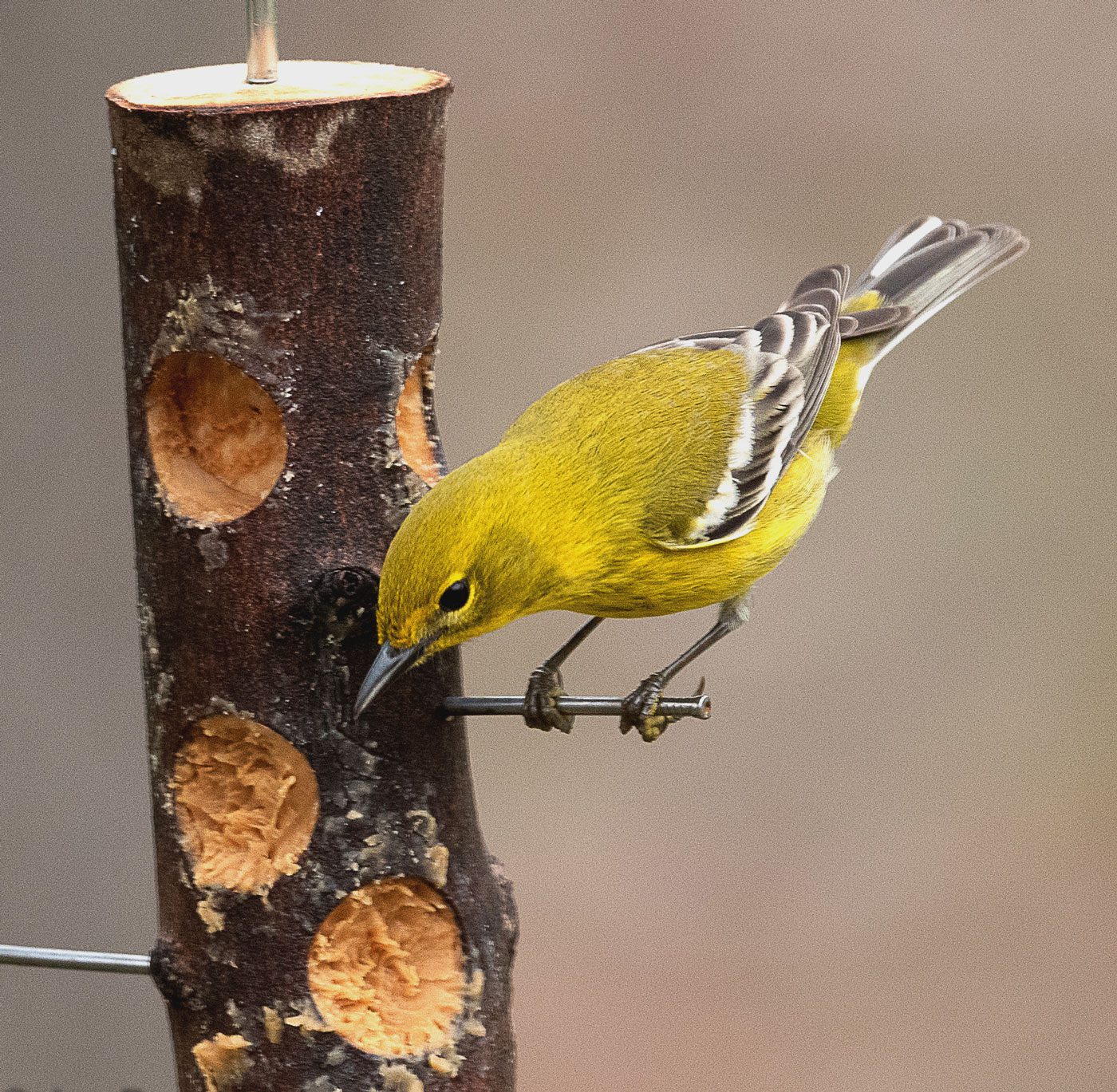
Suet feeders hold blocks of fat mixed with seeds or insects. Woodpeckers, nuthatches, and wrens love suet. It gives birds energy, especially in cold weather.
These feeders usually hang from branches or poles. Wire cages protect the suet and keep it in place. Suet feeders add variety to your bird feeding options.
Common Backyard Birds In Spokane
Spokane’s backyards host a variety of bird species. These birds bring life and color to local gardens. Feeding them can attract many feathered friends. Knowing common species helps choose the right food. This guide covers popular backyard birds and their preferences.
Finches And Sparrows
Finches and sparrows are small, lively birds. They enjoy seeds like millet, sunflower, and nyjer. These birds often gather in flocks. They prefer ground feeders or small tube feeders. Providing fresh water encourages their visits.
Woodpeckers And Nuthatches
Woodpeckers and nuthatches have strong beaks. They love suet, nuts, and sunflower seeds. Hanging suet feeders attract woodpeckers well. Nuthatches often cling to tree trunks and feeders. These birds appreciate a mix of seeds and insects.
Jays And Chickadees
Jays and chickadees are curious and bold. Jays like peanuts, corn, and sunflower seeds. Chickadees prefer sunflower seeds and suet. Both birds enjoy feeders with perches. They often visit in pairs or small groups.

Credit: www.allaboutbirds.org
Water Sources For Birds
Providing clean, fresh water is just as important as food for backyard birds in Spokane. Birds need water to drink, bathe, and keep their feathers in good condition. Adding a water source to your yard can attract more birds and keep them coming back throughout the year.
Bird Baths
Bird baths are a simple and effective way to offer water to birds. Choose a shallow basin with a rough surface so birds can easily perch and avoid slipping. Keep the water fresh by changing it every day or two, especially in hot weather.
Placement matters. Put your bird bath near shrubs or trees to give birds a quick escape if they feel threatened. A clean bird bath can turn your yard into a popular spot for a wide variety of birds, from finches to robins.
Drippers And Misters
Drippers and misters provide moving water, which birds find very attractive. The sound of dripping or misting water mimics natural streams or rain, encouraging birds to visit more often. These devices also help keep water cooler during Spokane’s warm months.
You can attach drippers to your bird bath or set up a mister nearby. If you’ve ever watched a bird hesitate before drinking from still water, you’ll notice how quickly they respond to moving water. It’s a small change that makes a big difference in attracting thirsty feathered friends.
Frequently Asked Questions
What Types Of Seeds Attract Spokane Backyard Birds?
Black oil sunflower seeds are highly attractive to most Spokane birds. Nyjer seeds appeal to finches. Mixed seed blends also work well. These seeds provide essential nutrients and energy for local bird species in Spokane.
How Often Should I Refill Bird Feeders In Spokane?
Refill your bird feeders every 2 to 3 days. Frequent refilling ensures fresh food availability. It helps maintain a consistent food source, especially during colder months when natural food is scarce.
Are Suet Feeders Good For Spokane Birds?
Yes, suet feeders are excellent for Spokane birds. Suet provides high-energy fat, vital for birds in cold weather. Woodpeckers, nuthatches, and chickadees particularly enjoy suet.
Can I Feed Bread To Backyard Birds In Spokane?
Avoid feeding bread to birds. Bread lacks nutrition and can harm birds’ health. Instead, offer seeds, nuts, or fruits that provide better energy and nutrients.
Conclusion
Feeding backyard birds in Spokane is simple and rewarding. Choose seeds that attract local species. Sunflower seeds, millet, and cracked corn work well. Keep feeders clean to prevent disease. Offer fresh water for drinking and bathing. Birds will visit more often with these essentials.
Enjoy watching their colorful visits. Nature’s beauty can be right in your backyard. Make a habit of refilling feeders regularly. This ensures a steady stream of feathered friends. With these tips, your garden becomes a bird haven. A peaceful sanctuary for you and the birds.