
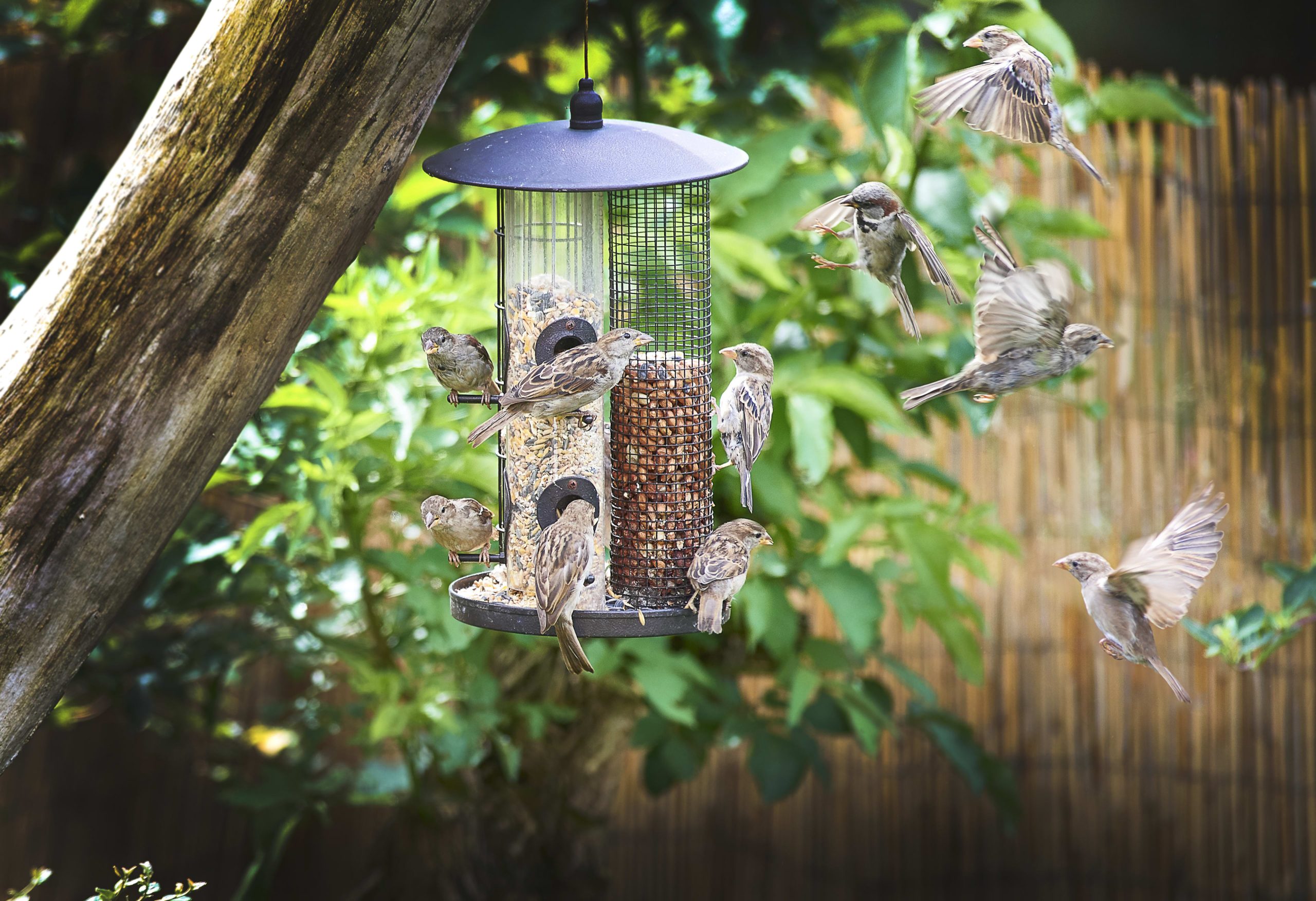
Have you ever filled your bird feeder, only to find it empty of visitors day after day? It’s frustrating when you expect a lively crowd of birds, but none show up.
You might wonder what’s wrong or if you did something wrong. Understanding why no birds are coming to your feeder can help you fix the problem quickly. You’ll discover simple reasons behind the silence and easy steps to attract birds back to your yard.
Keep reading, and soon your feeder will be bustling with feathered friends.
Common Reasons Birds Avoid Feeders
Birds may skip your feeder for several clear reasons. Understanding these common issues helps create a welcoming spot. Simple changes can make your feeder a favorite for birds nearby.
Location Issues
Birds prefer quiet, safe spots to feed. Feeders too close to windows can scare them away. Avoid placing feeders near busy paths or noisy areas. Trees or bushes nearby offer shelter and protection. A good location feels safe and calm to birds.
Feeder Design Problems
Not all feeders attract all birds. Some birds like open trays, others prefer tube feeders. Sharp edges or unstable feeders can frighten birds. Clean feeders prevent mold and disease. Choose designs easy to access and clean.
Food Quality And Type
Birds avoid stale or spoiled seeds. Offer fresh, high-quality food for best results. Different birds like different seeds and nuts. Sunflower seeds attract many species. Avoid mixes with fillers that birds discard.
Presence Of Predators
Nearby cats, hawks, or squirrels scare birds away. Watch for signs of predators close to your feeder. Move feeders if predators visit often. Safe feeders help birds feel secure and return often.
Weather And Seasonal Changes
Bird activity changes with seasons. Cold or very hot weather reduces feeder visits. Birds find natural food in spring and summer. Offer feeders more in winter when food is scarce. Weather affects bird habits and feeding times.
Improving Feeder Location
Improving the location of your bird feeder can make a big difference. Birds are picky about where they eat. A good spot feels safe and comfortable for them. Changing the feeder’s place may attract more birds quickly.
Choosing The Right Spot
Pick a location where birds can see the feeder clearly. It should be away from busy roads and noisy places. Open areas near trees or bushes work well. Birds like to have a clear view to watch for predators.
Avoiding High Traffic Areas
Keep the feeder far from places where people or pets move a lot. Birds get scared by constant noise and movement. Too much activity near the feeder stops them from coming. Find a quiet corner of your yard or garden.
Providing Nearby Shelter
Place the feeder close to some trees or shrubs. Birds need shelter to hide if danger appears. Leaves and branches give them a safe place to rest. Sheltered spots also protect birds from harsh weather.
Selecting Bird-friendly Feeders
Selecting the right bird feeder is key to inviting birds to your yard. The feeder must suit the types of birds you want to attract. It should also be easy for birds to use and safe from pests. Choosing a bird-friendly feeder encourages frequent visits and helps birds feed comfortably. Proper feeders also reduce waste and mess around your feeding area.
Types Of Feeders That Attract Birds
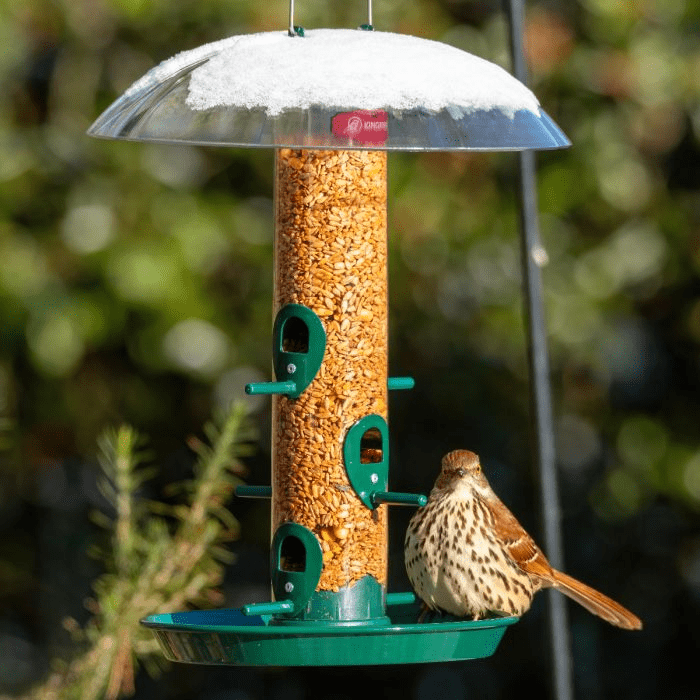
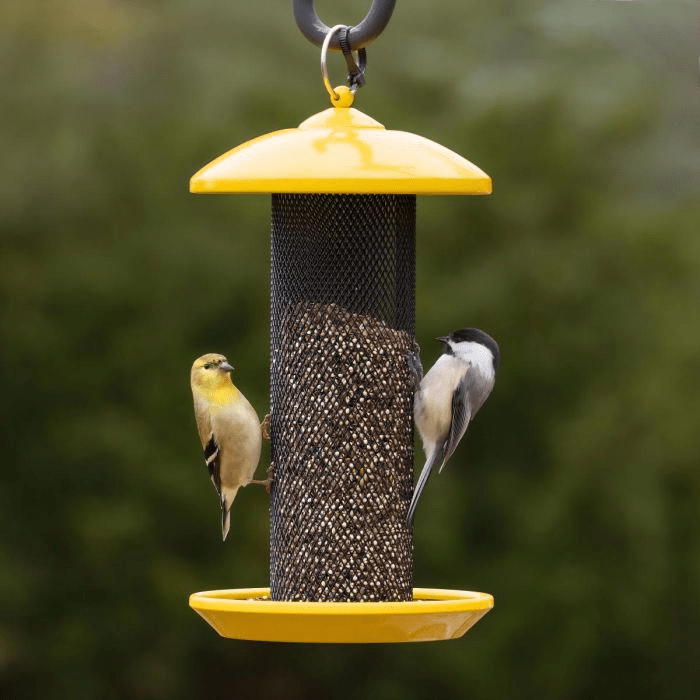
Different birds prefer different feeders. Tube feeders work well for small songbirds like finches. Platform feeders attract larger birds such as cardinals and jays. Suet feeders bring woodpeckers and nuthatches close. Hopper feeders hold more seeds and suit many bird types. Offer a mix of feeders to welcome a variety of birds.
Maintaining Cleanliness
Clean feeders keep birds healthy and willing to visit. Remove old or moldy seeds regularly. Wash feeders with warm soapy water every two weeks. Dry thoroughly before refilling. Clean areas under feeders to avoid disease. A clean feeder looks inviting and supports bird health.
Preventing Squirrel And Pest Access
Squirrels and pests scare away birds and waste food. Use squirrel baffles on poles to block their climb. Choose feeders with weight-sensitive perches that close for heavy animals. Place feeders away from trees and fences to limit access. Regularly check for pest damage. Protecting feeders keeps birds safe and food available.

Credit: www.cbc.ca
Choosing The Best Bird Food
Choosing the right bird food can make all the difference when you notice no birds visiting your feeder. Birds have specific tastes and dietary needs that influence their feeding habits. Understanding these preferences helps you attract a variety of feathered friends to your backyard.
Popular Seeds And Mixes
Sunflower seeds, especially black oil sunflower, are a top favorite among many bird species. They are high in fat and easy to crack open, making them a reliable choice for attracting birds like chickadees and cardinals.
Millet and cracked corn are common in many commercial seed mixes. While millet appeals to smaller ground-feeding birds such as sparrows and doves, cracked corn attracts larger birds like jays and pigeons.
Mixes that contain filler seeds like red millet or oats often go uneaten and can discourage birds from returning. You might want to opt for high-quality blends that minimize fillers and focus on seeds birds actually prefer.
Food Preferences By Bird Species
Different birds prefer different types of food. For example, finches tend to enjoy nyjer seeds, while woodpeckers are more drawn to suet and peanuts.
If you notice no birds at your feeder, think about which species you want to attract and tailor your offerings accordingly. Offering peanuts in the shell can invite woodpeckers, while a tray of fruit might bring orioles.
Have you ever considered that your feeder’s food might simply not match the birds in your area? Adjusting your choices based on local species can increase your chances of visits.
Avoiding Moldy Or Spoiled Food
Birds are very sensitive to the freshness of their food. Moldy or spoiled seeds can deter them quickly and may even harm their health.
Check your feeders regularly for dampness or clumps of seeds that look discolored. Cleaning your feeders and replacing old seeds promptly ensures a safe and inviting feeding spot.
Remember, fresh food not only attracts more birds but also helps keep them healthy. How often do you inspect your bird feeder’s contents?
Minimizing Threats From Predators
Birds avoid feeders when they feel unsafe. Predators nearby create stress and fear. Minimizing threats from predators helps birds visit often. Safe spaces invite birds to feed and rest. Protecting feeders from predators is key to attracting birds.
Deterring Cats And Other Predators
Cats are common threats to birds at feeders. They stalk quietly and strike fast. Use barriers to keep cats away:
- Place feeders on poles with baffles
- Trim nearby shrubs to reduce hiding spots
- Avoid placing feeders near places cats can jump from
Other predators like squirrels and raccoons also scare birds. Use squirrel-proof feeders and secure food storage. Motion-activated lights or sprinklers can startle predators safely.
Safe Feeder Placement Tips
Placement matters for bird safety. Keep feeders at least 10 feet from trees and bushes. This distance limits predators’ ability to ambush birds. Avoid placing feeders near fences or low branches.
Choose open areas with clear sightlines. Birds spot danger early and escape quickly. Hanging feeders high and away from walls reduces predator access.
Credit: www.kingsyard.com
Adapting To Seasonal And Weather Changes
Bird activity at your feeder can shift dramatically with the seasons and changing weather. Birds respond quickly to these environmental cues, which means your feeding approach needs to adjust too. Understanding how to adapt can keep your feeder inviting all year round.
Feeding During Winter
Winter is tough for birds. Natural food sources become scarce, so your feeder can be a vital lifeline. Offering high-energy foods like sunflower seeds, suet, and peanuts helps birds maintain their body heat.
Also, keep your feeder clean and stocked regularly. I once noticed a sudden drop in visits until I realized the feeder was icy and empty for a day. Birds need consistent access, especially in freezing temperatures.
Adjusting For Migration Periods
Migration periods can leave your feeder unexpectedly quiet. Many birds are traveling to warmer areas and may skip your feeder altogether. However, some species stop for fuel during these journeys.
Try offering a variety of seeds and fruits that appeal to both residents and migrants. Adding water sources can also attract tired travelers. Have you observed different bird species appearing briefly during spring or fall? That’s migration in action.
Protecting Feeders From Harsh Weather
Strong winds, rain, and snow can keep birds away if your feeder isn’t sheltered. Position your feeder near natural windbreaks like bushes or trees to provide cover. Installing a weather guard or roof can also help keep food dry and accessible.
Don’t underestimate the power of simple protection. I once placed a feeder in an open area and saw fewer visitors during storms. Moving it closer to a sturdy hedge changed everything. How can you improve your feeder’s location to shield it better?
Additional Tips To Attract Birds
If your bird feeder feels more like a lonely outpost than a bustling bird hub, don’t lose hope. Sometimes, just adding food isn’t enough to draw birds in. You can create a more inviting space by adding a few thoughtful touches that meet their basic needs beyond just snacks.
Adding Water Sources
Birds need water for drinking and bathing, and a small birdbath can make your yard irresistible. Even a shallow dish filled with fresh water can attract different bird species. Change the water regularly to keep it clean and safe for your feathered visitors.
I once placed a small fountain near my feeder, and within days, I noticed more birds lingering longer. The sound of flowing water seems to catch their attention and offers a safe spot to refresh.
Using Natural Landscaping
Adding plants that provide natural food and shelter can make a big difference. Native shrubs, berry bushes, and flowering plants offer seeds, berries, and insects for birds to feed on. Plus, they provide cover from predators and harsh weather.
Consider planting a mix of evergreens and deciduous plants to offer year-round protection. Do you have space for a small thicket or hedgerow? These spots become essential hideouts and resting places for birds.
Creating A Bird-friendly Environment
Think about the whole habitat, not just the feeder. Avoid using pesticides that harm insects birds rely on, and leave some leaf litter for ground-feeders. Adding nesting boxes or leaving dead trees standing can encourage birds to settle nearby.
Have you noticed how birds prefer areas where they feel safe? You can help by placing feeders near natural cover but not too close to windows to prevent collisions. Small changes like these can make your yard a reliable bird sanctuary.
Credit: www.kingsyard.com
Frequently Asked Questions
Why Are No Birds Visiting My Feeder?
No birds may visit due to poor feeder placement, lack of food variety, or presence of predators. Clean feeders and fresh food attract birds.
How Does Feeder Location Affect Bird Visits?
Feeder placement matters; noisy or exposed spots deter birds. Place feeders near shrubs or trees for safety and shelter.
Can Feeder Cleanliness Impact Bird Attraction?
Yes, dirty feeders can spread diseases and repel birds. Clean feeders weekly with mild soap and water to keep birds safe.
What Types Of Food Attract More Birds?
Different birds prefer different seeds like sunflower, millet, or nyjer. Offering a variety increases chances of attracting many species.
Conclusion
Birds avoiding your feeder can be puzzling. Simple fixes can help. Ensure fresh, quality seed. Check feeder placement for safety and visibility. Clean feeders regularly to prevent disease. Consider adding a water source nearby. Plant bird-friendly shrubs or trees for shelter.
Patience is key. Birds may take time to visit. Observe and adjust based on their needs. Small changes can make a big difference. Soon, your feeder will be a lively hub. Enjoy the beauty and sounds of nature at home.
Keep trying, and happy birdwatching!