
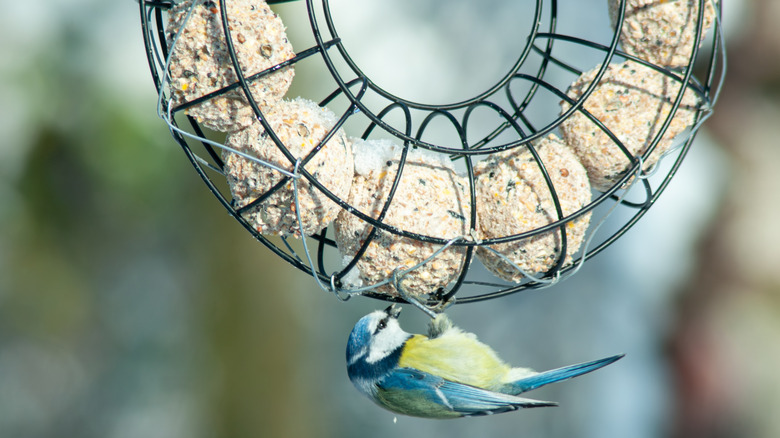
Are you feeling frustrated because your suet feeder sits empty, with no birds in sight? You’re not alone.
Many bird lovers wonder why their feeders aren’t attracting the lively visitors they expect. The good news is, there are simple reasons behind this, and even easier fixes you can try. By understanding what’s stopping birds from coming, you can turn your feeder into a buzzing hotspot in no time.
Keep reading to discover the key tips that will bring feathered friends straight to your yard.

Credit: www.reddit.com
Common Reasons Birds Avoid Suet Feeders
Not seeing birds at your suet feeder can be frustrating, especially when you’re eager to enjoy their lively visits. Understanding why birds avoid suet feeders can help you adjust your setup and attract more feathered friends. Let’s look at some common reasons that might be keeping birds away from your suet feeder.
Location Issues
Birds are picky about where they feed. If your suet feeder is too close to noisy areas like busy streets or playgrounds, birds may feel unsafe. They prefer quiet spots where they can watch for predators while eating.
Think about your yard’s natural bird traffic. Are there trees or shrubs nearby that birds use for cover? If not, try moving the feeder closer to these natural shelters. Birds like to feel protected before they commit to a meal.
Feeder Placement
How high is your feeder? Placement matters a lot. If it’s too low, cats and other animals can reach it easily, scaring birds away. Too high, and it might be hard for smaller birds to find or access.
Try hanging your feeder about 5 to 6 feet off the ground. Also, place it where it’s visible from a distance so birds can spot it early. Avoid spots with strong winds or direct afternoon sun, which can make suet melt or spoil quickly.
Predator Presence
Birds are constantly on the lookout for danger. If your feeder is near places where predators like cats, hawks, or squirrels lurk, birds will avoid it. Even the presence of neighborhood cats lounging nearby can make birds nervous.
Try to keep the area around your feeder clear of hiding spots for predators. You might also consider installing baffles or placing the feeder on a pole with a guard to keep unwanted visitors away. Are you unintentionally inviting predators to your feeder area?
Weather Conditions
Weather can affect bird feeding behavior more than you might think. During very hot weather, suet can melt and become less appealing. In cold weather, birds need more energy, so suet feeders can be a great food source—if the suet stays solid and fresh.
Check your suet regularly and replace it if it becomes soft or rancid. On rainy or extremely windy days, birds may simply avoid feeding to conserve energy. Have you noticed a pattern between bad weather days and fewer bird visits?
Credit: www.wildbirdsuets.com
Suet Quality And Type
Suet quality and type play a crucial role in attracting birds to your feeder. Birds are picky about what they eat, and the right suet can make all the difference. Understanding what keeps suet appealing to birds can help you get your feeder buzzing with activity.
Freshness Matters
Fresh suet is key to attracting birds. Old or rancid suet develops a smell that birds avoid. Check the expiration date and store suet in a cool, dry place to keep it fresh longer.
Have you noticed birds ignoring your feeder after a few days? It could be because the suet lost its appeal. Try replacing it regularly, especially in warmer weather when suet can spoil faster.
Choosing The Right Suet
Not all suet is created equal. Some suet mixes contain seeds, nuts, or dried fruit, which can attract different bird species. If you want a variety of birds, consider offering multiple types of suet.
Think about what birds are common in your area and what they prefer. For example, woodpeckers love suet with peanut butter, while chickadees might prefer simpler, plain suet cakes.
Seasonal Preferences
Birds’ suet preferences change with the seasons. In colder months, high-fat suet provides essential energy. During warmer seasons, birds may prefer suet with more seeds or fruit to match their diet.
Try switching suet types as the seasons change. Offering a variety tailored to seasonal needs can keep birds visiting your feeder throughout the year.
Feeder Maintenance Tips
Keeping your suet feeder clean and in good shape is key to attracting birds. Birds avoid dirty or damaged feeders. A well-maintained feeder is inviting and safe for them. Simple care steps can make a big difference. Here are some tips to keep your feeder in top condition.
Cleaning Frequency
Clean your suet feeder every two weeks. More often in warm weather to stop bacteria growth. Use hot water and mild soap to wash it. Rinse well to remove all soap. Dry completely before refilling with suet. This keeps birds healthy and happy.
Preventing Mold And Spoilage
Mold and spoilage scare birds away. Keep suet fresh by storing it in a cool place. Check suet daily for signs of mold or smell changes. Remove old suet before adding new. Use feeders with good ventilation to reduce moisture buildup. This helps suet stay safe longer.
Repairing Damages
Check your feeder for cracks or broken parts. Damaged feeders can trap or hurt birds. Fix small cracks with waterproof glue. Replace missing parts quickly to keep feeder stable. A sturdy feeder feels safe to birds and lasts longer.
Attracting Birds To Your Feeder
Attracting birds to your suet feeder requires more than just hanging it outside. Birds seek food, safety, and water. Providing these elements increases your chances of visits. Small changes can make your feeder a popular spot for birds.
Adding Variety To Food Offerings
Different birds prefer different foods. Offer suet cakes with nuts, seeds, or fruit bits. Mix in sunflower seeds, peanuts, or millet nearby. Rotate food types to keep birds interested. Variety encourages more species to visit your feeder.
Using Natural Cover
Birds feel safer near trees and shrubs. Place your feeder close to natural cover. Bushes and branches provide shelter from predators. Avoid open spaces where birds feel exposed. Safe spots help birds relax and return often.
Providing Water Sources
Birds need water for drinking and bathing. Add a birdbath or shallow dish near your feeder. Keep water clean and fresh every day. Moving water, like a dripper or fountain, draws attention. Water increases the attractiveness of your feeding area.
Timing And Patience
Timing and patience play a crucial role in attracting birds to your suet feeder. You might be tempted to expect an instant gathering of feathered friends, but birds follow natural rhythms that don’t always align with our schedules. Understanding these patterns can help you stay patient and keep your feeder stocked at the right moments.
Bird Activity Patterns
Birds are most active during the early morning and late afternoon. If you check your feeder only midday, you might miss their peak feeding times. Try observing your feeder at dawn or dusk to see if birds are visiting then.
Also, some bird species prefer feeding in the shade or during cooler parts of the day. Adjust your expectations based on what types of birds live in your area and their habits.
Seasonal Migration Effects
Bird populations shift with the seasons. During migration periods, your feeder may see fewer visitors as birds pass through or head to different climates. Don’t be discouraged if your feeder is empty for a while; it might just be a seasonal lull.
Keeping your feeder ready and stocked during these times means you’ll be ready when regular visitors return. Think about the species you want to attract and research their migration schedules to time your feeder usage effectively.
Waiting For Regular Visitors
It can take days or even weeks for local birds to discover a new feeder. I once set up a suet feeder and saw no activity for nearly ten days. Then, suddenly, a small group of woodpeckers appeared regularly.
Patience is key here. Keep your feeder clean, fresh, and in a visible spot. Over time, word seems to spread among the local bird community, and your feeder will become a popular stop.
Credit: www.wildbirdsuets.com
Frequently Asked Questions
Why Aren’t Birds Attracted To My Suet Feeder?
Birds may avoid your suet feeder due to location, type of suet, or feeder cleanliness. Ensure it is placed in a quiet, safe spot, use fresh suet, and clean the feeder regularly to attract more birds.
What Suet Types Do Birds Prefer Most?
Birds favor suet with natural ingredients like seeds, nuts, and fruits. Avoid suet with artificial additives or excessive salt. Using high-quality suet increases bird visits and supports their energy needs, especially in colder months.
How Does Feeder Placement Affect Bird Visits?
Placing your suet feeder near trees or shrubs offers birds shelter and safety. Avoid open, windy, or noisy spots. Proper placement encourages birds to feel secure, increasing their likelihood to visit and feed.
Can Weather Impact Bird Feeding At Suet Feeders?
Yes, extreme heat can melt suet, and cold weather increases bird visits. Birds need high-energy food in winter. Adjust feeding times and types of suet seasonally to maintain bird interest.
Conclusion
Birds love suet but sometimes avoid feeders. Check your suet’s freshness. Ensure the feeder is clean. Position matters; place it in a safe spot. Provide water nearby for birds. Different birds prefer different suet flavors. Experiment with various types. Be patient; birds take time to adapt.
Use squirrel-proof feeders to keep pests away. Check regularly for any issues. Enjoy watching birds visit and feed. Their presence brings joy and life. Keep your feeder inviting and welcoming. Your backyard can become a bird haven. Observe, learn, and adjust for success.
Happy birdwatching!