
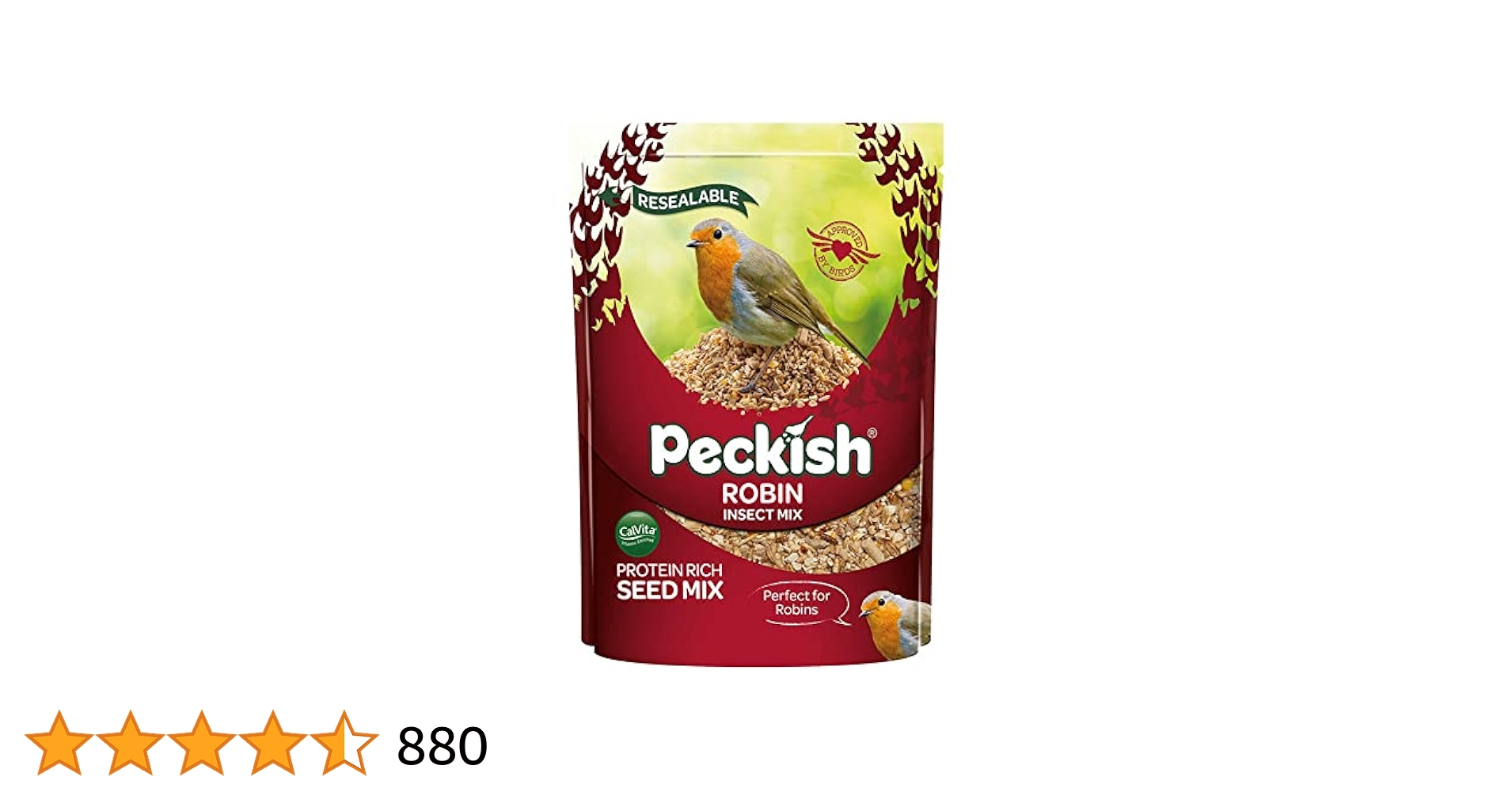
If you love watching robins visit your garden, you probably want to know the best bird feed to attract them. Choosing the right food can make a big difference in how often these beautiful birds come around.
But what exactly do robins eat? And how can you make your yard the perfect spot for them? You’ll discover simple, effective ways to feed robins that will keep them coming back again and again. Keep reading to learn the secrets to welcoming these charming birds to your outdoor space.

Credit: www.livingwithbirds.com
Robins’ Diet Basics
Robins have a unique diet that changes through the year. Understanding their food basics helps you choose the right bird feed. Robins eat a mix of insects, fruits, and seeds. Their diet supports their energy needs and health.
Natural Food Preferences
Robins love insects and worms. These provide protein and nutrients. They often hunt on the ground, pulling earthworms from soil. Beetles, caterpillars, and spiders are common favorites.
Fruits and berries are also important. They eat berries like holly, elder, and blackberries. These give energy and vitamins. Seeds are less common but still eaten, especially in winter.
Seasonal Feeding Habits
In spring and summer, robins focus on insects and worms. These foods help them build strength for nesting and raising chicks. During autumn and winter, insects become scarce.
Robins shift to eating more fruits and berries in cold months. This helps them survive when insects hide underground. Providing fresh berries or soft fruits can attract robins in winter.
Best Seeds For Robins
Robins enjoy a variety of seeds that provide essential nutrients and energy. Choosing the right seeds helps attract these birds to your garden. Seeds must be easy to eat and digest for robins to benefit from them.
Seeds high in fat and protein support robins, especially during colder months. Fresh, clean seeds increase the chances of robins visiting your feeders regularly. Below are some of the best seeds to offer robins for a healthy diet.
Sunflower Seeds
Sunflower seeds are a favorite among robins. They offer a rich source of fat and protein. Robins can easily crack open the shells to get the seed inside.
- Black oil sunflower seeds are best. They have thinner shells and more nutrition.
- These seeds attract many other songbirds too.
- Place them in a platform feeder or on the ground.
Millet And Cracked Corn
Millet and cracked corn suit robins well. These seeds are small and easy to eat. They provide carbohydrates and energy for active birds.
- White proso millet is preferred by robins.
- Cracked corn helps fill their diet during winter.
- Scatter these seeds on the ground for best results.
Nutritious Fruits For Robins
Nutritious fruits provide robins with essential vitamins and energy. These fruits help robins stay healthy and active. Offering the right fruits supports their natural diet.
Berries And Chopped Fruits
Berries are a favorite food for robins. Blueberries, strawberries, and raspberries are safe choices. These fruits are rich in antioxidants and vitamins. Chopped fruits like apples and pears work well too. Make sure to cut them into small pieces. This makes it easier for robins to eat. Fresh fruits attract robins and encourage them to visit your garden often.
Avoiding Harmful Fruits
Some fruits can harm robins and should be avoided. Avoid giving robins grapes, cherries, or citrus fruits. These fruits contain substances that may upset their stomach. Also, never feed fruits with seeds or pits. Seeds from apples or peaches can be toxic. Always remove seeds before offering fruits. Stay safe and protect robins by choosing fruit wisely.
Insects And Protein Sources
Robins need a good amount of protein in their diet to stay healthy and strong. Insects are a natural protein source for robins. They eat many types of bugs in the wild. Providing insects in your bird feeder attracts robins and helps them thrive. Protein supports feather growth and energy for daily activities.
Mealworms And Other Insects
Mealworms are a favorite among robins. They are easy to find at pet stores or online. Mealworms provide high protein and are soft to eat. Live or dried mealworms both work well. Besides mealworms, robins enjoy other insects like crickets and waxworms. These insects mimic their natural diet and keep them coming back.
- Mealworms: high protein, easy to digest
- Crickets: good variety, natural taste
- Waxworms: rich in fat, occasional treat
Supplements For Protein
Sometimes insects alone do not meet all protein needs. Protein supplements can help fill the gap. Options include suet cakes with added insects or commercial bird food with extra protein. These supplements boost nutrition during breeding or cold seasons. Offer them alongside insects for balanced feeding.
- Suet cakes with insects
- High-protein commercial bird food
- Egg-based protein treats
Safe Nut Options
Offering nuts to robins can be a great way to add variety to their diet while providing essential nutrients. However, not all nuts are safe for these birds. Choosing the right types and preparing them correctly ensures your feathered friends stay healthy and happy.
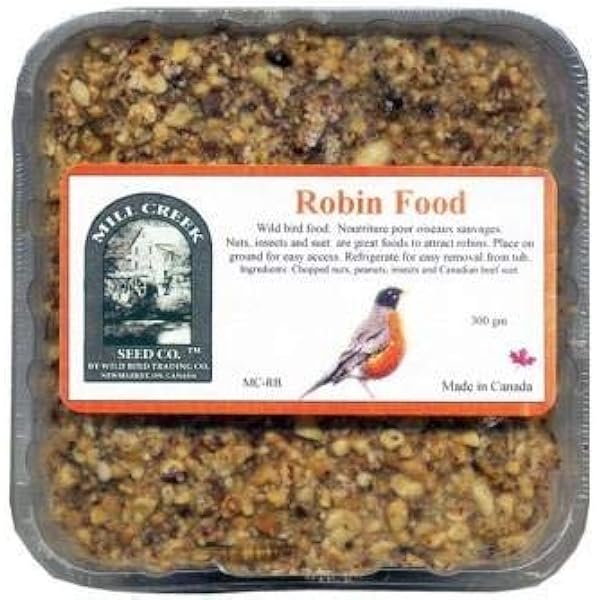
Chopped Peanuts
Chopped peanuts are a favorite among many backyard birds, including robins. Their high protein and fat content give robins the energy they need, especially during colder months.
Make sure to offer unsalted, raw peanuts only. Salted or flavored peanuts can harm your birds.
Breaking peanuts into smaller pieces helps robins eat easily and reduces choking risks. Have you noticed robins eagerly pecking at small nut pieces in your garden?
Almonds And Other Nuts
Almonds are another safe nut option when given in moderation. Like peanuts, they should be raw and unsalted.
Other safe nuts include walnuts and hazelnuts, but always chop them into small bits. Large chunks can be tough for robins to handle.
Remember, nuts are high in fat, so treat them as occasional snacks rather than daily staples. How often do you see robins enjoying a nutty treat in your yard?
Feeding Tips For Robins
Feeding robins can be a rewarding experience, but getting it right means paying attention to when and where you offer food. These birds are particular about their routines and surroundings, so a little thought can make a big difference in attracting and keeping them coming back.
Best Feeding Times
Robins prefer to feed during the early morning and late afternoon hours. You’ll notice they are most active shortly after sunrise, taking advantage of the cooler temperatures and calmer environment.
Try putting out fresh food just before dawn or late afternoon to catch their attention. Avoid midday feeding, as robins tend to rest during the hottest part of the day.
Have you observed your backyard robins’ habits? Adjusting your feeding times based on your local bird activity can increase your chances of visits.
Feeder Placement And Maintenance
Location plays a crucial role in whether robins will visit your feeder. Place feeders in quiet, sheltered spots close to shrubs or trees where robins can quickly retreat if they feel threatened.
Keep feeders clean to prevent mold and bacteria buildup. Wash them regularly with warm, soapy water and rinse well to ensure the food stays fresh and safe.
Consider the ground feeders too, as robins often prefer eating on flat surfaces rather than hanging feeders. A shallow dish or platform feeder near cover can work wonders.
Have you checked your feeder’s cleanliness lately? A little maintenance can keep robins healthy and eager to visit your yard.
Foods To Avoid
Feeding robins the right food is important, but equally important is knowing what to avoid. Some common foods can harm these charming birds or make them sick. Understanding which foods to keep away from your backyard visitors helps you protect their health and encourages them to return safely.
Toxic Foods For Robins
Certain foods are dangerous for robins and should never be offered. Avoid feeding them:
- Avocado:Contains persin, which is toxic to many birds.
- Chocolate:Even small amounts can cause severe health issues.
- Caffeine:Found in coffee, tea, and some sodas, it can be fatal.
- Onions and garlic:These can cause digestive upset or anemia.
- Alcohol:Even minimal exposure can be dangerous.
- Salty or sugary processed foods:These disrupt their natural diet and health.
Remember, robins thrive on natural foods. Offering harmful items can quickly lead to illness or deter them from visiting your garden.
Common Feeding Mistakes
Many well-meaning bird lovers make feeding errors that harm robins. One common mistake is giving bread. While it seems harmless, bread offers little nutrition and can cause digestive problems.
Another error is leaving food out too long. Wet or moldy leftovers attract pests and spread disease among birds.
Have you ever thought about how the size and type of food affect robins? Small, soft fruits and mealworms suit their feeding habits better than large seeds or hard pellets.
Feeding robins inappropriate foods or in the wrong way can reduce their visits or even harm their health. Watching closely how robins react to your offerings helps you adjust and provide the best care.
Credit: www.amazon.ca

Credit: www.livingwithbirds.com
Frequently Asked Questions
What Type Of Bird Feed Attracts Robins Best?
Robins prefer mealworms, suet, and fruit like berries. These foods mimic their natural diet and attract them effectively.
Can Robins Eat Sunflower Seeds Or Peanuts?
Robins rarely eat sunflower seeds or peanuts. They prefer soft foods like worms, berries, and insects instead.
How Often Should I Refill Robin Bird Feeders?
Refill feeders every 2-3 days to keep food fresh. Regular refilling encourages robins to visit consistently.
Is Suet Good For Feeding Robins?
Yes, suet is an excellent energy source. It attracts robins, especially during colder months.
Conclusion
Choosing the right bird feed helps robins thrive in your garden. Offer varied options like mealworms and berries for a balanced diet. Consistent feeding attracts robins, making them frequent visitors. Always ensure fresh and clean water is available too. This creates a welcoming environment for them.
Keep feeders clean to prevent disease. A little effort ensures a lively garden filled with cheerful robins. Enjoy watching them as they sing and flutter around. Your backyard can become a robin haven with the right care. Happy birdwatching!