
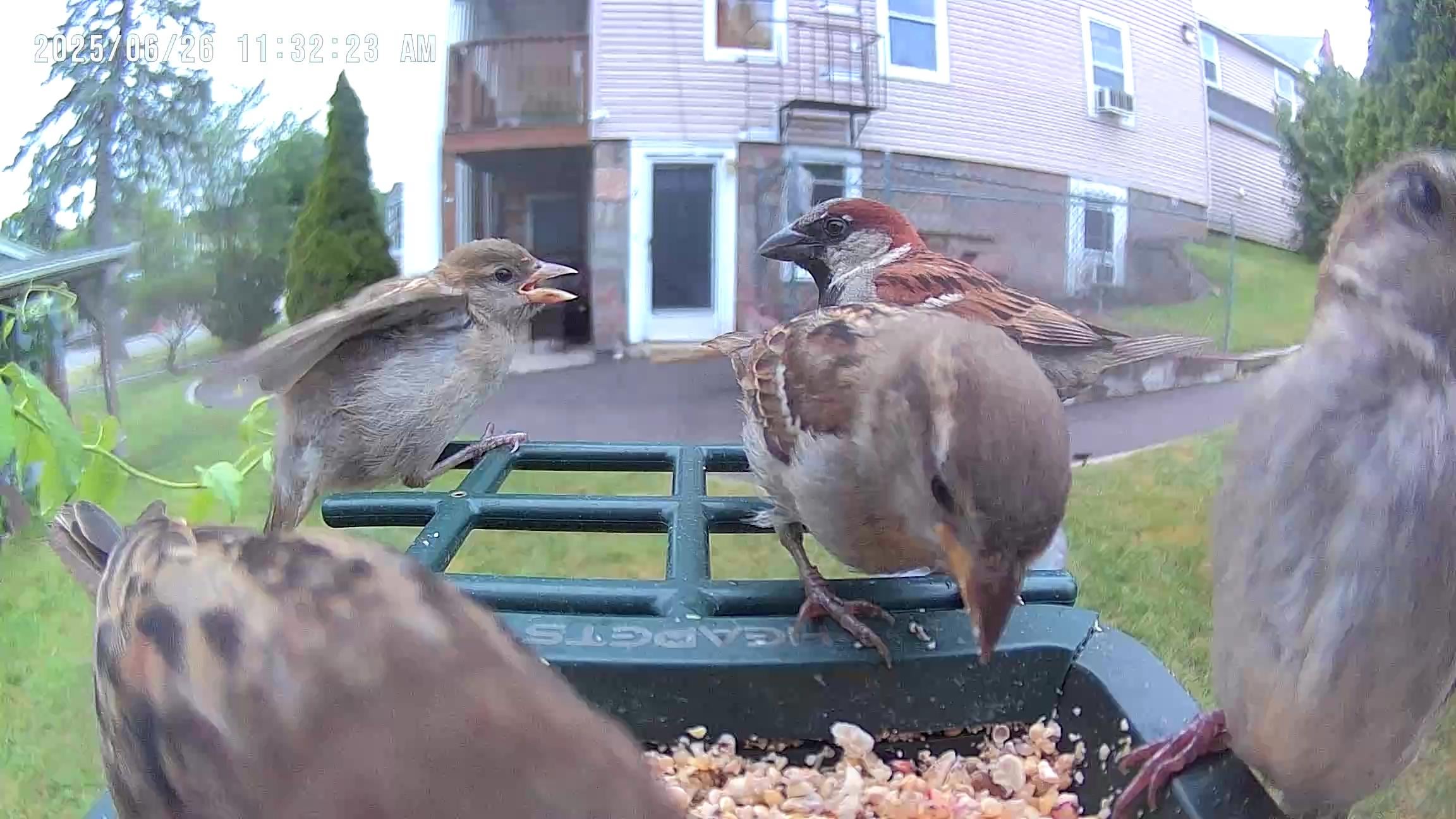
Are you frustrated because your thistle feeder sits empty while other feeders nearby are buzzing with birds? You’ve filled it carefully, but still, no visitors show up.
It feels like you’re missing something important, and you want to know why. Understanding why birds avoid your thistle feeder can help you attract those beautiful little guests you’re hoping to see. Keep reading, and you’ll discover simple fixes that could turn your quiet feeder into a lively hotspot for birds.
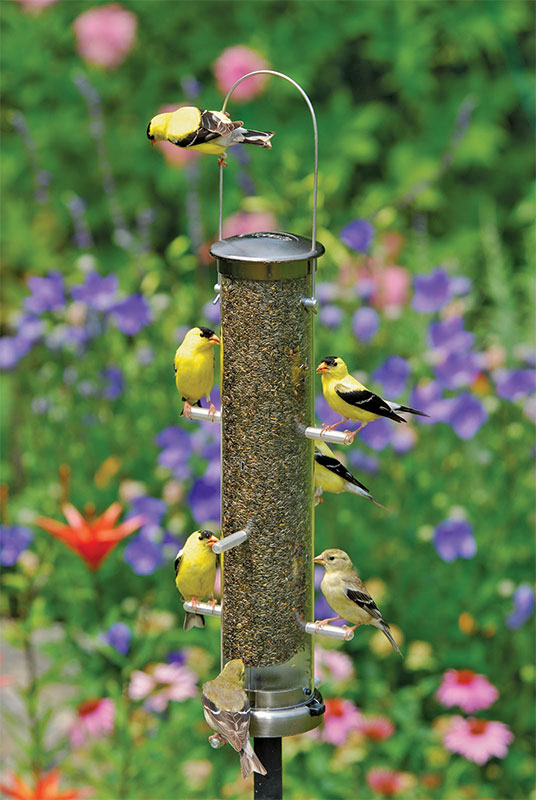
Credit: localgardener.net
Common Issues With Thistle Feeders
Thistle feeders can be a fantastic way to attract finches and other small birds to your yard. However, if you notice that birds aren’t visiting your feeder, several common issues might be at play. Understanding these problems can help you create a more inviting space for your feathered friends.
Poor Feeder Placement
Where you place your thistle feeder matters a lot. Birds prefer feeders that are near natural cover like bushes or trees, which offer quick escape routes from predators.
Placing the feeder in an open, exposed area can make birds feel vulnerable. Have you checked if your feeder is too close to busy walkways or noisy spots that might scare birds away?
Wrong Feeder Type
Not all thistle feeders are created equal. Some are designed with mesh or tiny ports that suit finches, while others might have larger holes that allow seed to spill or attract unwanted birds.
If you notice seed wastage or no finches visiting, consider switching to a feeder specifically made for thistle seed. Your choice of feeder can make a big difference in who visits.
Contaminated Seed
Birds are picky about their food. Moldy or damp seed can deter them from feeding, and it can even be harmful.
Make sure you use fresh, clean thistle seed and regularly clean your feeder to avoid contamination. Have you ever noticed a stale smell or clumps in your seed? That’s a red flag that it’s time to refresh your supply.
Seed Quality And Freshness
Seed quality and freshness play a huge role in attracting birds to your thistle feeder. Birds are very selective and won’t waste energy on seeds that don’t look or smell fresh. If you want to see more feathered visitors, start by making sure your seed is top-notch.
Checking Seed Expiry
Always check the expiration date on the seed bag before filling your feeder. Old seeds lose their nutritional value and can become less appealing to birds. Have you ever noticed how fresh seeds smell earthy and clean? That’s a good sign they’re still good to use.
If you find expired seed, it’s best to toss it out. Using fresh seed will give your feeder a better chance to attract the birds you want to see.
Avoiding Moldy Or Wet Seed
Moisture is a seed’s worst enemy. Wet or moldy seeds not only repel birds but can also be harmful to them. If your seed clumps together or smells musty, it’s time to replace it.
Store your seeds in a cool, dry place and use airtight containers to keep moisture out. Have you checked your seed for any signs of mold lately? Keeping your seed fresh and dry makes your feeder more inviting and keeps your bird visitors healthy.
Feeder Maintenance Tips
Keeping your thistle feeder attractive to birds means paying close attention to its upkeep. Birds are quick to avoid feeders that look dirty or have spoiled seed. Proper maintenance can make a big difference in bringing feathered visitors back to your yard.
Regular Cleaning
Clean your feeder at least once every two weeks to stop mold and bacteria buildup. Use warm water and a mild soap, then rinse thoroughly to remove any soap residue. I noticed a dramatic increase in goldfinches after I started this routine—it made the feeder a safe and inviting spot for them.
Don’t forget to clean the area around the feeder too. Dropped seeds and husks can attract pests and discourage birds from coming near. A tidy feeding area signals safety and freshness to your winged guests.
Preventing Seed Clumping
Seed clumping is a common issue that can make your feeder less appealing. Moisture causes the tiny seeds to stick together, making it hard for birds to eat. To prevent this, store your thistle seed in a cool, dry place and only fill the feeder with small amounts at a time.
Adding a small mesh cover or using a feeder with good ventilation can also reduce moisture buildup. Have you checked your feeder after a rain? If seeds look wet or stuck, it’s time to clean and refill. Birds prefer fresh, easy-to-access food, so keeping the seeds loose can invite more visitors.
Bird Preferences And Behavior
Birds have specific tastes and habits that affect their visits to feeders. Understanding these preferences helps explain why some birds avoid your thistle feeder. Each bird species favors certain seeds and feeder types. Their behavior changes with seasons, influencing their feeding choices.
Local Bird Species And Diet
Different birds live in different areas. Not all birds eat thistle seeds. Some prefer sunflower seeds, peanuts, or insects. Knowing local birds helps choose the right feeder food.
- Finches love thistle seeds the most.
- Cardinals prefer sunflower seeds.
- Sparrows eat millet and cracked corn.
If thistle seeds are not popular locally, birds will avoid your feeder. Check which birds visit your yard. Match the seed type to their diet for better results.
Seasonal Feeding Patterns
Bird feeding habits change with seasons. In spring and summer, many birds eat insects and fruits more than seeds. During fall and winter, seeds become vital food.
Birds may skip thistle feeders in warm months. They return when natural food is scarce. Adjust your feeding schedule to seasonal bird needs.
- Spring: birds eat more insects, less seed.
- Fall/Winter: seed feeders are busy.
- Early spring: some birds start feeding on thistle again.
Observing seasonal changes can improve your feeder’s success. Offer food that suits the time of year and local species.
Environmental Factors
Environmental factors play a huge role in whether birds visit your thistle feeder. Even if your feeder is stocked with fresh, high-quality seeds, outside elements can keep birds away. Understanding these factors helps you create a welcoming space for feathered visitors.
Weather Conditions
Birds are sensitive to weather changes, which can impact their feeding habits. During heavy rain or strong winds, many birds avoid open feeders to protect themselves. Cold snaps might drive them to seek shelter instead of coming out to feed.
Have you noticed fewer birds during a stormy day? That’s normal. However, on calm, sunny days, your feeder should see more activity. Try observing your feeder at different times and weather conditions to identify patterns.
Nearby Predators
Birds won’t risk visiting a feeder if they sense danger nearby. Cats, hawks, and even squirrels can scare birds away. If you’ve seen predators lurking close to your feeder, birds might avoid the area entirely.
To keep your feeder safe, consider placing it where birds have a quick escape route. Adding some cover nearby—like shrubs or trees—can give birds a sense of security. Ask yourself: does your feeder location offer a clear view for birds to spot threats?

Credit: www.reddit.com
Attracting Birds To Your Feeder
Attracting birds to your thistle feeder can be simple with a few thoughtful steps. Birds need more than just food to feel safe and welcome. Creating a friendly environment encourages them to visit often. Small changes can make a big difference in attracting a variety of birds.
Adding Fresh Water Sources
Birds need water for drinking and bathing. Place a shallow birdbath near your feeder. Keep the water clean and fresh every day. Moving water, like a small fountain, catches birds’ attention quickly. Water helps birds stay healthy and comfortable.
Using Multiple Feeders
Different birds prefer different kinds of seeds. Use several feeders with various seed types. Some birds love sunflower seeds, while others prefer millet or cracked corn. Spread feeders apart to reduce competition. This allows shy birds to feed safely.
Planting Native Flora
Native plants provide natural food and shelter. Flowers, shrubs, and trees attract insects birds eat too. Plants with seeds or berries offer extra nutrition. They create a safe space for birds to rest and hide. Native flora helps birds feel at home near your feeder.

Credit: happygardens.com
Frequently Asked Questions
Why Are Birds Ignoring My Thistle Feeder?
Birds may ignore your feeder due to poor seed quality, incorrect placement, or lack of shelter nearby. Ensure you use fresh, clean thistle seeds and place the feeder in a quiet, safe spot with some nearby cover.
How Can I Attract Birds To My Thistle Feeder?
Use fresh nyjer or thistle seeds and keep the feeder clean. Position it near shrubs or trees to provide safety. Regularly refill the feeder and avoid sudden changes that could scare birds away.
What Common Mistakes Prevent Birds From Visiting Feeders?
Common mistakes include using old seeds, placing feeders in exposed or noisy areas, and neglecting feeder cleanliness. Avoid these to increase bird visits. Also, make sure the feeder is suitable for small birds like finches.
How Often Should I Clean My Thistle Feeder?
Clean your feeder at least once every two weeks. Frequent cleaning prevents mold and bacteria growth, keeping birds healthy and encouraging regular visits.
Conclusion
Birds may skip your feeder for several reasons. Check the feeder’s location. Ensure it’s in a safe, quiet spot. Cleanliness matters too. Birds avoid dirty feeders. Fresh thistle seed is crucial. Birds won’t eat stale seed. Observe nearby vegetation. Birds need cover for safety.
Consider seasonal changes. Birds’ eating patterns vary with seasons. Patience is key. Birds may take time to find your feeder. Adjust these factors to attract more feathered friends. Enjoy watching them visit your garden. Their vibrant presence adds joy to any backyard.
Keep trying and stay observant. Success will follow with persistence.