
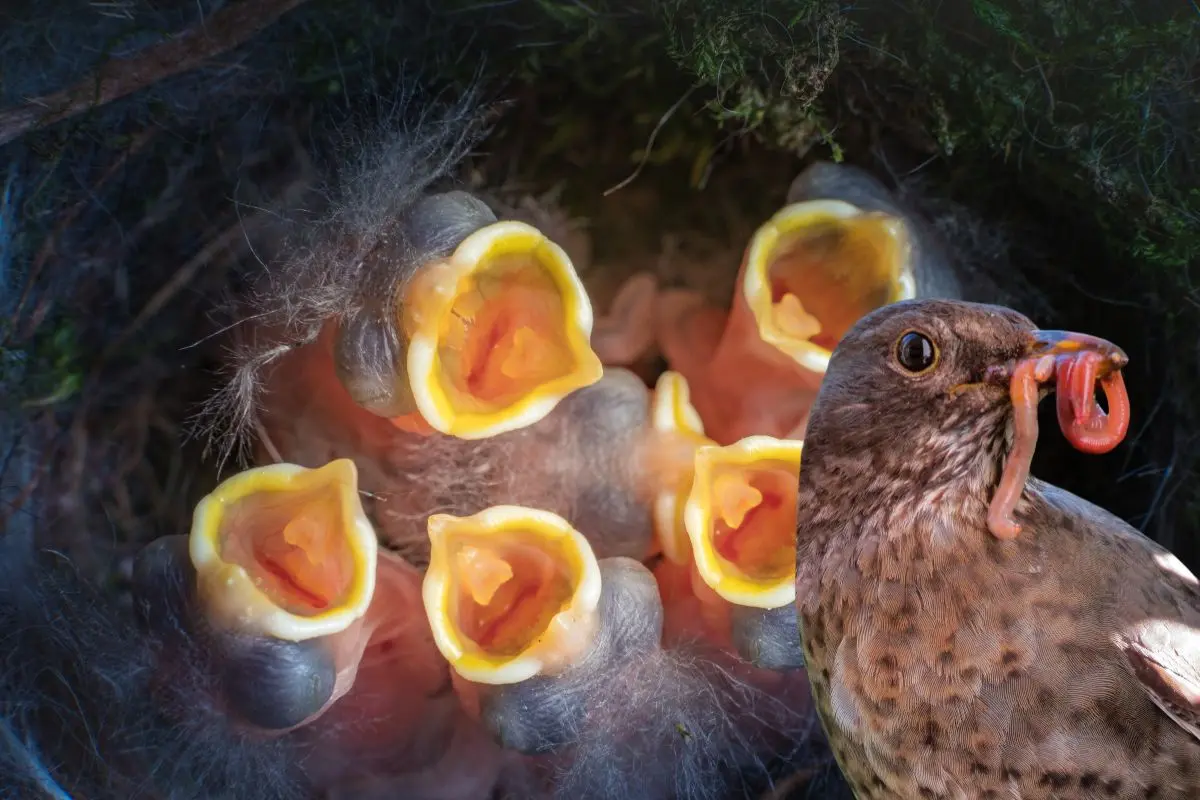
Have you ever found a tiny baby bird and wondered, “What should I feed it?” It’s natural to want to help, but feeding a baby bird the wrong food can do more harm than good. You want to give your little feathered friend the best start, but where do you begin?
This guide will walk you through exactly what to feed a baby bird, so you can feel confident you’re helping it grow strong and healthy. Keep reading to discover simple, safe options that work every time.
Credit: pethelpful.com
Recognizing Baby Bird Needs
Understanding what a baby bird truly needs begins with recognizing its specific condition and development stage. Each baby bird’s requirements vary greatly depending on whether it is orphaned, injured, or simply fledging. Knowing these details helps you provide the right care and food, increasing its chances of survival.
Identifying Orphaned Or Injured Birds
Can you tell if a bird is truly orphaned or just temporarily alone? Look for signs like continuous crying, featherless bodies, or visibly injured wings or legs. If the bird is cold, weak, or unresponsive, it likely needs immediate help.
Not all birds found on the ground need rescuing. Some fledglings leave the nest naturally and are still under parental care. Observe from a distance for at least an hour before intervening—parents often return to feed them.
If you find an injured bird, avoid feeding it right away. Instead, provide a warm, quiet place and contact a wildlife rehabilitator. Feeding the wrong food or feeding at the wrong time can do more harm than good.
Understanding Baby Bird Development Stages
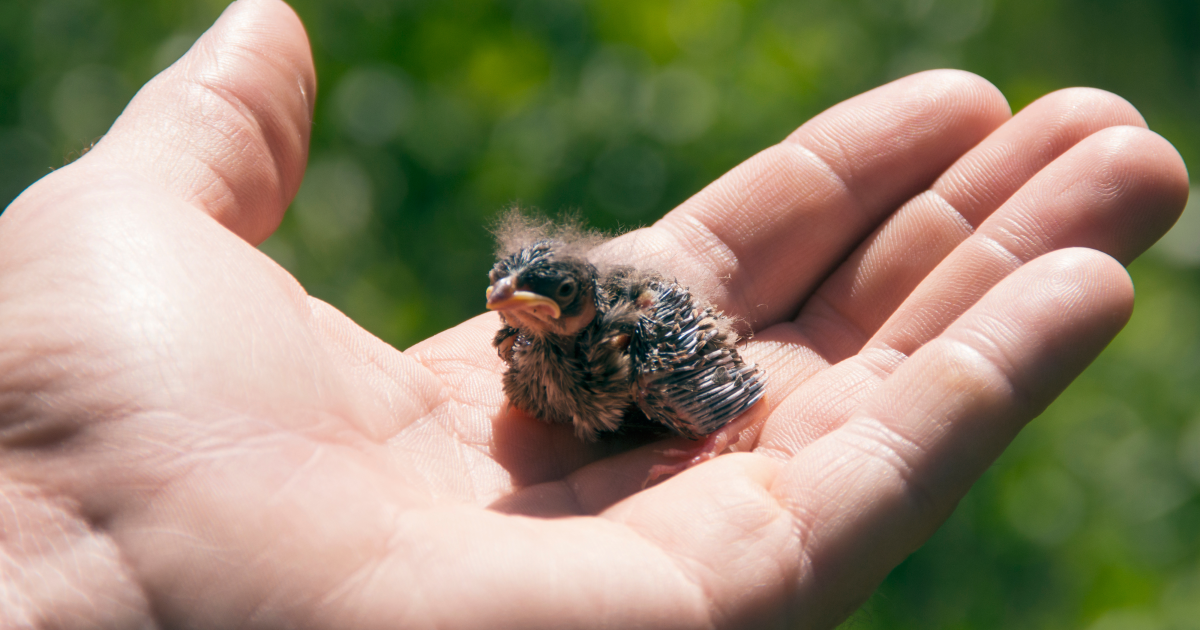
Baby birds grow fast, and their dietary needs change just as quickly. Hatchlings are featherless and blind, requiring frequent feeding of soft, protein-rich food. Nestlings have some feathers and open eyes; they can handle slightly more solid food.
Fledglings are almost fully feathered and learning to fly. They need less frequent feeding and more independence but still benefit from support. Knowing the exact stage helps you decide what type of food and how often to feed.
Ask yourself: Is the bird completely dependent, or can it start eating small insects and seeds? This question guides you toward the right feeding strategy and prevents overfeeding or underfeeding.

Credit: www.youtube.com
Safe Feeding Practices
Feeding a baby bird requires careful attention to ensure its health and growth. Safe feeding practices protect the fragile bird from harm and help it develop properly. Knowing exactly what to feed, what to avoid, and how often to feed can make a huge difference in your success as a caregiver.
Suitable Foods For Baby Birds
Baby birds need a diet rich in protein and moisture. Soft, easily digestible foods like soaked dog or cat kibble, hard-boiled eggs, and finely chopped insects work well. You can also offer mashed fruits like bananas and apples, but always keep the texture smooth to avoid choking hazards.
Remember, different species have different needs. For example, insect-eating birds require more protein, while seed-eaters benefit from a mix of soft seeds and fruits. You might wonder how to balance these options—start with small amounts and observe how the baby bird reacts.
Foods To Avoid
Never feed baby birds bread, milk, or processed human foods. These can cause malnutrition or digestive problems. Foods high in salt, sugar, or fat are harmful and can quickly damage their health.
Avoid giving whole seeds or nuts that are hard to swallow. Also, citrus fruits and onions can upset their stomach. If you’re unsure about a particular food, it’s better to leave it out than risk poisoning the bird.
Proper Feeding Frequency And Amounts
Baby birds need feeding every 15 to 20 minutes during daylight hours, especially in their first week. The amount you feed should be enough to fill their crop without overfeeding. Watch their crop size to avoid giving too much or too little.
As the bird grows, you can gradually reduce feeding frequency to every 30 minutes, then hourly. Are you prepared to maintain this schedule? Consistency is key for the bird’s survival and growth.
Preparing Food For Baby Birds
Preparing food for baby birds is a careful task that needs attention and care. Baby birds have delicate digestive systems. Their food must be soft, nutritious, and easy to swallow. Proper feeding helps them grow strong and healthy. Feeding the wrong food can harm their health.
There are two main ways to prepare food for baby birds. One is making homemade bird formula. The other is using commercial baby bird food. Both options provide essential nutrients for young birds. Choosing the right food depends on the bird species and availability of ingredients.
How To Make Homemade Bird Formula
Making homemade bird formula is simple and cost-effective. Use fresh, natural ingredients to ensure safety. A basic recipe includes:
- 1 part hard-boiled egg yolk
- 2 parts warm water
- 1 part finely ground bird seed or baby cereal
Mix all ingredients until smooth. Avoid lumps to prevent choking. Feed the formula warm, not hot. Use a small syringe or dropper for feeding. Prepare fresh formula for each feeding. Store leftovers in the refrigerator for no more than 24 hours.
Using Commercial Baby Bird Food
Commercial baby bird food is specially made for different bird species. It contains balanced nutrients for healthy growth. Choose brands with natural ingredients and no added sugar. Follow the feeding instructions on the package carefully. These foods save time and reduce preparation errors. Warm the food slightly before feeding. Keep unopened packages sealed and store in a cool, dry place.
Feeding Techniques
Feeding a baby bird requires more than just the right food—it demands careful techniques that ensure the chick’s safety and growth. How you handle and feed the bird can make a huge difference in its development and trust towards humans. Let’s look closely at some practical feeding techniques that you can use effectively.
Hand-feeding Tips
Hand-feeding a baby bird needs patience and gentleness. Start by warming the food to about body temperature; cold food can shock the chick’s digestive system. Use small amounts at a time to avoid overfeeding or choking.
Hold the baby bird securely but gently, supporting its body without squeezing. Offer food slowly and watch the bird’s cues—if it turns away or closes its mouth, it may be full or stressed. Feeding in a quiet space helps the bird stay calm and focused on eating.
Have you noticed how some baby birds open their mouths wide when hungry? That’s a natural instinct you can use to guide your feeding pace. Always keep a close eye on the baby’s breathing and swallowing to catch any problems early.
Using Feeding Tools Safely
Choosing the right feeding tools is crucial for the baby bird’s comfort and safety. Small syringes or eyedroppers work well for liquid or mushy food, but never force food into the bird’s throat. Instead, gently place the tip near the mouth and let the bird take in the food at its own pace.
Make sure all feeding tools are clean and sterilized before each use to prevent infections. Avoid using sharp or rough tools that could injure the delicate beak or mouth. If you’re using tweezers or forceps to offer small insects or pellets, handle them carefully to avoid hurting the bird.
Have you ever thought about the angle at which you feed the bird? Holding the bird upright and slightly tilting its head back helps prevent aspiration—food entering the lungs. This small adjustment can save your baby bird from serious health risks.
Health And Hygiene
Health and hygiene are vital when feeding a baby bird. Cleanliness protects the bird from infections. Proper care supports strong growth and development.
Feeding requires more than just the right food. Safe handling and clean tools prevent illness. Careful attention to health ensures the baby bird thrives.
Preventing Contamination
Always wash hands before feeding the baby bird. Use clean, sterilized feeding tools every time. Avoid using old or spoiled food. Store food in clean, sealed containers. Discard leftovers promptly to stop bacteria growth. Keep the feeding area dry and tidy. Avoid touching the bird’s beak with dirty fingers. Regularly clean the bird’s nest or cage.
Monitoring Baby Bird Health
Watch for signs of illness daily. Check if the bird is active and alert. Notice any changes in droppings or appetite. Look for swelling or redness around the eyes and beak. Monitor weight to ensure steady growth. Seek advice from a vet if you see unusual symptoms. Early detection helps prevent serious health problems. Keep a log of feeding times and health notes.
When To Seek Professional Help
Knowing when to seek professional help for a baby bird can make all the difference in its survival and recovery. Not every bird you find needs immediate rescue, but some signs should alert you to act quickly. Understanding these warning signals and the right steps to take ensures the bird gets the proper care it needs.
Signs Of Distress Or Illness
Watch closely for signs like lethargy, labored breathing, or visible injuries. If the baby bird is cold to the touch or refuses to eat, it’s a serious red flag. Unusual droppings, swelling, or constant crying can also indicate sickness or distress.
I once found a fledgling that seemed quiet but wasn’t moving much. Despite offering food, it stayed weak. That’s when I realized it needed expert care beyond what I could provide.
Contacting Wildlife Rehabilitation Centers
Wildlife rehab centers have the right knowledge and resources to treat injured or sick birds. If you spot any worrying signs, contact them immediately rather than attempting to care for the bird yourself. Many centers offer guidance over the phone to help you stabilize the bird until you can bring it in.
Keep contact information for local wildlife rehabilitators handy. Even a quick call can save precious time and increase the bird’s chance of survival. Do you know where your nearest center is? It’s worth finding out before an emergency arises.

Credit: www.youtube.com
Frequently Asked Questions
What Do Baby Birds Eat In The Wild?
Baby birds primarily eat insects, worms, and regurgitated food from parents. This diet provides necessary protein and nutrients for growth and development.
Can I Feed A Baby Bird Bread Or Milk?
Avoid feeding bread or milk to baby birds. Bread lacks nutrients and milk can cause digestive issues and harm their health.
How Often Should I Feed A Baby Bird?
Feed baby birds every 15 to 20 minutes from dawn to dusk. Frequent feeding mimics natural feeding patterns by parent birds.
What Is The Best Homemade Food For Baby Birds?
A mix of soaked dog food, hard-boiled eggs, and mealworms makes nutritious homemade baby bird food. This blend offers balanced protein and vitamins.
Conclusion
Feeding a baby bird needs care and the right food. Start with soft, moist foods. Offer small, frequent meals. Ensure the food is fresh and safe. Avoid bread and milk. As the bird grows, introduce seeds and insects. Remember, it’s best to consult experts or wildlife professionals.
They provide the best advice for your bird’s health. Observing the bird’s behavior helps in understanding its needs. With patience and knowledge, you can help baby birds grow strong. Always prioritize their well-being and safety. This ensures a healthy transition to their natural diet.
Happy bird feeding!