
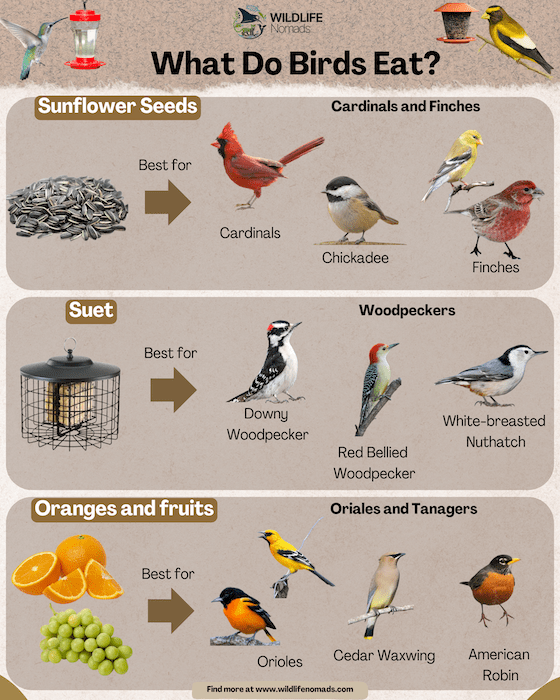
Are you wondering what birds can eat from a finch feeder? If you want to attract colorful finches and other feathered friends to your yard, knowing the right food to offer is key.
Feeding birds isn’t just about filling a feeder—it’s about creating a welcoming spot that keeps them coming back day after day. You’ll discover the best seeds and treats that finches love, so you can enjoy watching these beautiful birds up close.
Keep reading to learn how to make your finch feeder a favorite hangout for your local wild birds!
Best Seeds For Finch Feeders
Choosing the right seeds for your finch feeder can transform your backyard into a lively haven for these charming birds. The seeds you select not only attract finches but also provide the nutrients they need to stay healthy and active. Understanding which seeds finches prefer helps you make smarter choices and enjoy more frequent visits.
Nyjer Seeds
Nyjer seeds are the top choice for most finch enthusiasts. These tiny, black seeds are rich in oil, giving finches the energy they need. I’ve noticed that once I started using nyjer, goldfinches became regular visitors, often outnumbering other birds.
Nyjer seeds require a special feeder with small holes to prevent spillage. If you want to attract finches consistently, this seed is worth the investment. Have you ever wondered why finches flock to feeders with nyjer but ignore others? It’s all about the seed size and energy content.
Millet Varieties
Millet is another favorite among finches, especially white proso millet. It’s affordable and widely available, making it a great option for backyard bird lovers. You can scatter millet on ground feeders or mix it with other seeds to increase your feeder’s appeal.
Different millet types, like red or golden millet, can attract other bird species as well. Adding millet to your finch feeder mix gives you a chance to see a wider variety of birds. What would happen if you switched millet varieties seasonally? You might discover new visitors to your garden.
Sunflower Seeds
While finches prefer smaller seeds, they do enjoy sunflower seeds, especially the smaller black oil variety. These seeds are packed with nutrients and oil, providing excellent energy. I’ve seen finches pick at sunflower seeds when other options run low, showing their flexibility.
Sunflower seeds also attract a broad range of birds, so adding them can increase the diversity around your feeder. If you want to offer a balanced diet, mixing sunflower seeds with nyjer and millet is a smart move. How often do you refresh your seed supply to keep birds coming back?

Credit: www.birdwatchingdaily.com
Fruits And Vegetables For Finches
Fruits and vegetables offer essential vitamins and minerals for finches. They support overall health and vibrant feathers. Adding fresh produce to a finch feeder provides variety and natural nutrients. Finches enjoy different textures and flavors, making feeding time more interesting.
Berries And Small Fruits
Small fruits and berries are perfect for finches. They are easy to eat and rich in antioxidants. Safe options include:
- Blueberries
- Raspberries
- Strawberries (chopped)
- Small grapes (cut in half)
Offer these fresh or slightly dried to avoid mold. Remove any uneaten fruit quickly to keep the feeder clean.
Leafy Greens
Leafy greens provide important vitamins like A and K. Finches enjoy tender leaves from:
- Spinach
- Kale
- Romaine lettuce
- Collard greens
Wash leaves thoroughly and chop finely. Avoid bitter or tough greens that finches might reject.
Chopped Vegetables
Chopped vegetables add crunch and extra nutrients. Good choices include:
- Carrots (grated or small pieces)
- Cucumber slices
- Bell peppers (small pieces)
- Zucchini
Serve raw or lightly steamed without salt. Freshness matters to keep finches healthy and happy.
Nuts And Protein Sources
Nuts and protein sources are essential for finches visiting your feeder. They provide energy and help support feather growth and overall health. Offering a variety of these foods can attract more birds and keep them coming back.
Shelled Peanuts
Shelled peanuts are a favorite among many finch species. They are rich in fats and proteins, giving birds a good energy boost. You can offer them in small, chopped pieces to make it easier for finches to eat.
Be sure the peanuts are unsalted and fresh to avoid harming the birds. Have you noticed how quickly finches gather around when you put out peanuts? It’s a clear sign they love this treat.
Insects And Mealworms
Insects like mealworms are a fantastic protein source for finches. You can buy dried or live mealworms and add them to your feeder. Many finches enjoy hunting these tiny snacks, which mimic their natural diet.
Including insects can encourage breeding and improve feather condition. Do you want to see more active and healthy birds? Try adding mealworms to your feeding routine.
Egg Food Mixes
Egg food mixes are specially made blends that offer high protein and essential nutrients. They often contain ground eggs, seeds, and grains, making them perfect for finches during breeding season. You can find these mixes at pet stores or make your own at home.
Sprinkle the mix directly into the feeder or scatter it on the ground. Have you tried egg food mixes before? Many bird enthusiasts find they attract a wider variety of finches.
Avoiding Harmful Foods
Feeding finches is a joyful activity, but it’s crucial to know what to avoid. Certain foods can harm these delicate birds, even if they seem harmless to us. Understanding which items to keep away from your finch feeder can protect your feathered friends and keep them healthy.
Toxic Plants And Seeds
Some plants and their seeds are poisonous to finches. Avoid feeding them anything from the nightshade family, such as tomatoes or potatoes, as these contain toxic compounds. Apple seeds and cherry pits also pose a danger due to cyanide content, which can be fatal in small amounts.
Always double-check the source of seeds before adding them to your feeder. Wild plants like rhododendrons and azaleas are toxic if ingested by birds. If you’re unsure, it’s safer to stick with commercially prepared finch mixes.
Processed Human Foods
Processed foods are a big no for finches. Items like bread, crackers, or chips contain additives and preservatives that can upset their digestive system. Even small amounts can cause serious health problems over time.
Have you ever seen a finch peck at crumbs on the ground? While it might be tempting to offer leftover snacks, resist the urge. Instead, provide natural seeds and grains specifically meant for finches to keep them thriving.
Foods High In Salt Or Sugar
Salt and sugar may be common in human diets, but they are harmful to finches. High salt intake can lead to dehydration and kidney damage, while sugar can disrupt their metabolism. Avoid giving them any sugary fruits or salted nuts.
Think about the treats you enjoy—would they be good for your finches too? Probably not. Stick to unsalted, plain seeds and clean water to maintain their well-being. Your careful choices make a real difference in their health.
Tips For Feeding Finches
Feeding finches is rewarding when you follow simple tips. Proper care helps attract these lively birds to your feeder. A few smart moves improve their feeding experience and keep them safe. Focus on placement, cleanliness, and seasonal needs for best results.
Feeder Placement
Place feeders in quiet, sheltered spots. Avoid windy or exposed areas. Choose locations near shrubs or trees for cover. This helps finches feel safe from predators. Keep feeders away from busy walkways or pets. Bright, open areas also attract finches by making seeds visible.
Cleaning And Maintenance
Clean feeders regularly to prevent mold and bacteria. Use warm water and mild soap. Rinse thoroughly and dry before refilling. Check for seed debris or wet seeds often. Replace old seeds to avoid spoilage. Clean feeders every two weeks or more often in wet weather.
Seasonal Feeding Adjustments
Adjust feeding based on the season. In winter, offer high-energy seeds like nyjer and sunflower. In spring and summer, fresh fruits and mealworms can be added. Reduce feeding in late summer when natural food is abundant. Monitor finch activity to decide when to change food types.

Credit: www.allaboutbirds.org

Credit: www.birdwatchingdaily.com
Frequently Asked Questions
What Bird Species Commonly Visit Finch Feeders?
Finch feeders attract various species like American Goldfinch, House Finch, Purple Finch, and Pine Siskin. These birds prefer small seeds, especially nyjer and thistle seeds. The feeder’s design suits their small beaks, making it easier to eat and enjoy the food offered.
Can Other Birds Eat From A Finch Feeder?
Yes, some other small birds like chickadees and sparrows may visit finch feeders. However, finch feeders are specifically designed for finches and similar small birds. Larger birds might find it difficult to access the seeds due to the feeder’s small ports.
What Seeds Are Best For A Finch Feeder?
Nyjer (thistle) seeds are the most popular for finch feeders. These tiny, high-oil seeds attract finches and small songbirds. Black oil sunflower seeds can also be used but may attract different bird species. Always use fresh, high-quality seeds for best results.
How To Maintain A Finch Feeder For Healthy Birds?
Clean the feeder regularly to prevent mold and bacteria growth. Replace old seeds frequently to keep them fresh. Position the feeder in a safe, sheltered spot to protect birds from predators and harsh weather. Proper maintenance ensures a healthy feeding environment.
Conclusion
Birds can enjoy a variety of seeds from a finch feeder. Seeds like nyjer and sunflower attract many species. Finches, sparrows, and chickadees love these feeders. Providing diverse seeds encourages more birds to visit. Clean your feeder regularly to keep birds healthy.
Watching birds eat brings joy and relaxation. It’s simple and rewarding to support local wildlife. A small step can make a big difference. So, set up a finch feeder today. Enjoy the vibrant birdlife it brings to your garden. Happy birdwatching!