
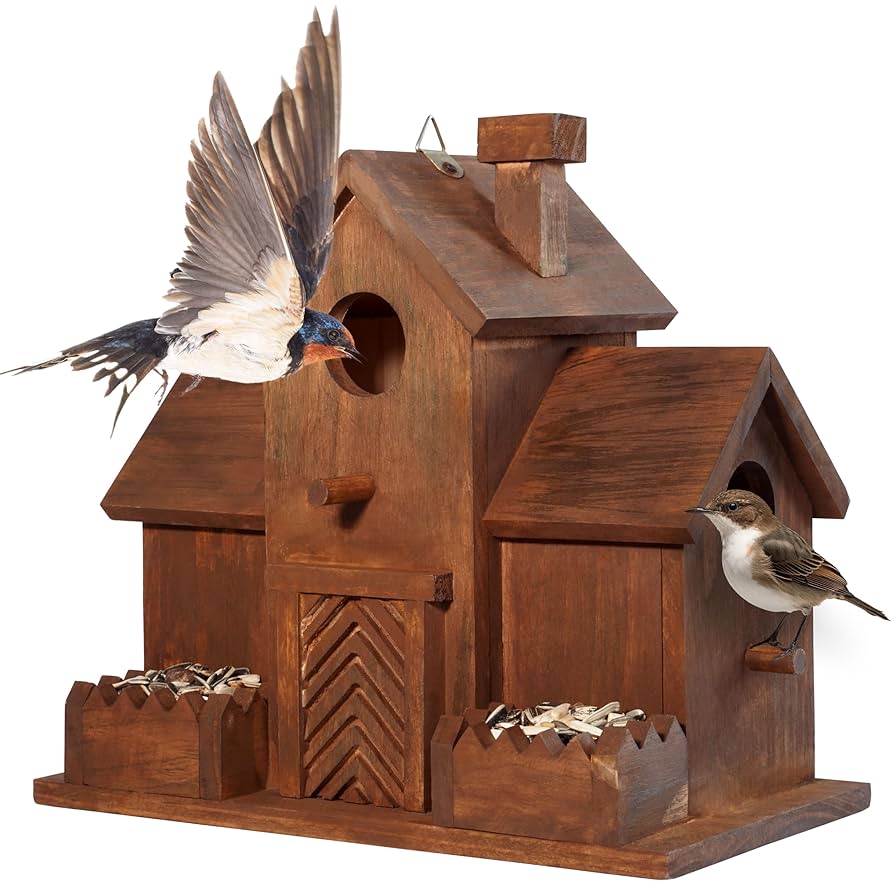
Have you ever noticed your bird feeder staying stubbornly closed, leaving those hungry birds waiting? It can be frustrating when you want to share food but the feeder won’t open properly.
What if the secret to unlocking that little hole lies right at your feet? Yes, the right shoes can actually help open the hole in a bird feeder. Keep reading to discover exactly which shoes work best and how you can easily solve this common problem.
Your feathered friends are counting on you!
Bird Feeder Damage Causes
Understanding what causes damage to your bird feeder is key to protecting your investment and keeping the birds safe. Damage often appears as holes or tears, but the reasons behind these problems can vary widely. Identifying the cause helps you choose the right fix and prevents future harm.
Common Animal Culprits
Many animals are attracted to bird feeders, but not all of them are gentle visitors. Squirrels, raccoons, and even larger birds like woodpeckers can cause significant damage while trying to access the food inside.
Have you noticed that persistent hole near the seed compartment? Chances are, a clever squirrel is behind it. They use their sharp teeth and claws to chew through plastic or wood, making the hole larger over time.
Understanding which animal is causing the damage can guide you to solutions like squirrel-proof feeders or better placement.
Impact Of Sharp Objects
Sometimes, the damage isn’t caused by animals but by sharp objects that come into contact with your feeder. This could be tools, branches, or even certain types of shoes.
Imagine a pair of shoes with rough soles or sharp edges that accidentally scrape or poke at the feeder when you’re refilling it. Over time, these small cuts can grow into noticeable holes.
Protect your feeder by being mindful of the tools and footwear you use around it. Even small changes can extend its lifespan significantly.
Role Of Bird Activity
It might surprise you, but birds themselves can contribute to feeder damage. Birds with strong beaks, like woodpeckers or jays, can peck at plastic or metal parts, creating holes or cracks.
Have you ever watched a woodpecker persistently tapping on a feeder? That behavior can wear down materials quickly. Even smaller birds can chip away at fragile surfaces while feeding.
Choosing feeders made from durable materials and placing them in less exposed spots can reduce damage caused by bird activity.

Credit: www.amazon.com
How Shoes Can Affect Bird Feeders
Shoes can have a surprising impact on bird feeders. The type of shoe worn near or on a feeder can cause damage. This often leads to holes or cracks in the feeder’s structure. Understanding how different shoes affect feeders helps protect these bird-friendly spots.
Shoes With Hard Soles
Shoes with hard soles can press sharply against bird feeders. These soles do not absorb much shock. When stepped on or leaned against, they can create stress points. Over time, this pressure may cause cracks or holes in plastic or wood feeders.
Shoes With Sharp Edges
Shoes with sharp edges or protruding parts can scrape or puncture feeders. Boots with metal toes or shoes with rough treads can dig into the feeder’s surface. This can leave marks or even open holes where birds feed. Avoiding such shoes near feeders reduces this risk.
Weight And Pressure Factors
Heavy shoes add more pressure to feeders. The weight concentrates force on small areas, making damage more likely. Light shoes distribute pressure evenly and are less harmful. Birds need feeders to stay intact. Shoes that apply less force help keep them safe and usable.
Top Shoes That Damage Feeders
Not all shoes are safe around bird feeders. Some footwear can cause unexpected damage, creating holes where birds eat. Understanding which shoes are harmful helps you protect your feeder and the birds relying on it.
Work Boots
Work boots often have heavy, hard soles and sharp edges on the tread. If you step on a bird feeder or accidentally kick it, these boots can easily puncture the plastic or metal. I once saw a sturdy boot create a hole in a hanging feeder after a simple misstep.
Think about the kind of boots you wear when handling feeders. Could your footwear be a hidden threat to your backyard visitors?
High Heels
High heels concentrate your weight on a tiny surface area, which can easily pierce soft materials like plastic or thin metal. Even a small tap from a heel can leave a hole in a feeder’s surface. I’ve noticed how quickly heels damage delicate feeders at garden parties.
If you often bring guests near your feeders, consider asking them to change shoes or walk carefully. Protecting feeders from sharp heels is simpler than you might think.
Sports Cleats
Sports cleats have sharp studs designed to grip turf, but those same studs can puncture feeders. Whether it’s soccer, football, or baseball cleats, they can create multiple holes if the feeder is accidentally stepped on. I remember a playful kid running near a feeder and cleats leaving visible damage after a short game.
Do you allow sports activities near your feeders? Maybe it’s time to set clear boundaries to avoid costly repairs.
Preventing Damage To Bird Feeders
Bird feeders are a joy to have around, but they can easily get damaged if you’re not careful, especially around the feeding holes. Preventing damage to bird feeders is essential to keep them functional and safe for the birds you want to attract. You might be surprised how much your choice of shoes and where you place the feeder can affect its lifespan.
Choosing Safe Footwear
The type of shoes you wear when refilling or cleaning your bird feeder matters more than you might think. Shoes with sharp or hard soles can accidentally scratch or chip the feeder’s surface, especially if it’s made of wood or plastic.
Opt for soft-soled shoes or sneakers with rubber bottoms. These reduce the chance of creating holes or cracks in the feeder. Have you ever noticed scuff marks on your feeder after you stepped on it? That’s a clear sign to switch up your footwear.
Using Protective Covers
Adding a protective cover around the feeding hole can significantly reduce damage caused by frequent bird visits or accidental bumps. Covers made of lightweight metal or durable plastic can shield the hole from wear and tear.
These covers are easy to install and replace. They also help keep squirrels and larger birds from causing damage. Think about whether your feeder’s current design allows for adding such a cover; if not, it might be time to upgrade.
Proper Feeder Placement
Where you place your bird feeder plays a big role in its durability. Positioning it too close to walls, fences, or branches can cause birds to hit these surfaces and damage the feeder. It can also encourage squirrels to jump onto the feeder, increasing wear around the holes.
Choose a spot that gives birds enough space to land and take off easily. Hanging feeders from a sturdy branch or pole in an open area minimizes accidental impacts. Have you checked if your feeder location invites unwanted visitors that might harm it?
Alternative Solutions To Protect Feeders
Protecting your bird feeder from damage is key to enjoying a steady supply of feathered visitors. Instead of focusing solely on shoes or external tools, consider a range of alternative solutions that safeguard your feeder effectively. These options not only prevent holes but also help maintain the feeder’s longevity and keep birds safe.
Feeder Designs Resistant To Damage
Choosing the right feeder design makes a huge difference. Feeders made from metal or heavy-duty plastic resist chewing and pecking better than thin materials. Some models feature reinforced ports or cages that keep larger, more aggressive birds from causing damage.
Think about feeders with built-in guards around feeding holes. These guards act like a shield, reducing wear and tear from persistent birds. You might find designs with replaceable parts, so if one section gets damaged, you can swap it out without replacing the entire feeder.
Bird Deterrents
Sometimes, the issue is not the feeder itself but the birds that damage it. You can use bird deterrents to discourage destructive behavior. For example, reflective tapes or small spinning devices near the feeder can make birds wary and less likely to peck aggressively.
Another option is placing feeders on poles with baffles or slippery surfaces that prevent squirrels and some birds from reaching the feeder easily. These tactics reduce stress on your feeder and limit the chance of holes forming.
Regular Maintenance Tips
Regularly checking your feeder is a simple yet effective way to prevent damage. Look for early signs of wear like cracks or small holes and fix them promptly. This can save you money and keep your feeder safe for birds.
Cleaning your feeder often also discourages pests that might chew on it. Keep an eye on the mounting hardware to ensure the feeder stays steady and doesn’t wobble, which can cause unnecessary damage over time. How often do you inspect your feeder for small problems before they become big issues?

Credit: www.amazon.com

Credit: news.yahoo.com
Frequently Asked Questions
What Shoes Cause Damage To Bird Feeder Holes?
Shoes with sharp or rough soles, like hiking boots or cleats, can wear down bird feeder holes. Their hard materials scrape or widen the openings, allowing unwanted animals access. Avoid placing such shoes near feeders to protect them from damage.
Can Certain Shoes Help Open Bird Feeder Holes?
No shoes are designed specifically to open bird feeder holes. However, shoes with pointed or hard soles might accidentally enlarge holes if stepped on. It’s best to avoid stepping near feeders to maintain their condition.
How To Prevent Shoes From Damaging Bird Feeders?
Keep shoes away from bird feeders and use designated shoe racks. Place feeders in elevated or protected spots to prevent accidental contact. Regularly check feeders for damage and repair holes promptly to maintain bird safety.
Do Shoe Types Affect Bird Feeder Longevity?
Yes, shoes with abrasive or hard soles can reduce feeder lifespan by creating or enlarging holes. Soft-soled shoes or no shoes near feeders help preserve their condition and ensure consistent bird access.
Conclusion
Choosing the right shoes matters for your bird feeder’s security. Birds deserve a peaceful feeding spot. Shoes with soft soles work best. They prevent damage to the feeder’s opening. Be mindful of the shoes you wear around feeders. This helps keep the birds safe and happy.
Happy birds visit more often. Enjoy watching them in your backyard. A little care makes a big difference. Keep your feeders in top shape. Your feathered friends will thank you. Bird watching becomes more delightful with the right approach. Remember, small changes lead to big smiles.